Bernkastel Kues

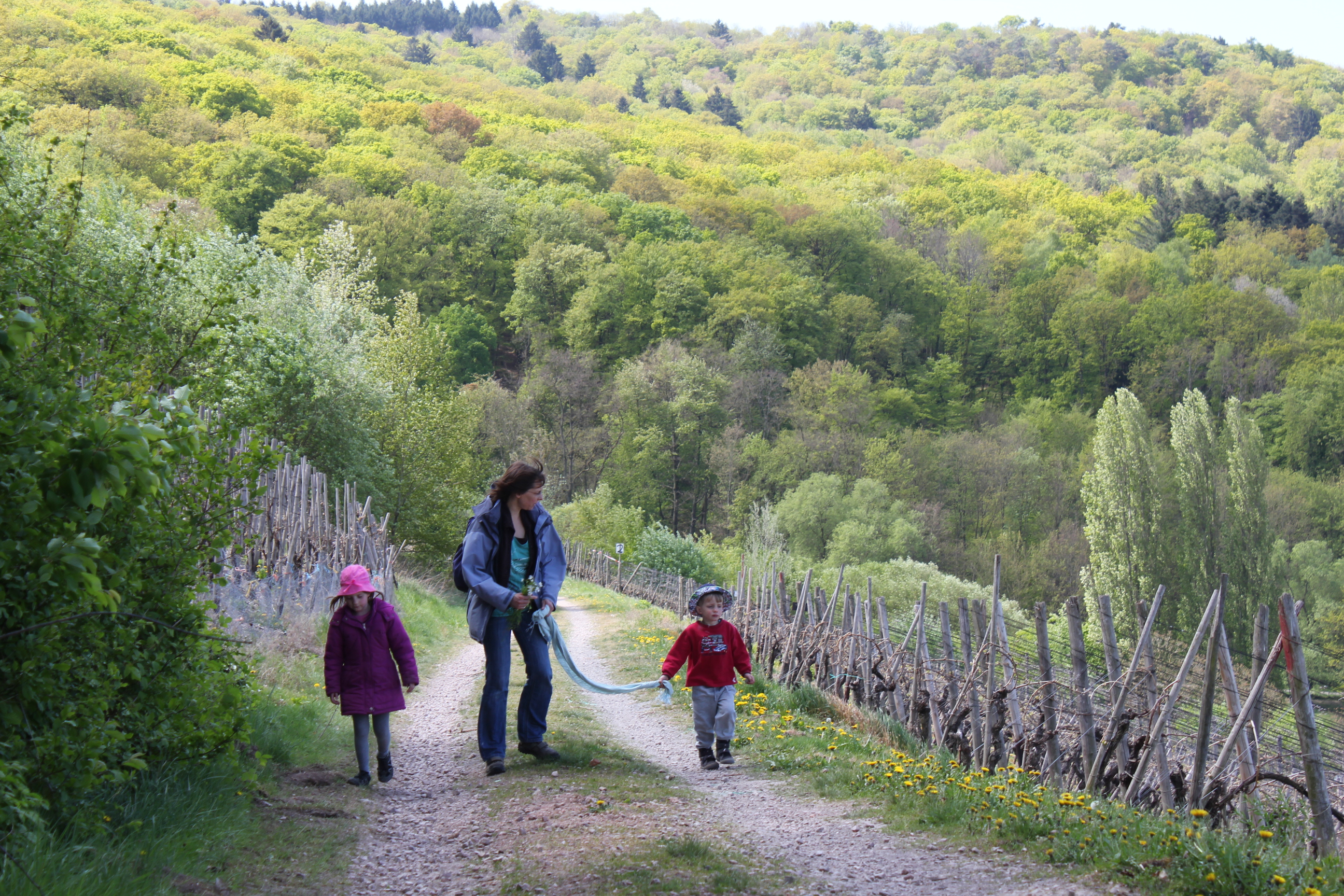
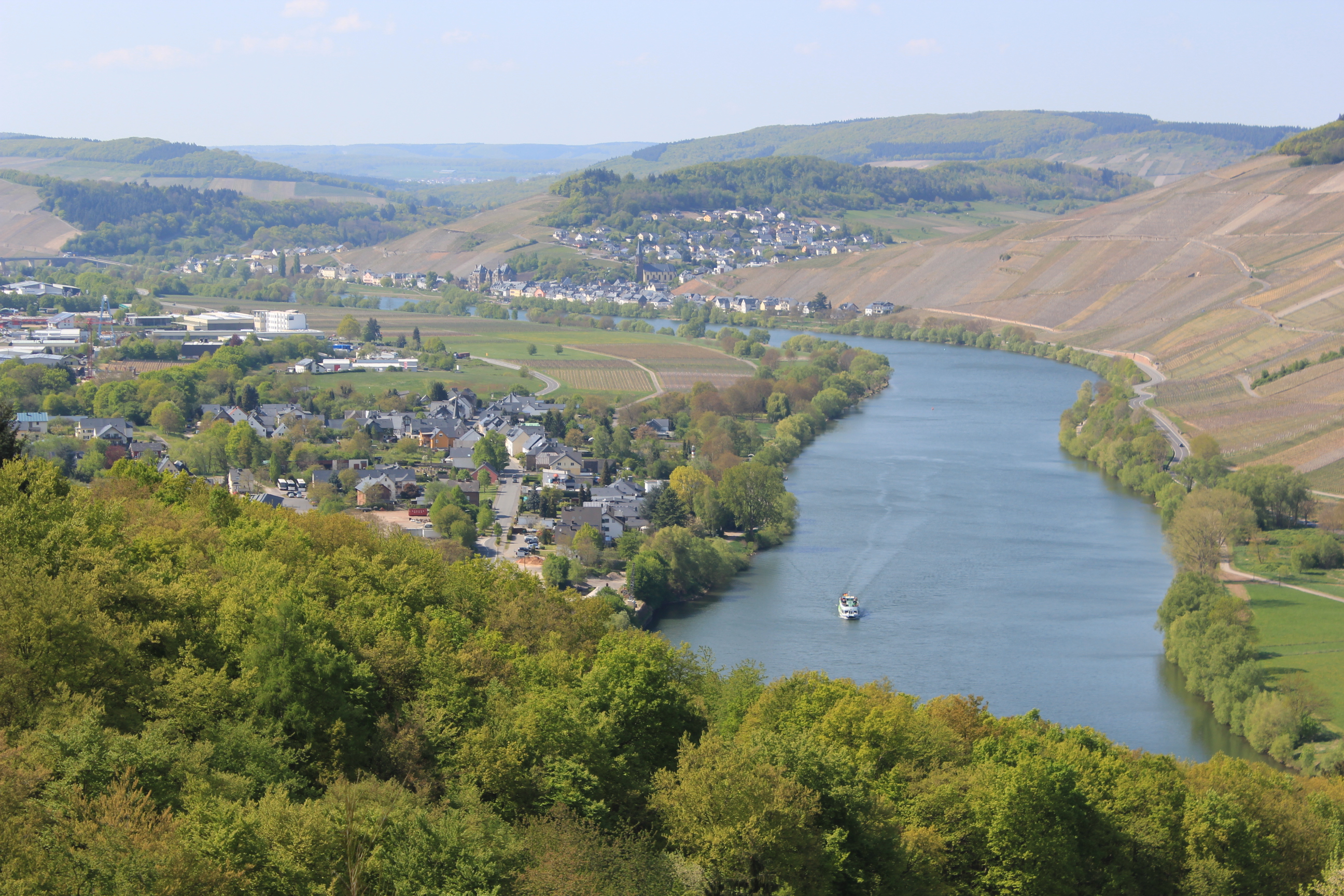
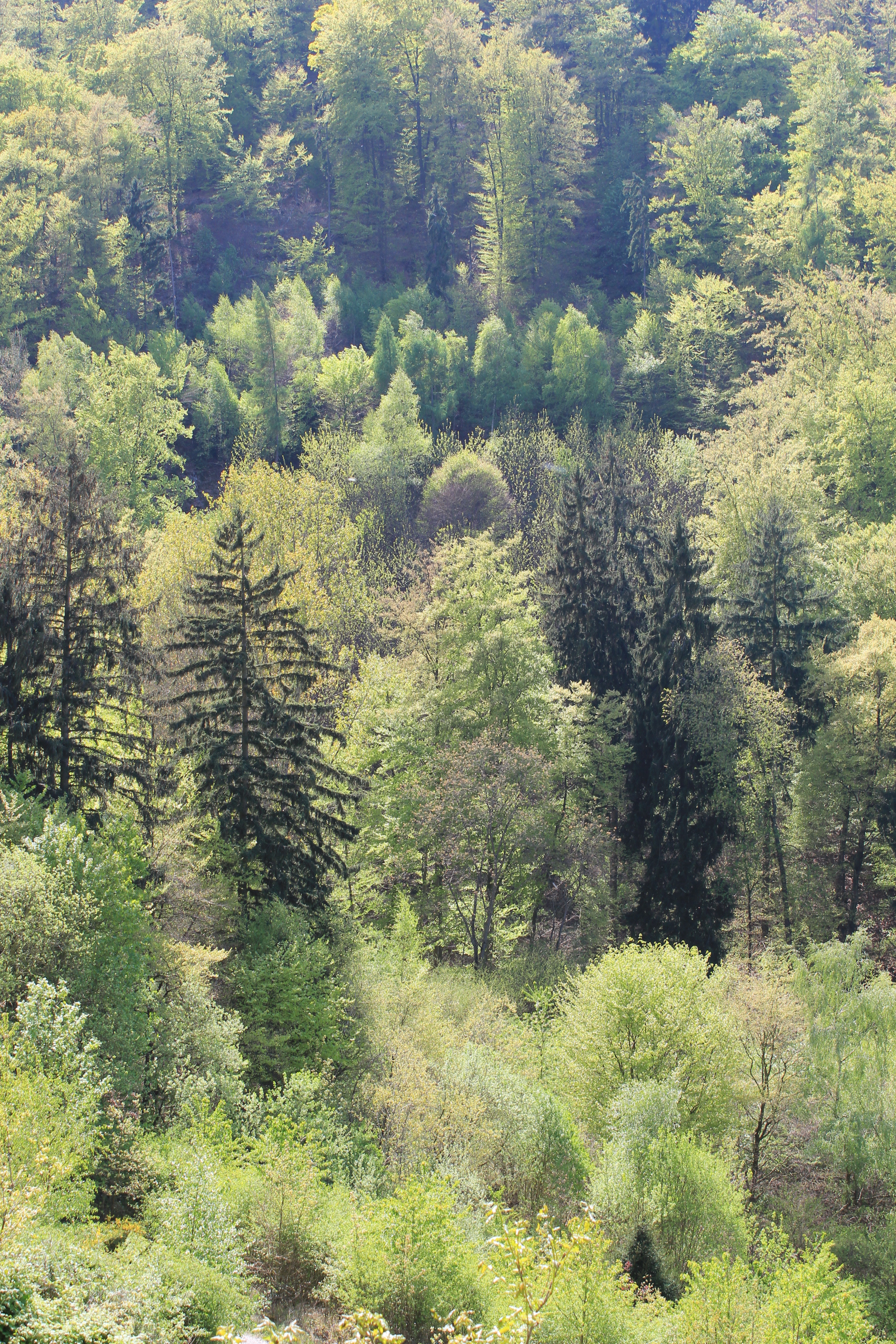
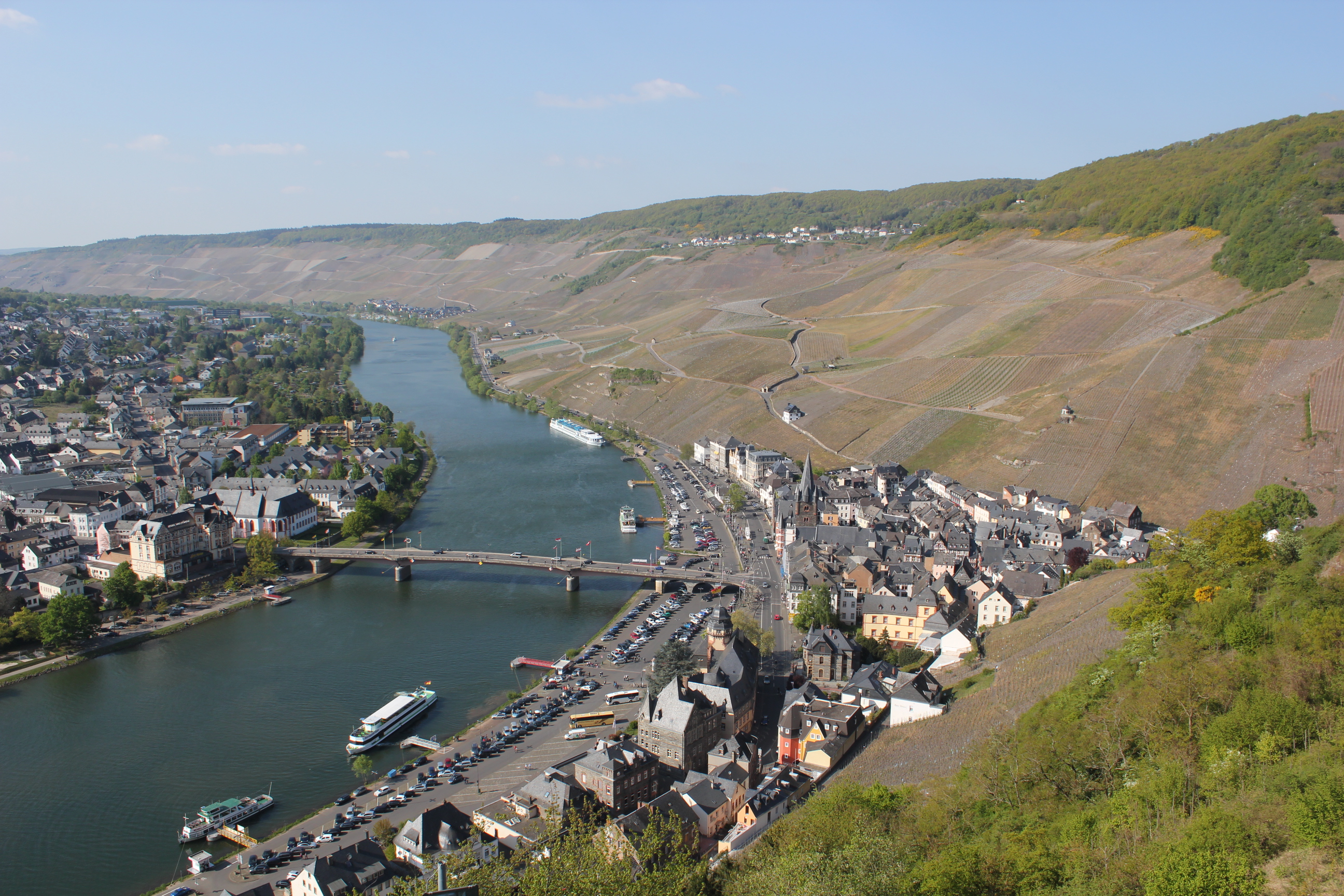
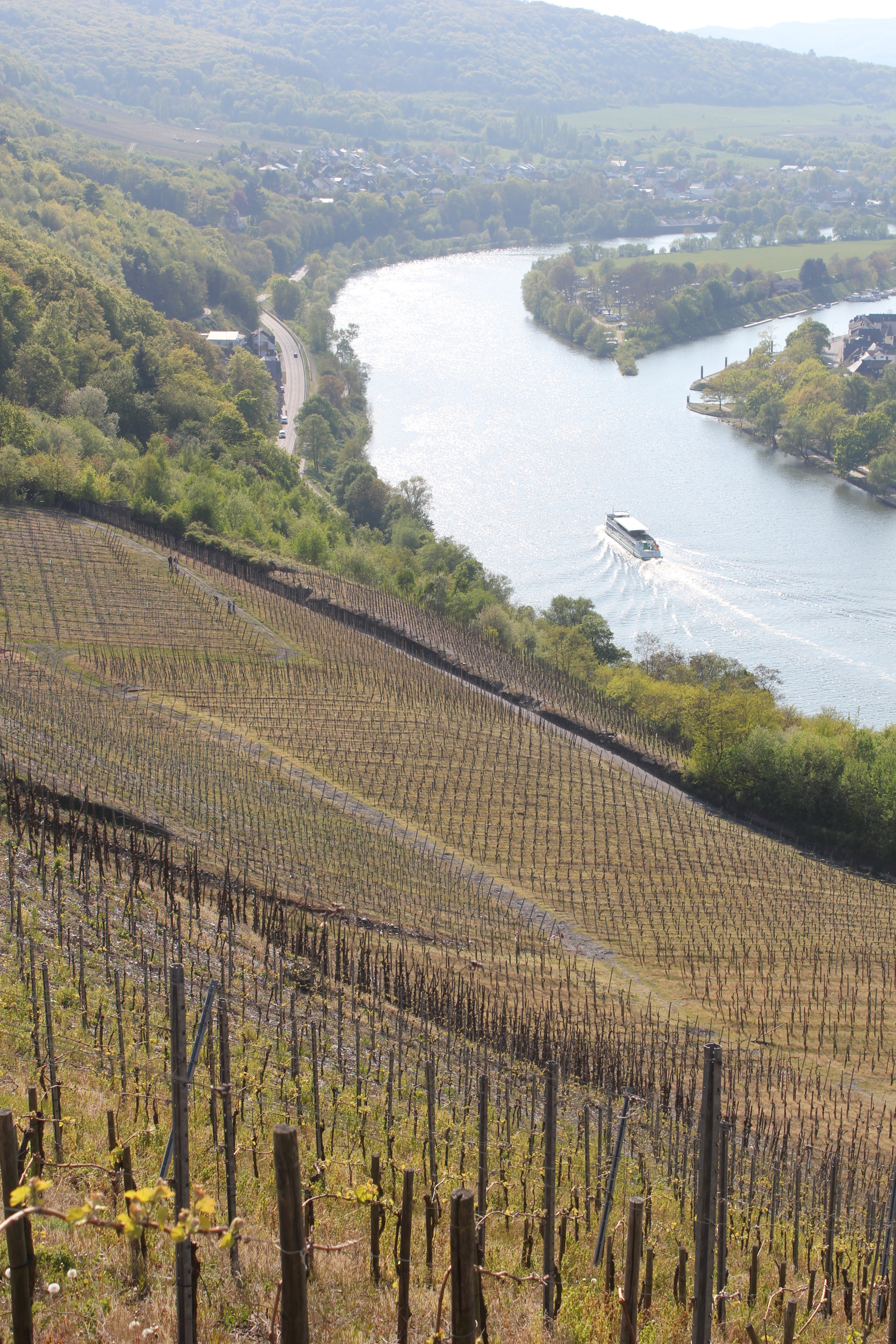
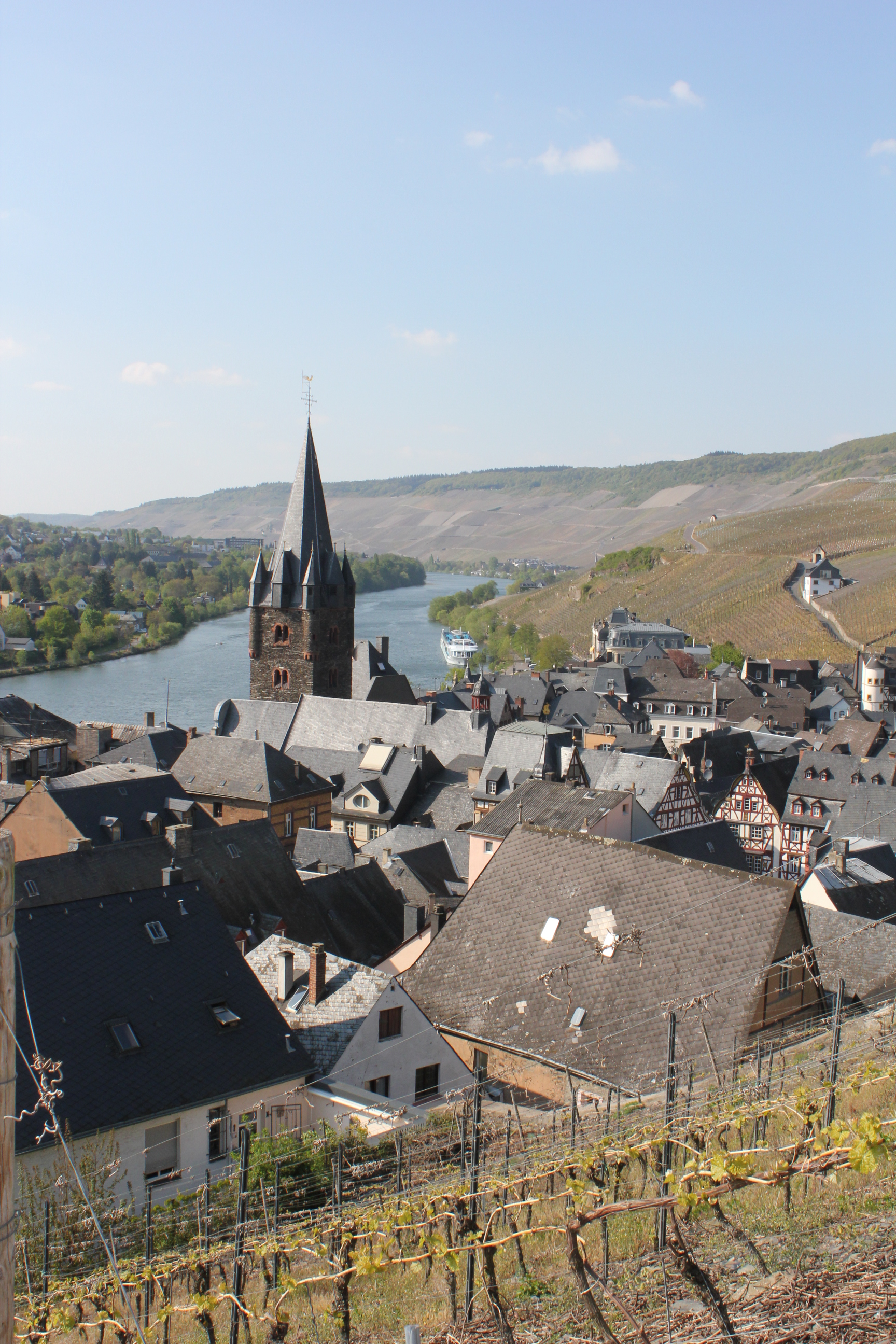
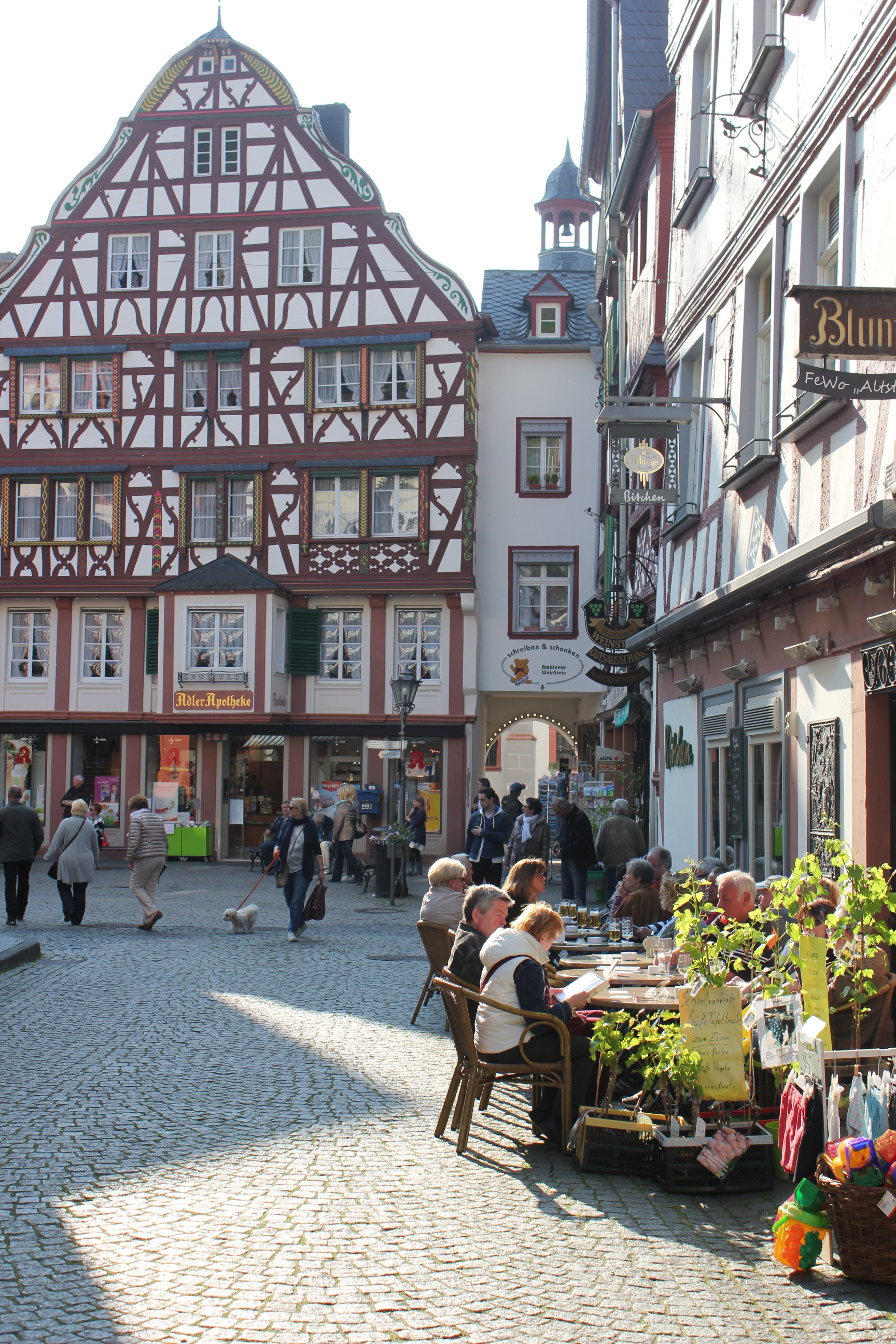
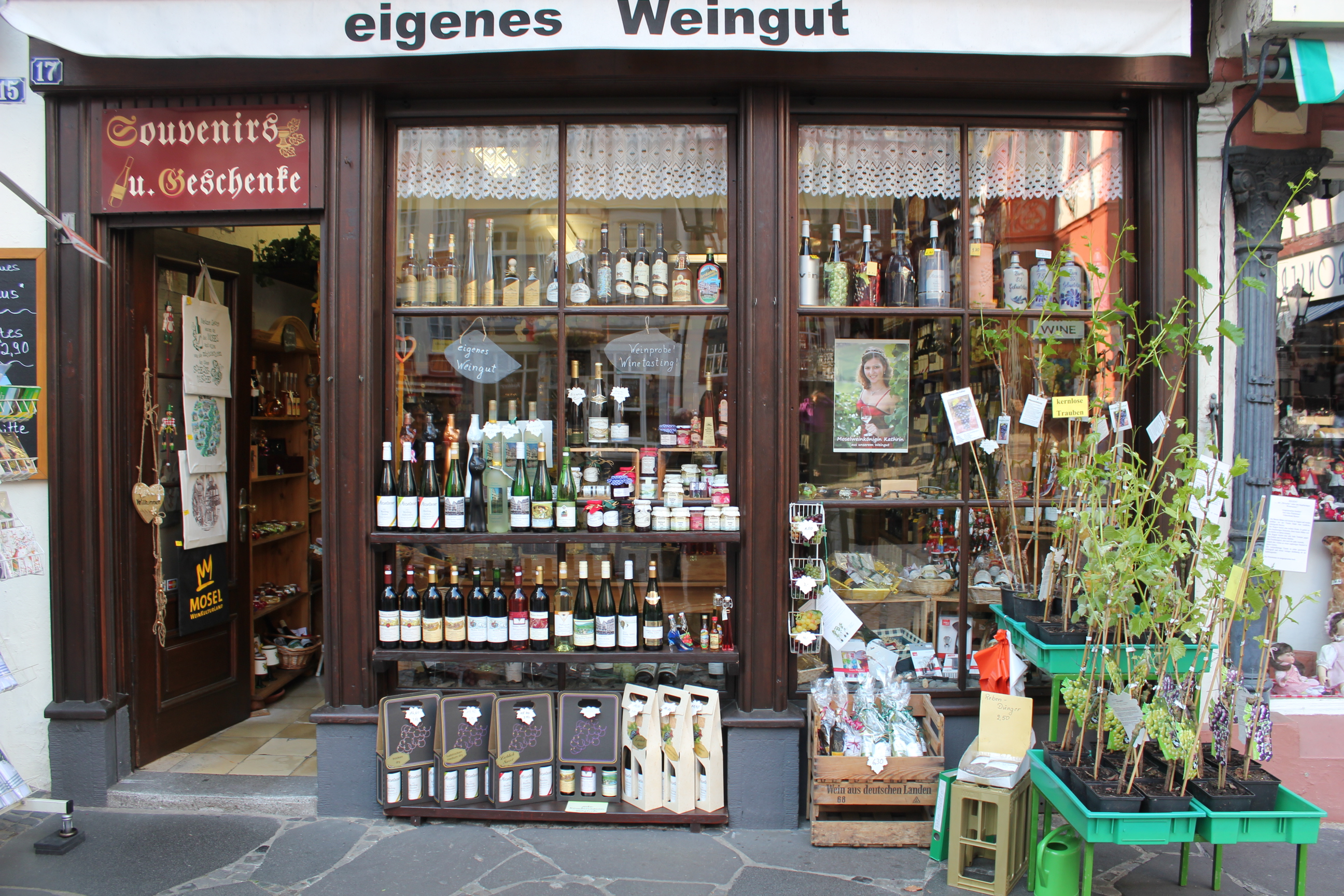
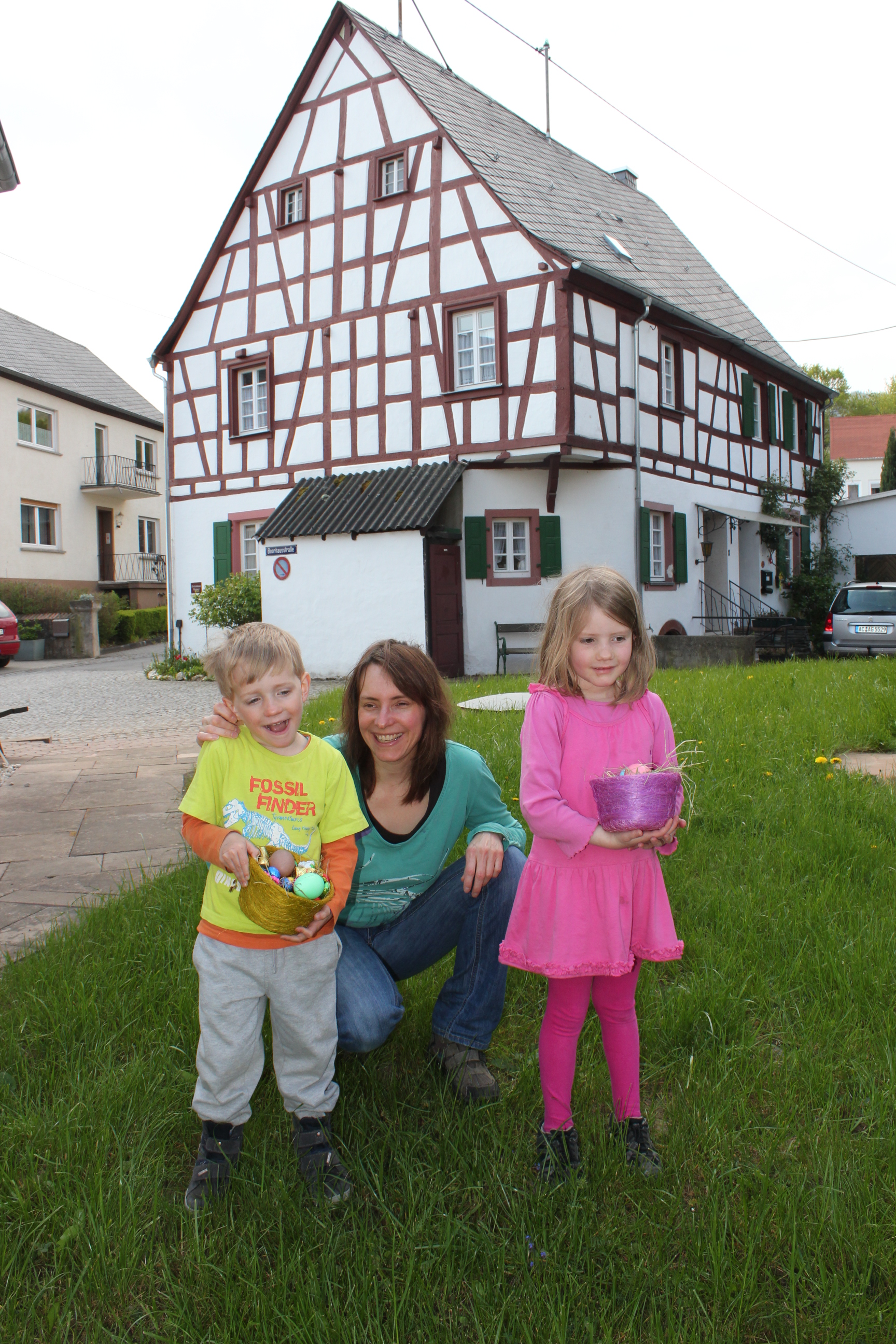
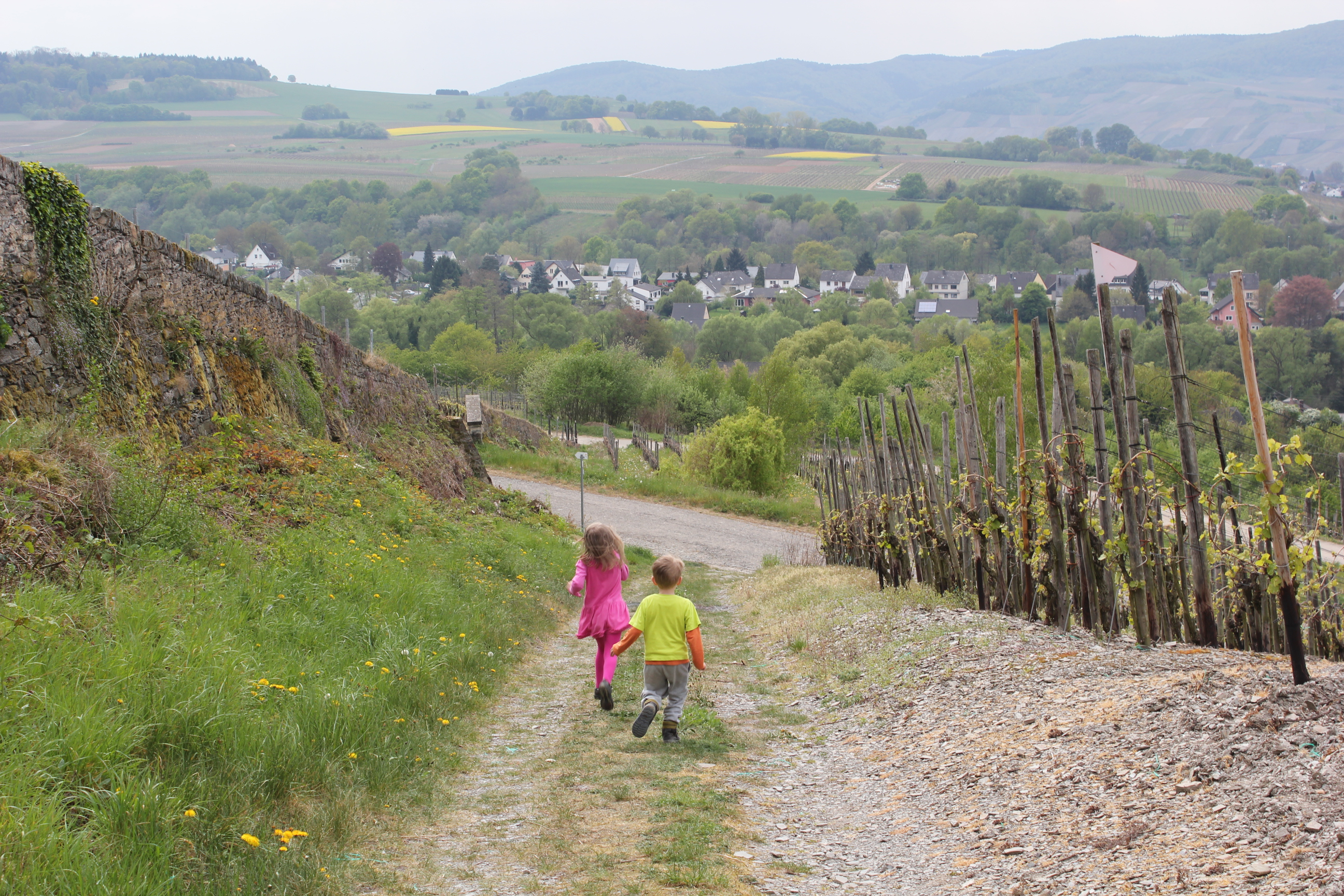
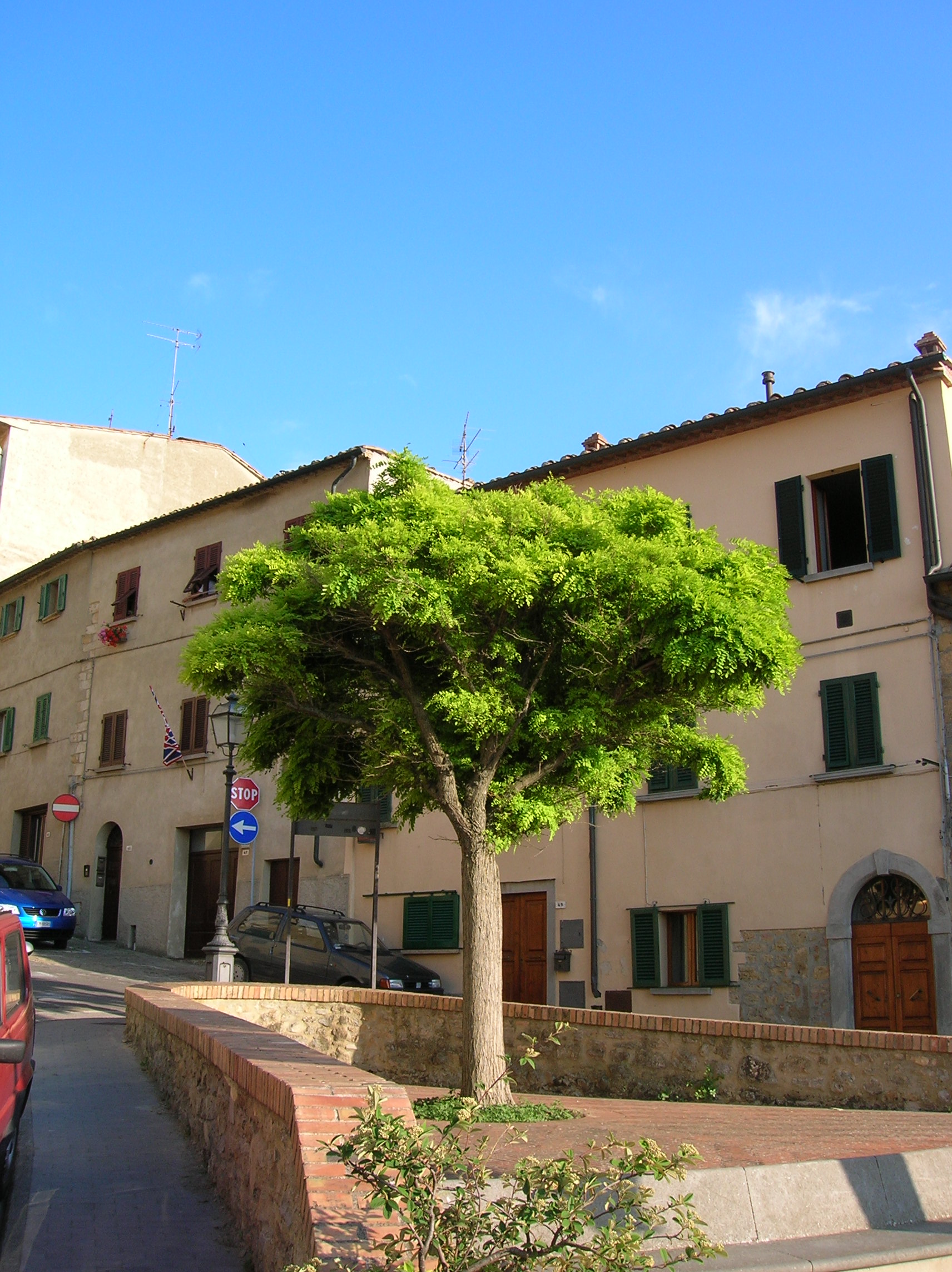
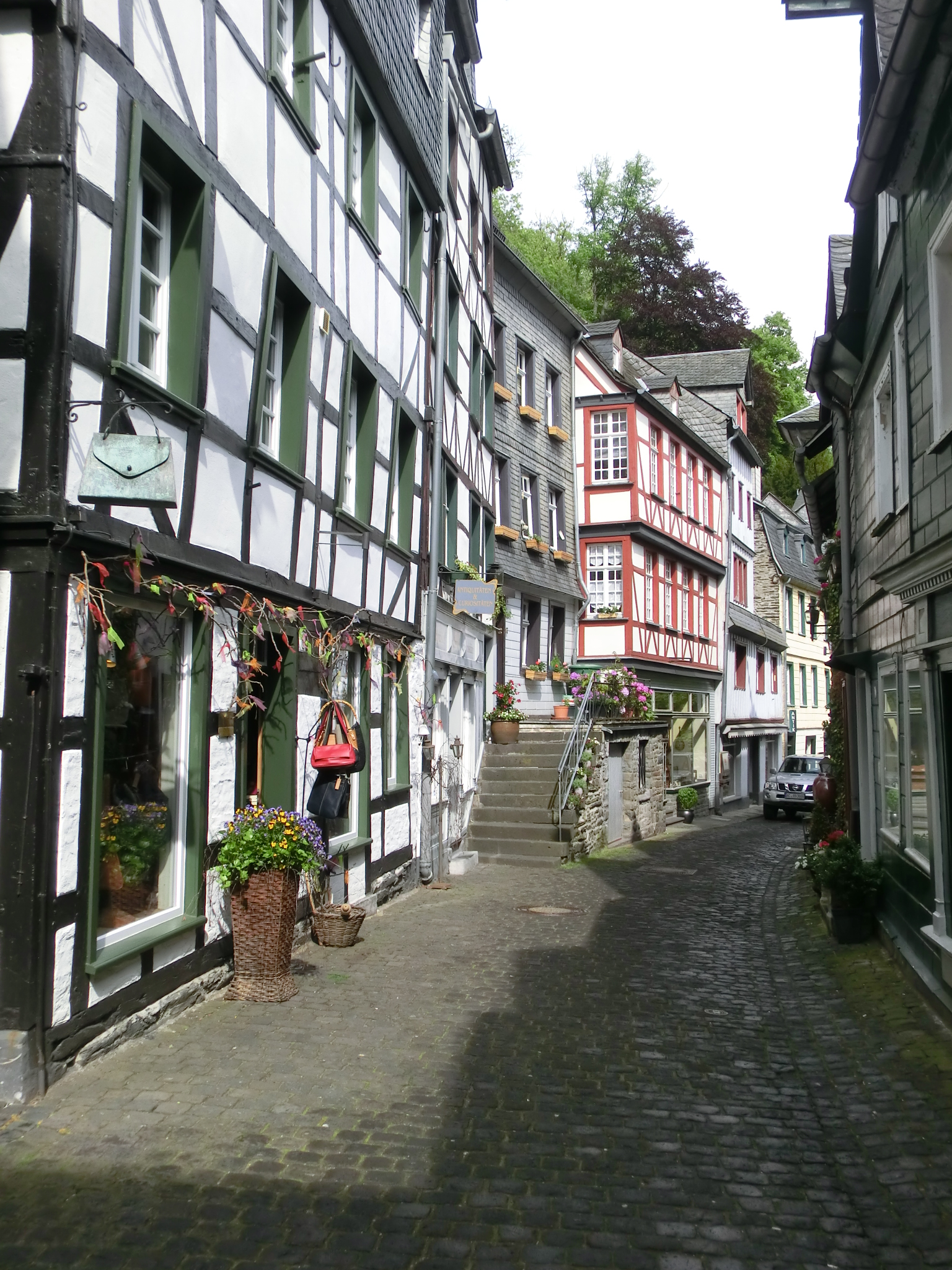
We spent Easter around the little historic wine town of Bernkastel on the middle Moselle. I love the town’s ancient little market place, (very reminiscent of “Trumpton”) along with its winding streets and leaning half-timbered houses. The steep South and SW facing slopes produce some of the region’s finest grapes for quality wines including the famous Bernkastel “Doctor”. The surrounding woodlands and meadows provide great nature spotting opportunities with extensive views over the river valley. We spent a great few days and found lots of interest within just a few square kilometres.

IMG_5518

IMG_5548

IMG_5551

IMG_5579

IMG_5581

IMG_5582

IMG_5588

IMG_5589

IMG_5593

IMG_5623IMG_5684


Posted in History & Culture, In Europe, Trees & Greenspaces, Wild Places | Tagged , , , , , , , , | Leave a comment

The Bluebell Woods

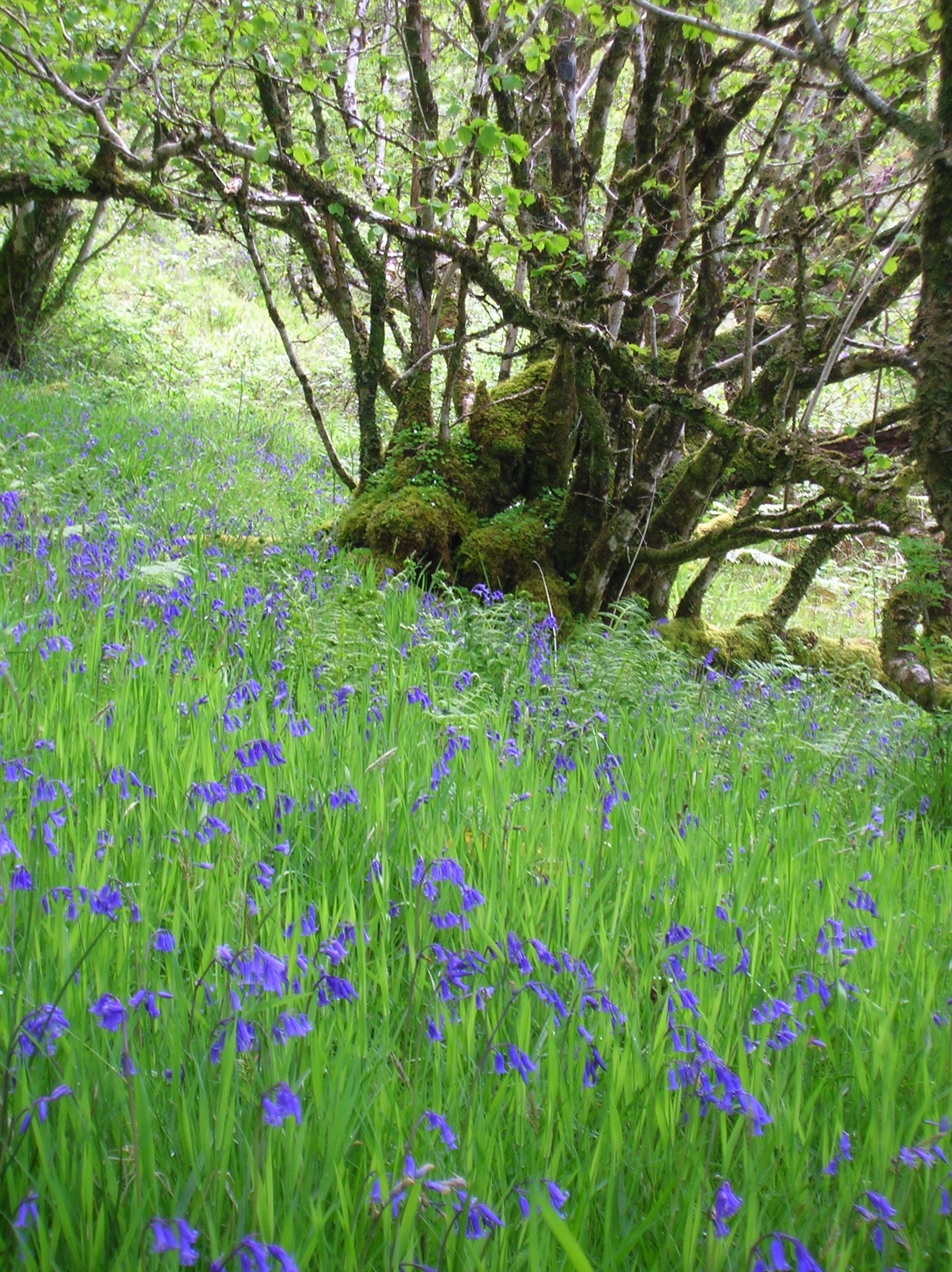
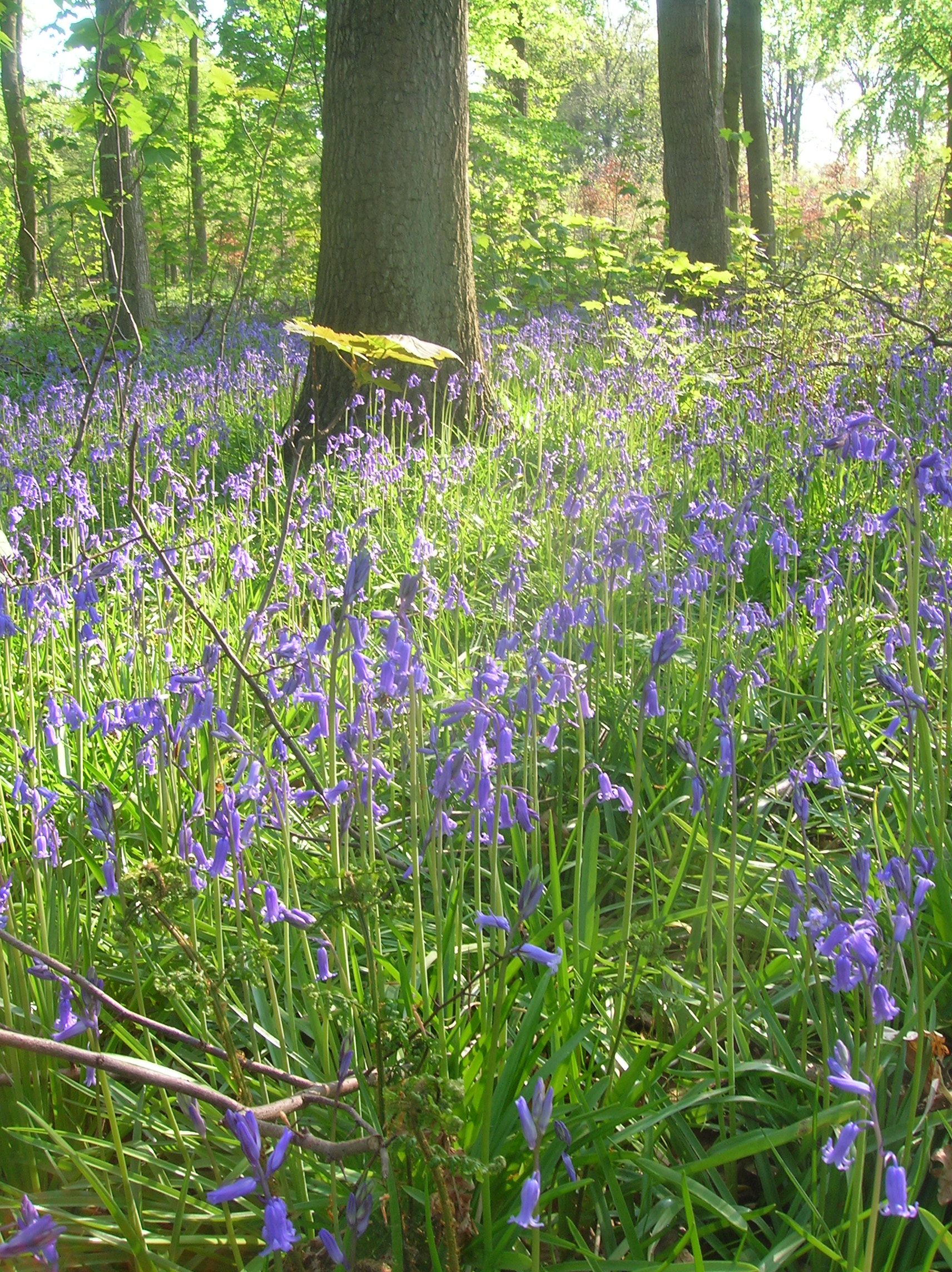
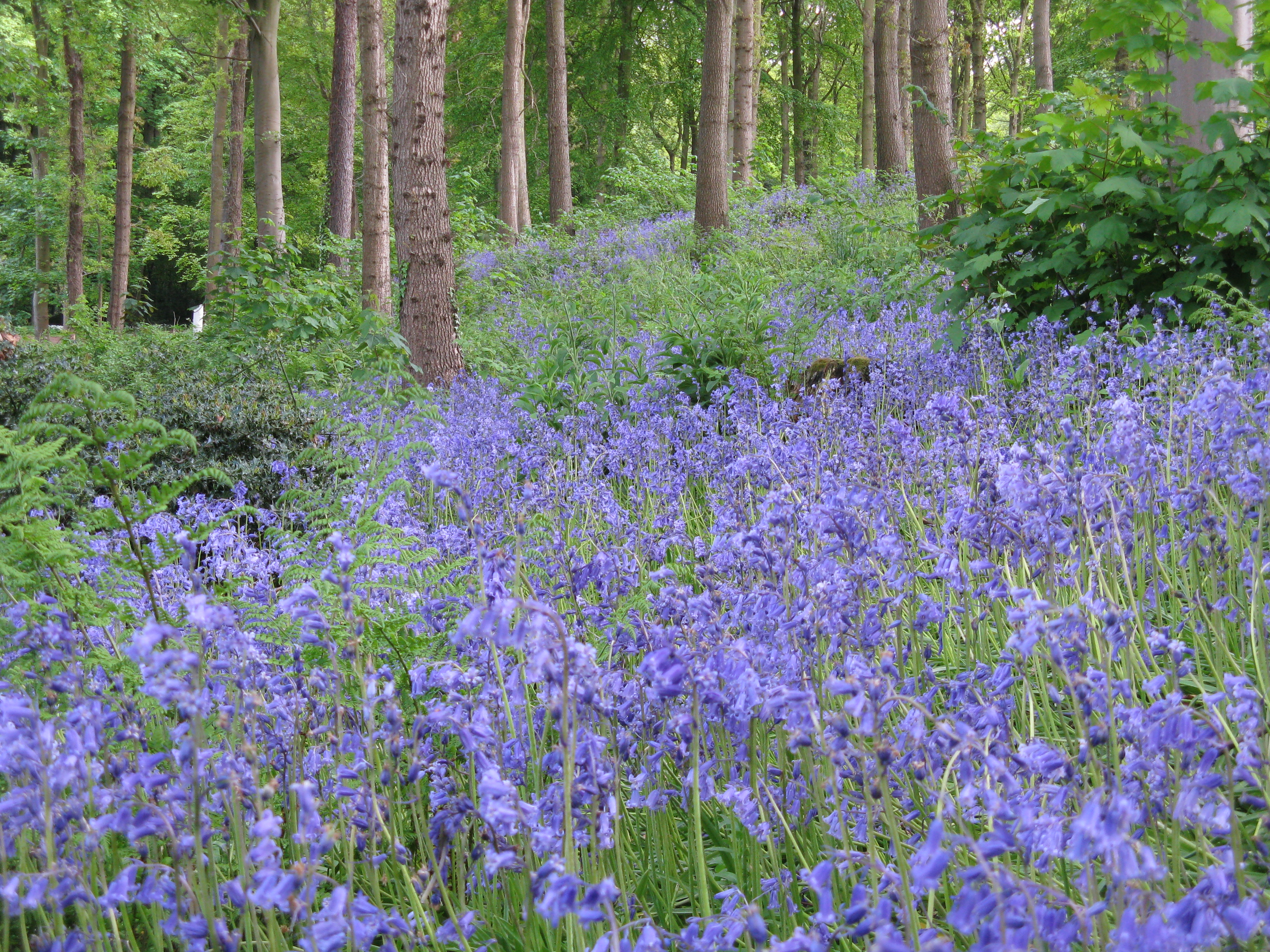
One of the real treasures of the springtime in the British Isles must surely be when the bluebells carpet the floor of our ancient woods. Bluebells (or wild hyacinths) are a feature of woodlands which are virtually unknown in other parts of Europe. During late April or early May, the oak woods burst into colour as the flowers take advantage of the open tree canopy for just a few brief weeks. Often other woodland plants such as wild garlic (ransoms), wood anemones, primroses and wood sorrel can be found growing alongside. Here are some photos taken in Skye and Midlothian.

DSCN1193 DSCN1211 DSCN1214 DSCN3997 DSCN4000 DSCN4002 IMG_1659 IMG_1684 IMG_1686 IMG_1693 IMG_1706

Posted in In Scotland, Trees & Greenspaces, Wild Places | Tagged , , , , , , , , | Leave a comment

Tuscan Towers: Medieval Highrise of San Gimignano

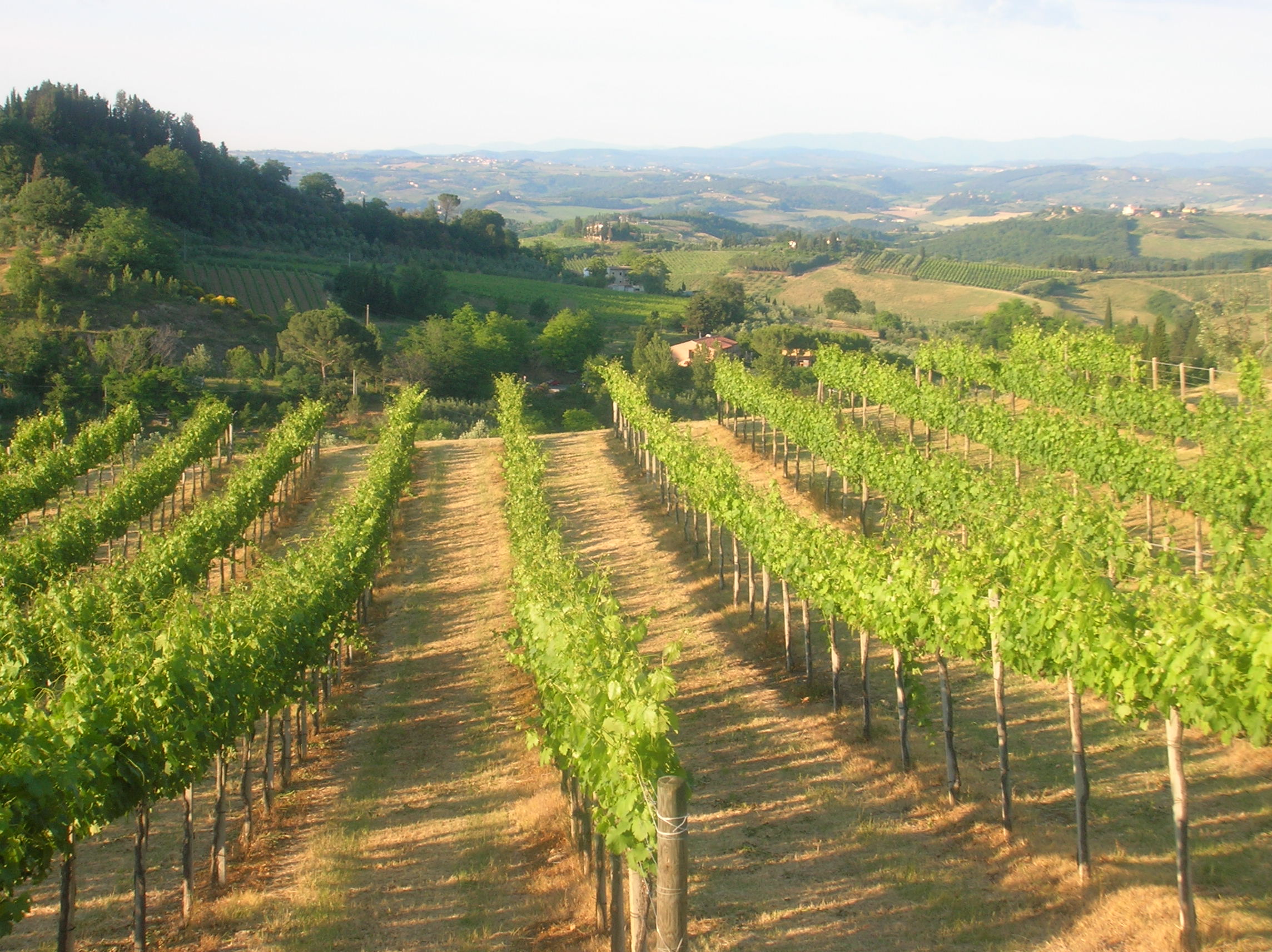
As I surveyed the lush, rolling hills, woods and vineyards of the Tuscan landscape from the medieval hill town of San Gimignano, I couldn’t help but wonder why the Romans ever bothered to head off to invade hostile enclaves and dark forests of Northern Europe. Although seemingly benign, the gently rolling hills of Tuscany conceal a complex underlying story, reflecting turbulent power struggles between competing families down through the ages.

DSCN0108

In a recent article I looked at how modern development is forever changing the skyline of Milan as old districts are levelled to create new skyscrapers; shining glass and steel edifices celebrating corporate wealth and power. In San Gimignano however, this process is nothing new and has indeed been going on since the Middle Ages. The town’s plethora of stone towers is the work of competing dynasties of wealthy merchants who spent much of their time trying to “keep up with the Joneses” by literally building the tallest and best tower.

DSCN0126

Two particular families, the Guelphs and the Ghibellines, became involved in a fierce feud to construct the tallest tower house in the town. By the late Medieval period there were 72 such towers in San up to 70 metres in height. Eventually the council intervened in the feud by specifying that no tower was to be taller than that adjacent to the Palazzo Comunale. The town has fortunately managed to preserve 14 of the original towers. Some of these can be accessed and provide superb vantage points of the town and the sweeping Tuscan landscape.

DSCN0115

The town prospered until 1348 when the Black Death struck, killing half of San Gimignano’s population. The town never quite recovered from this shock, but today has become a popular visitor spot and World Heritage Site due to its unique Medieval legacy.

DSCN0122

The surrounding Tuscan landscape is simply a pleasure to explore and a treasure trove of architectural and cultural artefacts. Fantastic art is to be found in abundance everywhere; in simple houses, churches and, off course, in the landscape itself. In Tuscany there really is something interesting to discover around every corner …

DSCN0091

DSCN0135

DSCN0049

DSCN0053

DSCN0193

DSCN0224

tuscan poppyhouse

Posted in History & Culture, In Europe, Urbanism | Tagged , , , , , , , , , | Leave a comment

In Psychedelic Fields

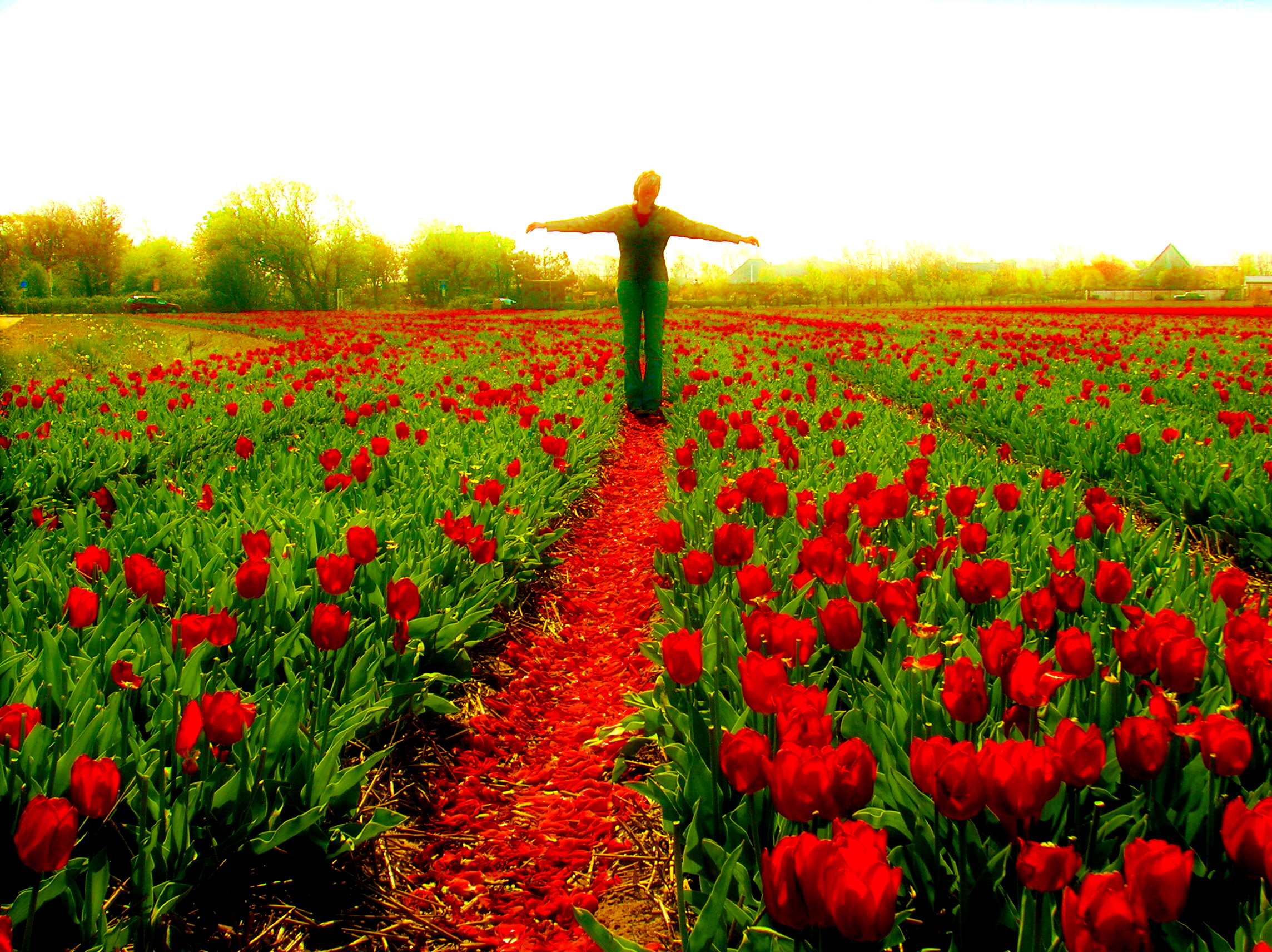
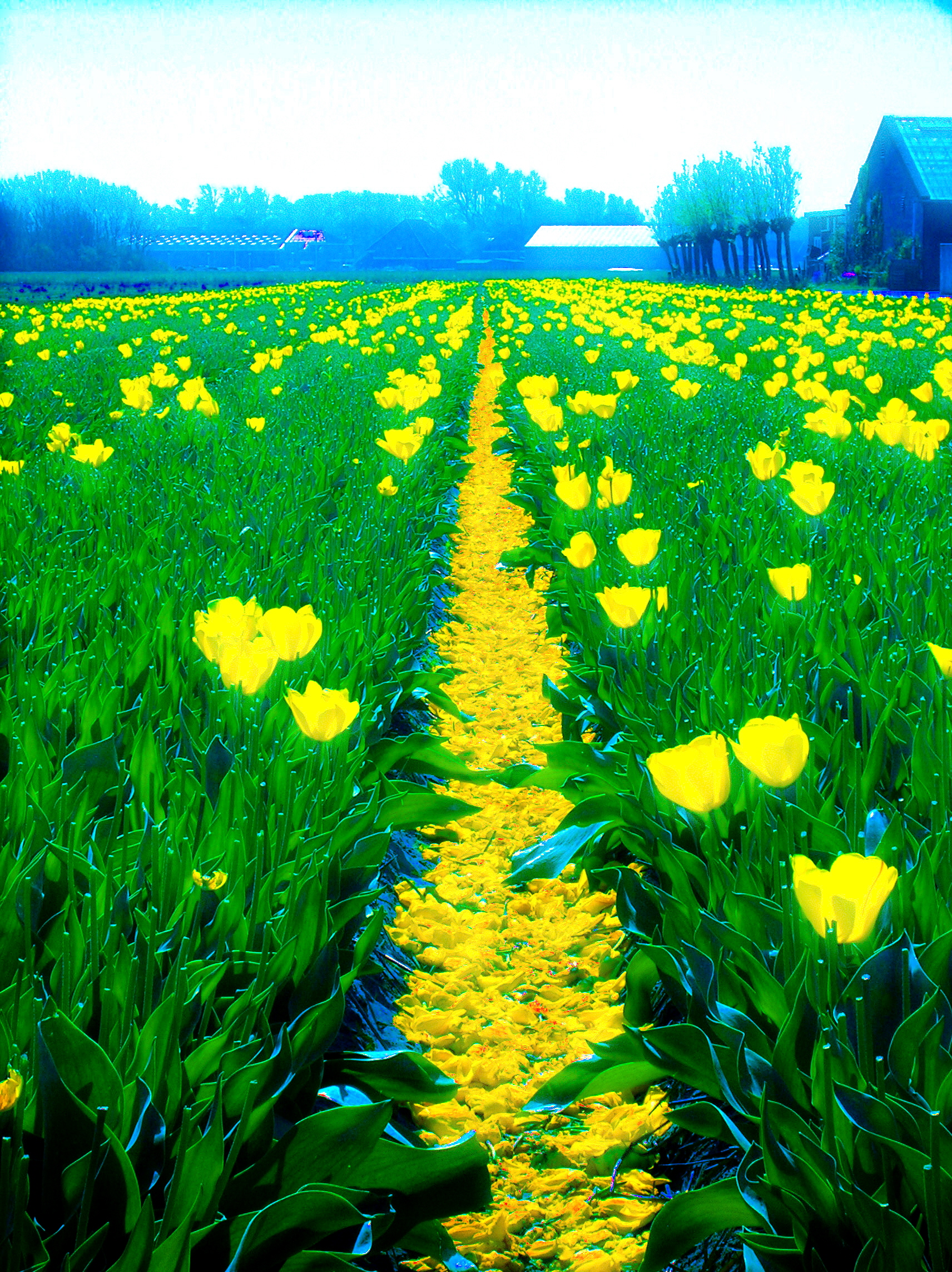
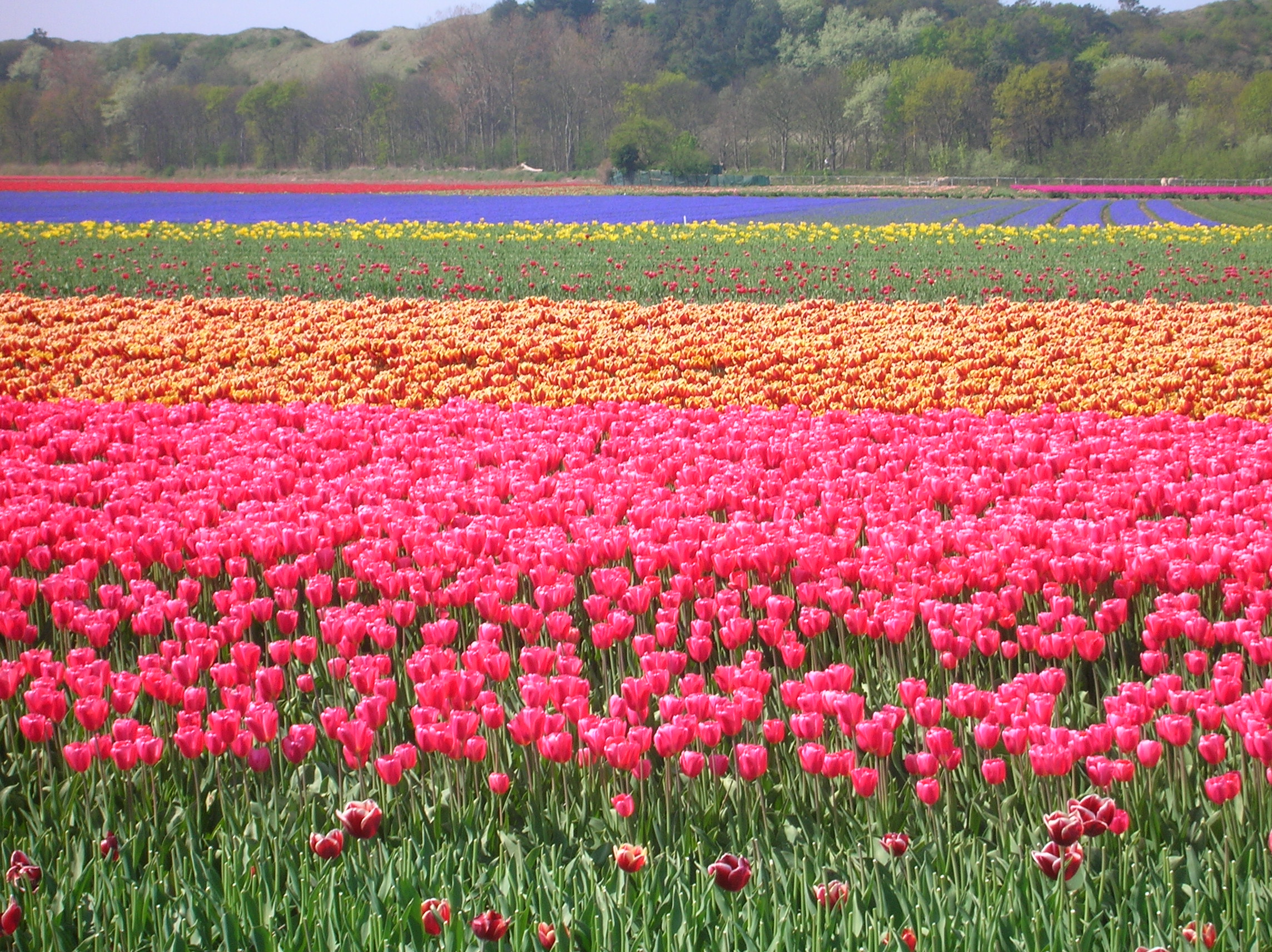
You don’t have to visit coffee shops to enjoy psychedelic experiences in the Netherlands. We visited the Alkmaar area in April to be greeted by stunning displays of colour in the surrounding tulip fields. If this wasn’t enough, I went a little bit crazy with the photo editor programme to see what abstract images and absurd colour schemes I could create. Martina also helped out by posing wonderfully in the tulip fields as a scarecrow…

flowerguardian

DSCN2544

yellow crop

DSCN2536


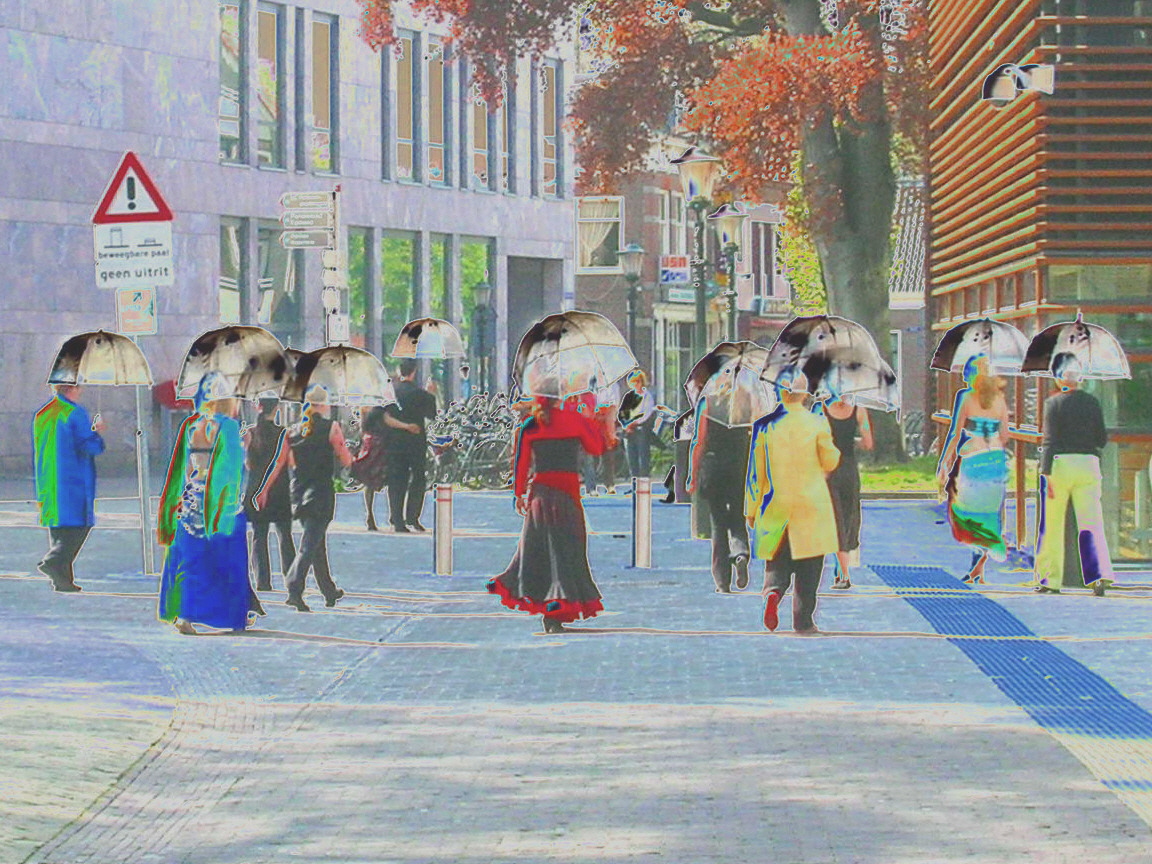
We also came across some rather strange “goings on” in the town of Alkmaar as a group of exotically dressed bohemians, bearing see through plastic umbrellas, converged out of nowhere to provide an impromptu arts performance in the centre of town. We hadn’t the faintest idea what this surreal event was mean’t to be about; however it was certainly a piece of unexpected entertainment (though who the intended audience was, I’m still not quite sure).  The street performance provided some more good raw material for the photo editor programme.

om walk

A final surprise on the Dutch coast near to Alkmaar was to find highland cattle grazing on restored coastal dune systems as part of a habitat management and flood protection system. In an intensively managed and engineered landscape like the Netherlands, it’s great to find areas where nature is still given a chance. The Dutch have been taking this very much to heart and have been developing a network of protected areas into a national ecological network.

And so our short trip to Holland was a somewhat surreal experience indeed and without even a coffee shop in sight…

DSCN2515

Posted in In Europe, Urbanism | Tagged , , , , , , , , | Leave a comment

Spring Woods of the Eifel

Spring really has sprung !  …at least here around Aachen and in the sheltered woods and glens of the Eifel, an upland plateau area which lies between Aachen and the river Mosel. This is a great time of year to be out and about in nature in the region’s extensive forests. I love the succession of textures and colours as trees emerge from their winter sleep to clothe the landscape in a rich, vivid green; flowers come into bloom and pollinating insects and birds get busy about their business.  Here are a few scenes from around the Eifel region which chart the annual progress of spring…

CIMG1845

Willows; from the Vennbahn near Walheim

In the Mosel Valley:

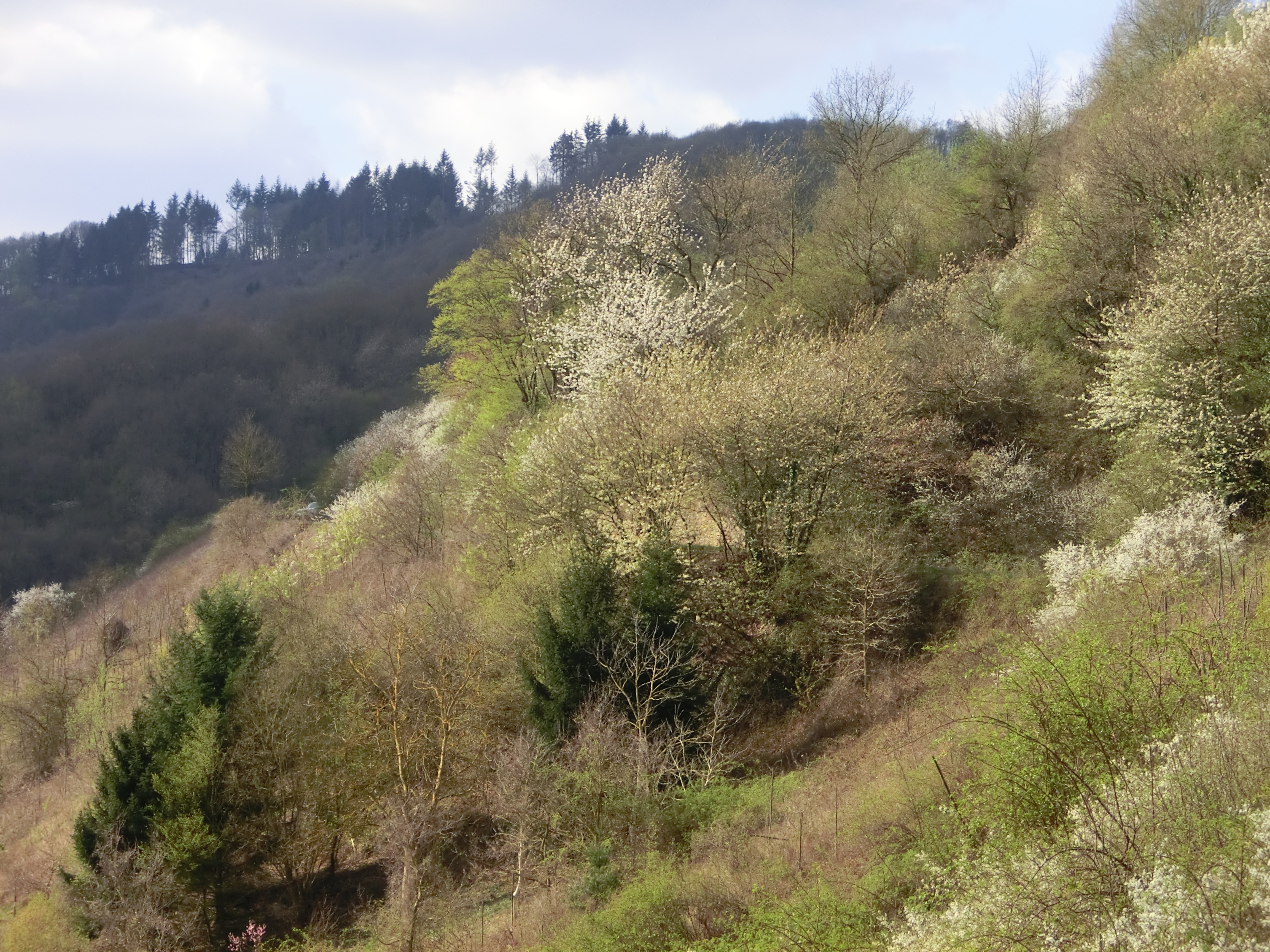
Naturally regenerating scrub woodland of blackthorn, birch, hawthorn and wild cherry adds form and texture to the steep valley slopes once occupied by vineyards. The young woods provide valuable new habitats and echo to the sounds of spring birdsong…

CIMG1722

CIMG1724

Heimbach:

Heimbach is an ancient settlement at the gateway to the Eifel National Park. From the vantage point of the restored castle keep, there are great views out across the valley of the river Ruhr. The rich canvas of trees and meadows, complemented by cherry blossom perfectly compliments the riverside scene. Great for a spring walk along the river and through the woods…

CIMG5002

CIMG4975

CIMG5000

CIMG4961

CIMG5003

CIMG4979

Into the Greenwood:

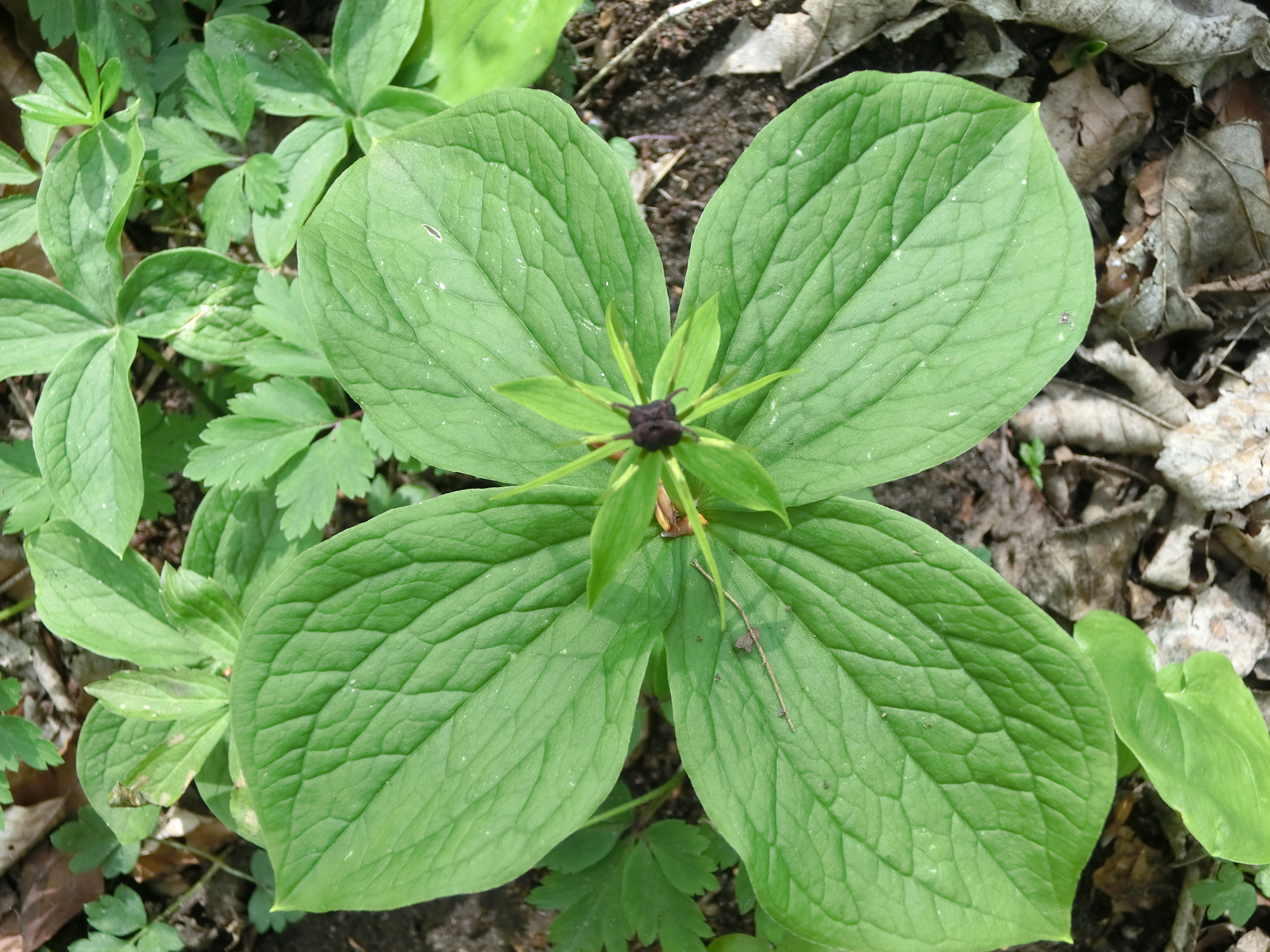
The forests of the Eifel comprise predominately beech and oak with extensive areas of conifer plantations. Before the dense tree canopy closes, ancient woodland flowers such as wood anemone and lesser celandine, take advantage of the light to provide a spectacular display on the forest floor. Rarities such as the elusive herb paris can also be found later in the season, lurking on lime rich soils underneath the tree canopy…

CIMG5029

CIMG5030

CIMG5024

CIMG1900

CIMG1903

CIMG1891

CIMG1908

In Monschau:

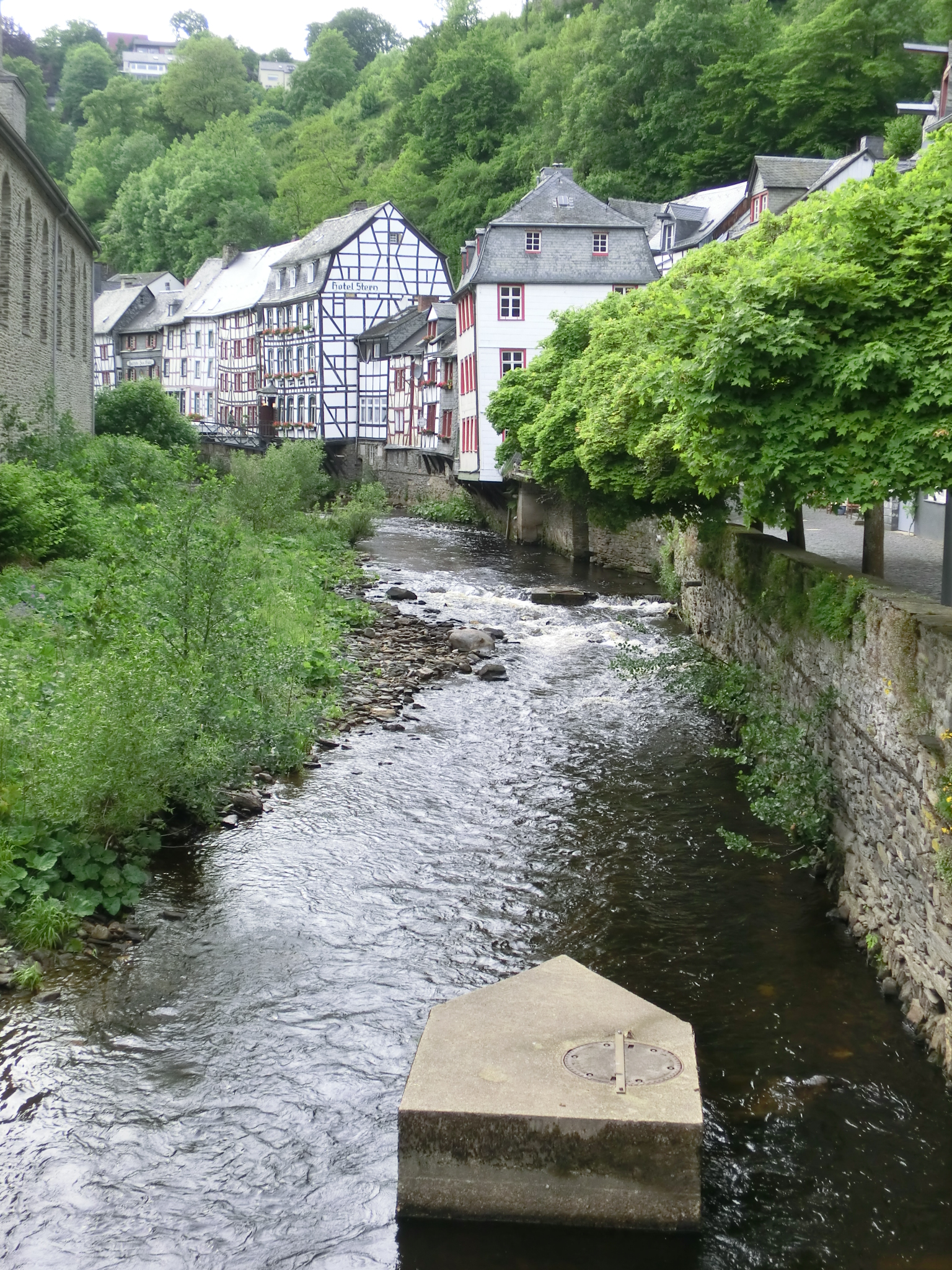
The picture-postcard village of Monschau, tucked away in a hidden valley in the North Eifel is a popular destination for weekend day trippers. On a weekday however, you’ll have the streets of the historic textile village largely to yourself. The amazing black and white weavers cottages with their ancient timber frame construction and slate roofs provide great insights into traditional local construction techniques using the Eifel’s extensive natural resources of timber and stone. You’ll also encounter some colourful and eye-catching pieces of art around the village…

CIMG5454

CIMG5455

CIMG5474

CIMG5475

CIMG5457

Off to the Sawmill:

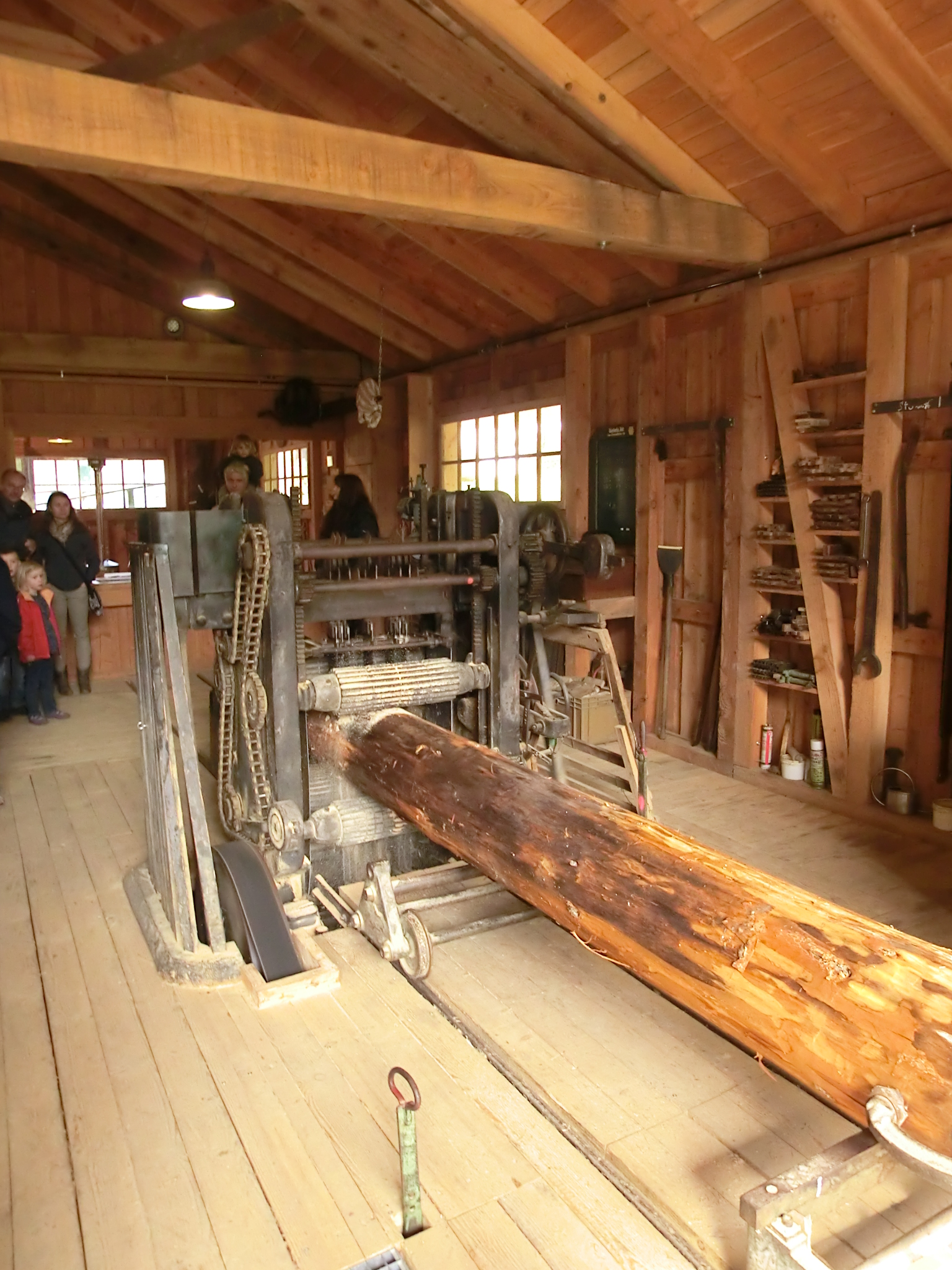
At Am Forsthaus by Zweifall is fully functioning restored sawmill, of a kind once common in the Eifel region. The mill is operating on certain days of the month and it’s possible to have a good look, close up, at the techniques used by foresters in years gone by. Outside the mill is the “longest bench in the world” made from one enormous single stem of Douglas Fir. Across the road is a rather more modern sawmill showing that wood products are still very much a major component of the local economy…

CIMG4900

CIMG4887

CIMG4893

CIMG4898

CIMG4907

Posted in Aachen & Euregio, History & Culture, In Europe, Trees & Greenspaces, Wild Places | Tagged , , , , , , , , , , , , , | Leave a comment

In the Allgäu Alps

CIMG0605

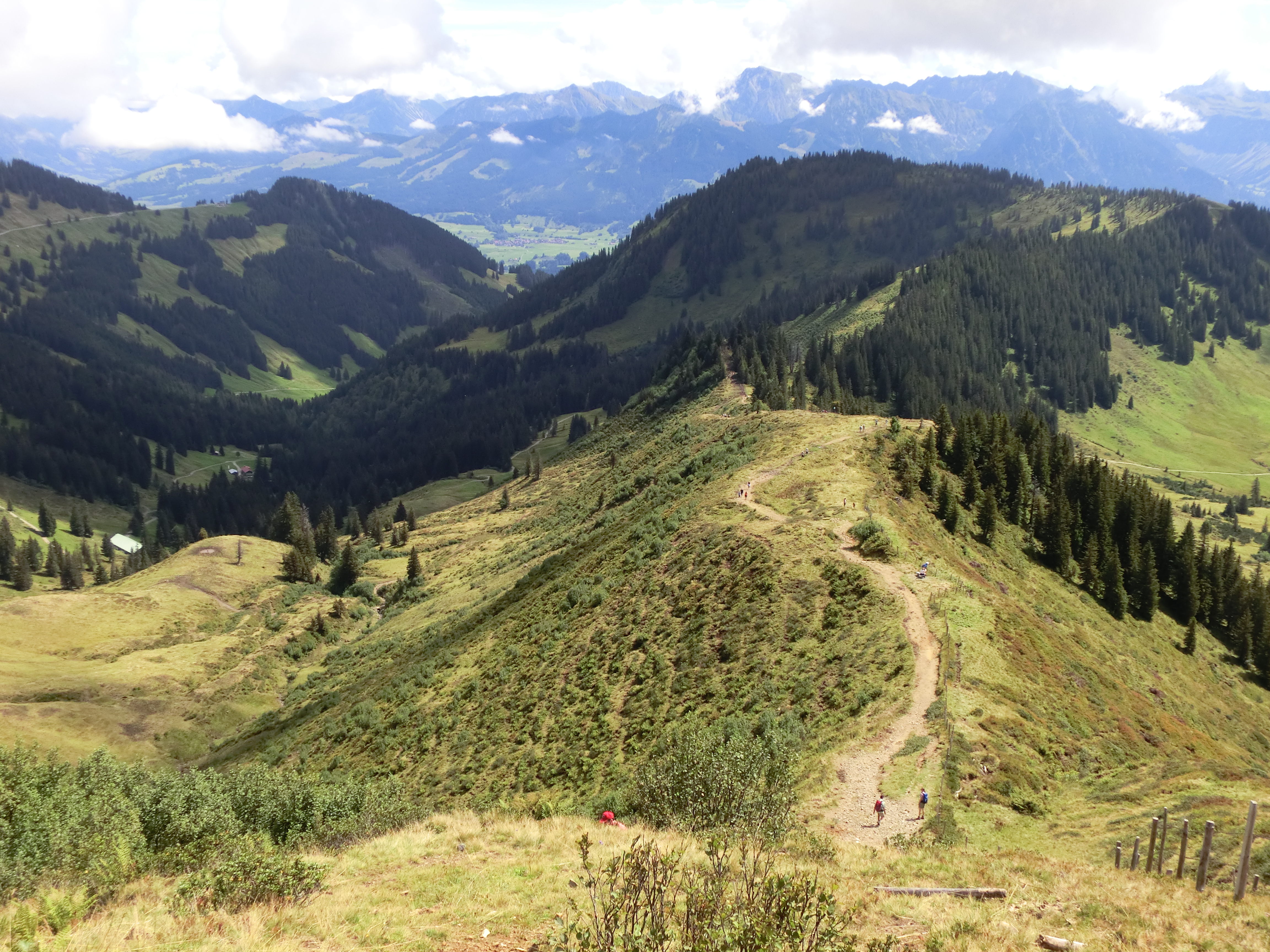
Green Hills; the vibrant pastures of the Iller Valley near Obersdorf

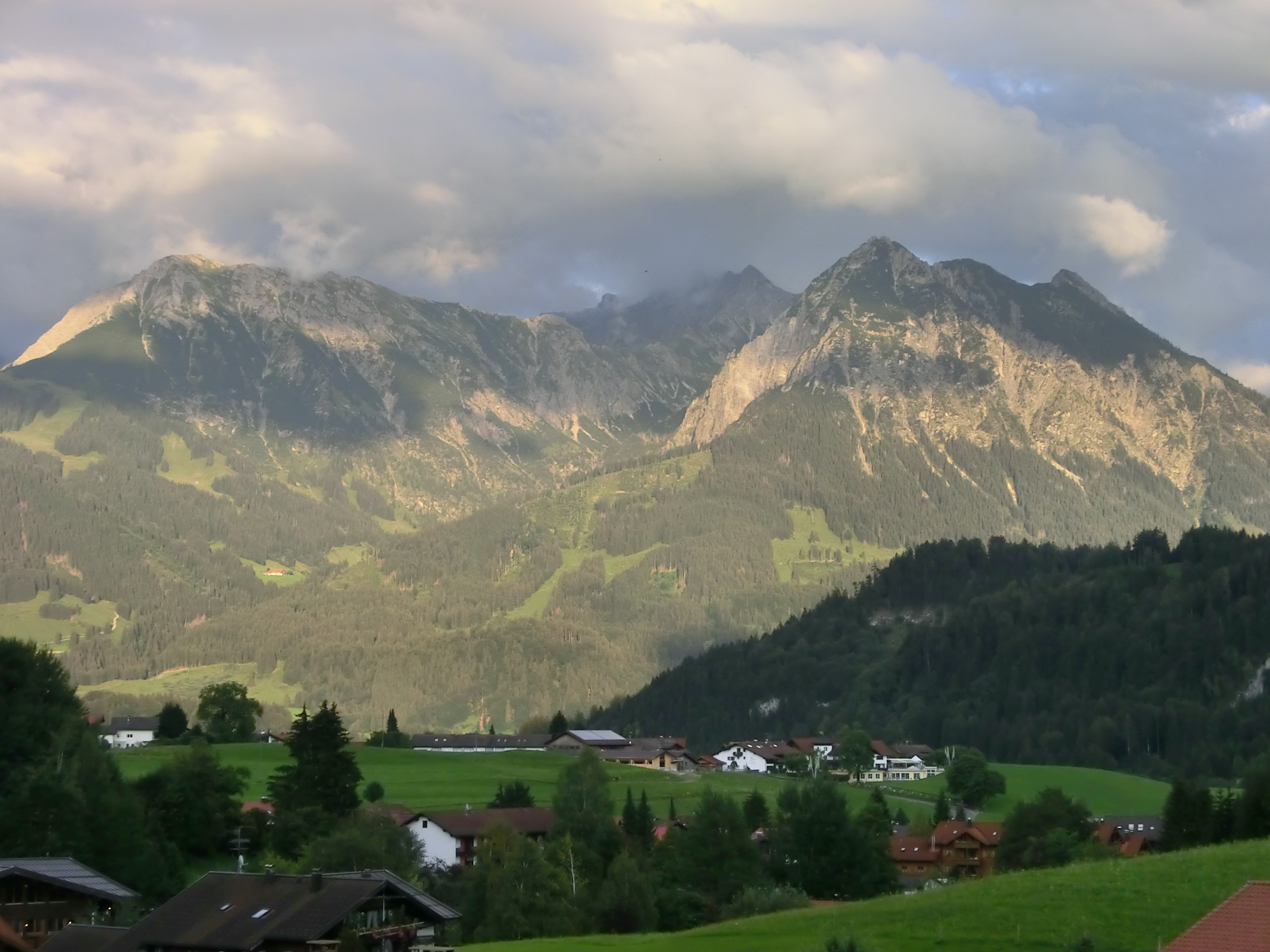
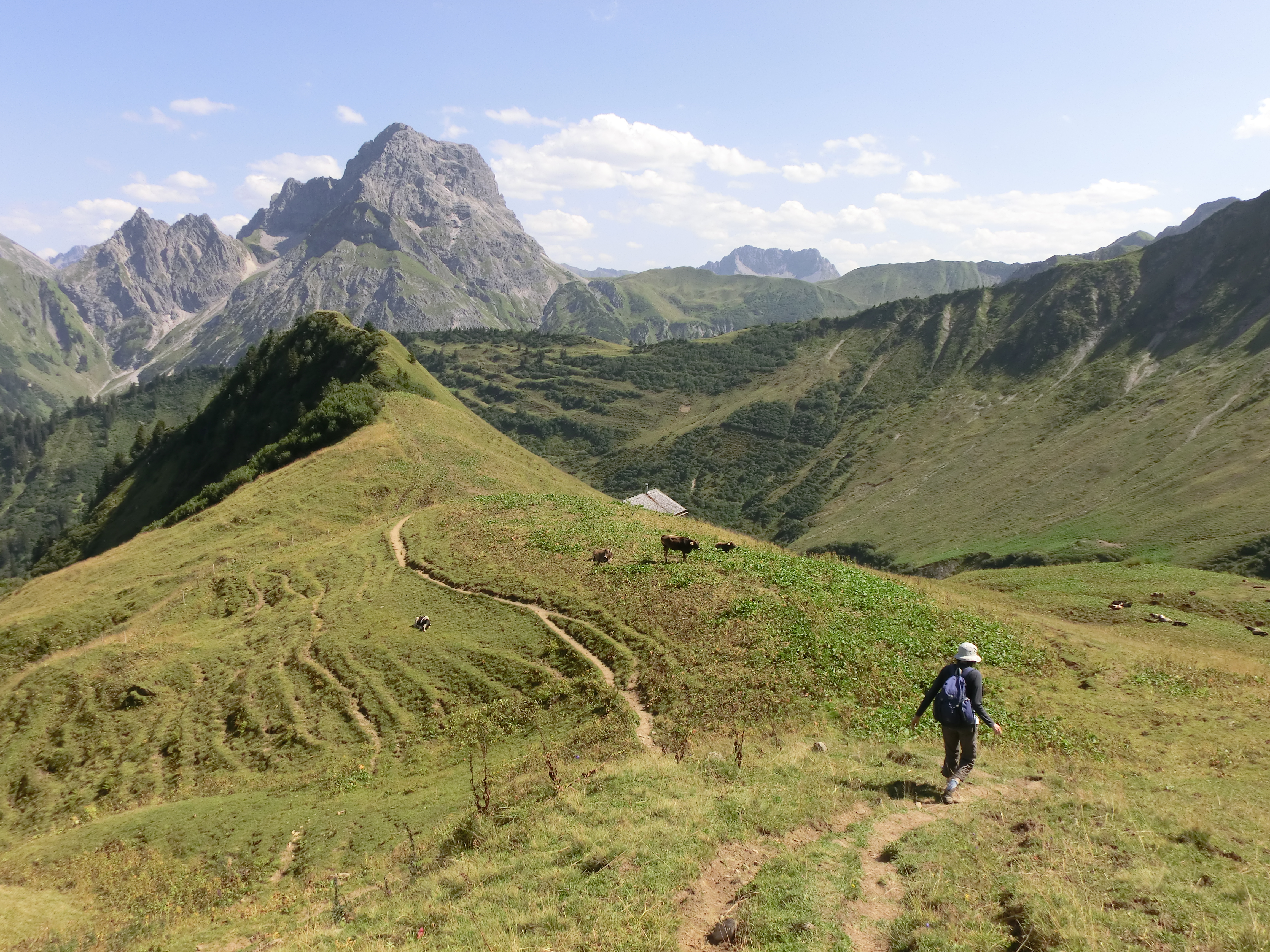
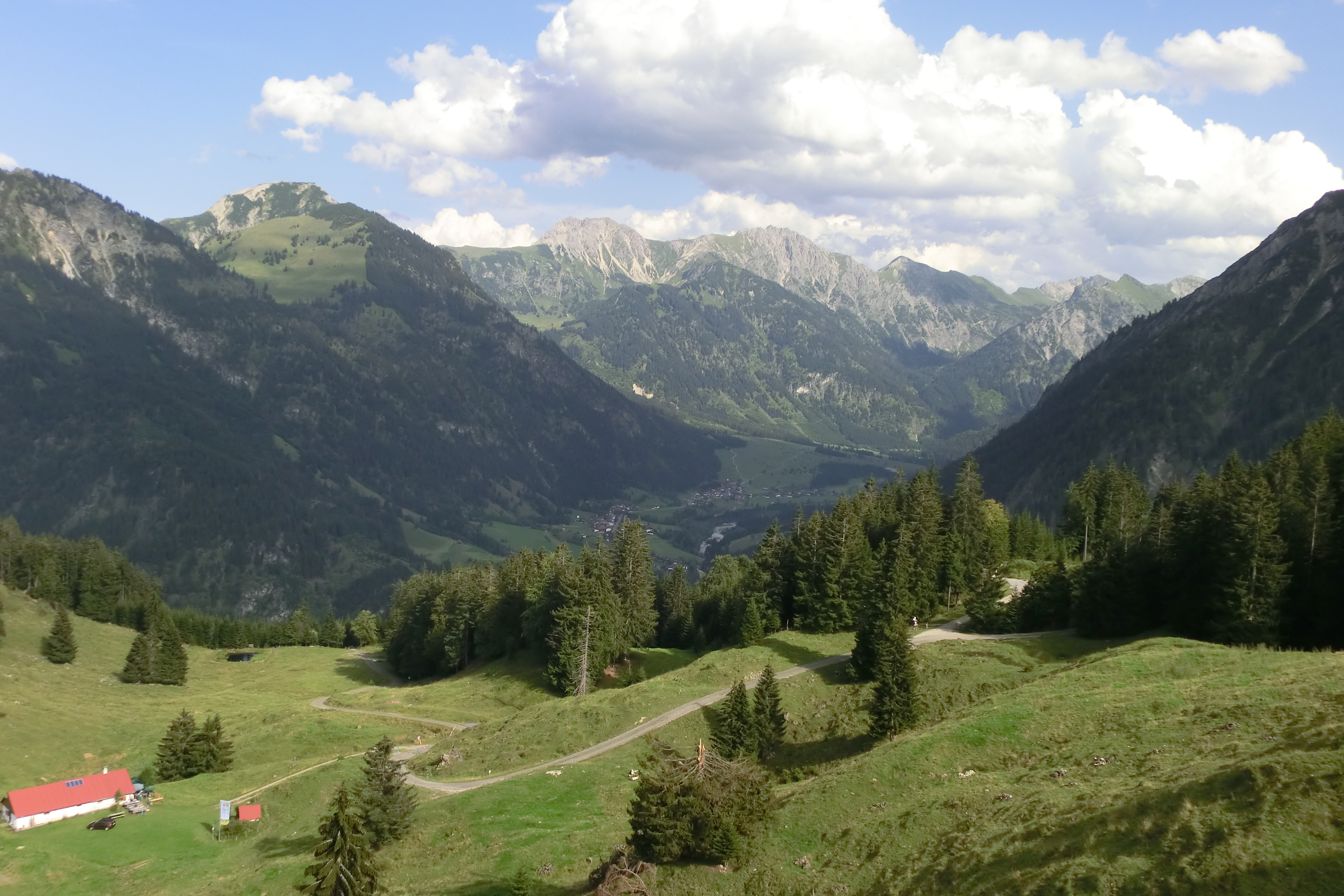
Whilst very popular with German holidaymakers, the Allgäu region by Obersdorf in SW Bavaria, is virtually unknown territory to British visitors, who instead head off in droves to “bigger name” alpine resorts such as Chamonix, Grindlewald and St Moritz (perhaps pausing briefly en route to visit Ludwig II’s famous fairytale castle at nearby Neuschwanstein). However, the attractions of this corner of the alps with its vibrant green meadows, broad valleys and colourful towns, set against a dramatic background of alpine peaks, fully justifies a detour; making it all the more hard to understand why a British vehicle registration plate is so seldom seen in this neck of the woods.

CIMG0514

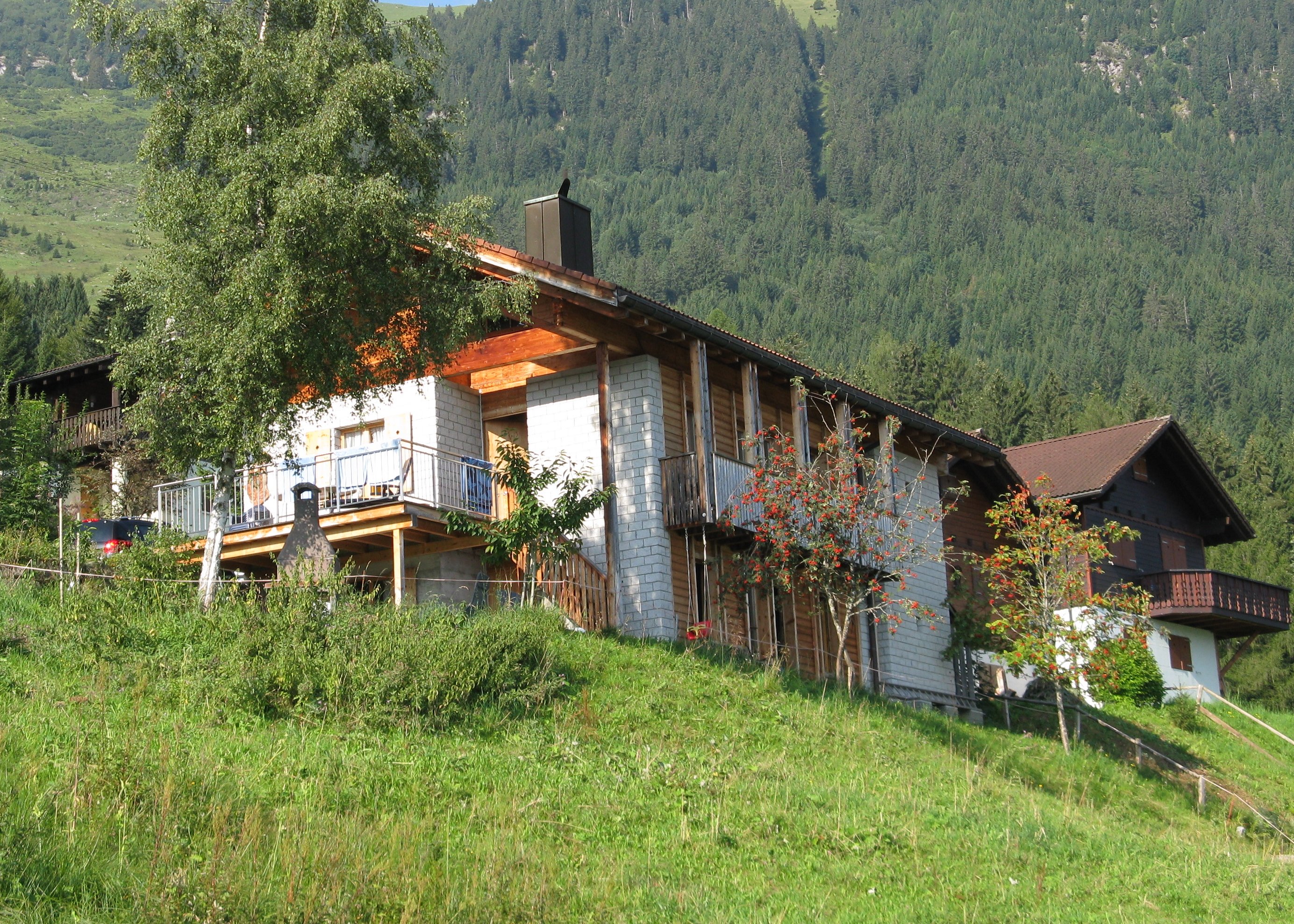
House in the woods; rustic accommodation in Obermaiselstein

I got to know the Allgäu after my move to Aachen three years ago and was very impressed by this remarkably sunny and welcoming corner of the Bavarian Alps. I stayed with my family in the village of Obermaiselstein, one of the five so called Hörnerdorfer in the Illertal valley just north of Obersdorf, Germany’s most Southern town.  When we visited, most of Northern Europe was permanently shrouded in cloud and  unrelenting summer monsoon rains. By contrast, we basked under clear blue skies and temperatures every day which climbed up to 35 degrees C (a little too hot for a Scotsman); until the very last day when amazingly the temperature dropped by a staggering 25 degrees C and fresh snow appeared on the mountains !

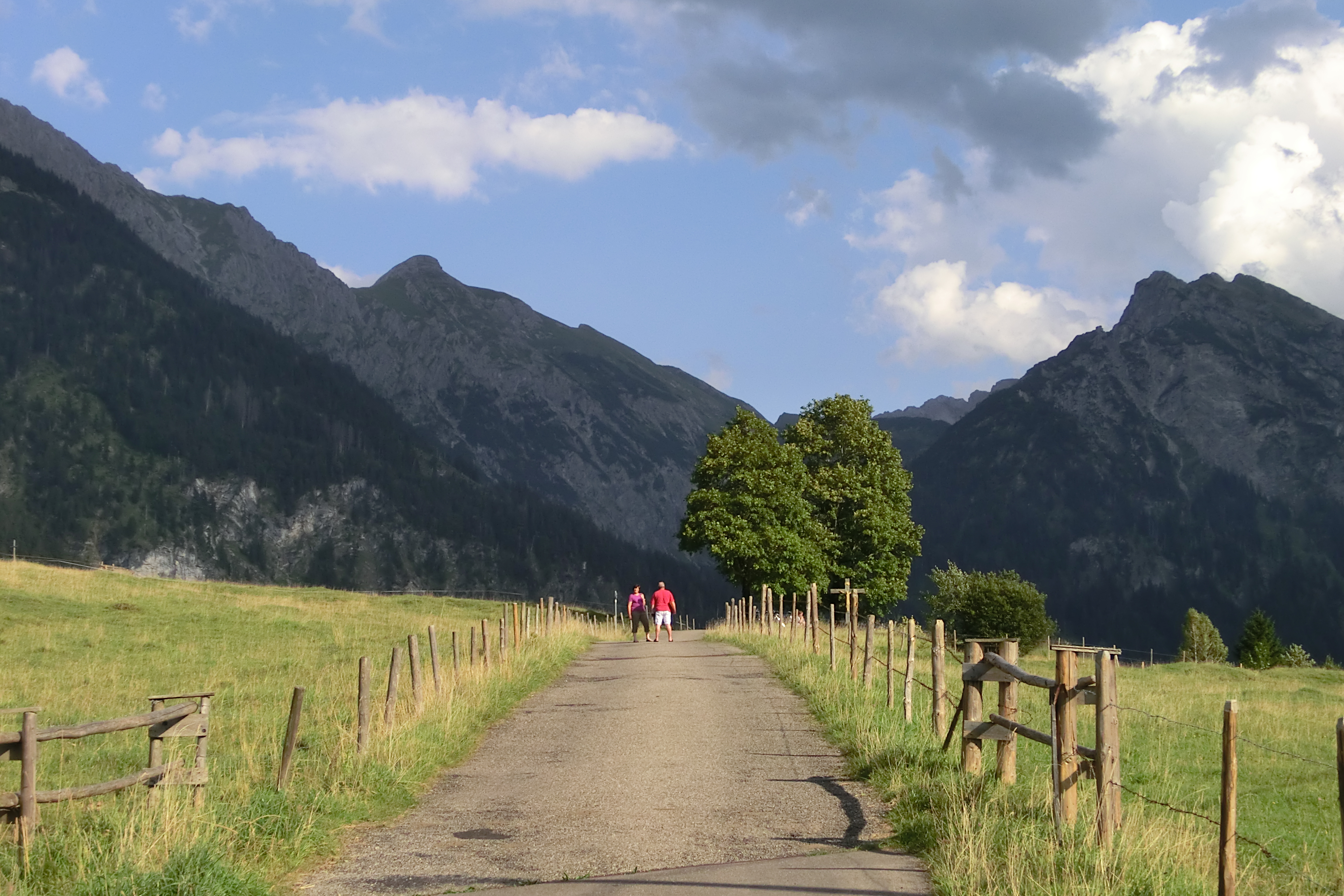
Obersdorf, itself, is a bit of a cul-de-sac and is cut off from neighbouring Tyrol by a ring of lofty alpine peaks, which could account for its lack of foreign visitors. The main valley can become pretty crowded at peak times, as everyone heads of for holidays during the same few weeks in August. Even then, however, its easy to lose the crowds, who tend to hang out around the same old tourist spots; with a little effort and imagination you can easily discover delightful villages and alpine trails in relative and uncluttered solitude.

CIMG0567

Evening light on the Nebelhorn

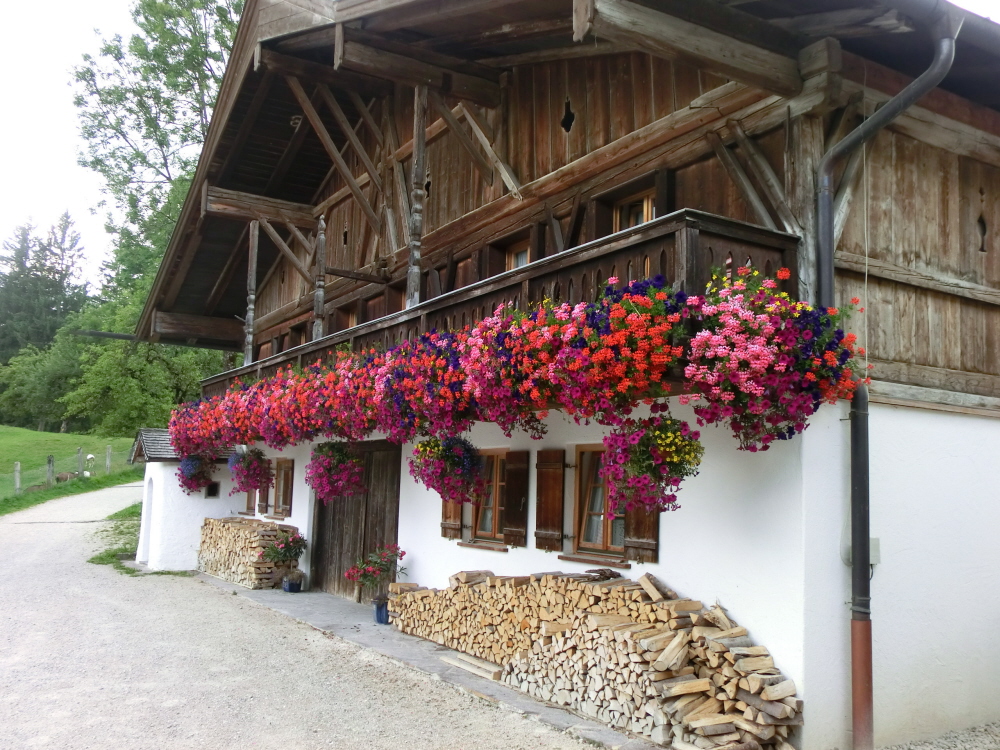
Like most places in Southern Bavaria (Oberbayen), Obermaiselstein, is set in a picture postcard location; overlooking the renowned peak of the Nebelhorn, with attractive wooden houses, in traditional Bavarian-style, which climb up the valley slides to the forested slopes and meadows above the village. What I love about this corner of Bavaria is the quality of craftsmenship in building construction and the sense of pride local people have in keeping their surroundings looking attractive. Everything seems to be well looked after here, but not in a clinical or superficial way; settlements and agriculture blend perfectly with the mountain backdrop, just like it’s always intended to have been that way.

CIMG0713

The laidback Hörnerbahn provides quick access to the Weiherkopf peak above Bolsterlang

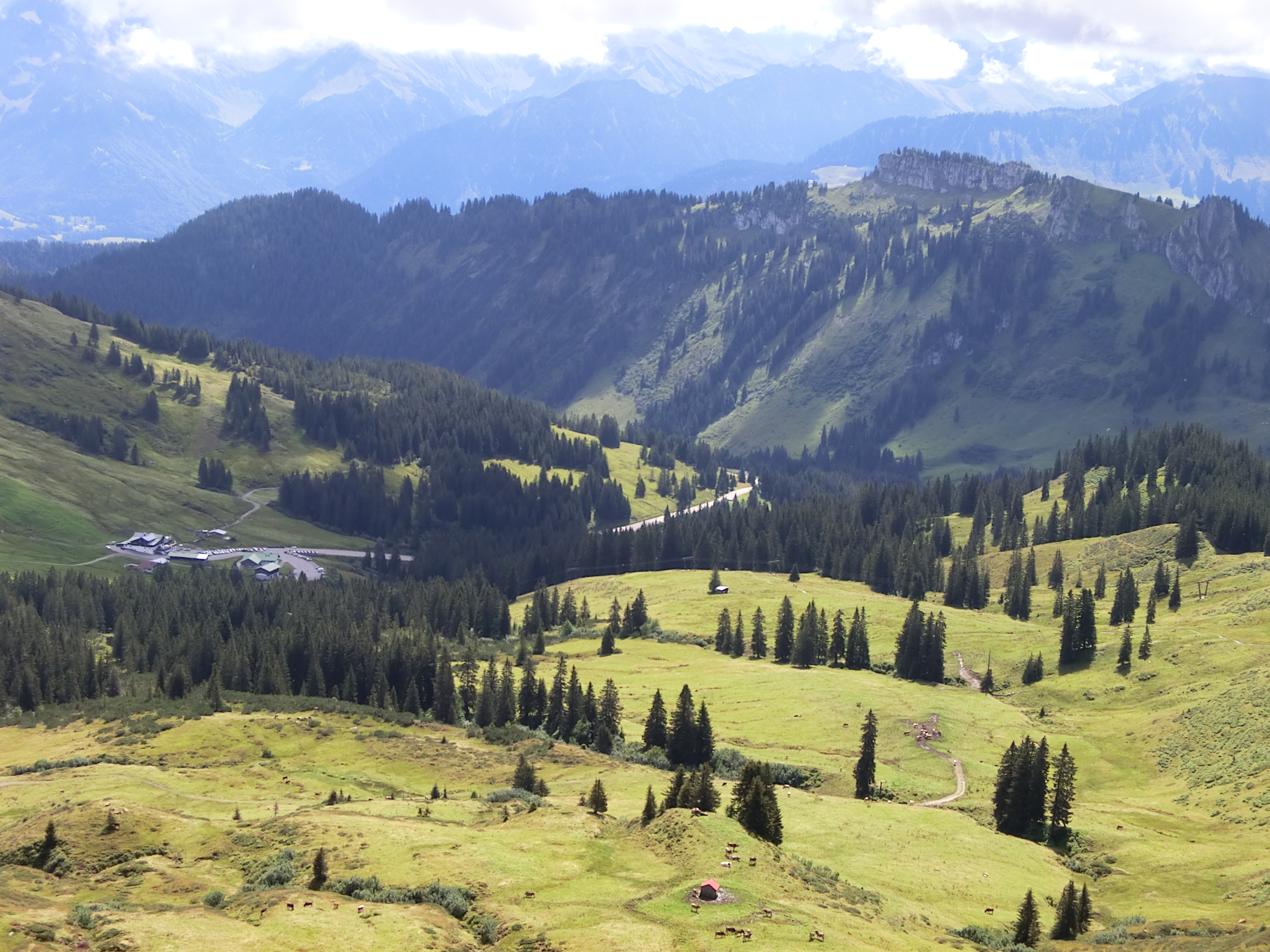
Behind Obermaiselstein, its just a stone’s throw to quiet hamlet of Bolsterlang where the laidback Hörnerbahn gondola gently glides visitors up the slopes of  the Weiherkopf peak for superb views across the Illertal to distant mountain ranges.  After enjoying a welcome beer at the chilled-out café bar by the summit station, it’s then possible to walk along the ridge to the summit of the Riedberger Horn mountain (1787m), passing through idyllic meadows, wetlands and spruce forests en route.

CIMG0715

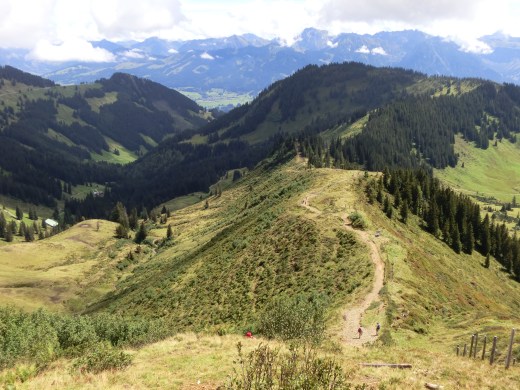
Overlooking Obermaiselstein toward the Allgäuer Alps; Obersdorf is behind the first ridge
CIMG0539

On the ridge toward the Riedberger Horn (1787m)

From the top of the Riedberger Horn, there are views down to the isolated hamlet of Balderschwang. This tiny hamlet claims to host “the oldest living thing in Europe”, an ancient yew tree reputed to be between 2000 – 4000 years old. From my own perspective as a forester I think that the Fortingall Yew, in Perthshire (reputed to be 5000 years old), looks far older than the unassuming Balderschwang specimen. From the Riedberger Horn you can walk down another ridge to Grasgehrenalpe by the Riedberg Pass (no mean feat with a moaning kid on your back !).
CIMG0527

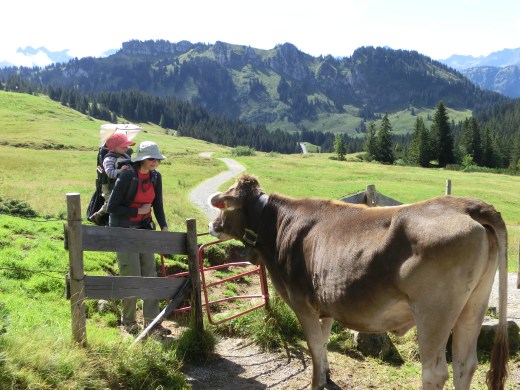
Standoff; cow encounters at Grasgehrenalpe by the Riedbergpass

CIMG0541

View towards the Riedberger Pass and the rocky Bestler ridge

CIMG0557

Heavy load; have kids, will travel…

CIMG0831

The isolated hamlet of Balderschwang, home to an ancient yew tree

CIMG0661

Traffic jam; cows rule ok in the Allgäu
CIMG0579

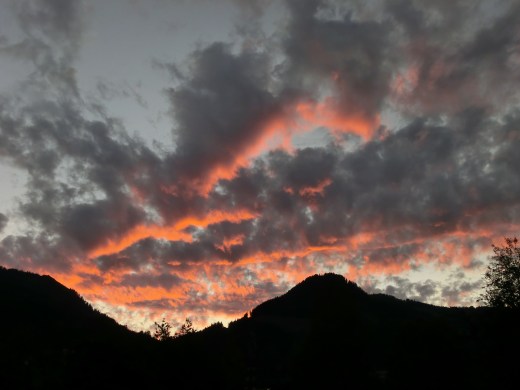
Sunset over the Weiherkopf

Grateful for a day’s “baby sitting” service (courtesy of Martina’s family), we headed off up the Kleinwalsertal valley to the SW of Obersdorf. This unique valley is actually part of Austria but is something of a misnomer, as the only access by road is through Oberbayern. The administrative arrangements here are somewhat bizarre with many German public utilities providing infrastructure such as postal services in what is essentially a part of the Austrian Tyrol. The name Kleinwalsertal come from the area’s original inhabitants who migrated from the Walais area of the Swiss Alps and then settled here.

I found the lower part of the Kleinwalsertal somewhat overdeveloped and so, we headed up to the top end of the valley at Baad, skipping the trendy tourist resorts and glitzy casinos for another day. Our rough plan was to head up towards the grassy summits which mark the watershed with the Tyrol province of Austria.

IMG_1418

Last chance inn; the sleepy alm hut at Mittlere Spitalalpe in the Derrenbachtal

IMG_1423

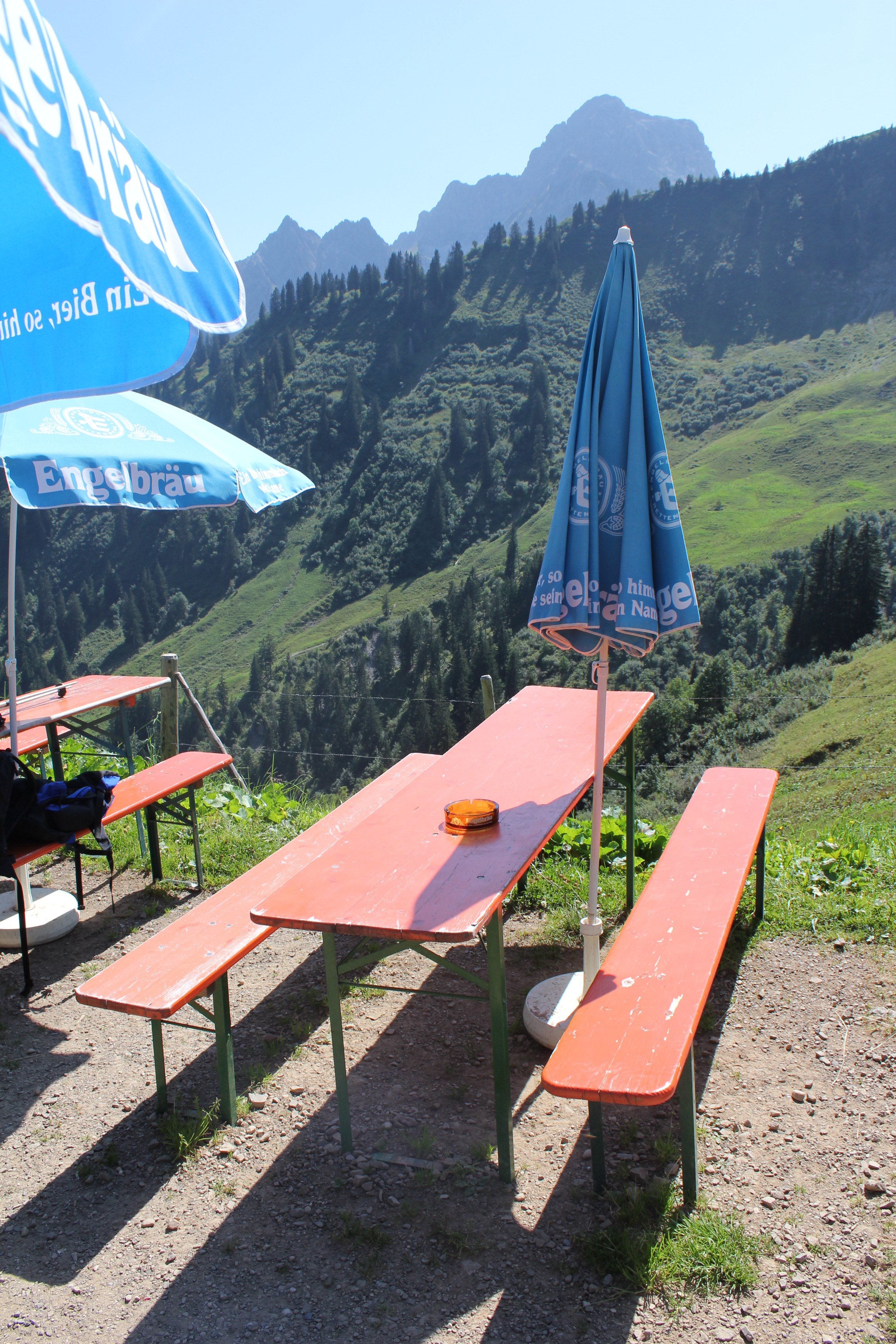
Al fresco dining with a view to the imposing Widderstein range

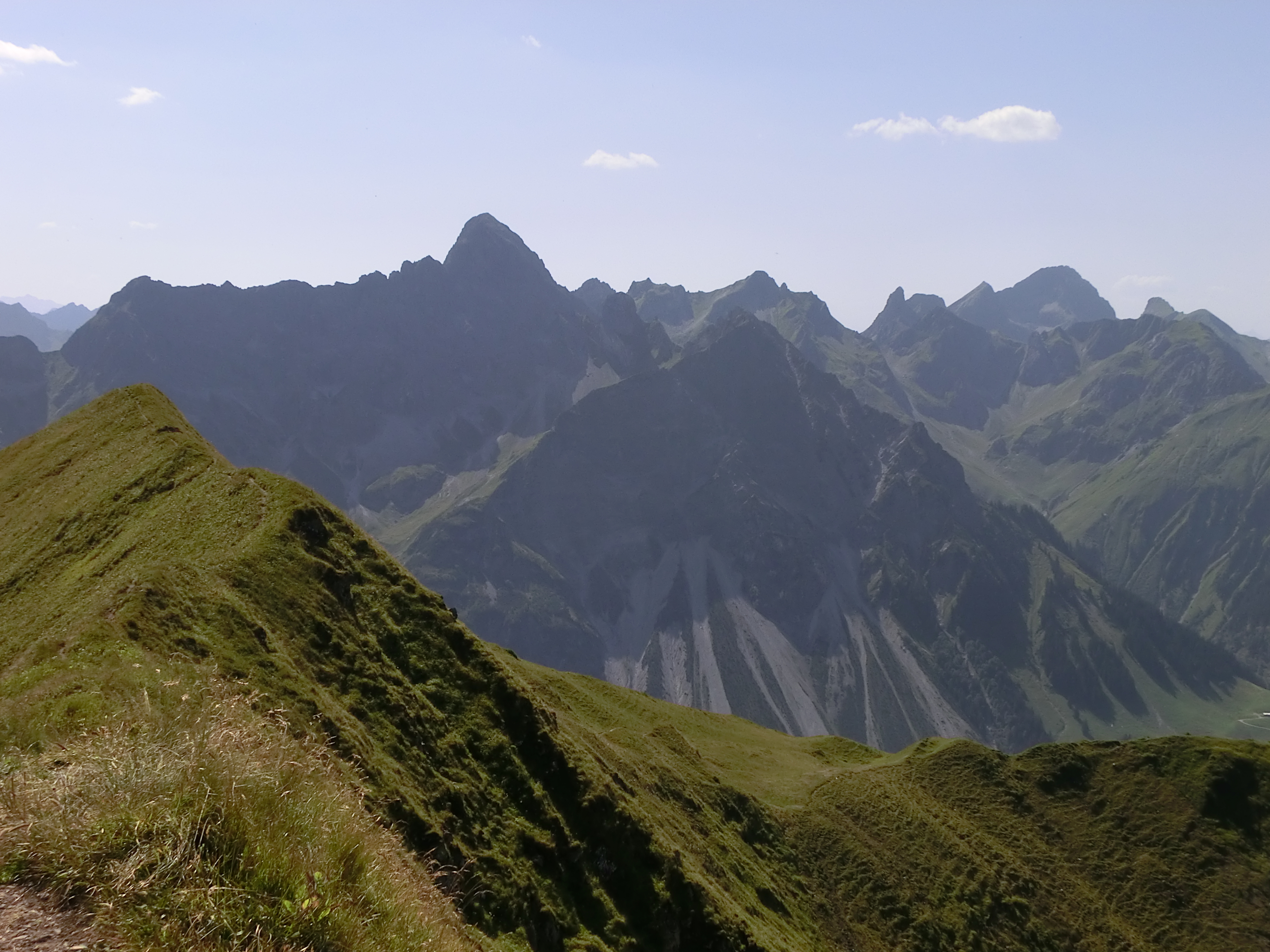
The going was good and the walking quiet and meditative on the first leg up to the sleepy alm hut at Mittlere Spitalalpe in the Derrenbachtal. After a welcome radler we carried on up the steeper slopes toward Derra Alpe where one lonely cow-heard maintained a relaxed vigil all summer long over his heard from a small alpe hut. Apart from the cow herd, we encountered nobody else up here and enjoyed the evermore dramatic views of “Allgäu’s Matterhorn”, the Großer Widderstein (2533m), a seemingly unassailable, rocky peak set in splendid isolation.

By now we had clearly identified our target for the day, the  Güntlespitze; a pronounced grassy peak at 2092m and remarkably reminiscent of a hill in the Southern Highlands. The final section to the summit ridge proved to be remarkably airy and the steep grassy slope a little slippery; however it wasn’t long before I was on the top and enjoying a superb 360 degree panorama. Like any good Scottish peak there were also resident midges ready to welcome me. We headed back down toward Baad.

CIMG0747

Ascending the Güntlespitze; Martina at Derra Alpe with the dramatic peak of the Goßer Widderstein (2533m) behind
CIMG0745

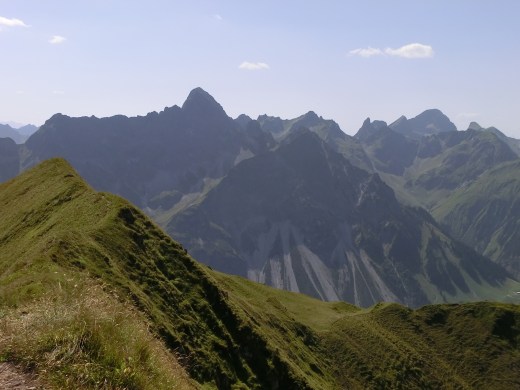
The grassy summit of the Güntlespitze (2092m) looking into Austria
CIMG0752

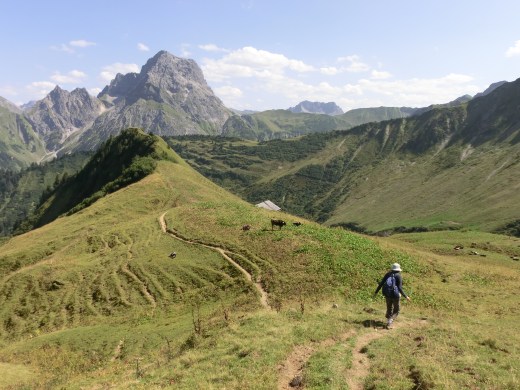
Descending from the Güntlespitze toward Derra Alpe

CIMG0763

Final descent to Baad at the head of the Kleinwalsertal

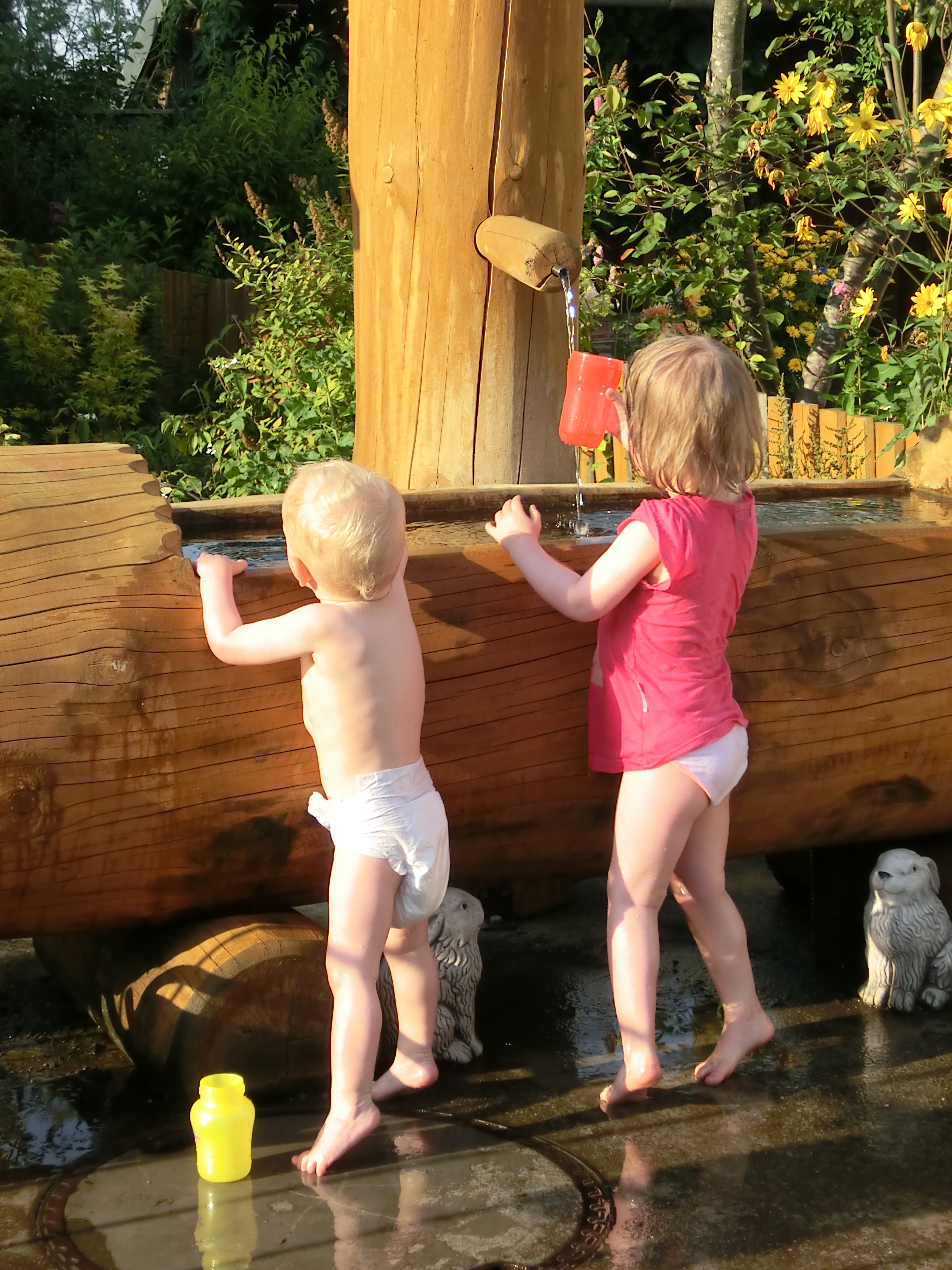
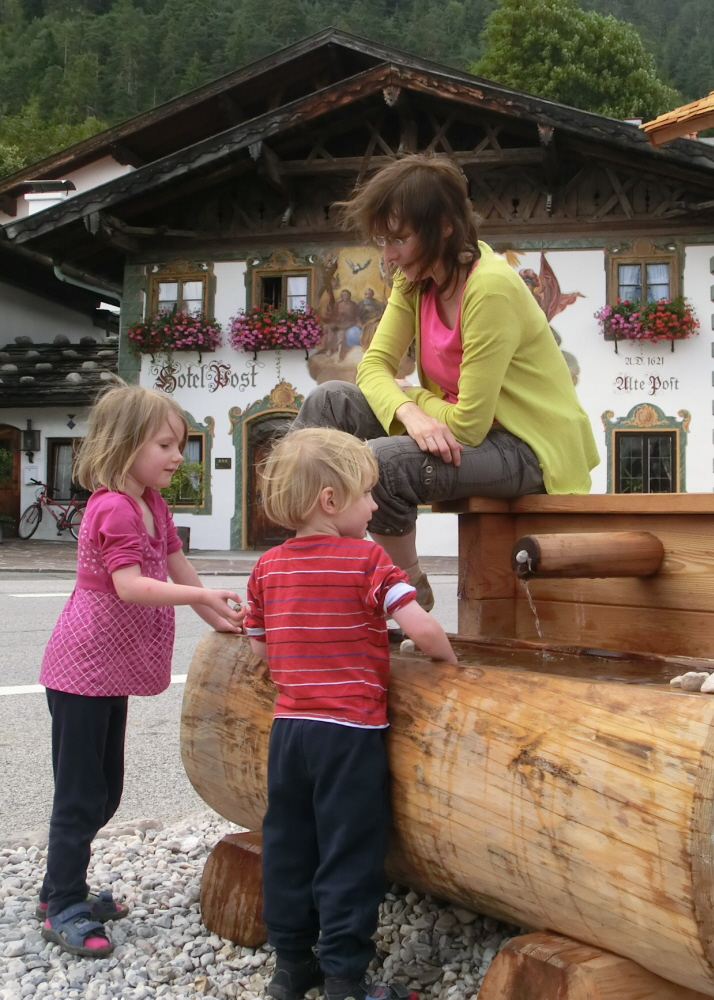
Back at the ranch, it was great to enjoy relaxing around our colourful accommodation in Obermaiselstein. In particular the kids loved cooling off in the many village water troughs and enjoying impromptu water fights. There’s nothing like a long mountain day to make you appreciate creature comforts (like a bath in a water trough !). Just down the road the community had organised an impromptu BBQ party in the woods for families; they provided  the venue and you simply turn up with stuff to grill and some booze (and apple juice) and off you go ! We enjoyed a couple of relaxed hours eating “wurst” with the locals and other guests; the fine scent of wood smoke filtering up into the air.

CIMG0799

Village water trough; Zöe and Kai cool off in 35 degree heat

CIMG0591

Therapeutic garden; a good place recover from a mountain hike

On the other side of the Illertal and up a side valley from Sonthofen, is Bad Hindelang; another colourful mountain village and “Wellness” Resort (currently the big in thing in Bayern for burn’t out executives). The Imberger Hornbahn is another great wee gondola trip for youngsters and provides easy access to mountain trails. In the hot weather we experienced, it was fine enough some days for us to find a shady spot in a mountain meadow for a picknick whilst the kids played; before adjouning to a mountain café for a much needed pint and a rosti – what a life indeed ! Beyond Hindelang is the Hinterstein Valley which has a more remote feel complete with colourful “hillbilly” style residents. This wonderful valley needs to be explored further one day and provides some great access to wilder country.

CIMG0617

The Imberger Hornbahn above Bad Hindelang
CIMG0653

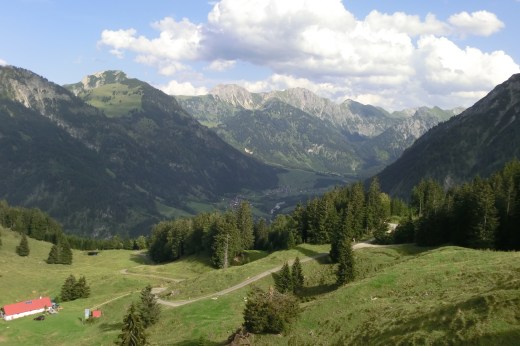
View to Hindelang Hinterstein from the Imbeger Horn

CIMG0668

On the road; at Hindelang Hinterstein

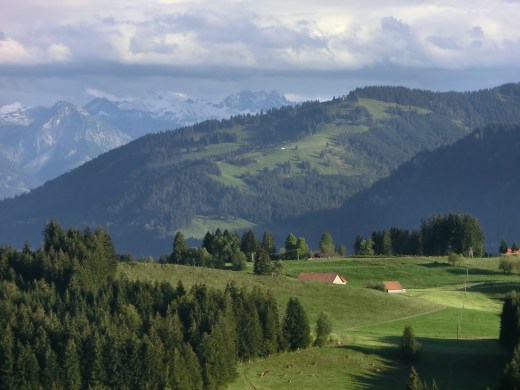
Around the last days of our Allgäu trip, the temperature dropped dramatically and fresh snow even appeared on the peaks; not something we had anticipated in August. We headed to the Bergbauern museum in Diepolz by Immenstadt where traditional farming practices and alpine life is showcased to visitors through a series of reconstructed farmsteadings and alp huts; the kids loved it here and got to milk (plastic) cows, “drive” real tractors and dress up in traditional dirndle and lederhosen costumes (I must admit to not feeling quite so good personally that day; with blood dripping from a hole in my head, the result of hitting it off the vehicle tailgate earlier that morning !).

CIMG0914

Traditional farming at the Bergbauern museum in Diepolz by Immenstadt

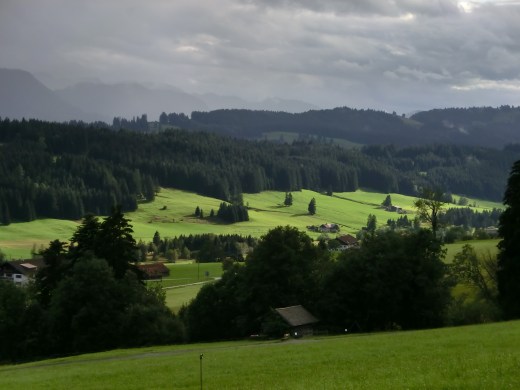
Injuries besides, the place was stunningly beautiful – shafts of sunlight pierced the clouds and cloaked the hay meadows with a vibrant emerald green. A rainbow appeared; surely a portent from above, the arching colours of the spectrum descending to settle over the village kirk of Diepolz.  Was it just the bump to the head that did it, or “does God surely exist”, I thought to myself as I looked across to the distant snow capped peaks; if so, he surely lives here in the Allgäu and has touched the place with magic… I went down the hill and headed to the local A & E Department, blood oozing steadily from a hole in my head…
CIMG0873

Ray of light; sunlight illuminates upland pastures at Diepolz

CIMG0863

Rainbow’s end; colours of the spectrum over the Illertal
CIMG0904

Cold Mountain; fresh snow arrives on the Allgäu Alps in mid August

Posted in History & Culture, In Europe, Mountain Treks, Wild Places | Tagged , , , , , , , , , , , , , , , , , , , , , , , , , , , , | Leave a comment

Walking the Five Lakes

The Rhine Valley between Chur and Sargans, just to the South of Lake Constance and the tiny Principality of Liechtenstein, forms a busy transport conduit through the Swiss Alps between Zurich and Milan. Whilst the main valley is heavily developed with settlements and infrastructure, adjacent peaks and side valleys offer a the chance for quick escapes into less intensively developed alpine environments.

IMG_2209

Room with a view; Looking across Sargans and the Rhine Valley

IMG_2212

Clinging to the mountainside; our home for 2 weeks

A few years back we spent a couple of weeks living in a mountain chalet perched on the steep slopes of Mt Pizol, overlooking the Rhine Valley. Our accommodation was accessible by a tortuous, single track, switch-back road, which provided some interesting encounters with oncoming vehicles on steep gradients and hairpin bends; frequently resulting in awkward standoffs with bullish delivery drivers, who (understandably; like ourselves) were reluctant to reverse backwards, round a blind corner and down a 20 degree slope. The Pizolbahn gondola, which would normally provide alternative access was unfortunately closed for an upgrade.

One of the undisputed highlights of the area is without doubt the Five Lakes hike which takes in a variety of mountain lakes which nestle under the protective flanks of the Mt Pizol. I joined my German brother-in-law Michael, for a trek around the lakes (like Michael you need to be strong man for this trip though !) while Martina and daughter Zoe enjoyed more chilled out pursuits.

IMG_2250

“Strong Man” Michael; up to the Five Lakes challenge !

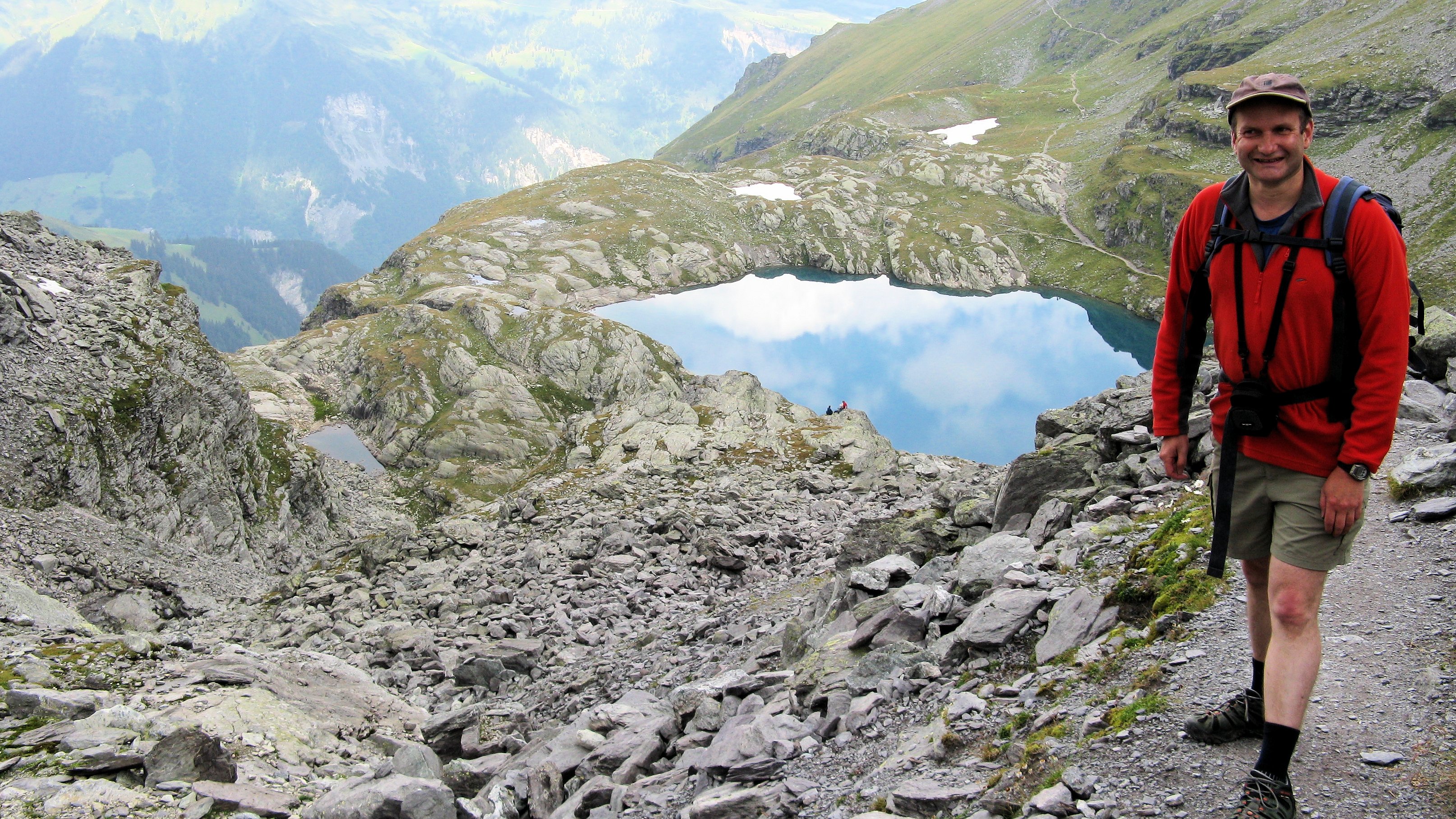
The route starts from the top of the Pizol Gondola at 2227m from where the path heads steeply off uphill towards the Wildseeluggen Pass at just under 2500m. Whilst the first lake by the gondola station is unremarkable, the Wildsee  over the saddle (and the second lake to be encountered) is set amidst a lunar landscape of rocks, screes and glacial moraines and is a much more dramatic place; its waters reflecting a cool cobalt blue in the morning sunshine.

IMG_2255

The Wildsee nestles under the Pizol

IMG_2256

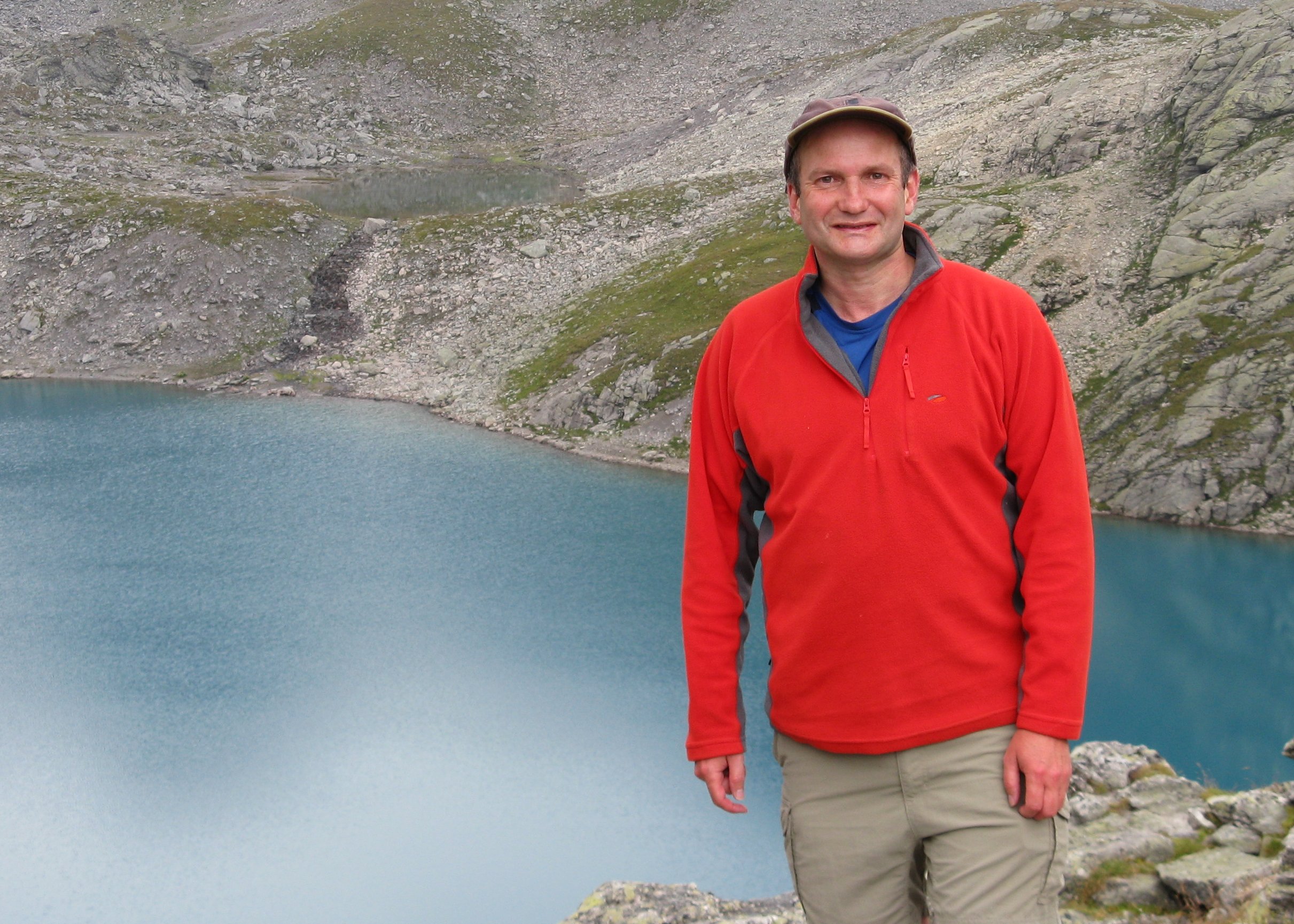
Me and the Wildsee

From the Wildsee, the undulating, rocky path contours around the NW slopes of the Pizol, with a succession of dramatic views unfolding around every corner. The third lake (and my favourite on the circuit), is the smaller and unassuming Schottensee (Scottish connections unknown) which makes a great place for a chilled out lunch break with sublime views of the peaks and small side valleys below.  I loved sitting in this peaceful and relaxing spot and taking in the surroundings.

IMG_2262

On the way to the Schottensee

IMG_2265

Cool lunch spot

IMG_2272

Peaks behind the Schottensee

IMG_2275

The view from the traverse towards Schwarzplangg

Later on the path traverses across steep open slopes as it ascends to the top of the next high pass at Schwarzplangg at 2505m. From the top there are views down to the atmospheric Schwarzsee, which nestles deep in a mountain cirque. Then it’s an easy walk down a broad ridge to the last lake at Bassegla. On the way down a mysterious landscape of stone cairns, reminiscent of a Pink Floyd album cover is passed before the final descent to the end of the walk at Gaffia, the top gondola station for the Pizolbahn.

IMG_2279

Rest stop at the top of the Schwarzplangg pass.

IMG_2290

Mysterious landscape of stone cairns on the descent.

IMG_2294

Montane Flowers

IMG_2296

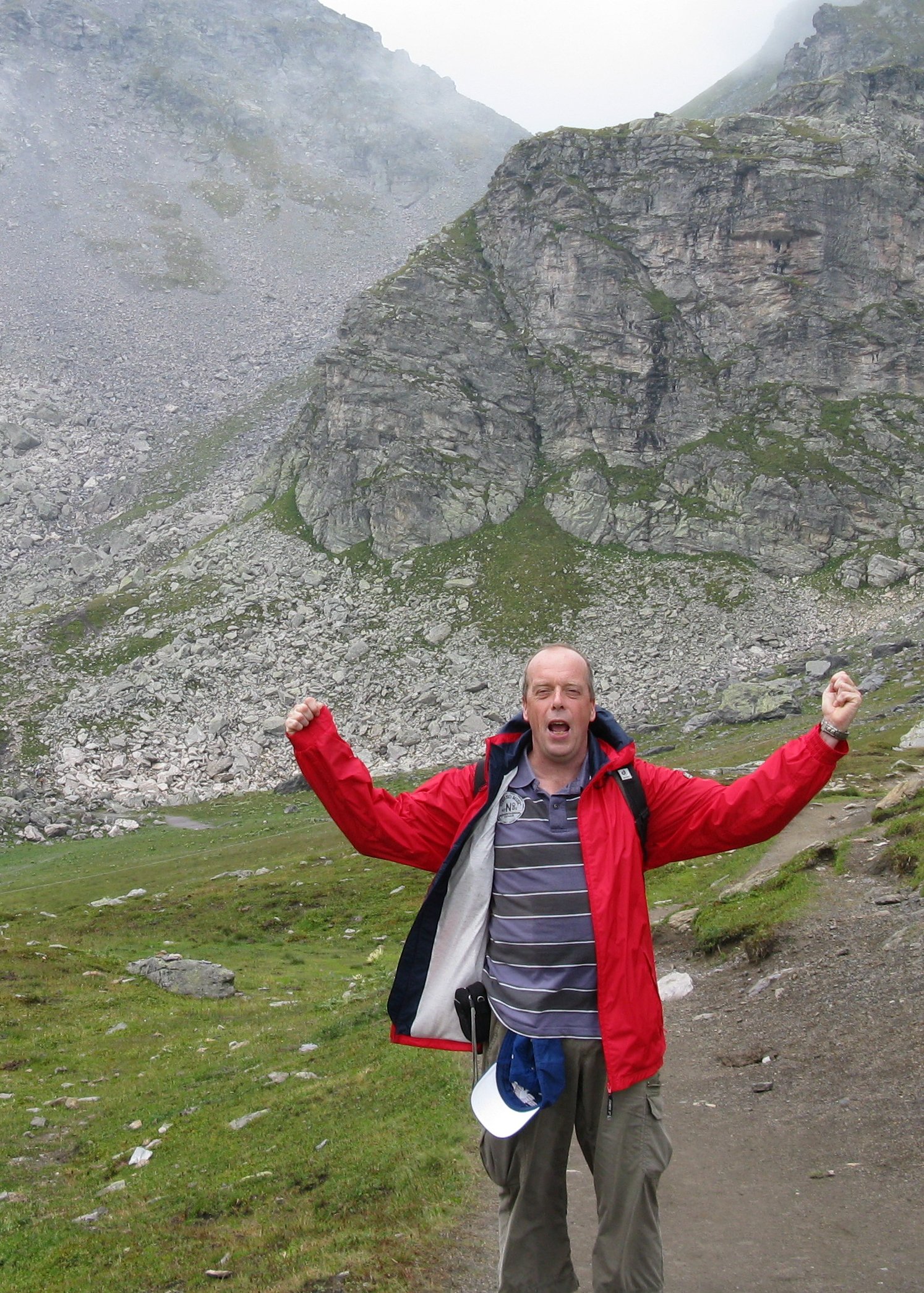
Victory Salute; Michael reaches the end of the trail by the Gaffia gondola station

IMG_2130

Goats lining up to spectate

IMG_2307

Evening light across the valley

There are also numerous other attractions to explore in the surrounding area. The historic town of Chur is located a little further up the Rhine Valley and makes a good jumping off point for exploration. In particular the dramatic single track railway up to the Ski resort of Arosa makes for a fantastic excursion; at the end of the line you can soon be gliding up to the summits by cable car and enjoying extensive views towards nearby Davos, Klosters and the distant snowy peaks of the Bernina Alps further away on the border with Italy.

IMG_2299

The historic town of Chur

Nearby “Heidiland” (the place where they made the Heidi film and also the brand name questionably adopted for the wider district by tourism marketing professionals) sounded like it could be a remarkably kitsch experience, however we were pleasantly enthused by the laid back wine village of Maienfeld with its rambling streets and uncluttered, timeless feel. Surprisingly the whole place isn’t yet swamped out by Heidi tourists, in the way that Tobermory has become cluttered with tiny tots seeking out their Balamory idols (though perhaps in reality, the market for this in Heidiland is somewhat restricted). Heidiland paraphernalia is therefore fortunately limited to a reconstructed film-set house with a few token goats, sheep and miniature ponies thrown in for good measure; not quite the theme park tackiness we had envisaged (and enough to keep our daughter Zoe amused).

IMG_2340

The train ride up to Arosa; a classic of railway engineering

IMG_2345

The picturesque wine village of Maienfeld

IMG_2352

A view of “Heidiland”

For a more authentic experience , the isolated Weistannental Valley presents a real step back in time and into the world of small, isolated alpine communities surviving on traditional grazing and forestry. You can drive up the peaceful valley for miles with great access to peaks and trails which head off into the mountains. I found this remote valley a refreshing escape after the somewhat developed and hectic Rhine Valley with its shopping centres and autobahns.

Not to be missed also is a boat trip on the nearby Walensee; you can hike along the lakeside through remarkably subtropical looking vegetation (bananas in Switzerland !) and vineyards and then pick up the ferry for the trip home; a welcome rest after carrying several kg of child in a backpack ! The onetime opulent spa resort of Bad Ragaz is also a pleasant place to unwind and is now currently successfully reinventing itself into a trendy arts, literary and cappachino centre, in an attempt to put back zest into the fading grandeur syndrome facing some similar old spa towns.

IMG_2180

The peaceful and remote Weistannental Valley

IMG_2175

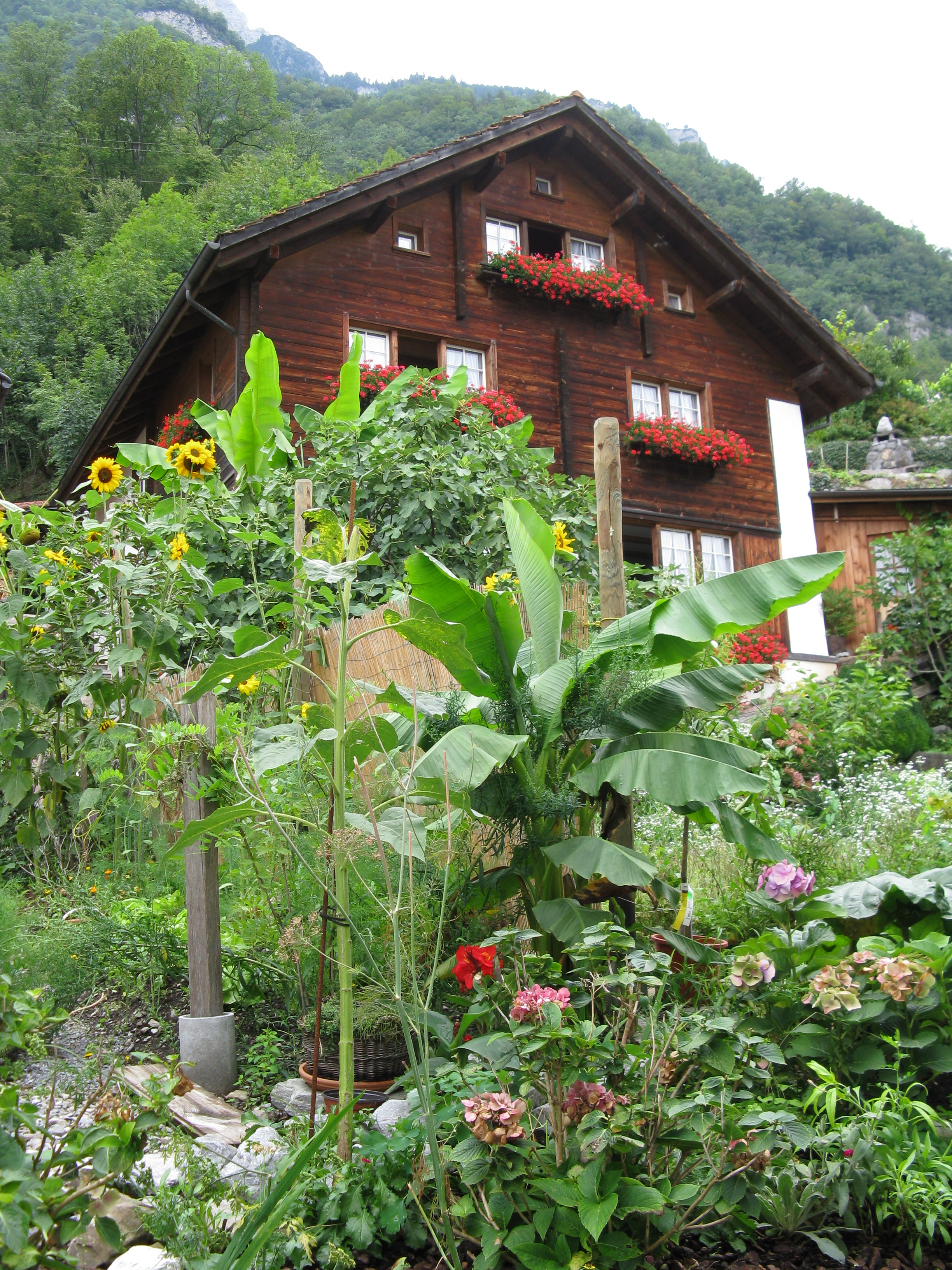
Colourful scene in Oberdorf, Weistannental

IMG_2185

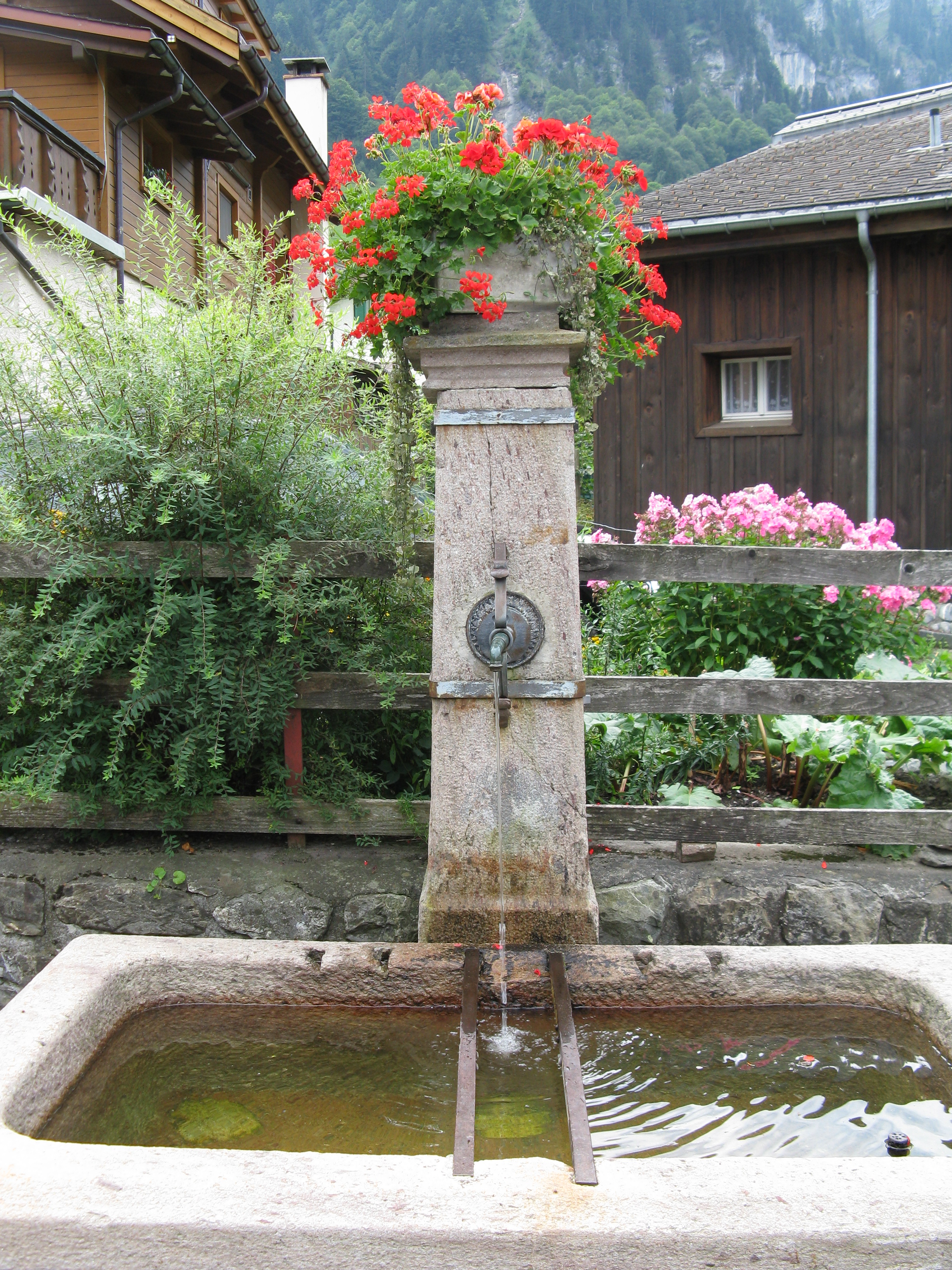
Village Fountain, Weistannental

IMG_2199

Subtropical vegetation by the Walensee

IMG_2193

Zoe (a wee bit smaller back then) and Martina on the Walensee

Posted in In Europe, Mountain Treks, Wild Places | Tagged , , , , , , , , , , , | Leave a comment

Island Strongholds of Loch Awe

Another year and it occurs to me that it has been months since I last wrote a post for this blog; life has just got far too busy recently. It’s a dreich February evening and as usual at this time of year my thoughts are turning to escapes to the great outdoors in brighter, sunnier months of the year.

A while back myself and canoe buddy Steve, spent a couple of days exploring Loch Awe in Argyll in the Western Highlands of Scotland. Although only a couple of hours North of Glasgow by car, Argyll is a real gem with lofty mountain peaks, dramatic sea lochs and a turbulent history featuring the escapades of the feuding Clan Campbell. Loch Awe itself is dominated at its northern end by the bulky presence of Ben Cruachan with its elegant summit ridge which makes for a fine day’s hillwalking.

DSCN3285

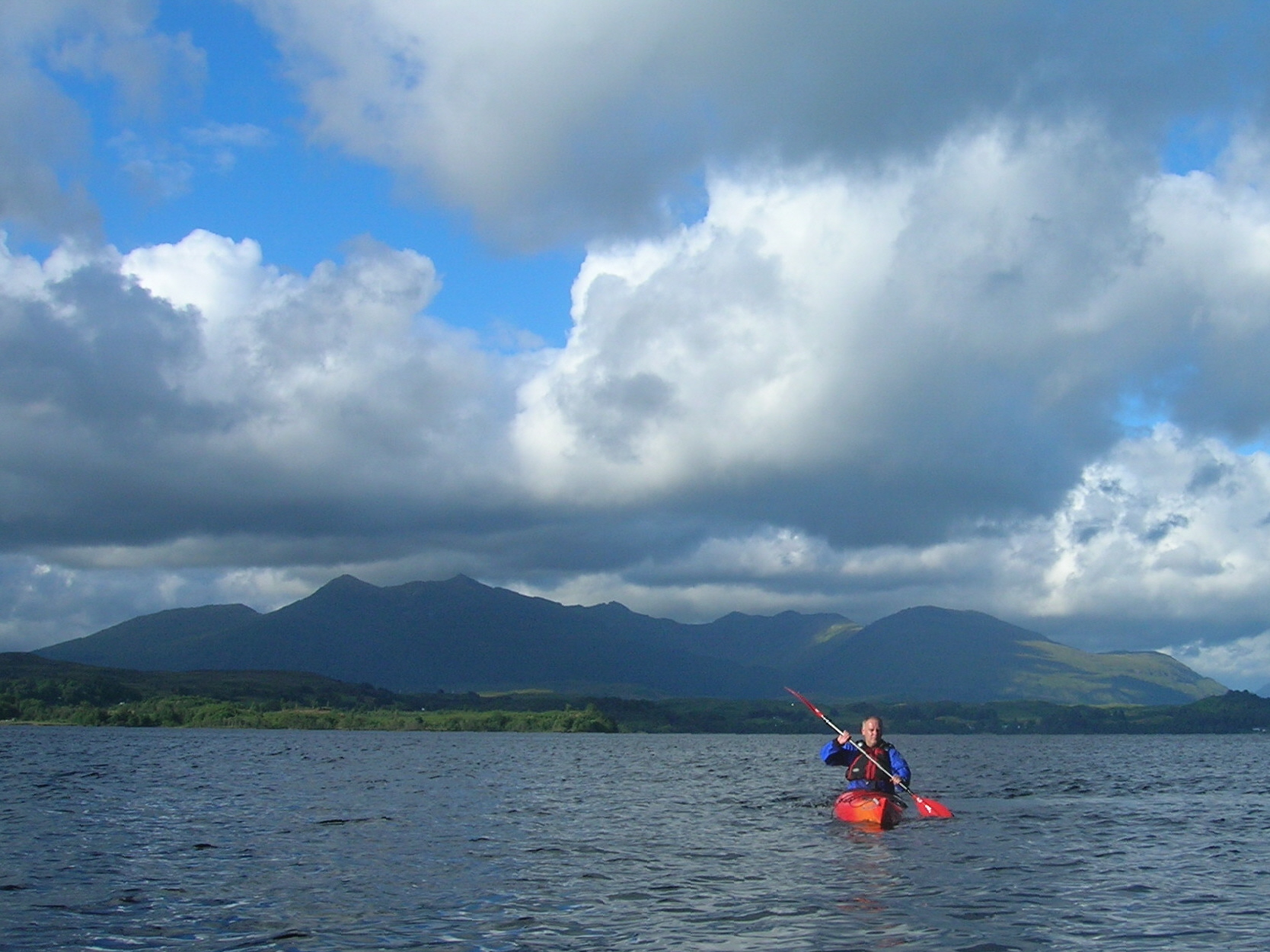
We turned to the Loch though and equipped with kayaks we set off to discover the hidden secrets of Loch Awe’s many islands. Weather conditions on the Loch can be notoriously fickle; one minute you can be drenched in sunshine and the next you can be battling for control against waves and gusts which apparently just spring out of nowhere. This is part of the reason that there have been many accidents and drownings in the Loch over the years; particularly amongst the fishing fraternity (often sadly involving booze). Loch Awe is definitely a place to treat with respect. Kelpies and powerful water spirits lurk just beneath the benign surface ready to drag the unsuspecting down  into  the peaty depths.

DSCN3309

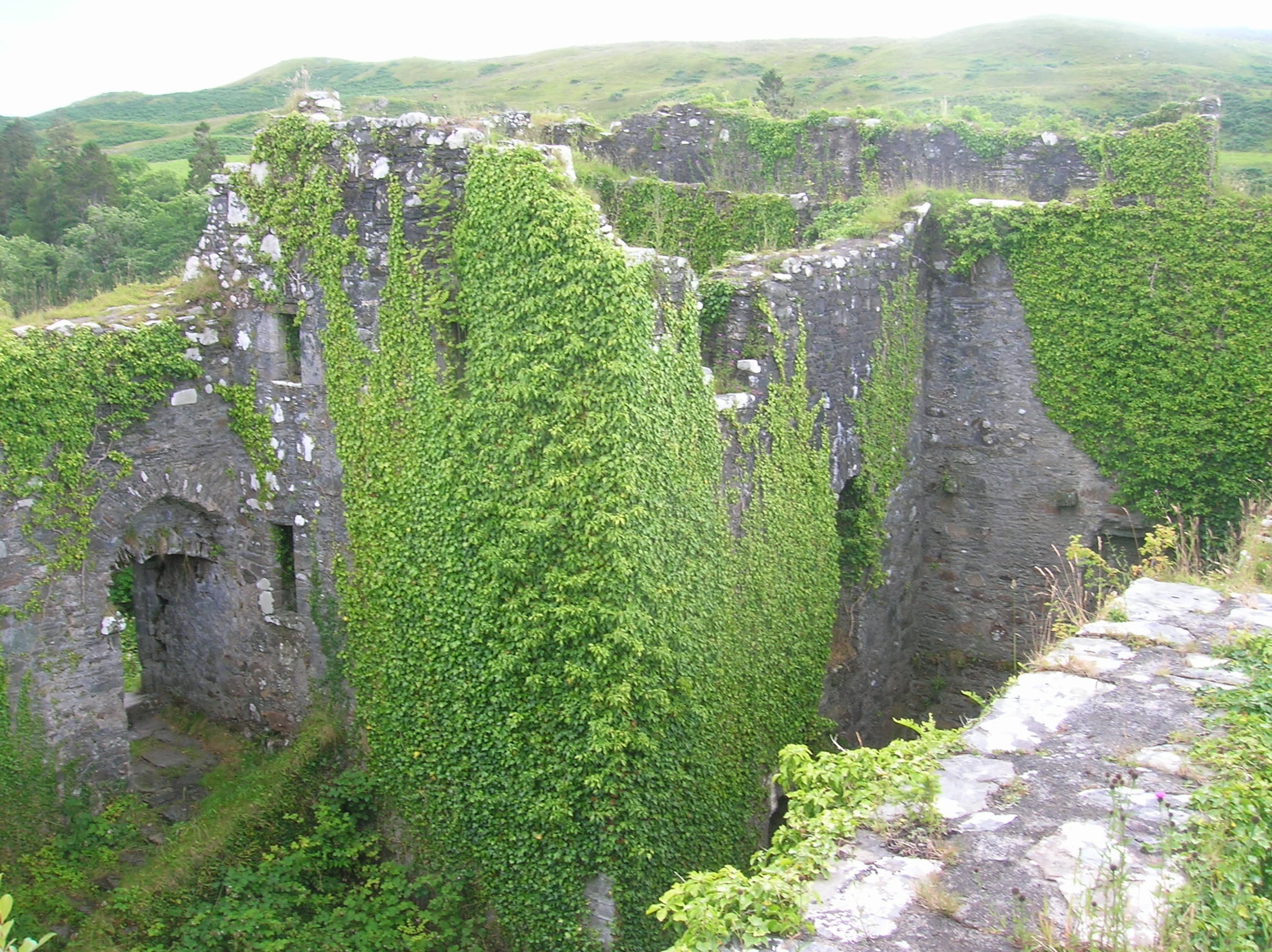
Particularly fascinating is the island of Innis Chonnel with its amazing ancient castle, now covered in ivy and lost in time. The castle was the  onetime stronghold of the Clan Campbell up until the 15th Century.  Arriving by canoe is a great way to see the stronghold; there is nobody there to charge admission and we encountered no other visitors; a refreshing change from more organised “theme park” style historic experiences.  Walking around the castle battlements and walls can seem pretty hairy and exposed; it’s easy to feel that you too can be the stuff of legends. The small hatchway leading to the castle dungeon looks particularly uninviting and we decided not to investigate this further.

DSCN3263

DSCN3253

DSCN3246

DSCN3256

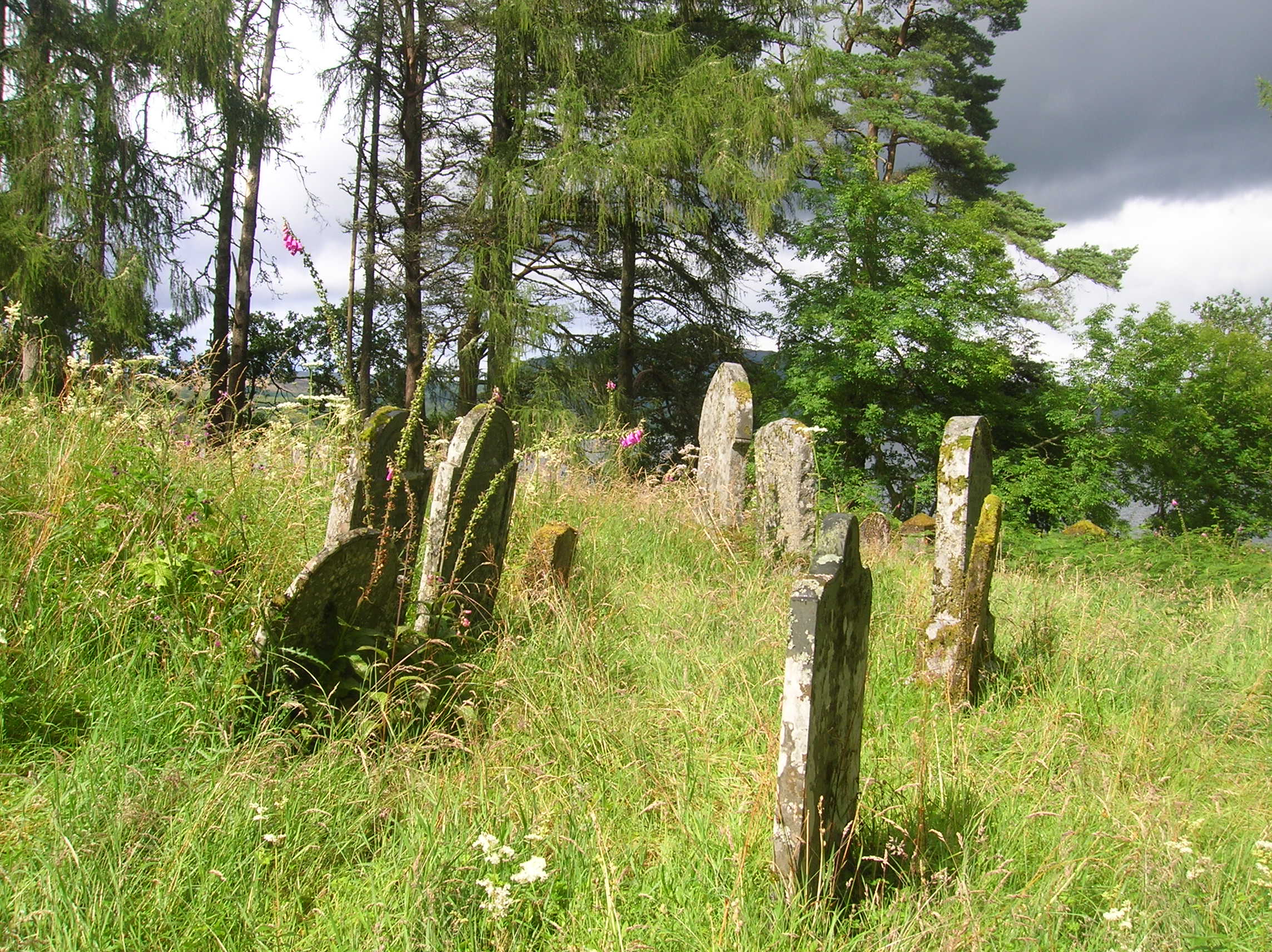
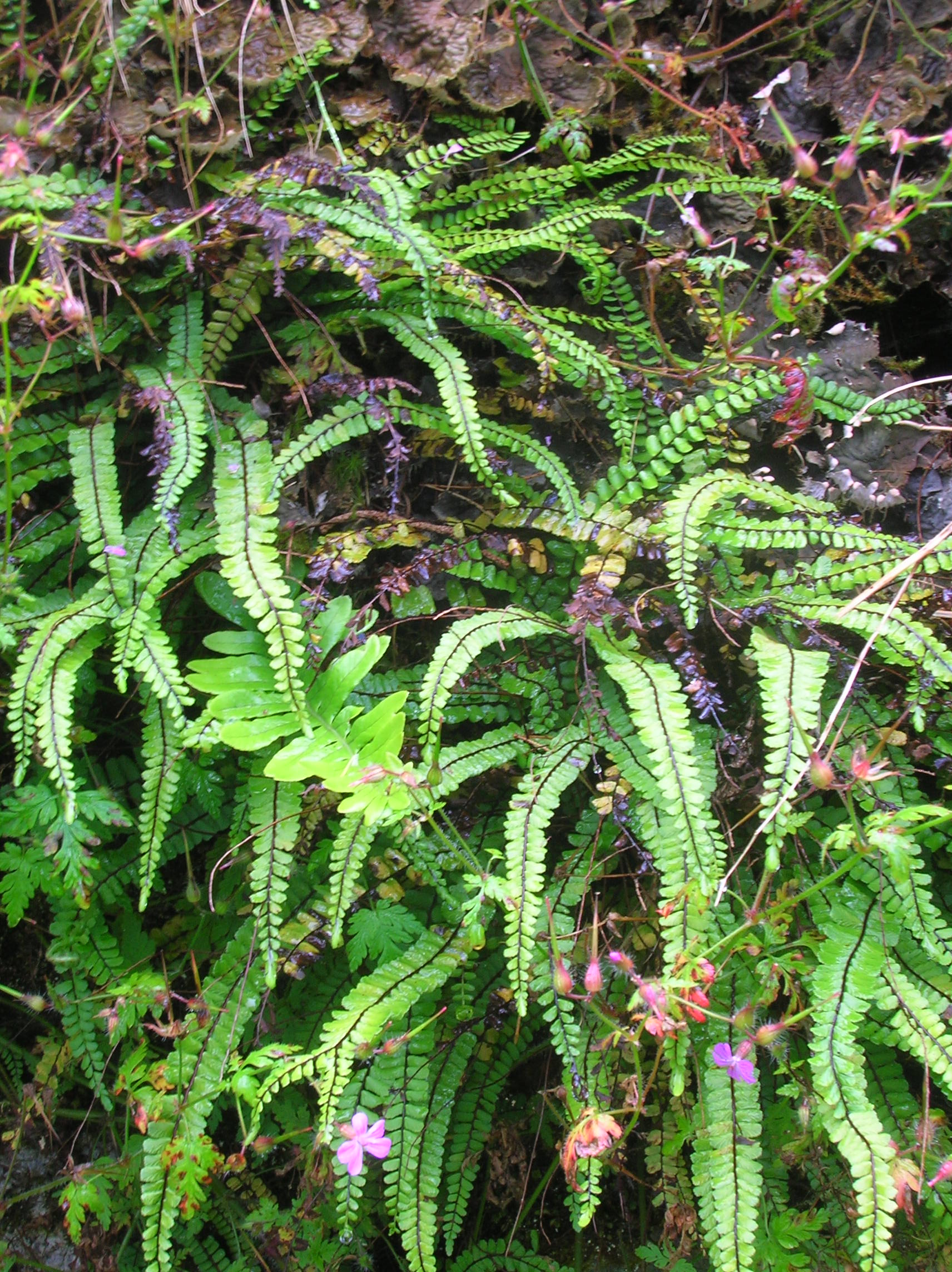
Just off Innis Chonnel is another small island with an ancient celtic burial ground. In the Highlands, small islands in lochs were considered sacred and magical places and were thought to be prestigious locations on which to be laid to rest. These small island sanctuaries also offered protection from wolves and potential grave robbers. The island, with its ancient graves hidden in the encroaching greenery, is a fascinating and contemplative place to visit. There are also some remarkable ferns, mosses and lichens growing around the old grave stones.

DSCN3297

DSCN3276

DSCN3280

The Lochside offers endless possibilities for wild camping but watch out for big groups of “coorse” fisherman from the Central Belt (who you’ll find easy to spot through their unfeasible stacks of Tenants “Special”, impressive sound systems and somewhat flowery language); my advice is to paddle off pretty fast in the other direction ! Who knows; you might even find your very own island stronghold to sleep in; just watch out for the spirits that inhabit the dungeon and which venture forth at night to walk amongst the living ! Perhaps the fishermen might be your best pals after all…

DSCN3207

DSCN3318

RSCN3238

Posted in Canoe Trips, History & Culture, In Scotland, Wild Places | Tagged , , , , , , , , , | 1 Comment

Summer Alm Adventure

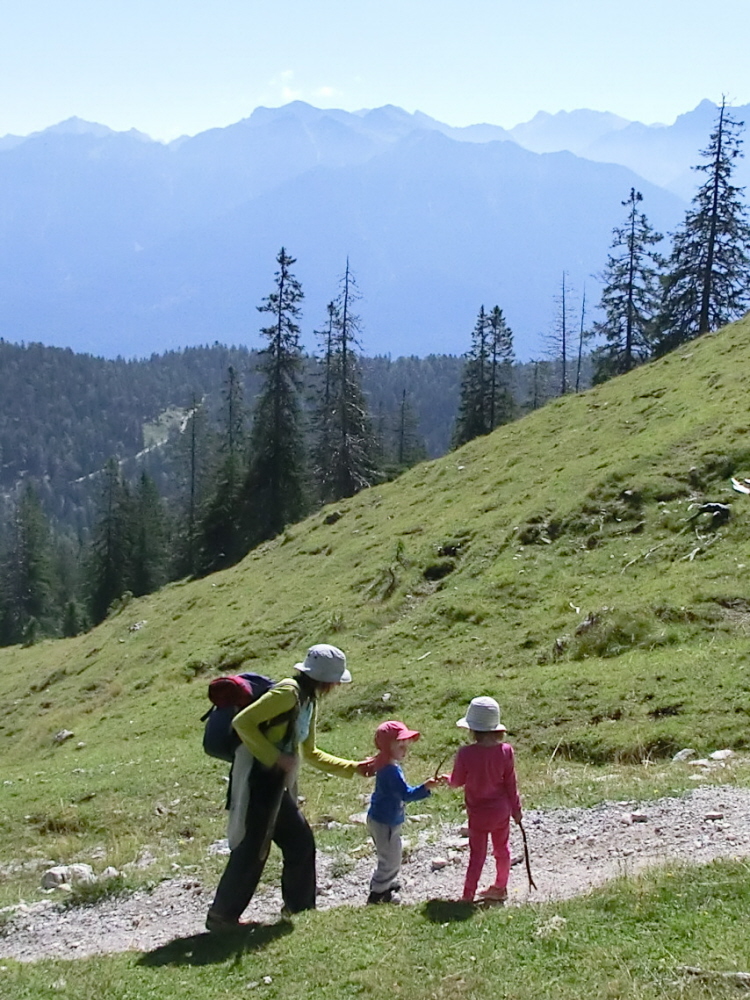
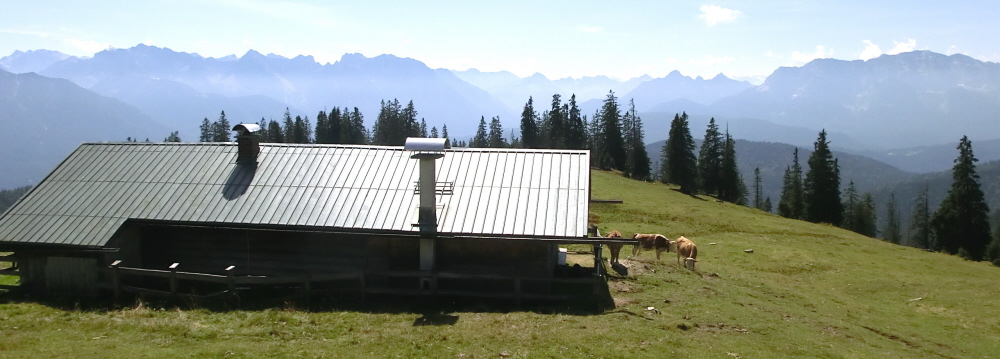
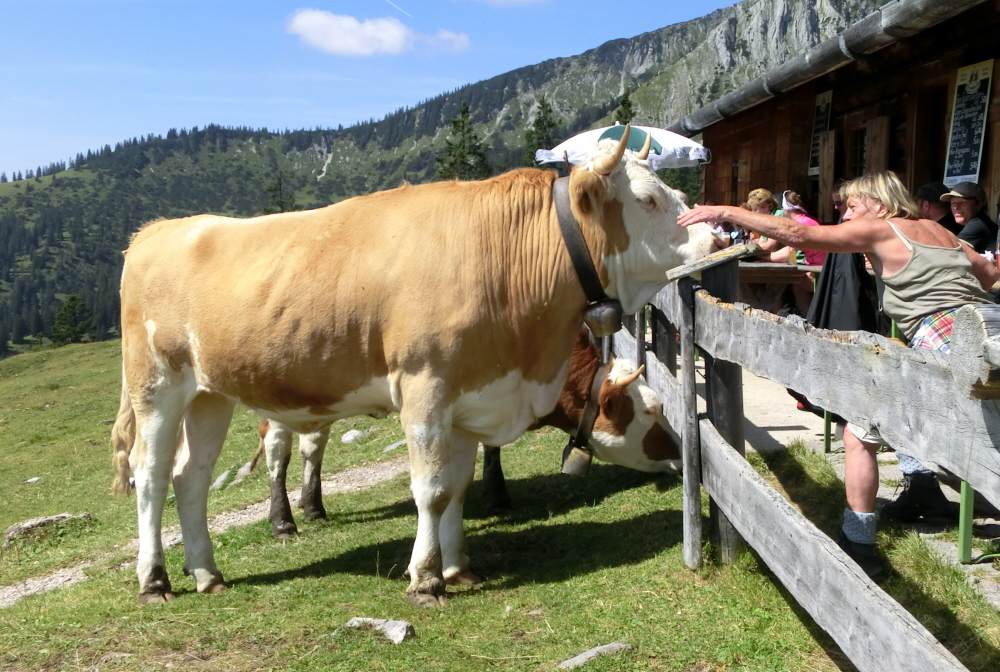
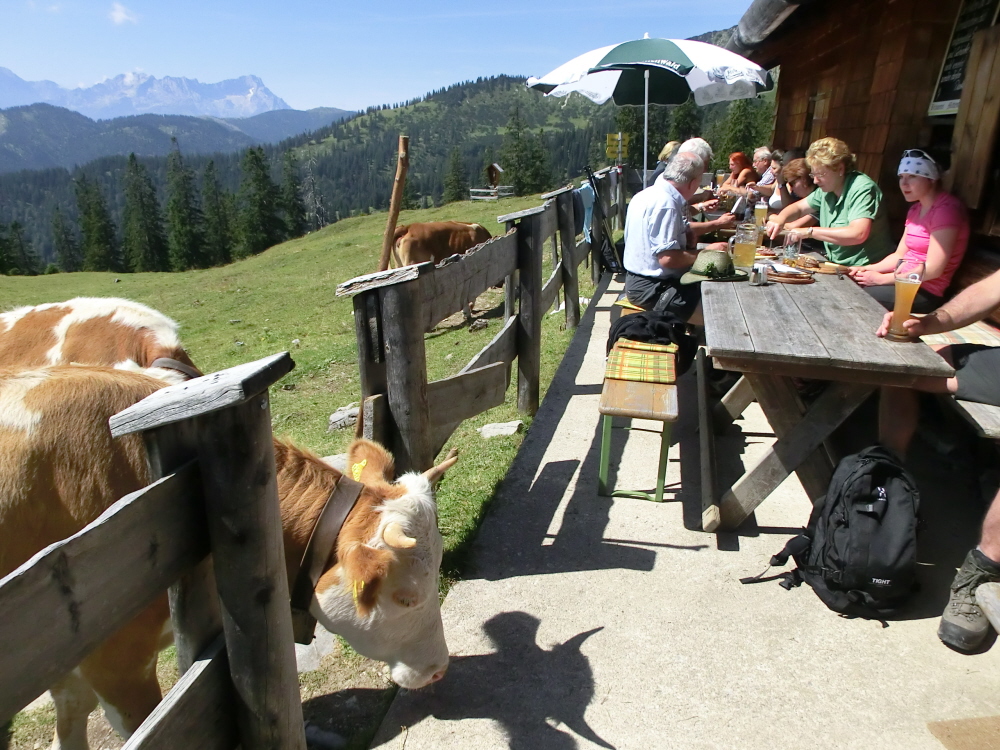
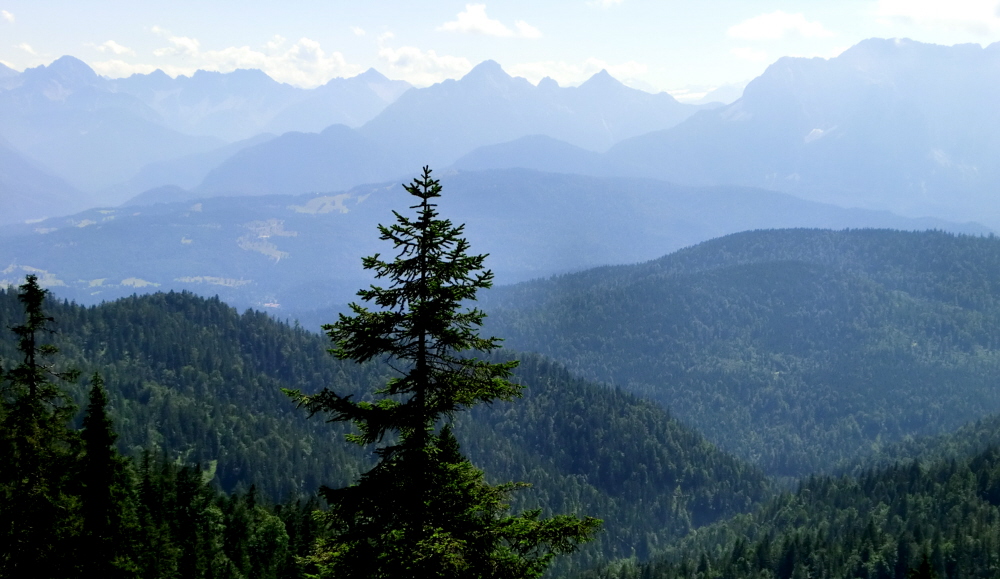
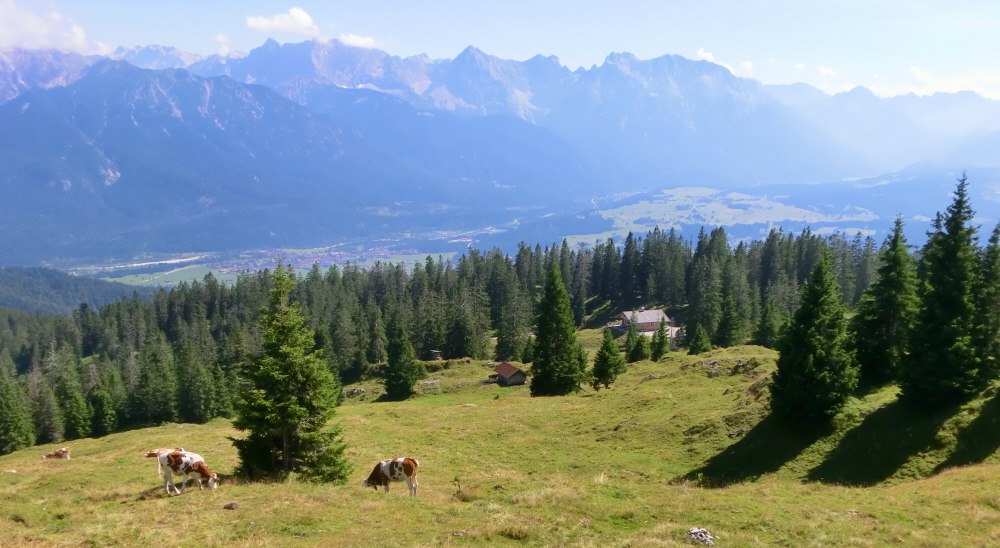
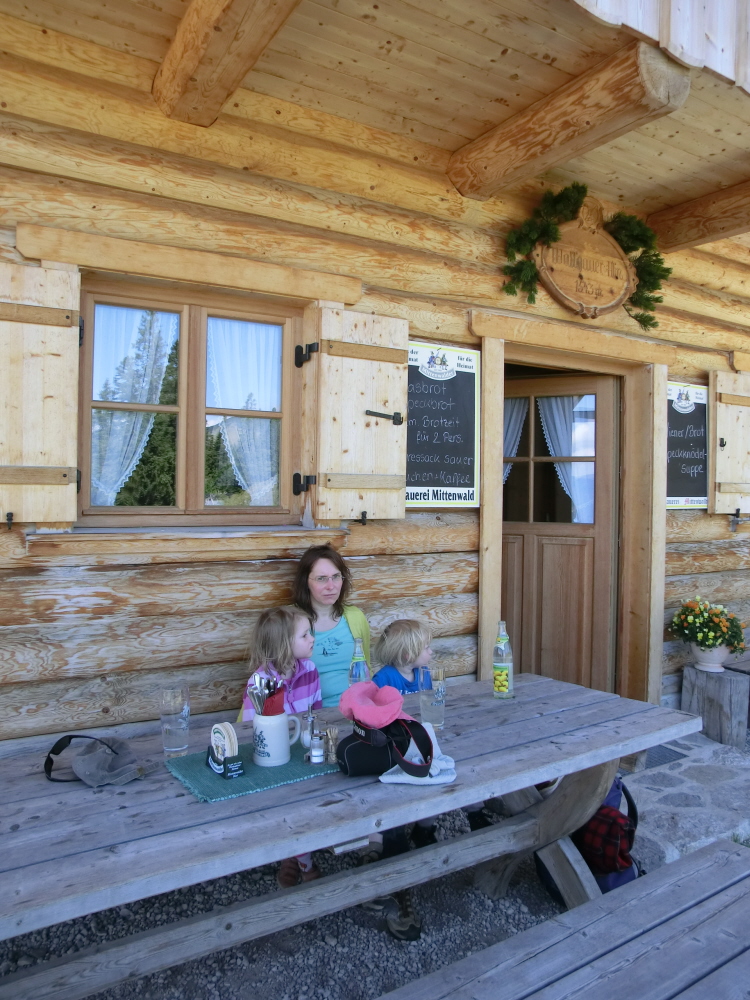
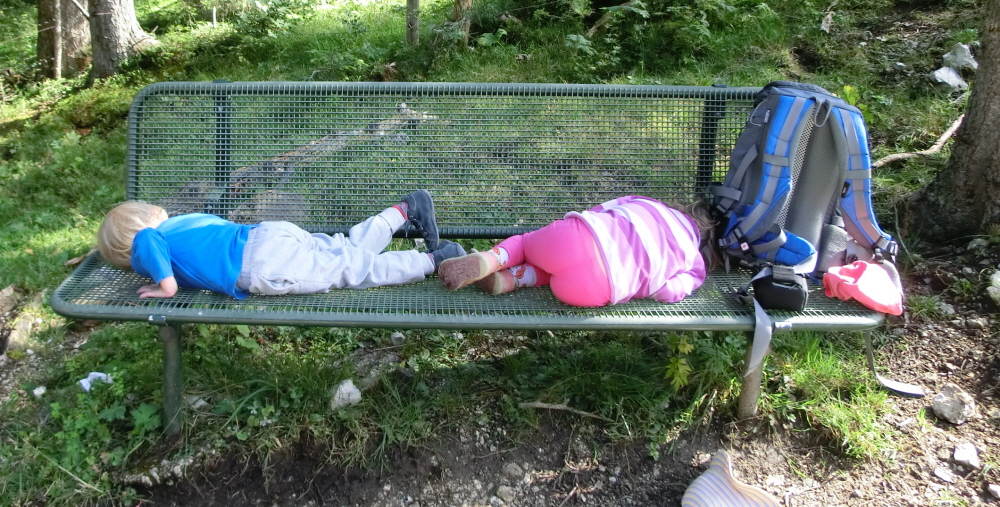
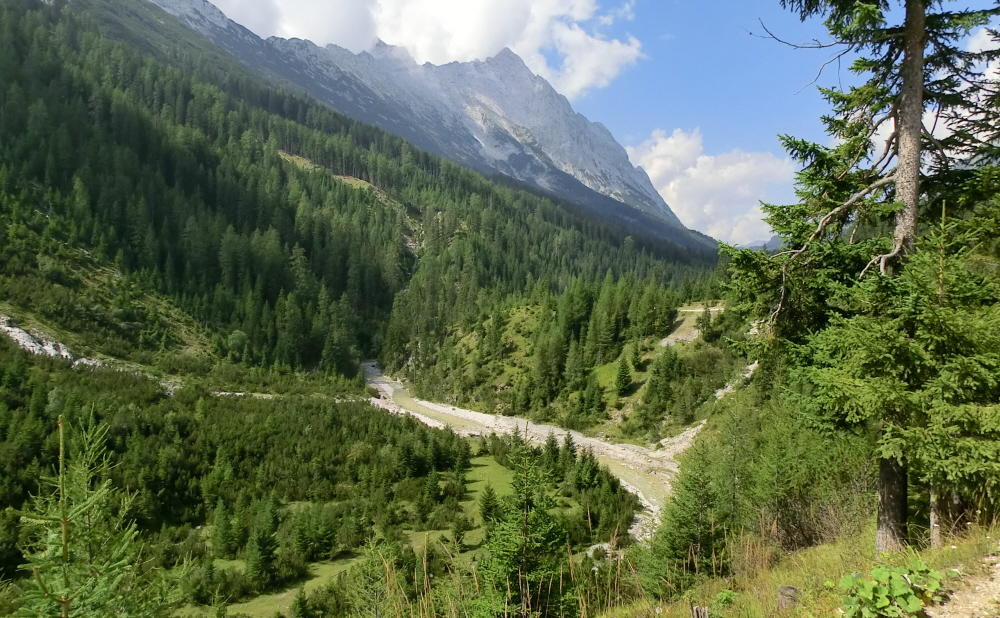
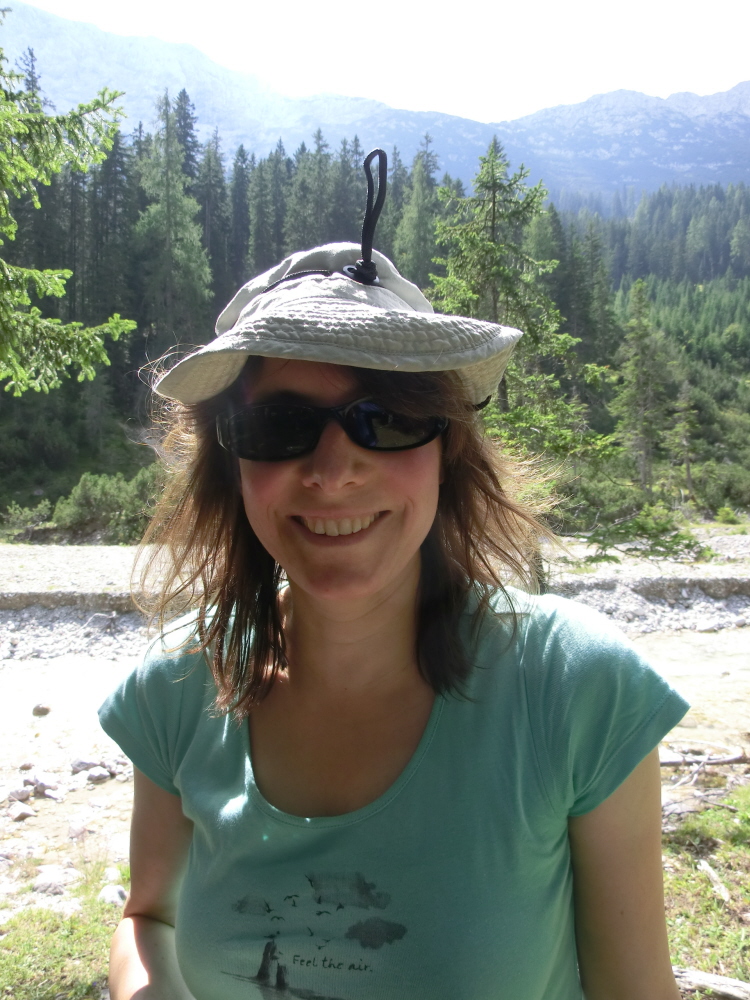
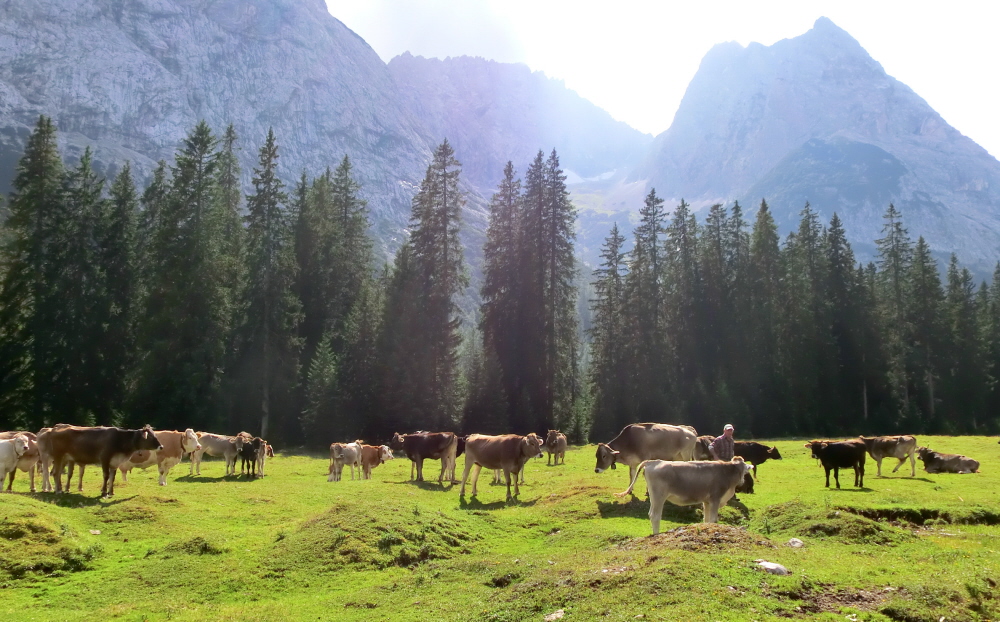
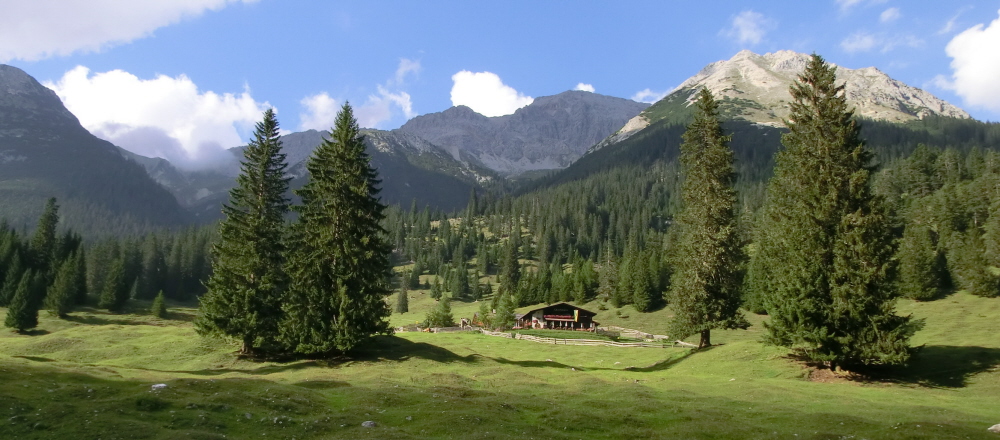
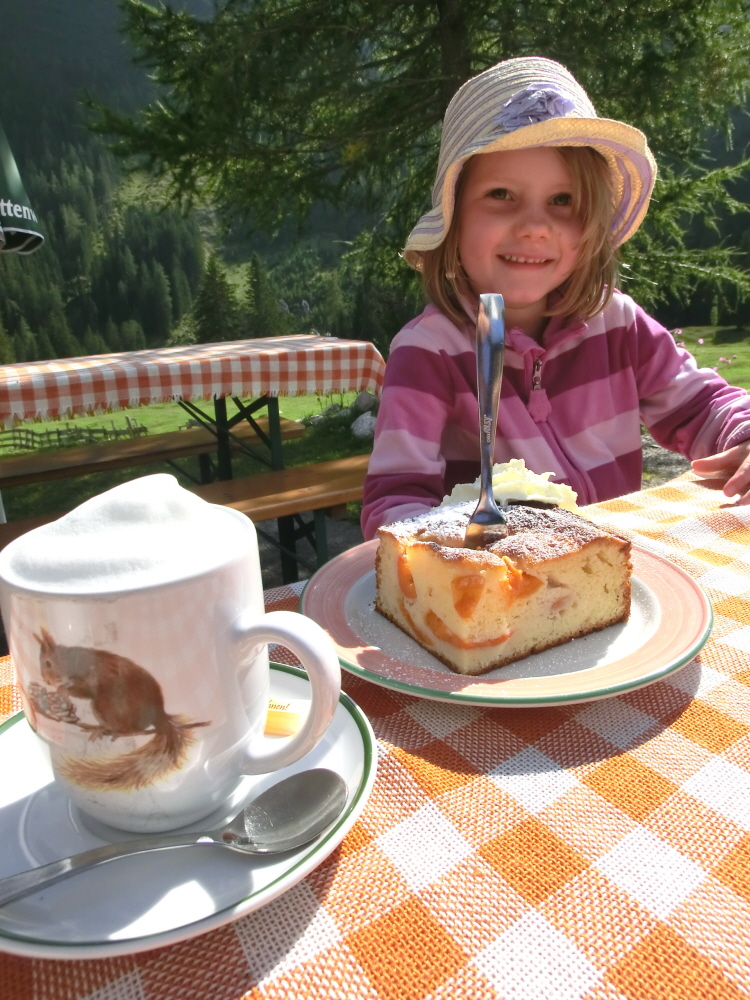
We spent the last couple of weeks of August exploring the alpine valleys, forests, lakes and villages around the Karwendel Alps on the border between Bavaria and the Austrian province of Tyrol. The alpine meadows in this part of the world make for great excursions. You can see traditional ways of farming still being practiced as well as enjoying some local hospitality in the mountain “alm” huts. Unlike some other parts of Bavaria, it never really gets too crowded here which is part of the charm.

CIMG6240

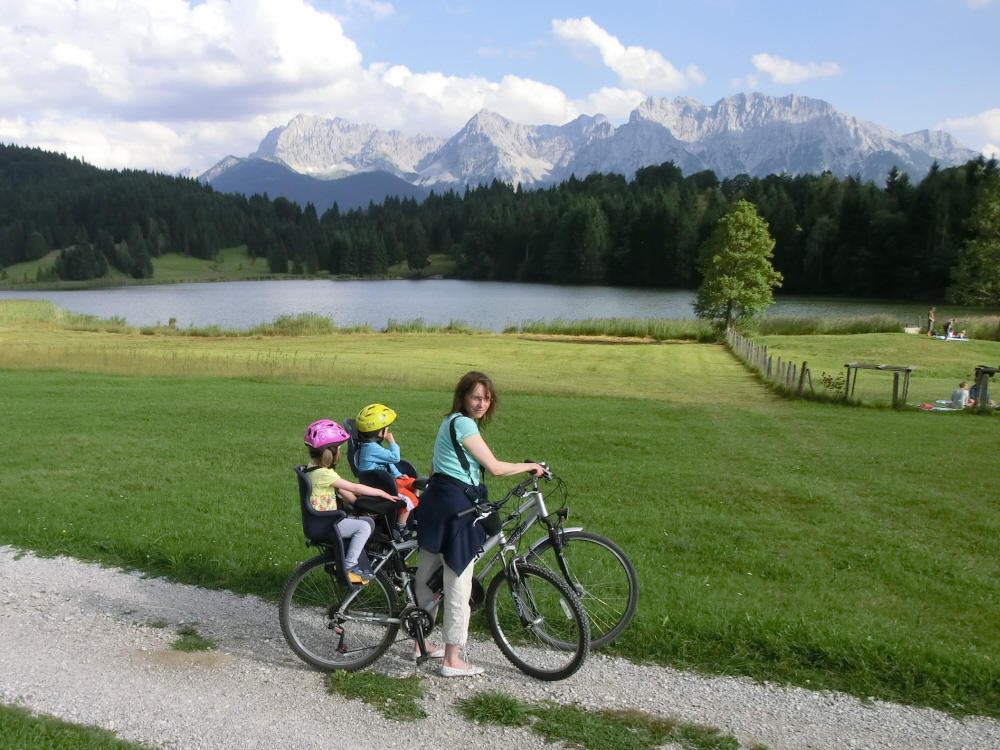
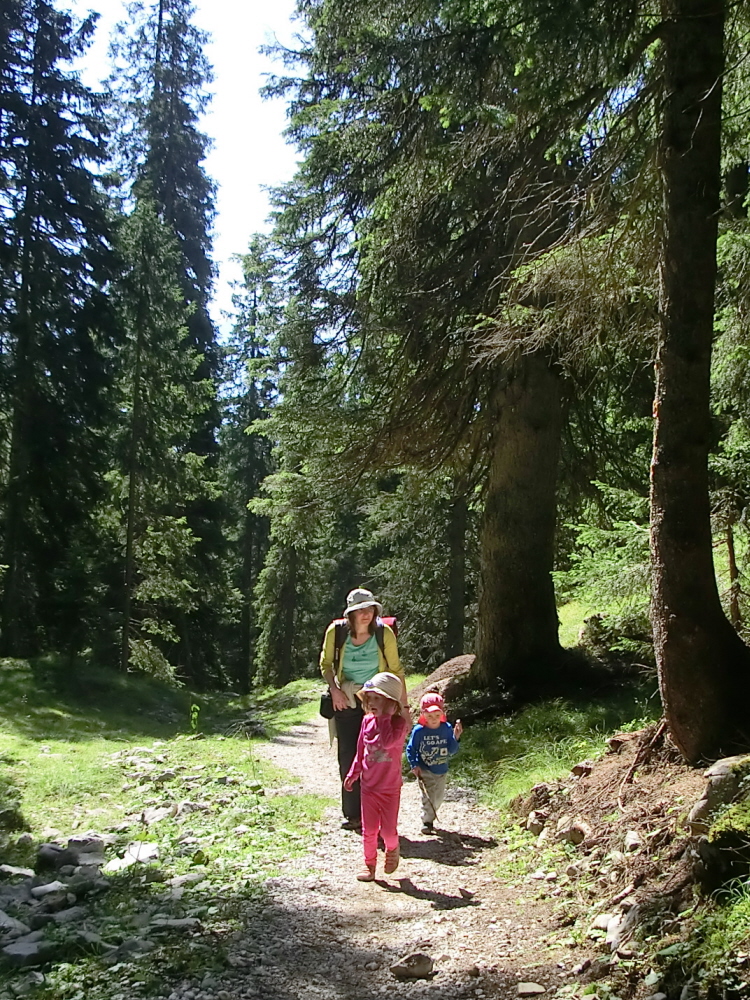
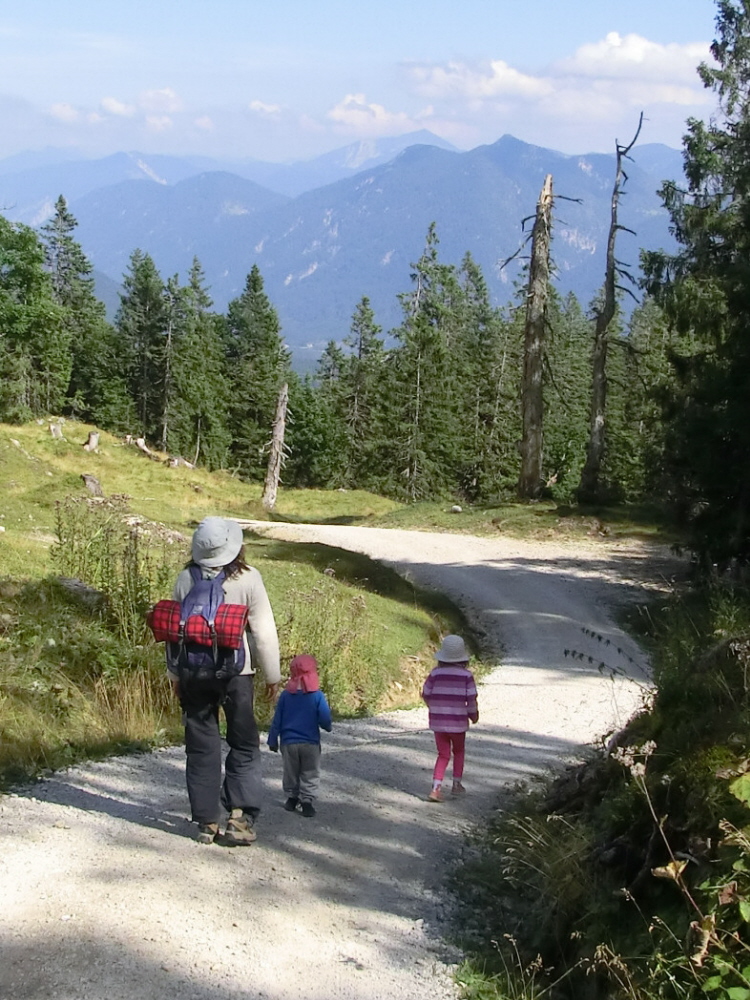
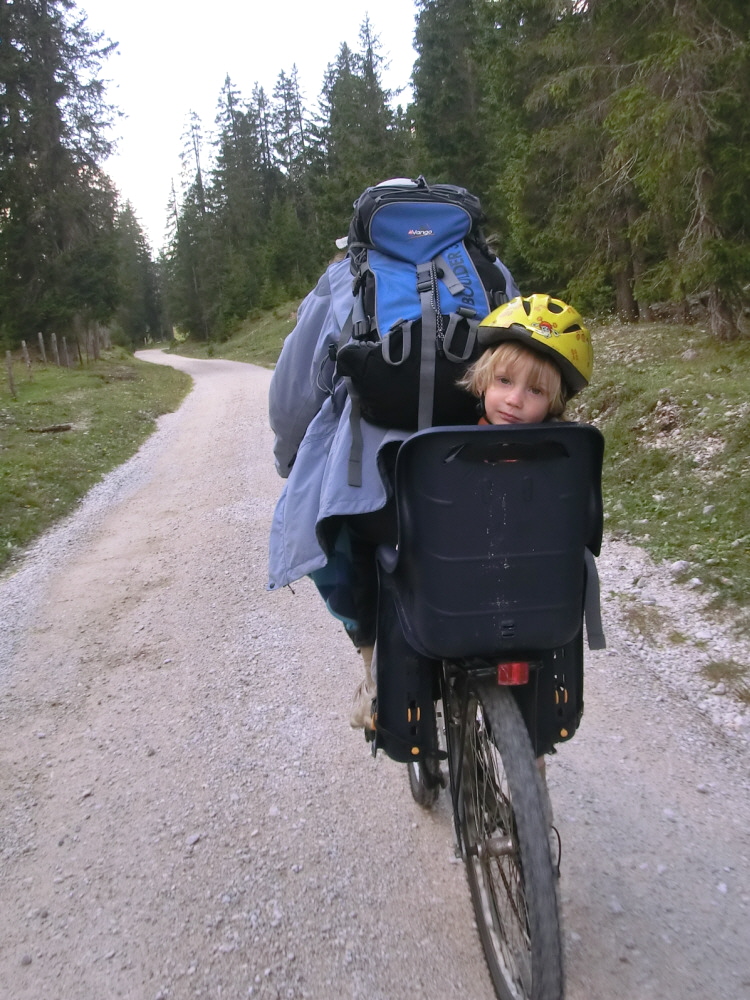
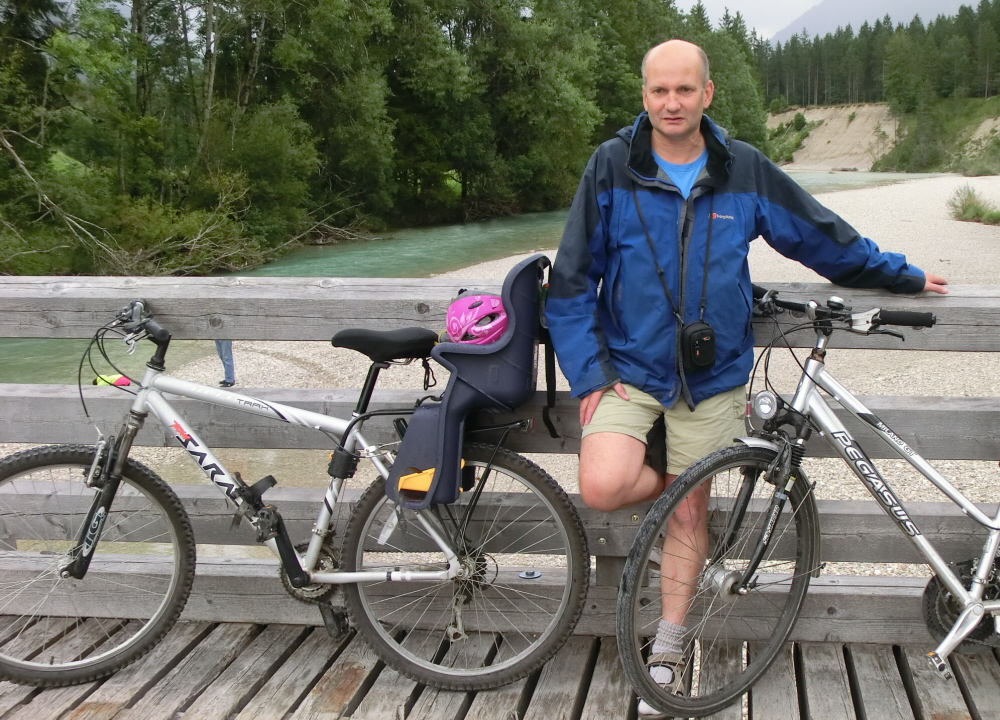
We managed to drag our 2 kids, Zoe and Kai, along with us to some fairly out of the way places through a combination of bikes, hiking and 4×4 vehicles which serve some of the many small alms.

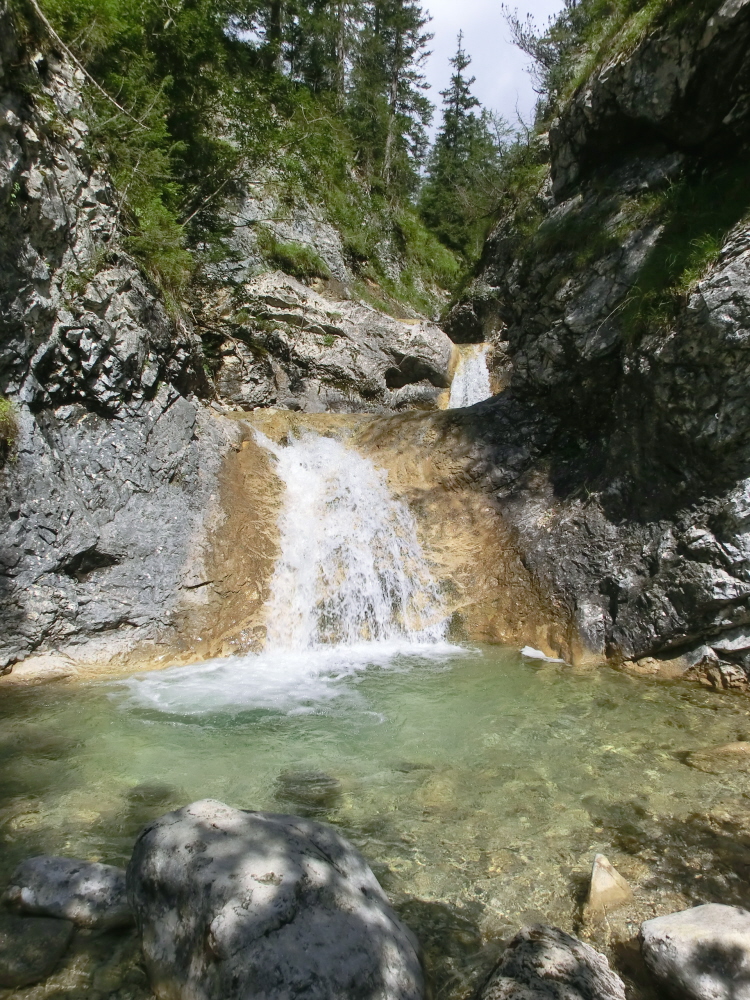
Here are some photos of a few excursions we made to the Krüner and Wallgauer Alms above  the Isar Tal and along the Leutasch Valley in Austria, which runs along the Southern flanks of the Wetterstein Range, close to the Zugspitz (Germany’s highest mountain at just under 3000m). Happy summer days (with just a hint of autumn over the horizon) enjoying what I like doing best; discovering plants, rocks, bugs, beasties, trees and new hidden corners…
CIMG5952

CIMG5969

CIMG5964

CIMG5980

CIMG5990

CIMG5996

CIMG5988

CIMG6010

CIMG6014

CIMG6024

CIMG6019

CIMG6026

CIMG6162

CIMG6168

CIMG6189

CIMG6172

CIMG6195

CIMG6196

CIMG6225

CIMG6211

CIMG6154

CIMG5894

CIMG6249

For more on the Karwendel Alps area, see a couple of my earlier posts;

https://ianwcanoe.wordpress.com/2013/02/13/seeking-the-good-life-in-the-karwendal-alps/

https://ianwcanoe.wordpress.com/2012/10/03/a-wrong-turning-in-the-bavarian-alps/

Posted in Family, History & Culture, In Europe, Mountain Treks, Wild Places | Tagged , , , , , , , , , , , , , , , , , | Leave a comment

Nature’s Children

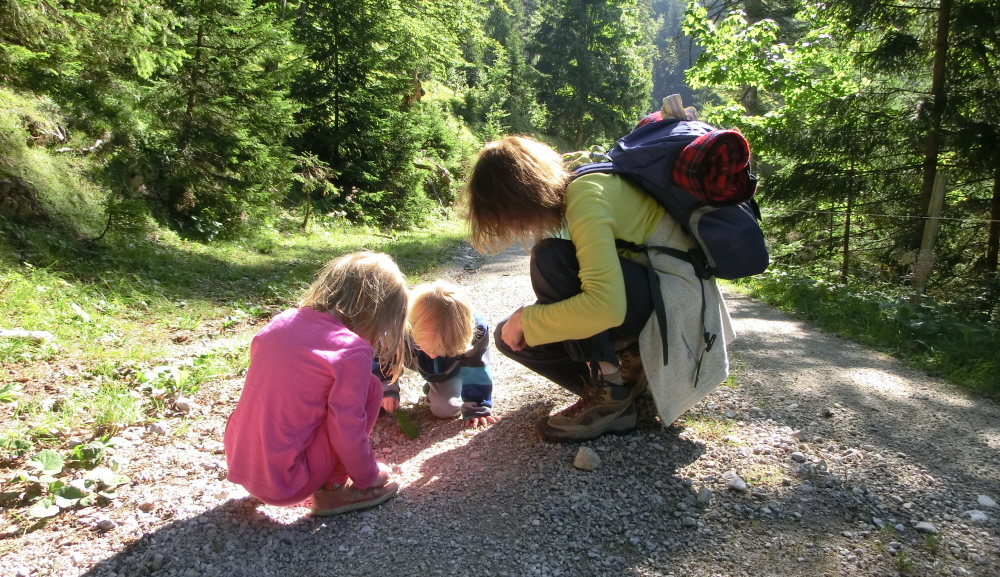
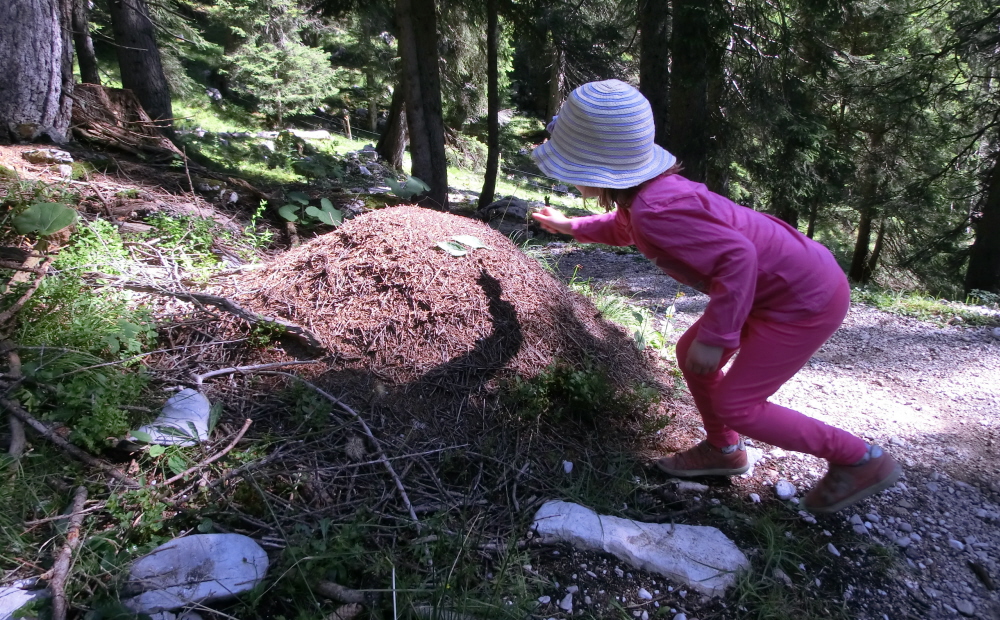
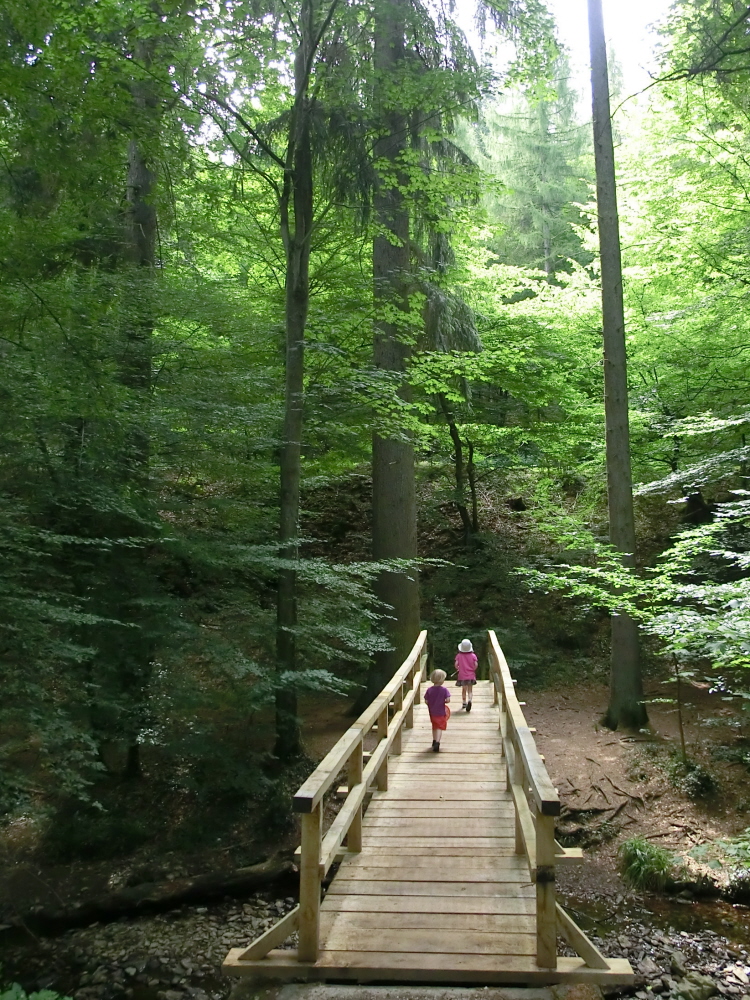
Keeping kids amused in the summer holidays can be a chore but you don’t need to fly your 4-year-old half way around the world to Disneyland to have fun; forget theme parks, computer games, TV and all the organised attractions where people want to sell you some off-the shelf, pre-packaged “experience”.

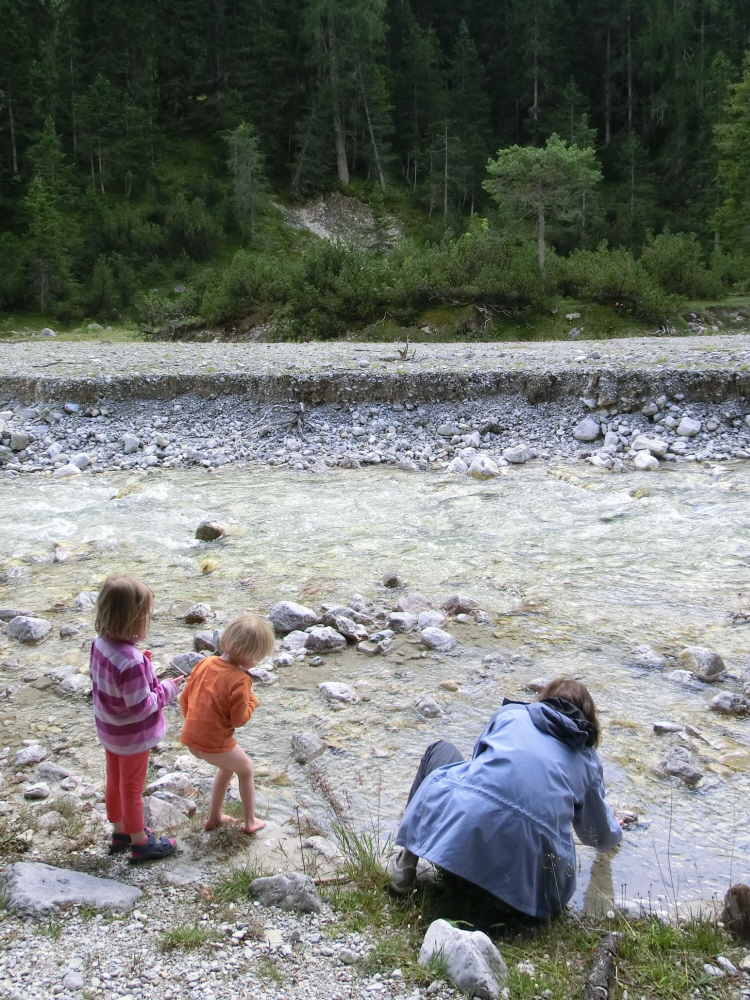
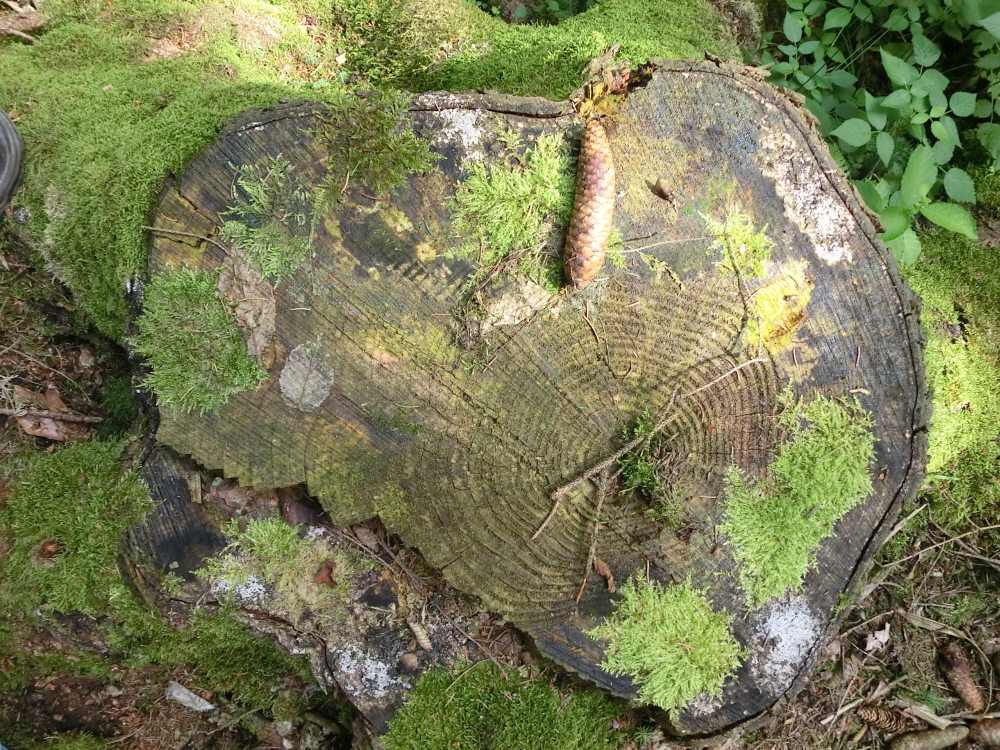
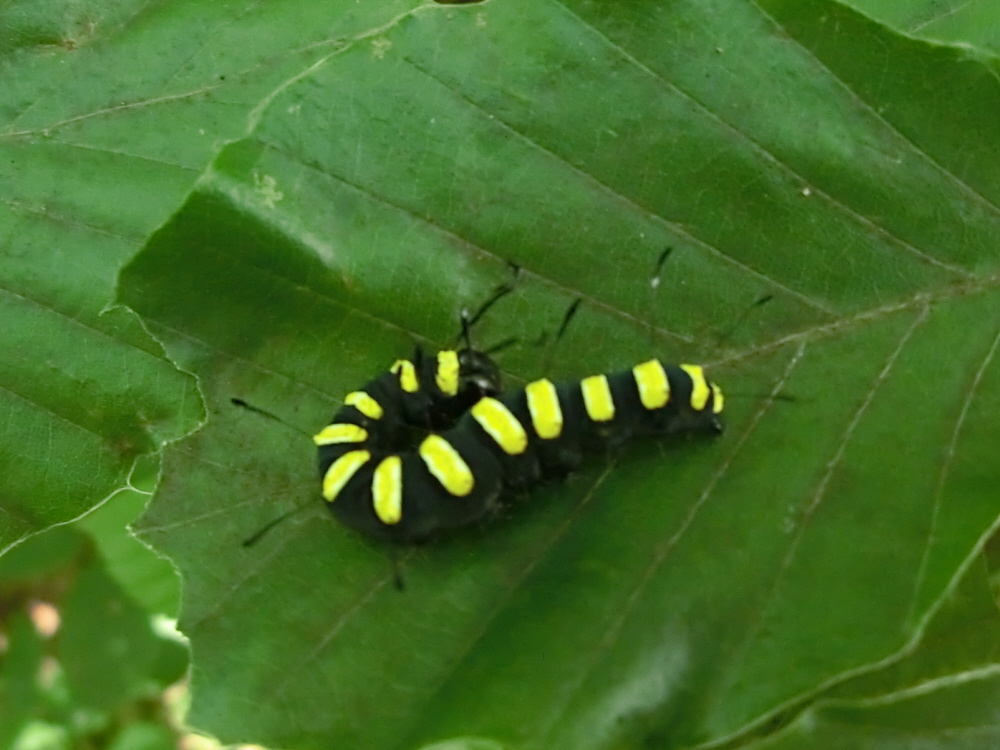
We’ve found that there really is plenty to keep young minds occupied down in the woods. Essential ingredients of the magic formula are; sticks, stones, water, cones, leaves, bugs and creepy-crawlies. Add a touch of imagination and lots of time for exploration and discovery and… Abracadabra; let the spell work its magic.

Why do we always like to make life more complicated than it really need be ?  After all, at heart we’re surely all nature’s children…

CIMG5678

CIMG5688

CIMG5700

CIMG5710

CIMG5726

CIMG5714

CIMG5746

Posted in Aachen & Euregio, Family, In Europe, Trees & Greenspaces, Wild Places | Tagged , , , , , , , , | 1 Comment