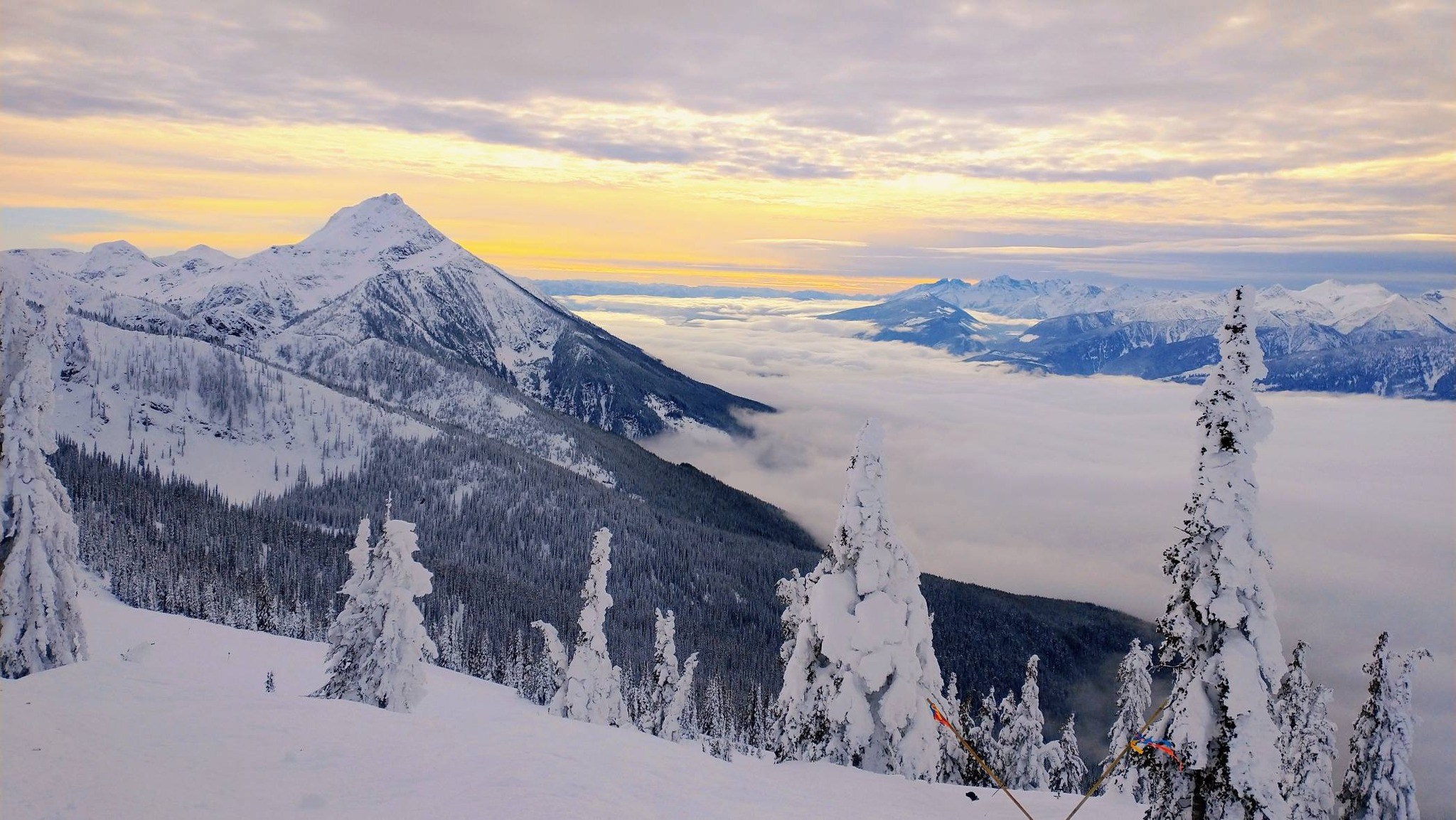
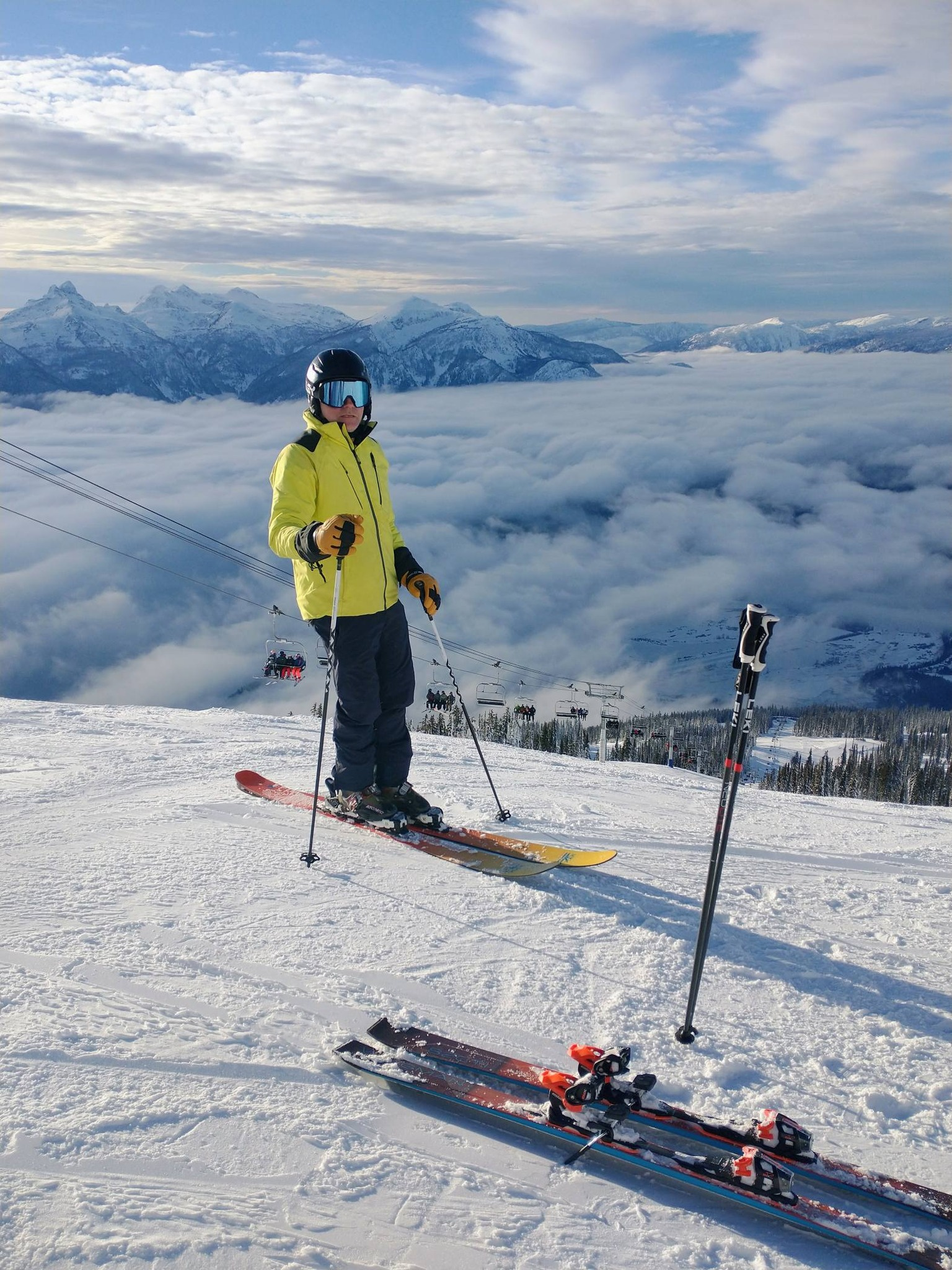
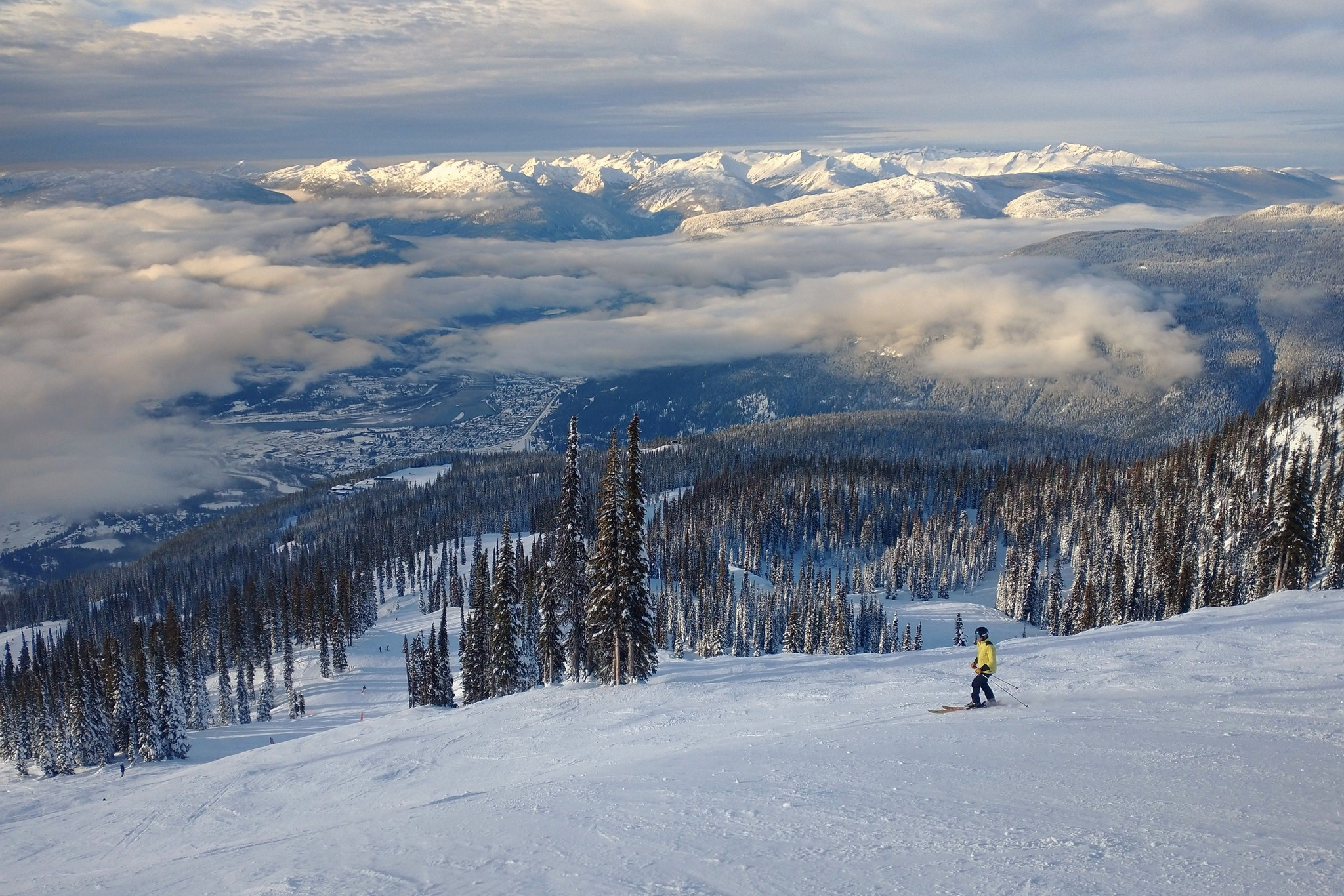
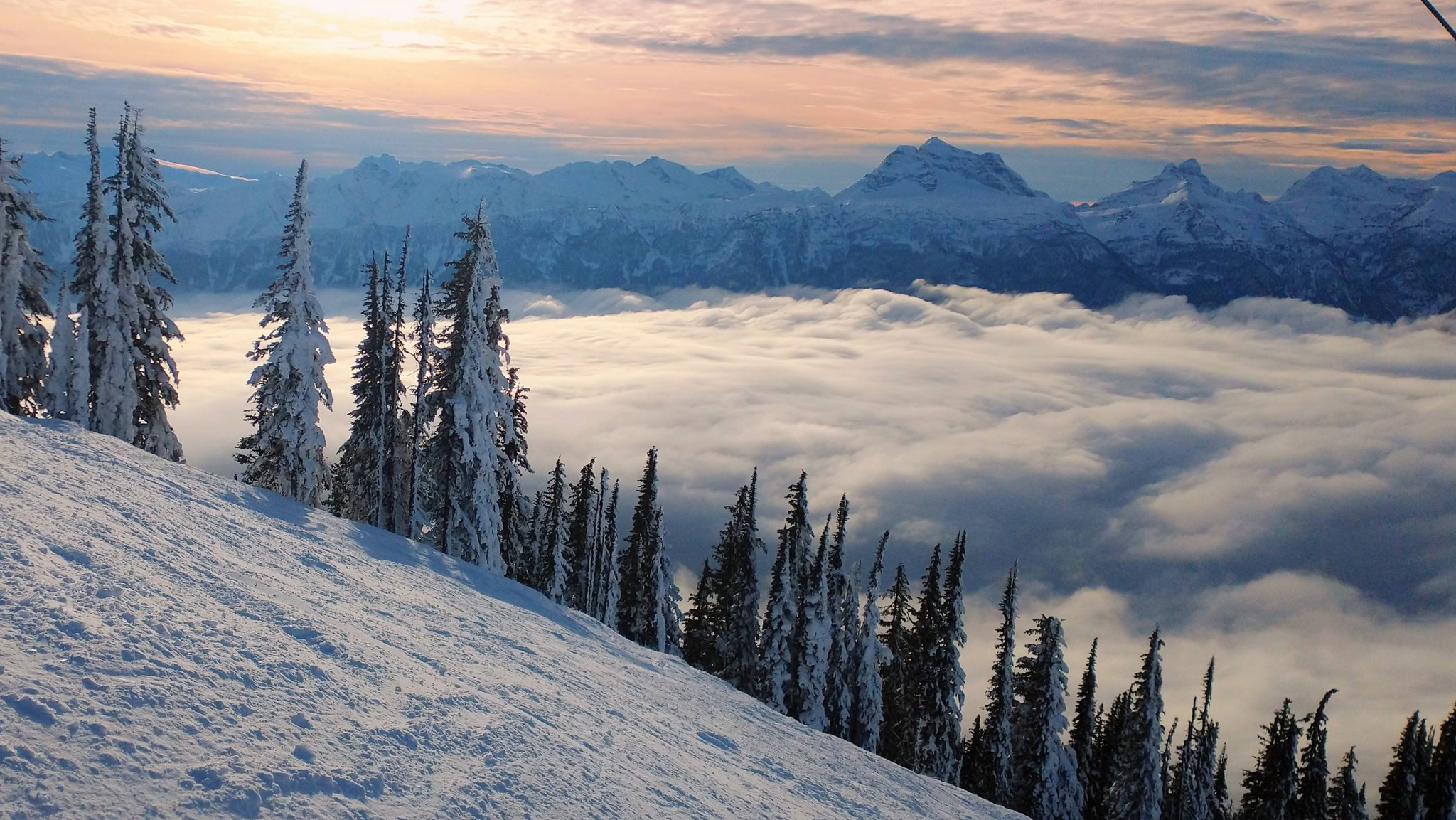
City of Lights

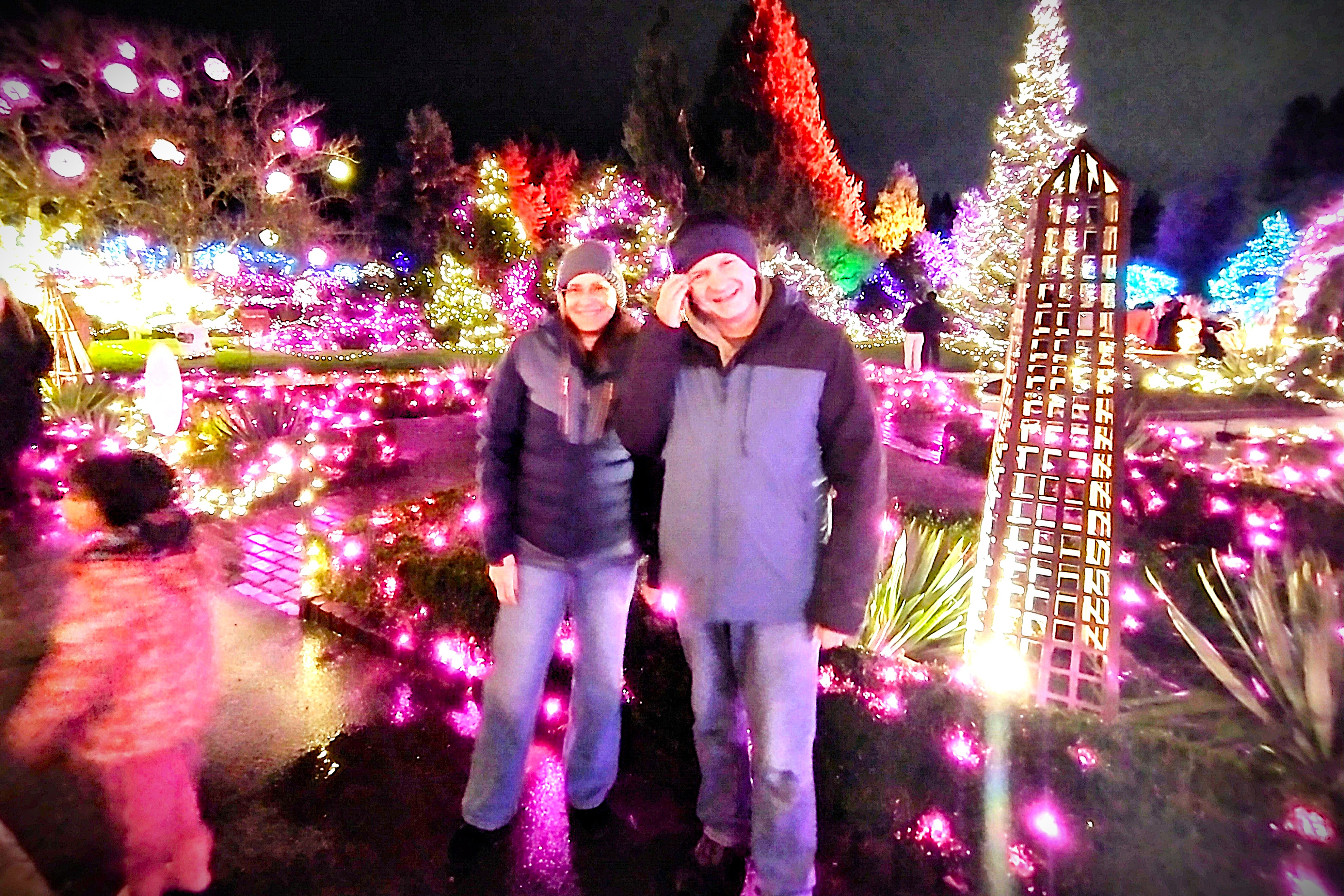
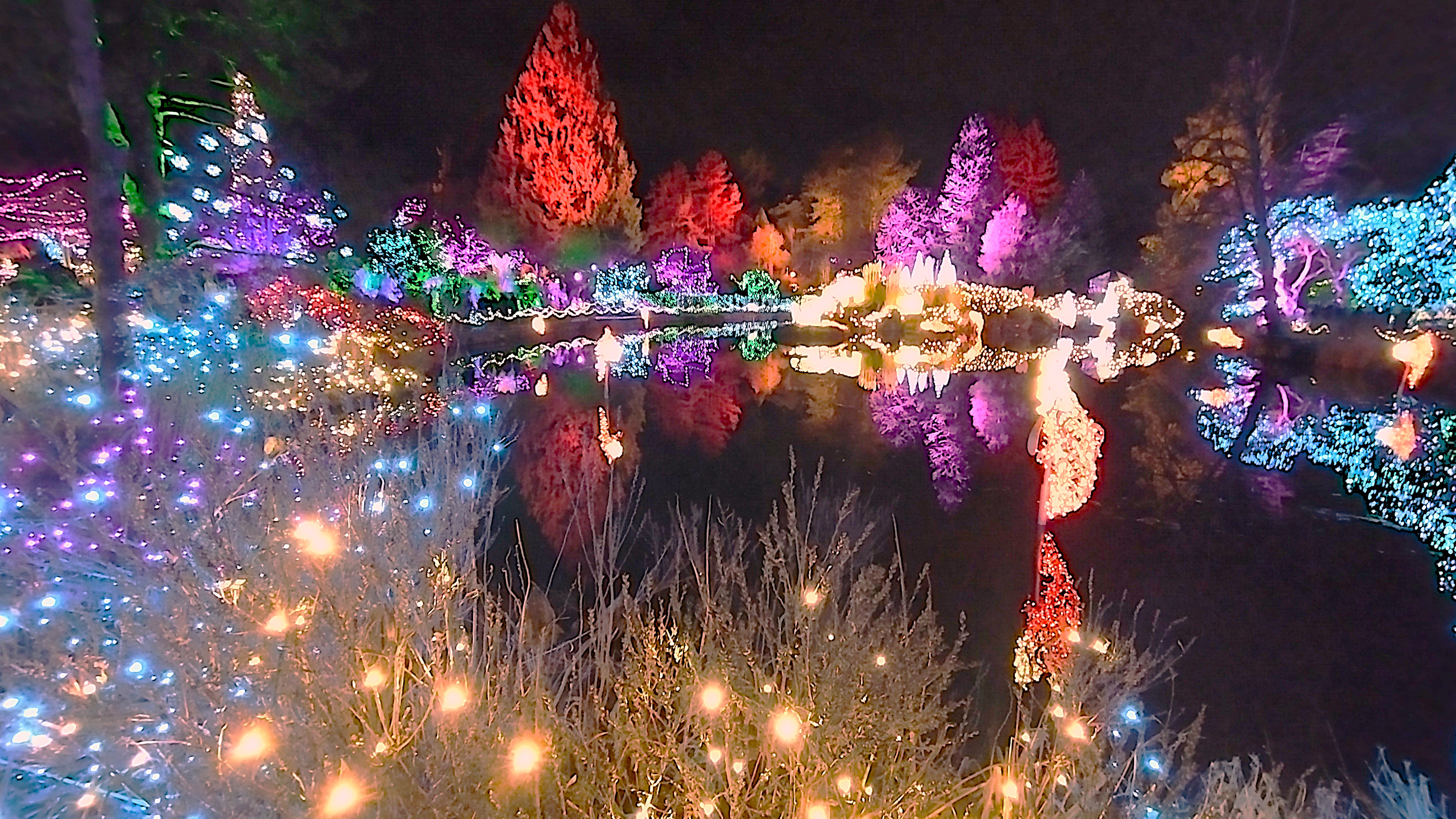
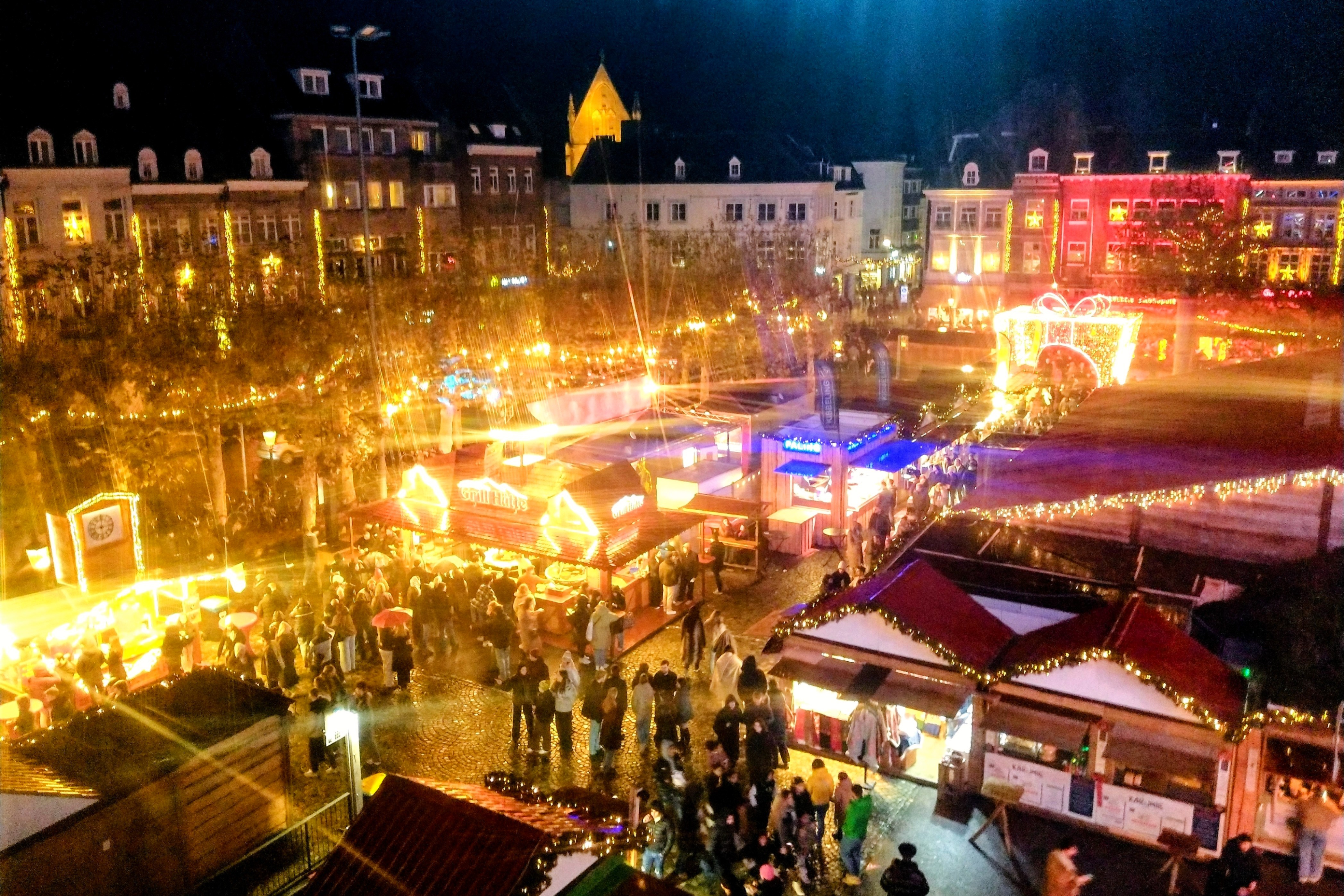
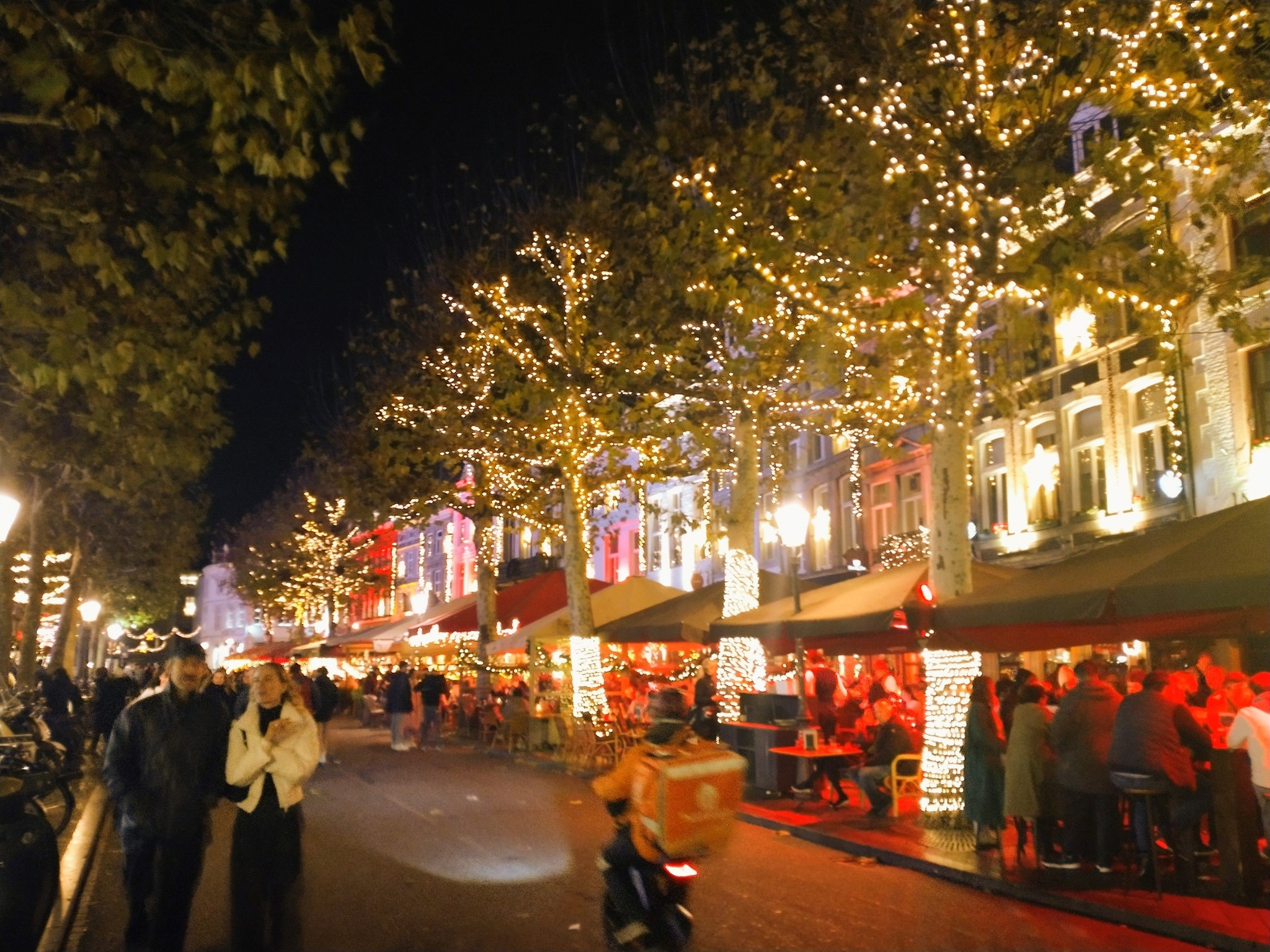
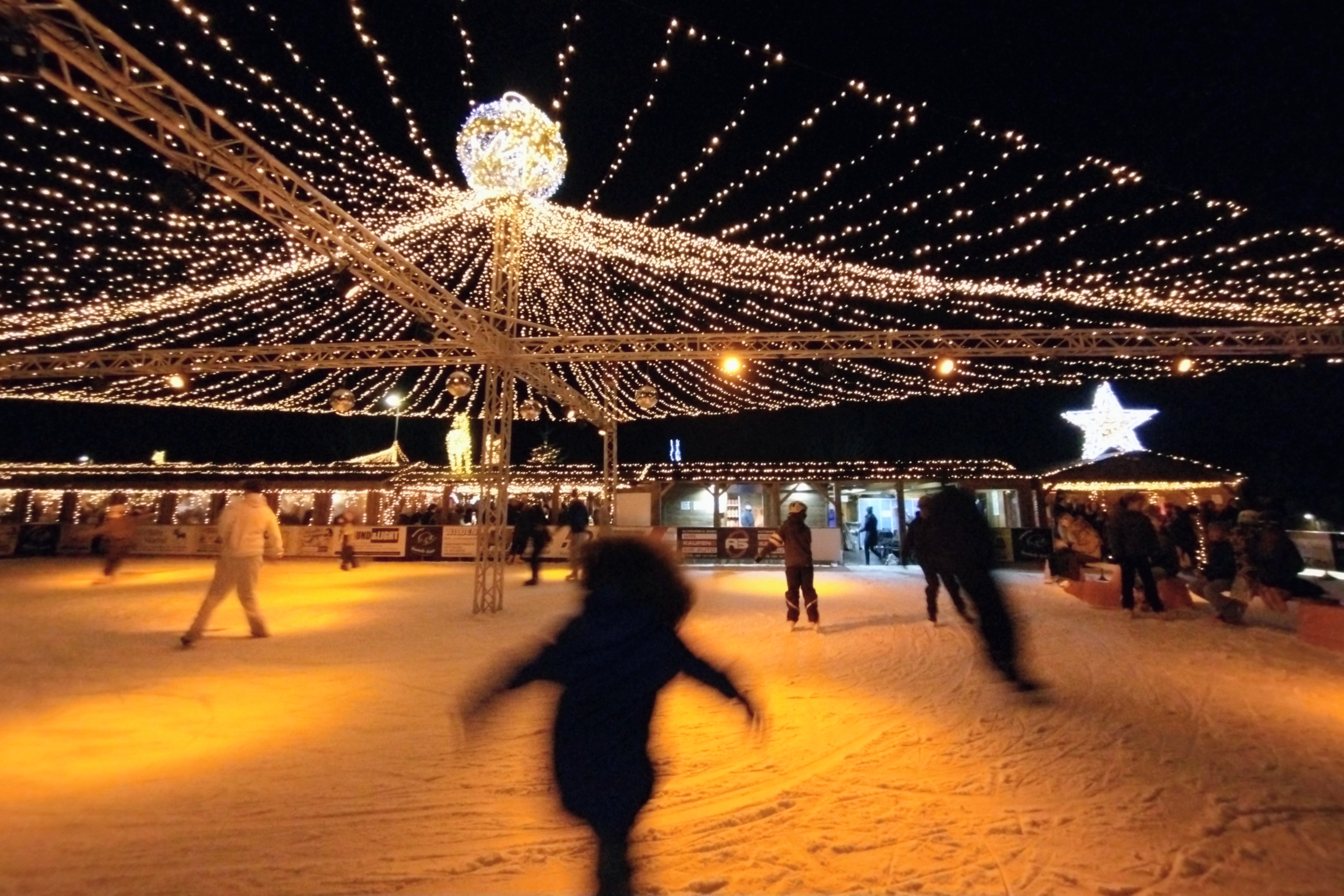
In the run up to festive season the bright lights of are never very far away in this busy part of Europe. In that respect, we’re really spoilt for choice; whether its a big city crowd-puller Christmas market, a few random stalls selling glühwein and bratwurst around the corner, or a temporary ice rink set up in a local square, it seems there are endless possibilities for self-indulging.

The City of Maastricht, is a mere stone’s throw away across the Dutch border from here. Maastricht never disappoints with its cosmopolitan atmosphere, beautiful light displays, upbeat international vibe and a very palpable sense of history. A few impressions from some chilly winter evenings around these parts…

Posted in Aachen & Euregio, History & Culture, In Europe, Urbanism | Tagged , , , , | Leave a comment

On an Autumn Morning

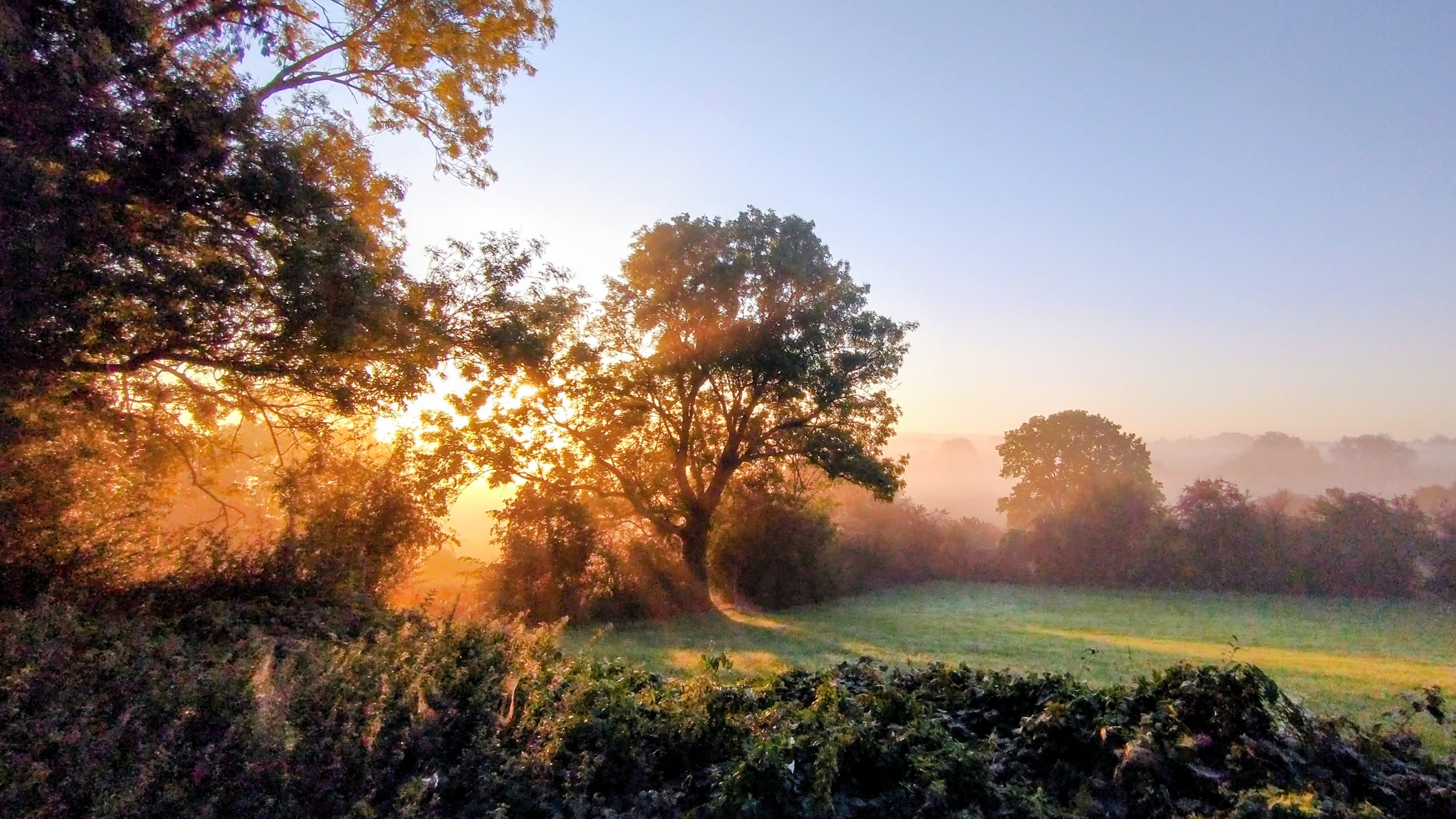
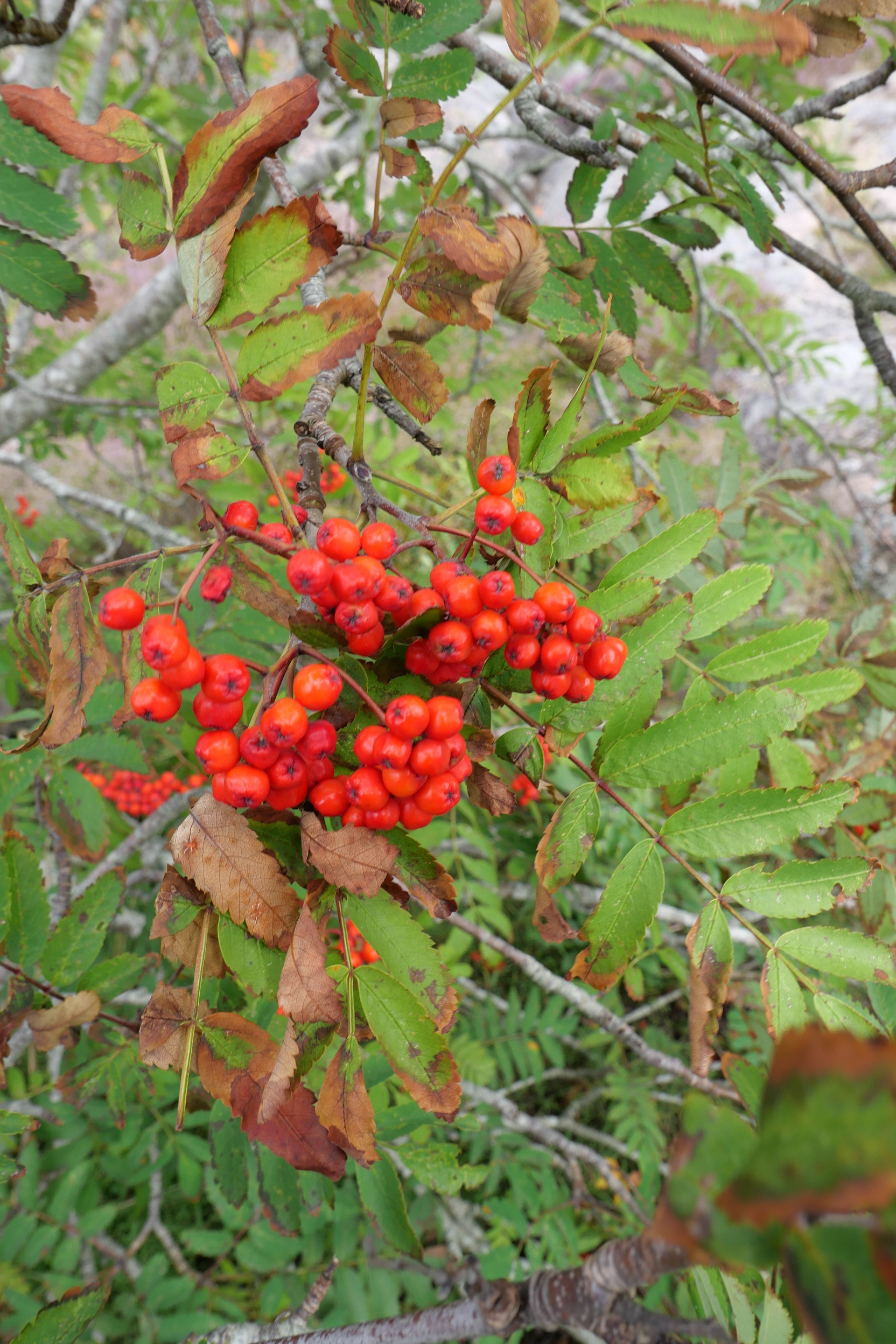
A couple of quick snaps from an impromptu roadside stopover on the way to work, on an autumn morning…

We dwell on the big themes in life (both actual and imagined) but are often too preoccupied to notice those special, little everyday moments; like sun burning through mist on a fine autumn morning. Such fleeting events might be precious and ephemeral, but their beauty has a resonance that lives well beyond the moment…

Posted in In Europe, Trees & Greenspaces, Uncategorized, Wild Places | Tagged , , , , , , , | Leave a comment

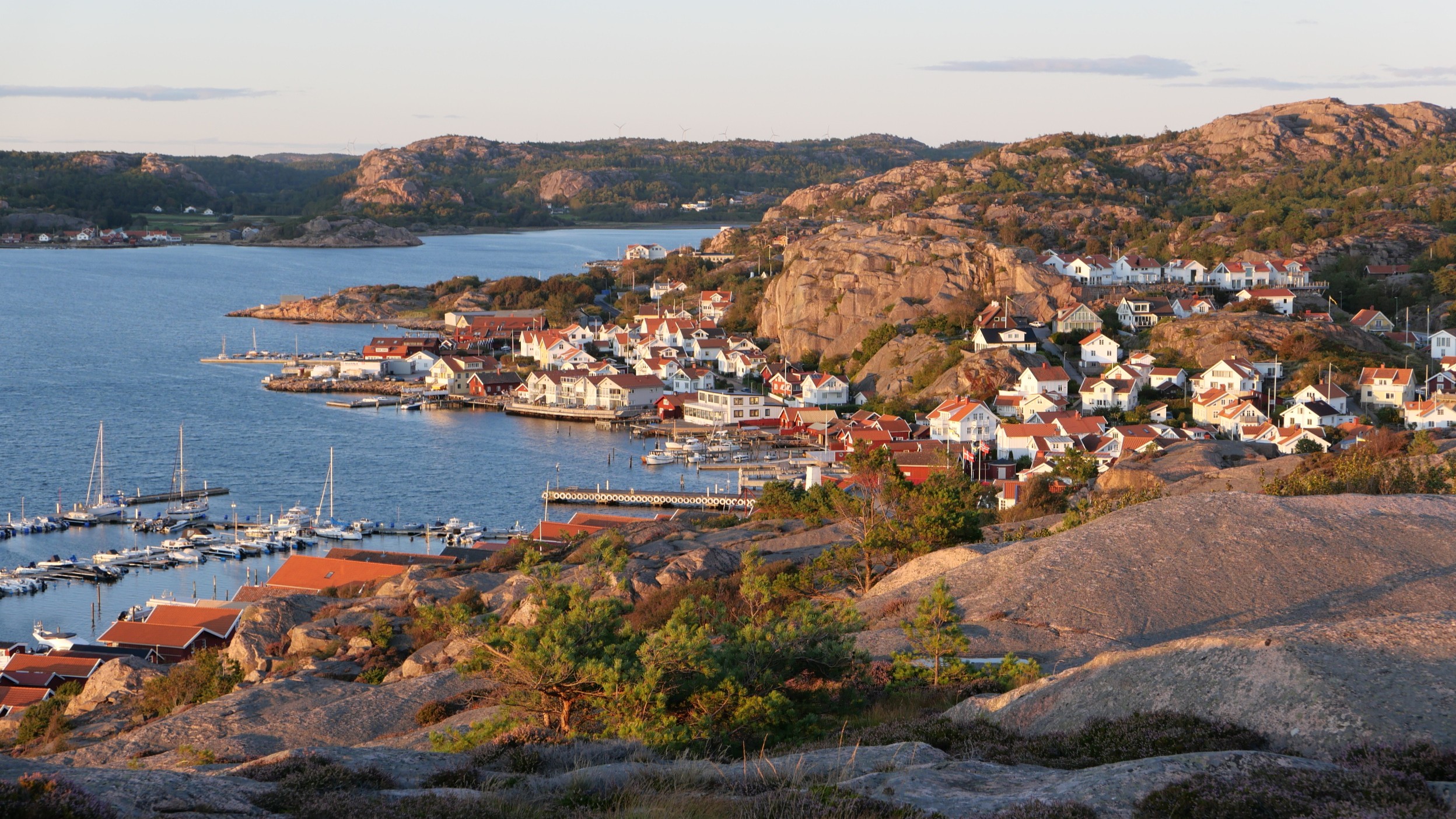
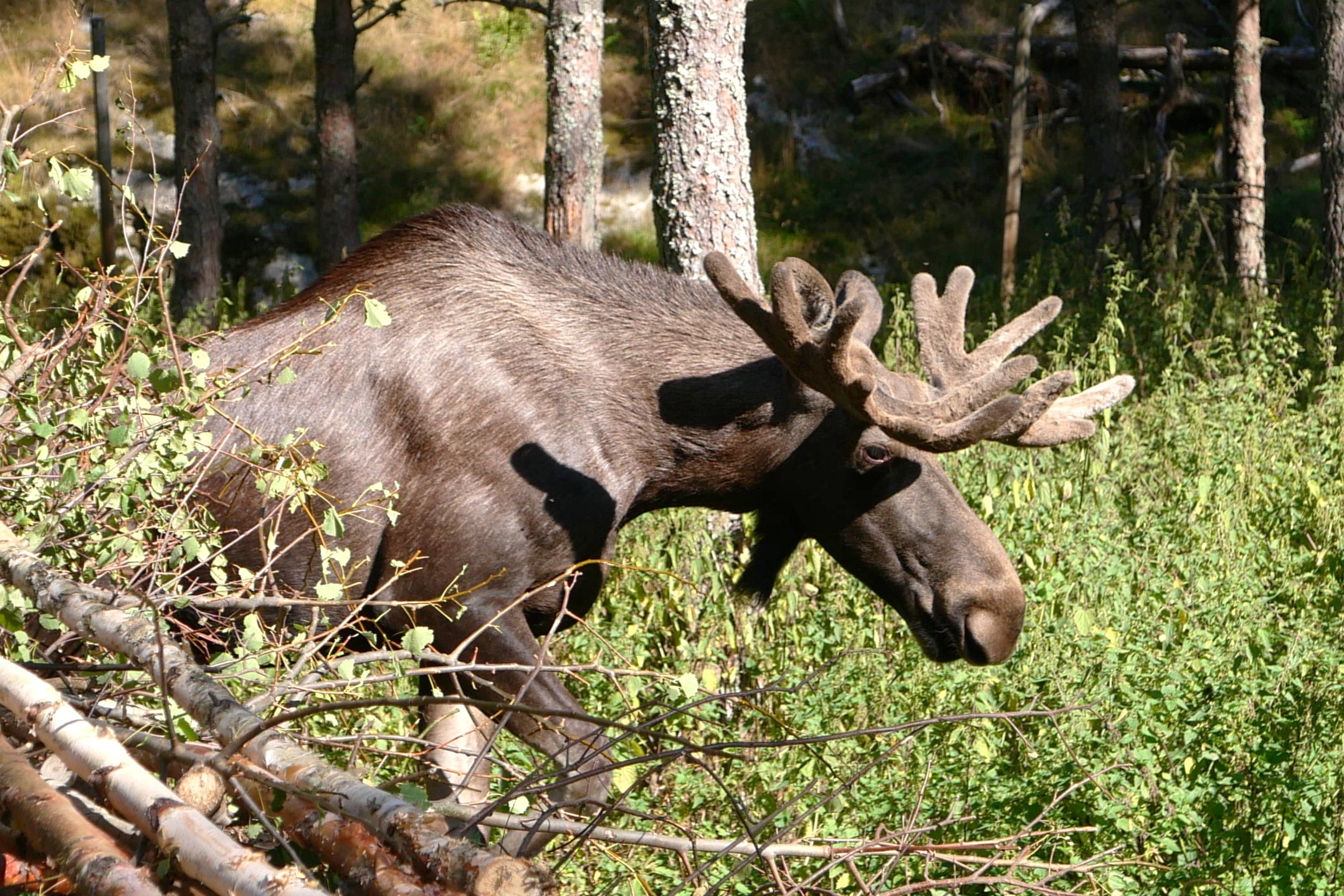
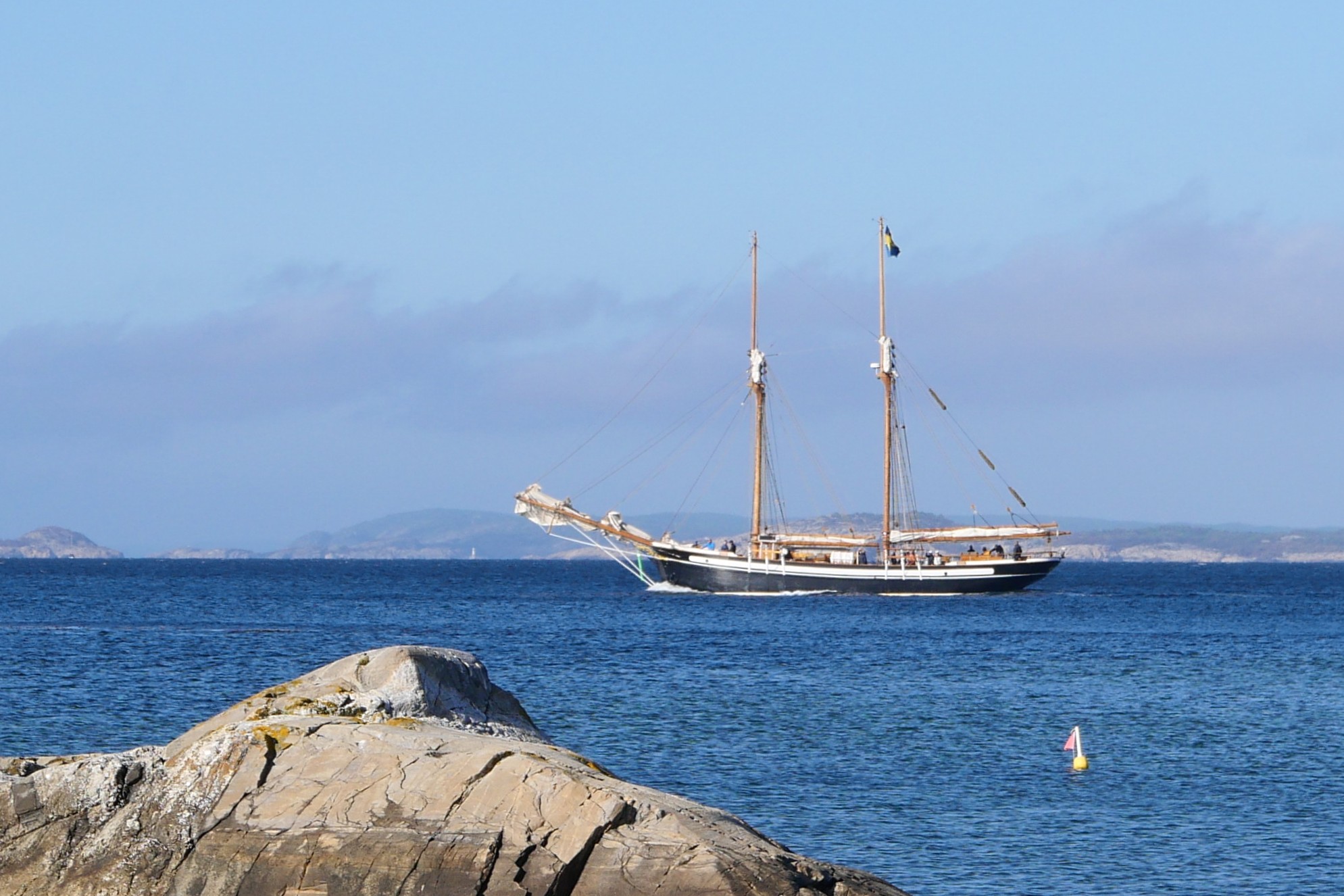
On Sweden’s Bohuslän Coast

So, let’s face it, the tourism industry in general seems to be getting somewhat of a bad name for itself these days. Almost every day I’m reading about yet another small piece of heaven that’s been trashed by the Instagram hoards, or about waves of marauding cruise ship passengers laying siege to some remote community or other. However, not wanting to dwell too much on negative images (or, worse still, to descend into some personal rant), there are other ways of “doing” tourism which are considerably less damaging for nature and which can benefit both locals and visitors alike.

Fortunately, the majority of inspiring places, especially those lesser-known and unglamourous ones, remain still largely untrampled and well off the radar of the madding crowds. To some extent, that’s all well and good, though we could perhaps get a bit more canny when it comes to spreading the visitor load about a bit more (both seasonally and geographically) and away from some of the more predictable tourist honeypots.

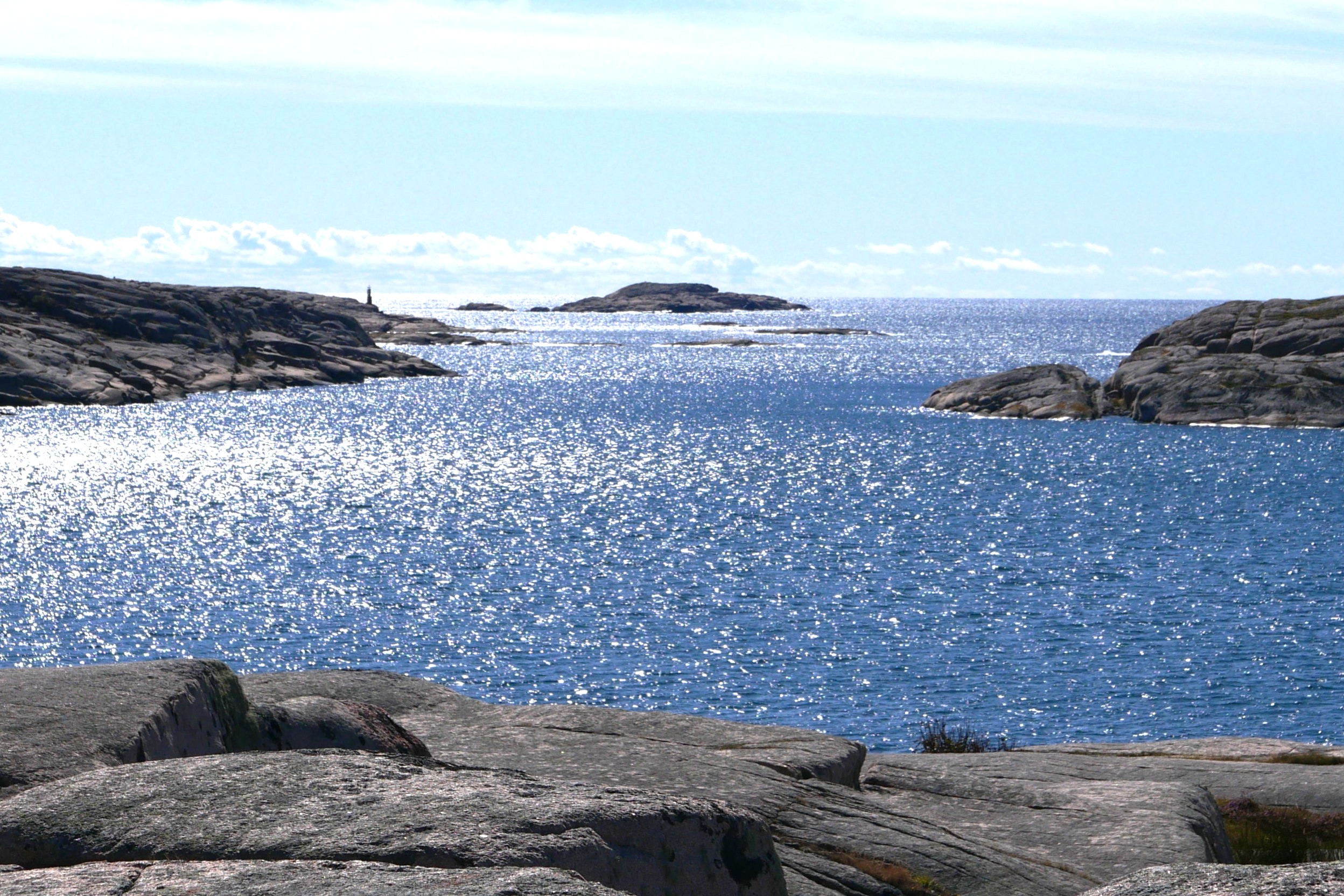
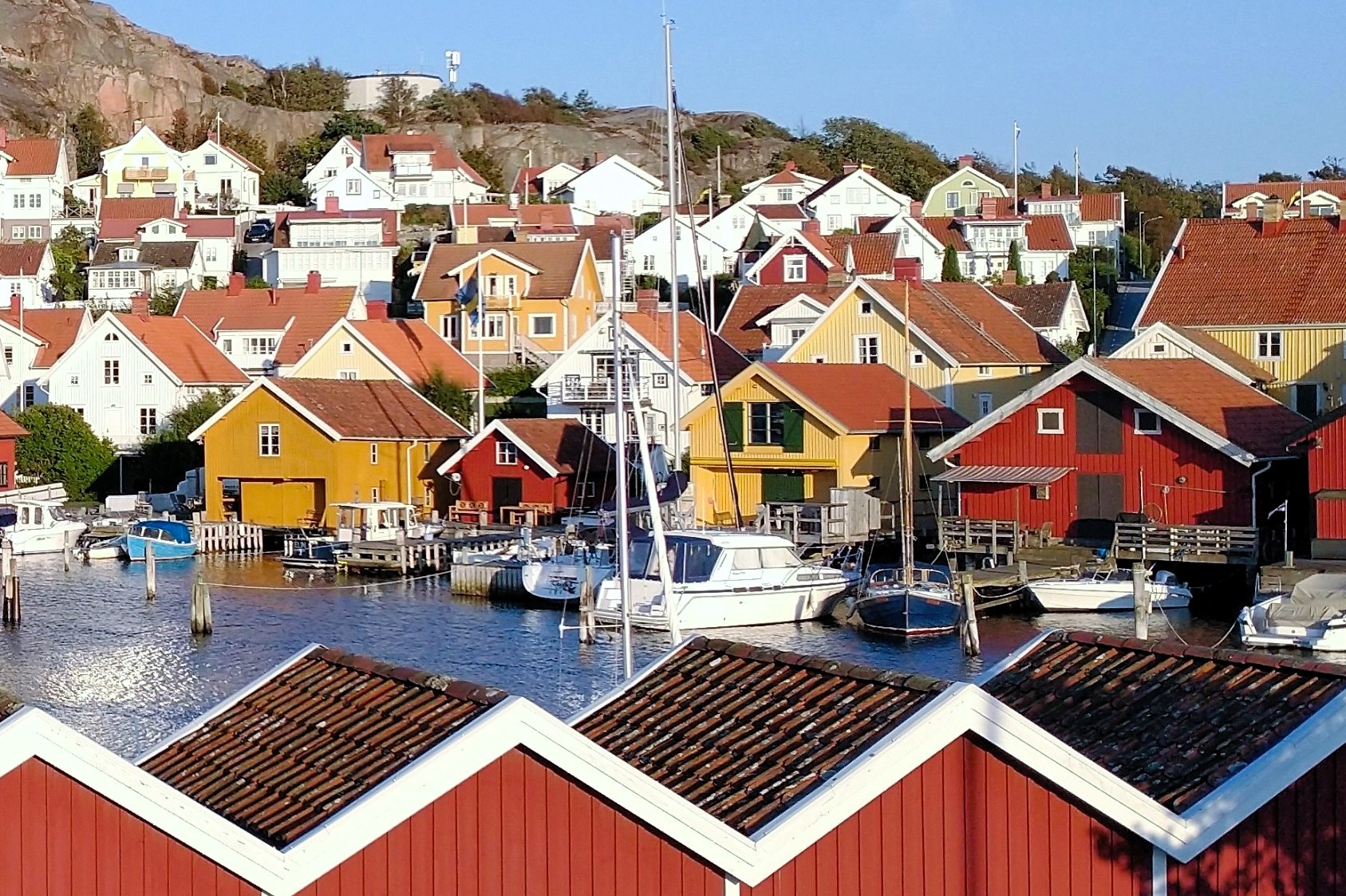
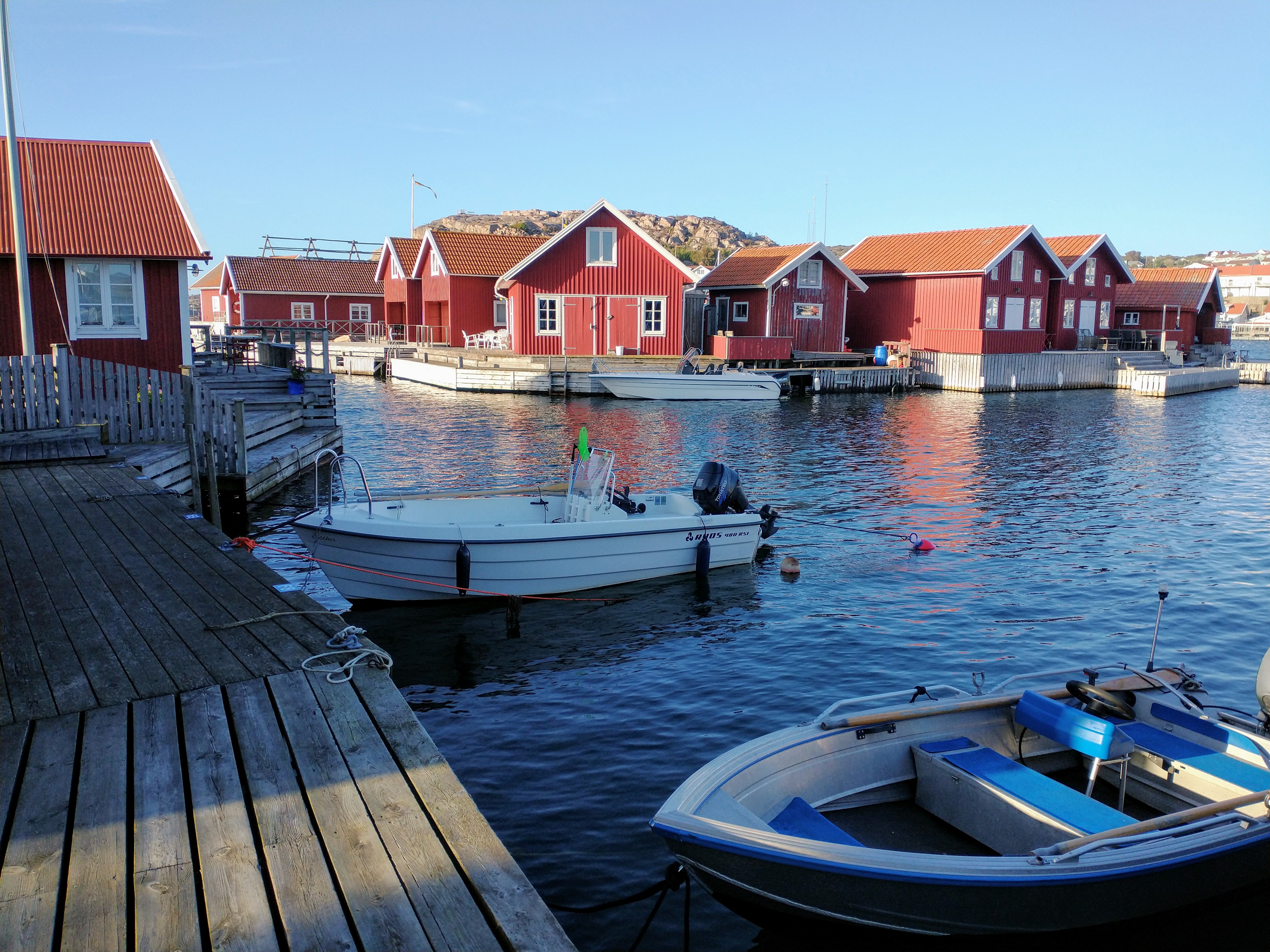
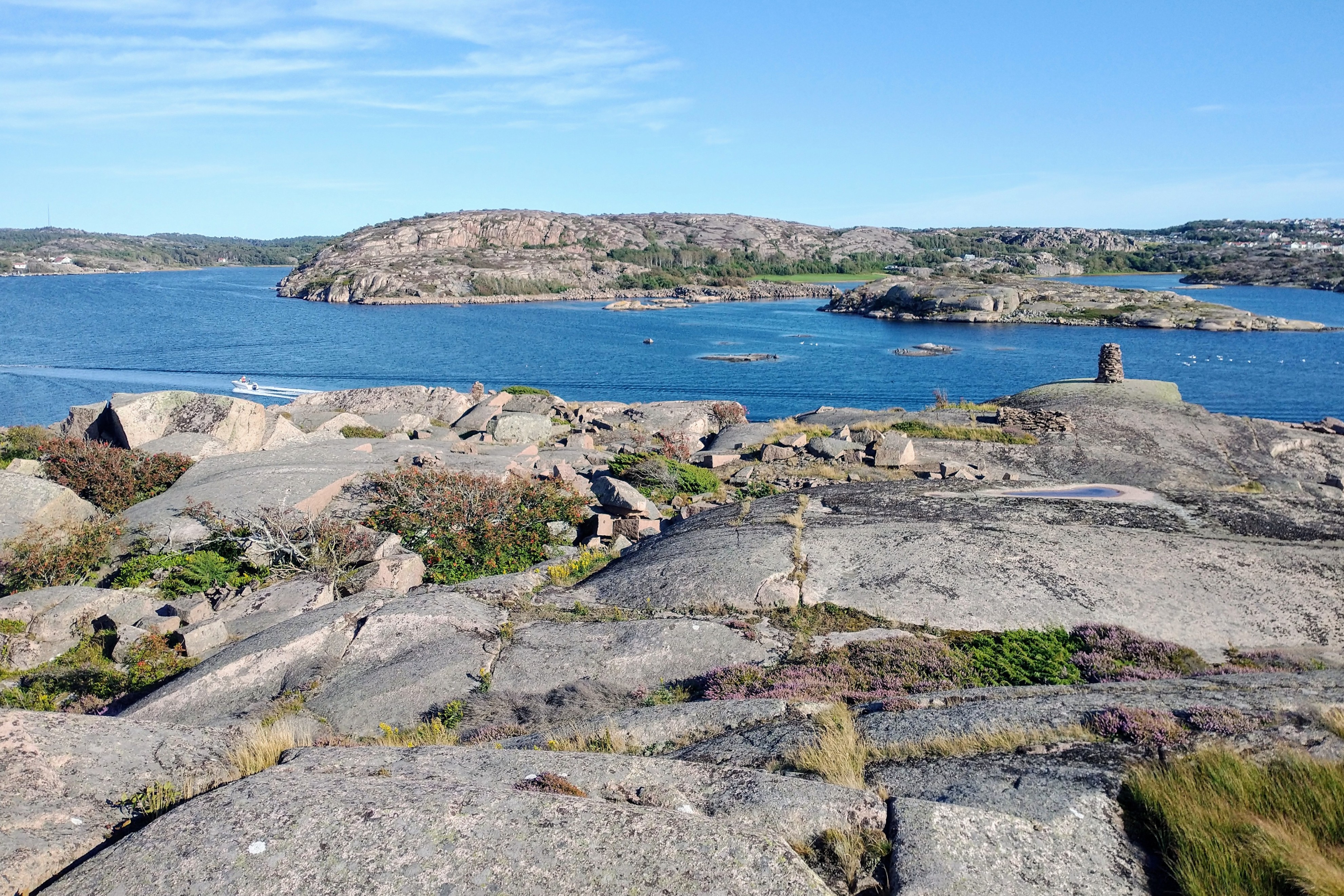
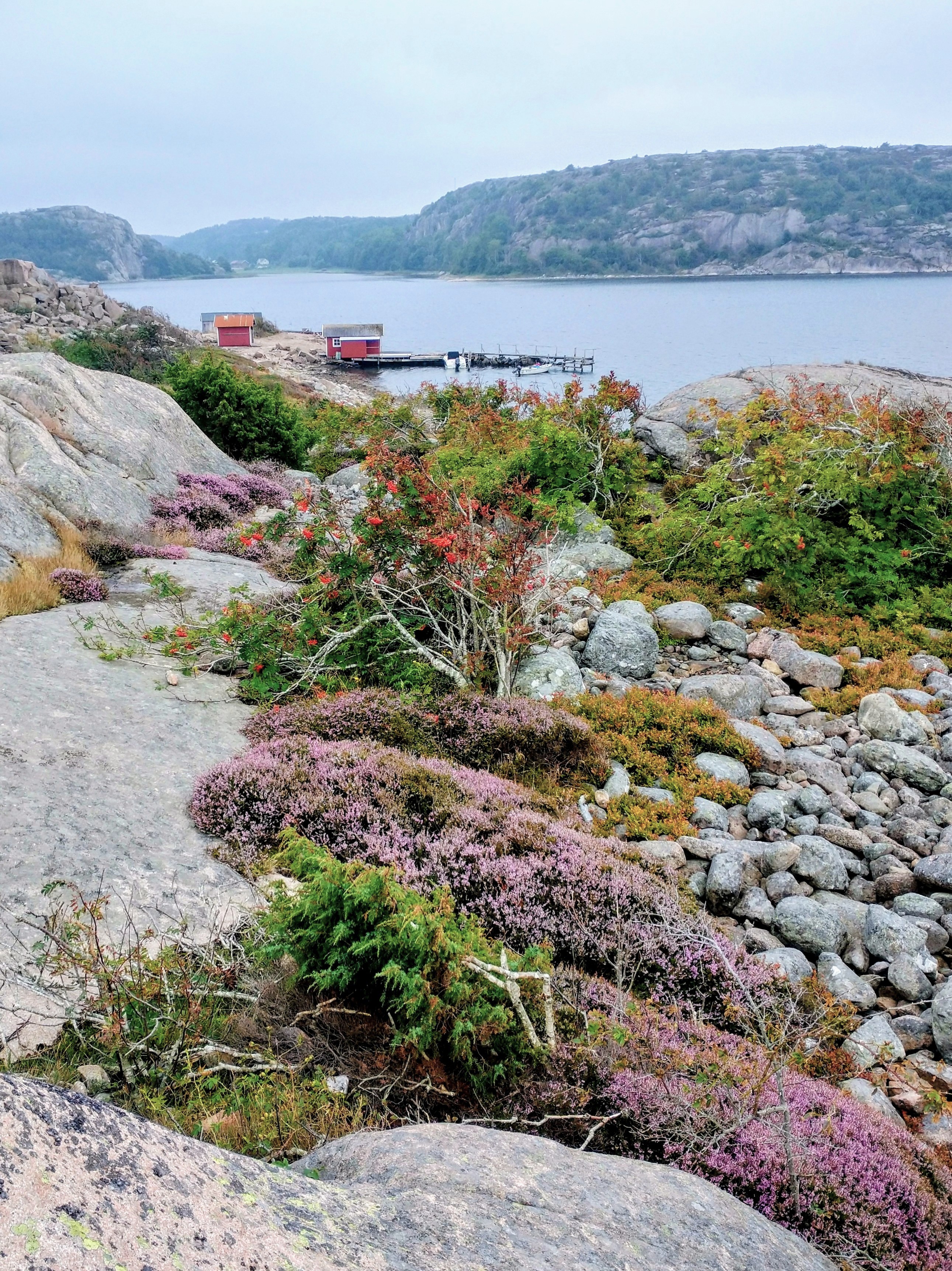
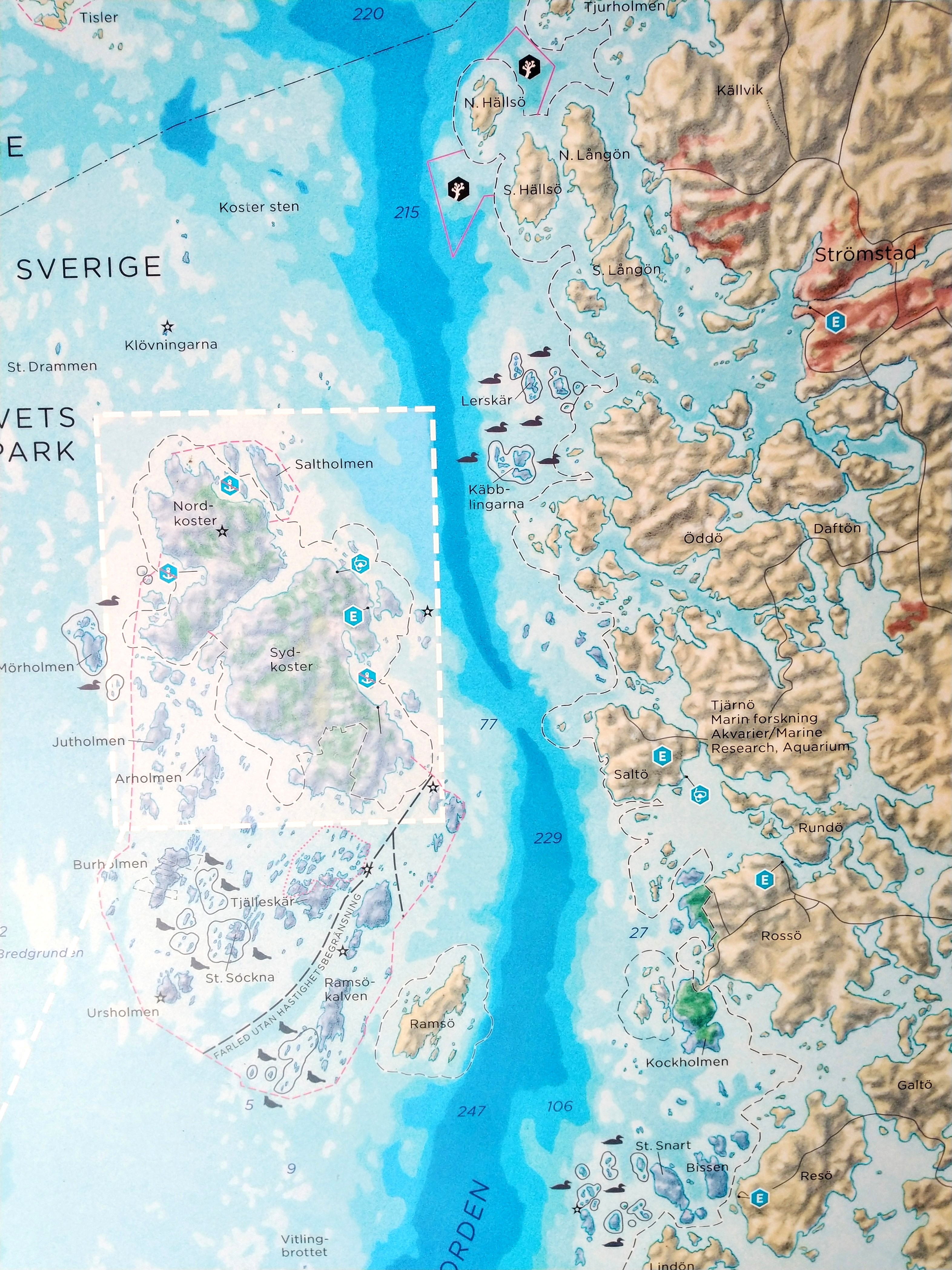
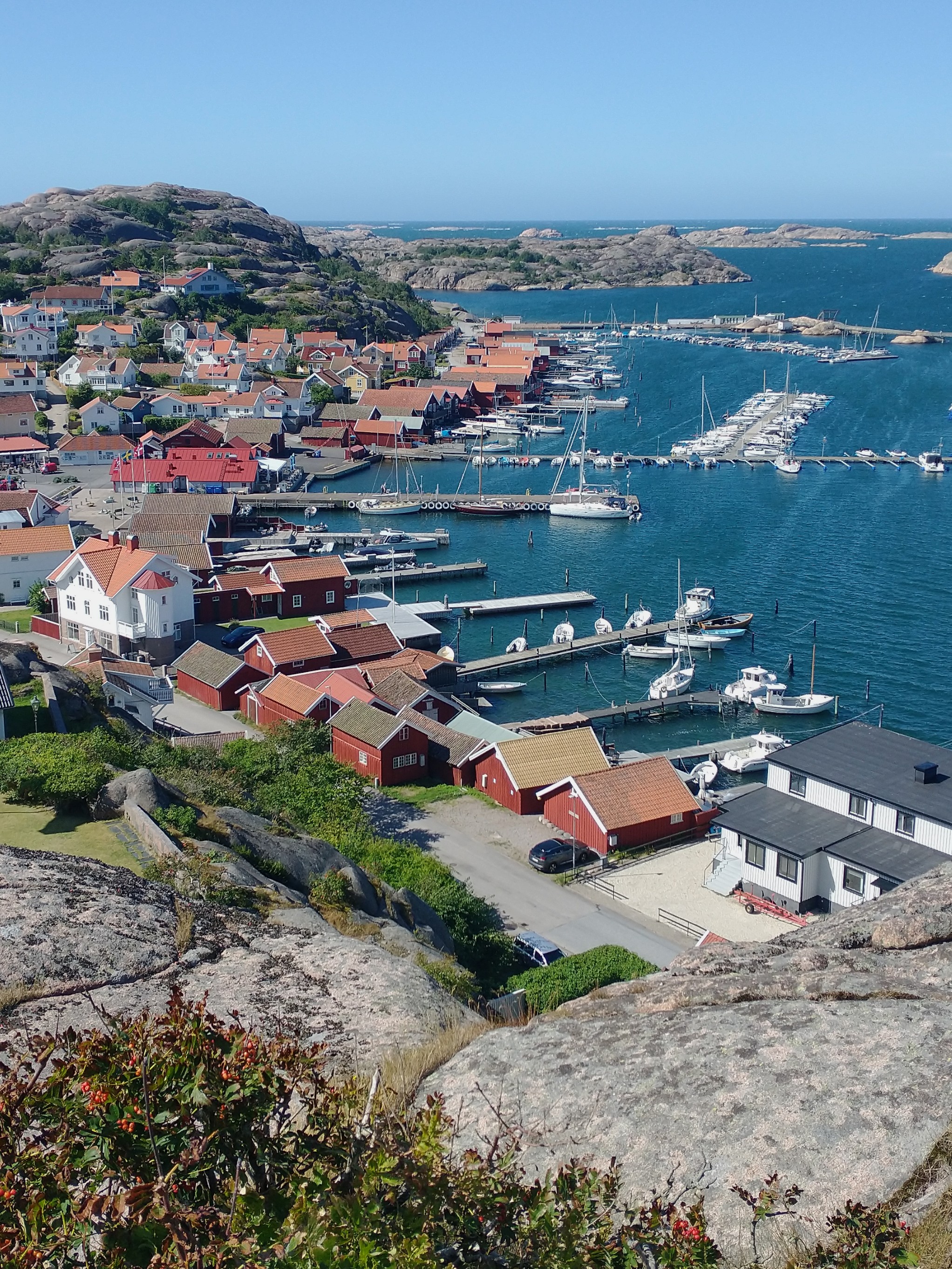
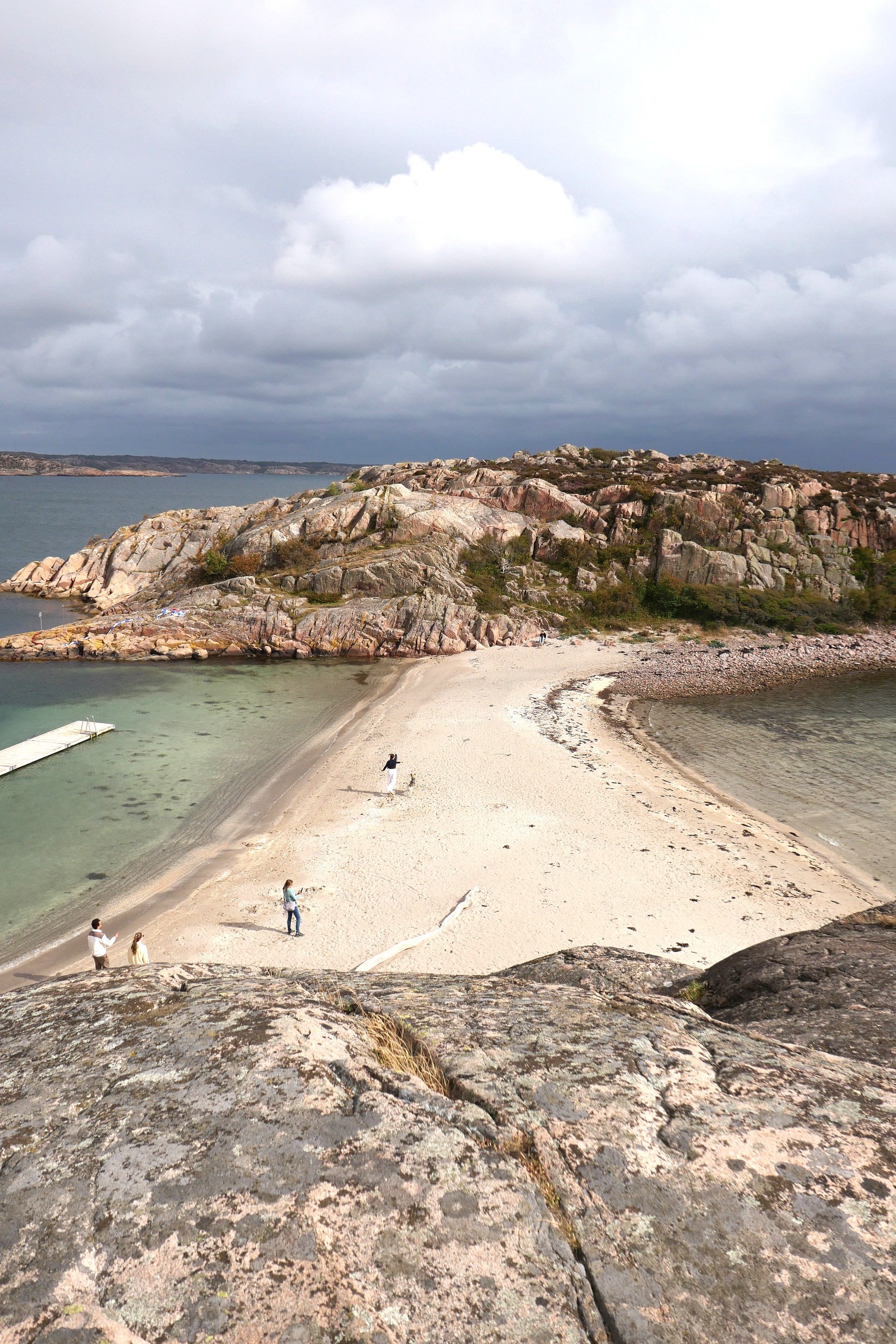
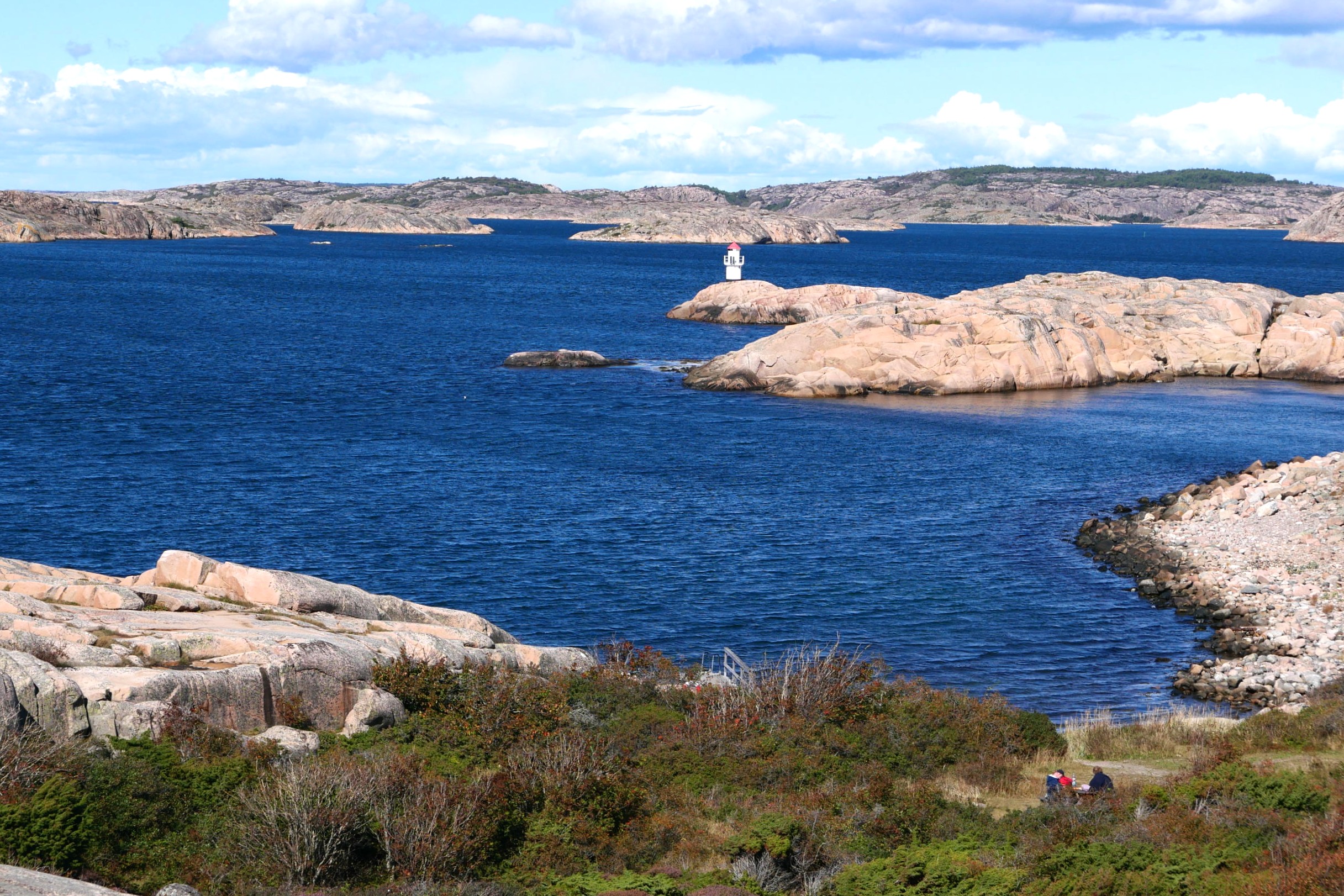
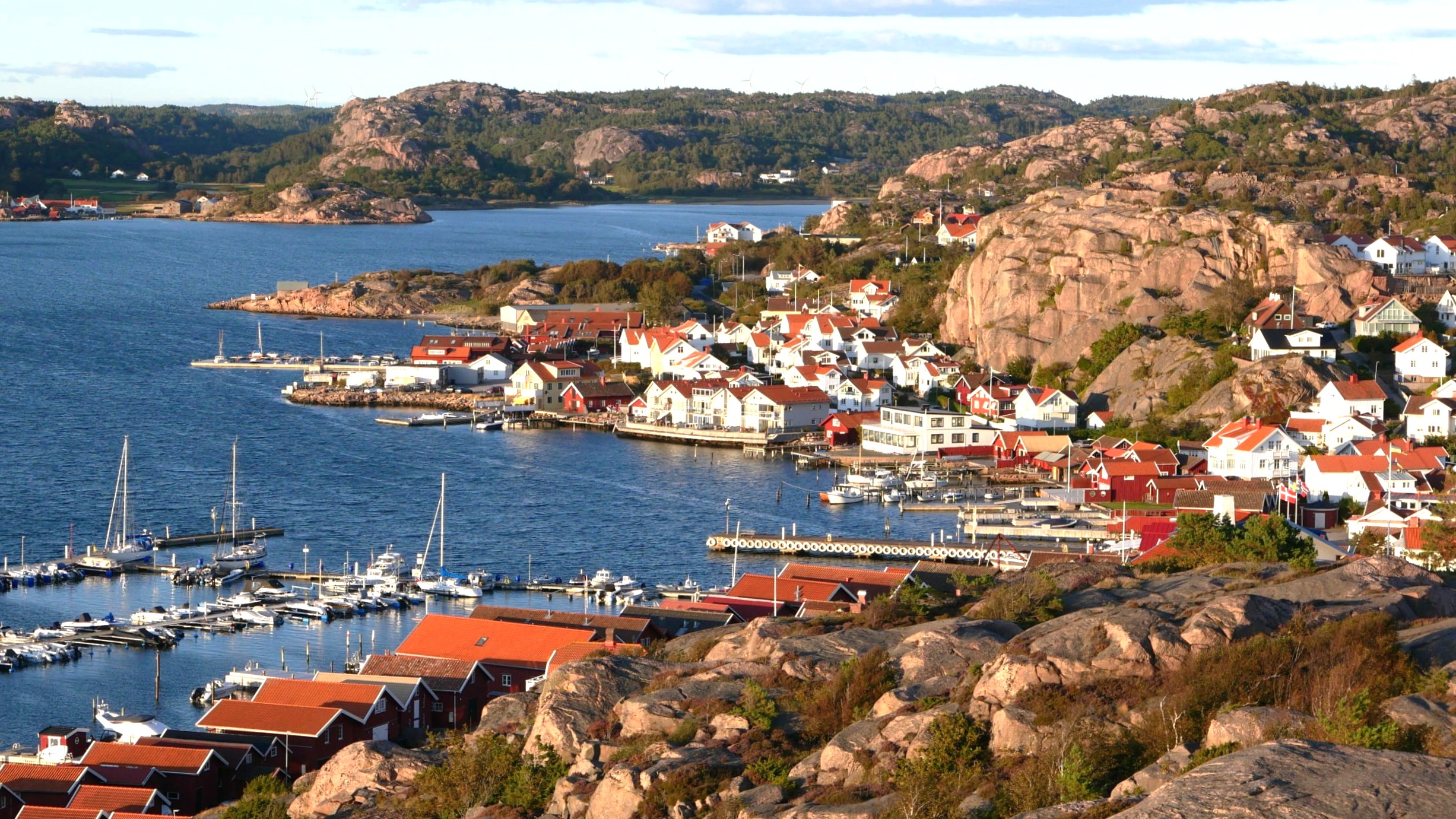
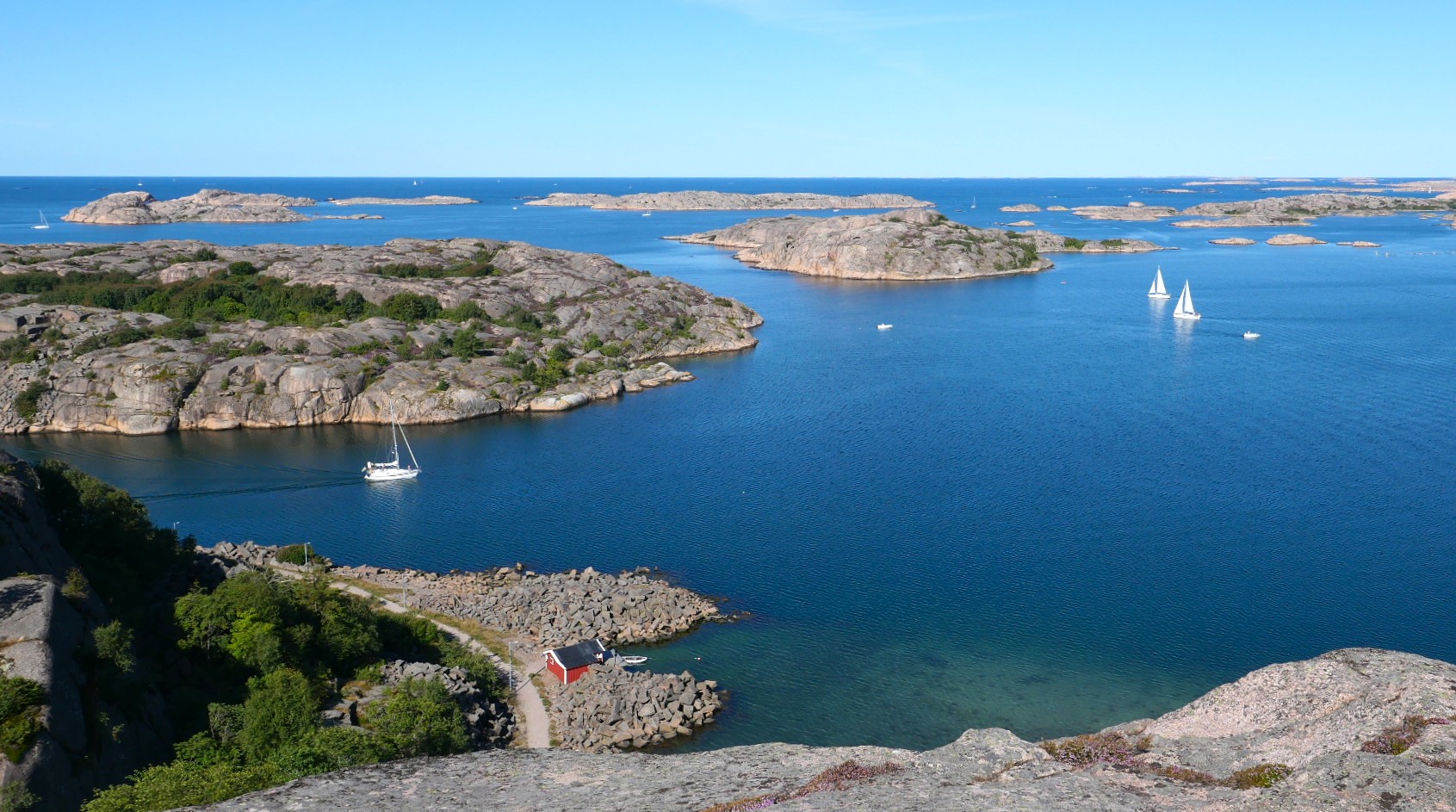
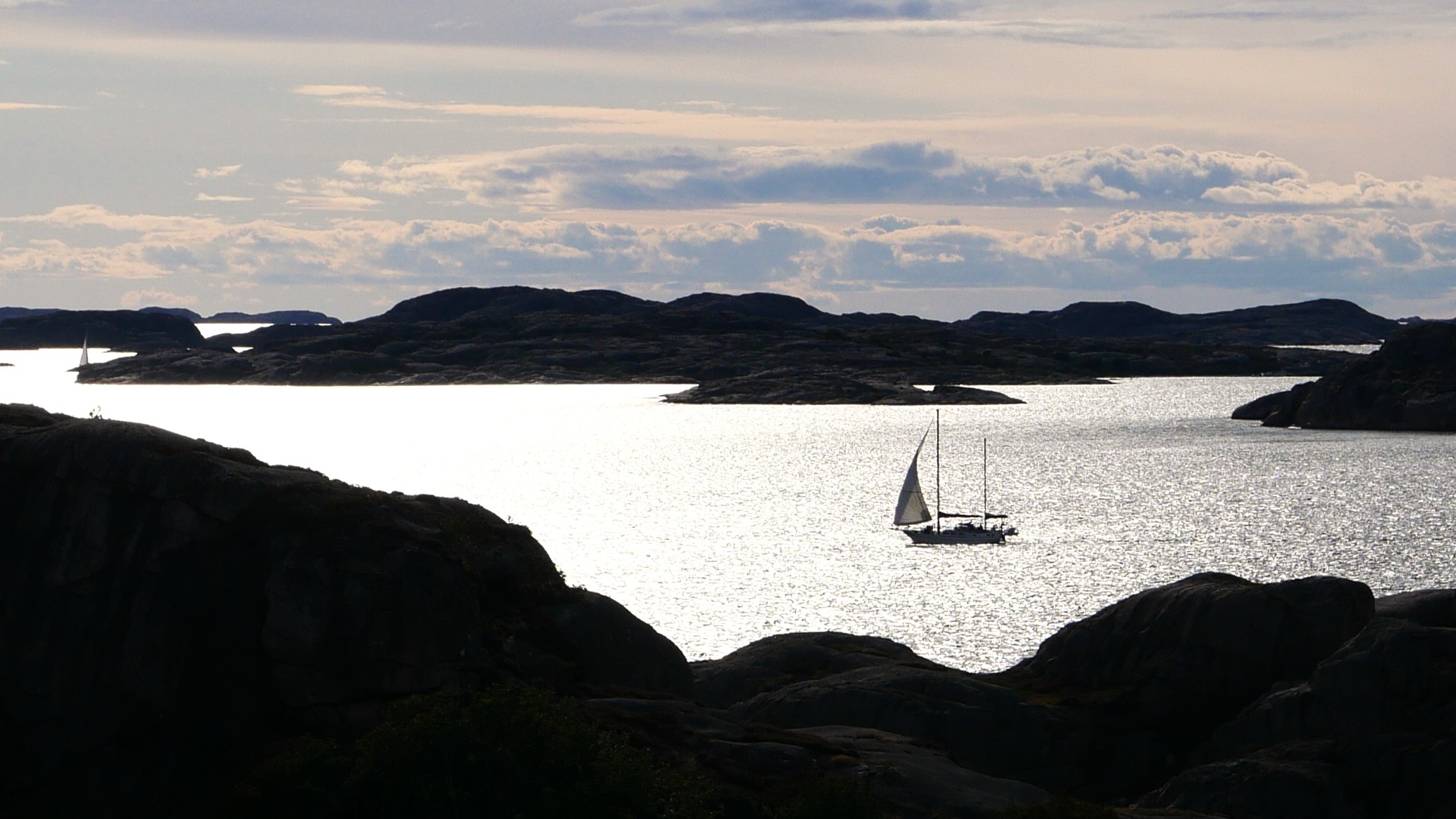
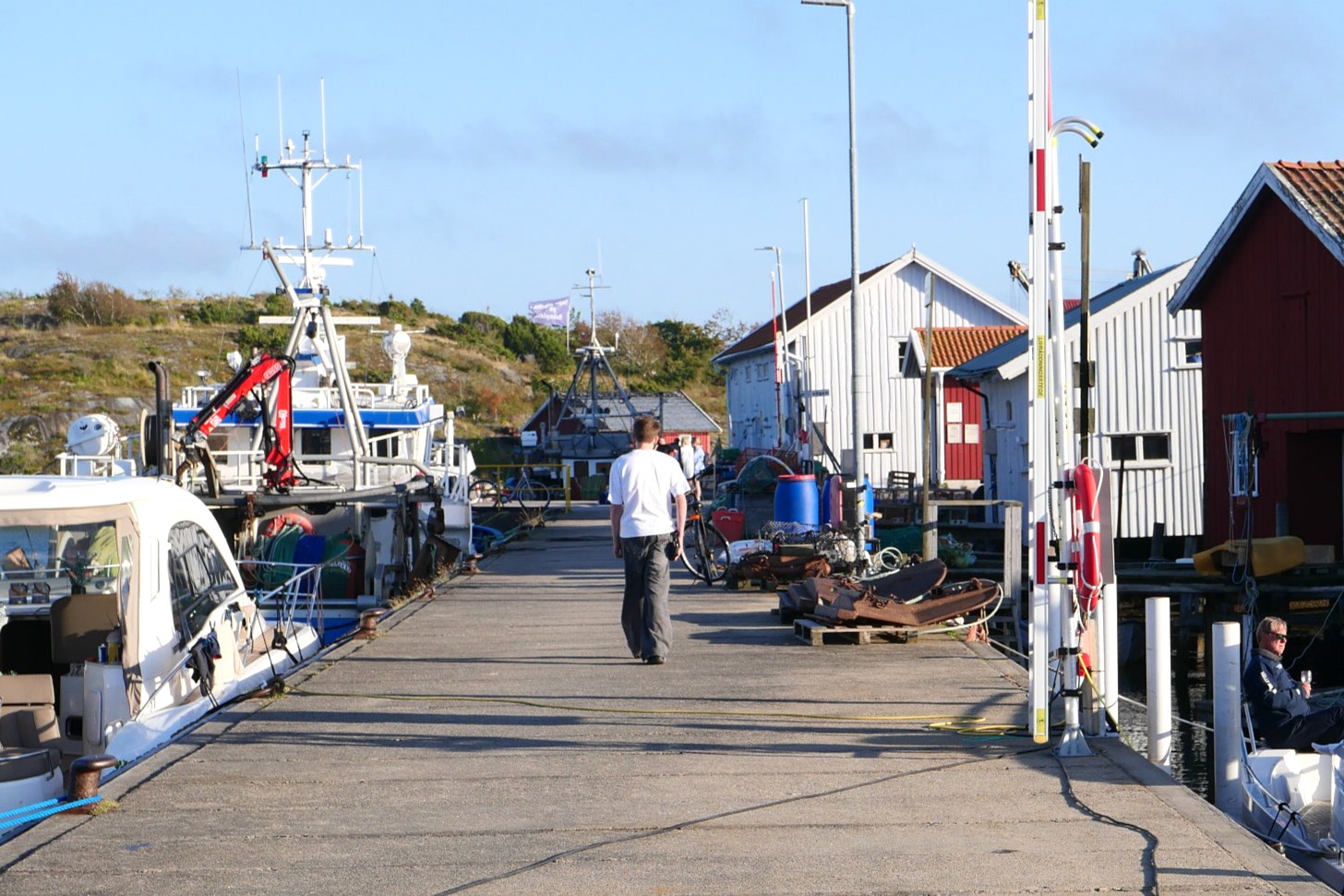
One area which appears to have achieved a more sustainable and balanced approach to tourism than some others, is the Bohuslän Coast in West Sweden, where I was lucky enough to spend a couple of wonderful weeks this summer. The Bohuslän Coast, which runs from north of Gothenburg towards the Norwegian border, is indeed renowned for its rugged, red granite cliffs, its thousands of small rocky islands, its charming fishing harbours and clear waters which are rich in marine life.

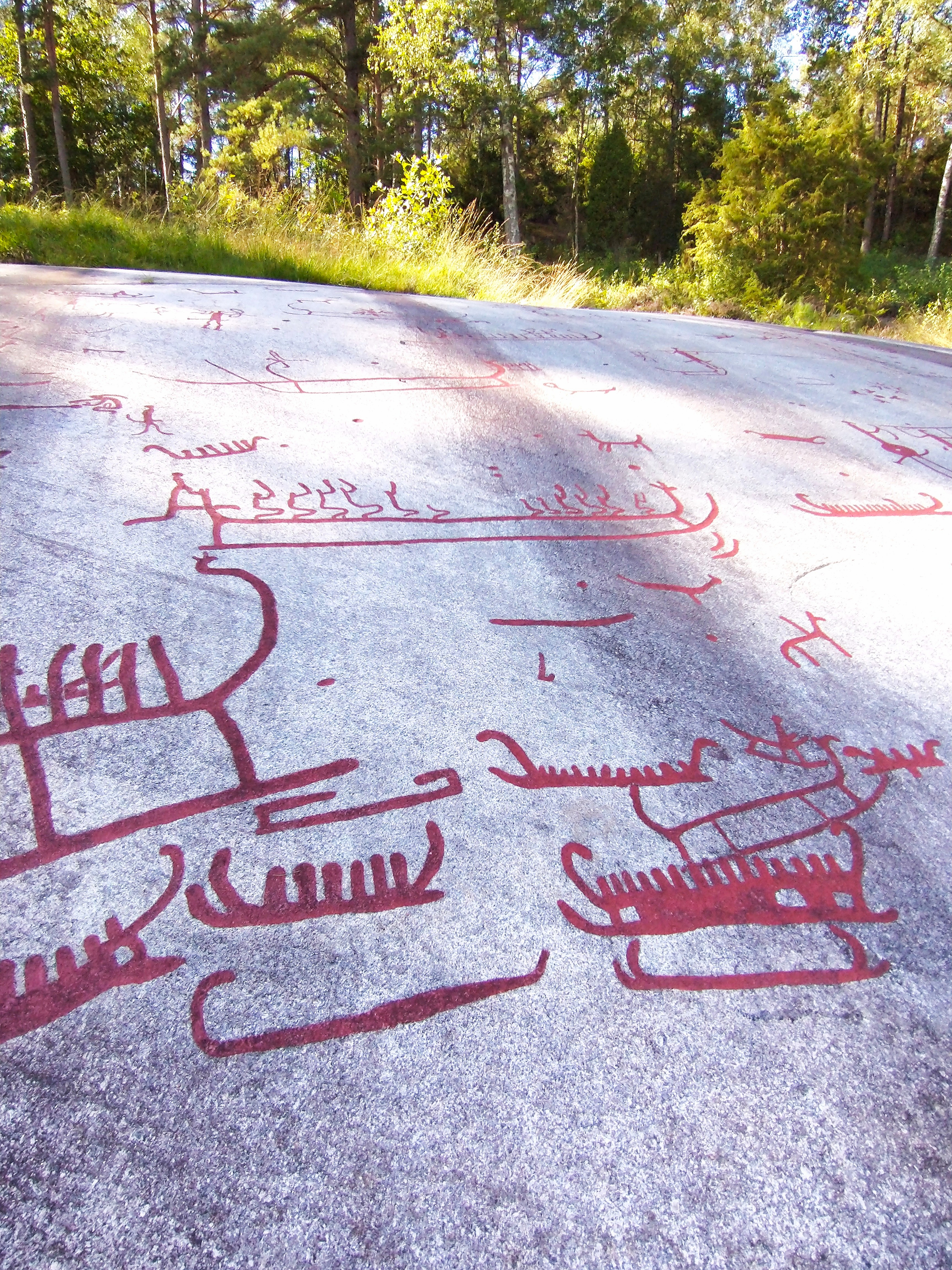
The region’s unique blend of wild natural beauty and a strong seafaring tradition gives it a distinctive and timeless character. It’s also home to the spectacular Kosterhavet National Park, Sweden’s first Marine National Park and to the unique Vitlycke UNESCO World Heritage Site at Tanum, with its stunning interpretation centre. This amazing place hosts over 500 rock carvings, ranging in content from elaborate ship motifs, to sword wielding warriors, to mysterious sun-horses and bridal couples locked in embrace – all dating from the time of the European Bronze Age, over 3000 years ago.

In fact, you’ll encounter something really beautiful, unique or fascinating in just about every direction you care to look along this wild stretch of coastline and in the neighbouring inland region of Dalsland (an unspoilt land of peaceful lakes and endless forests).

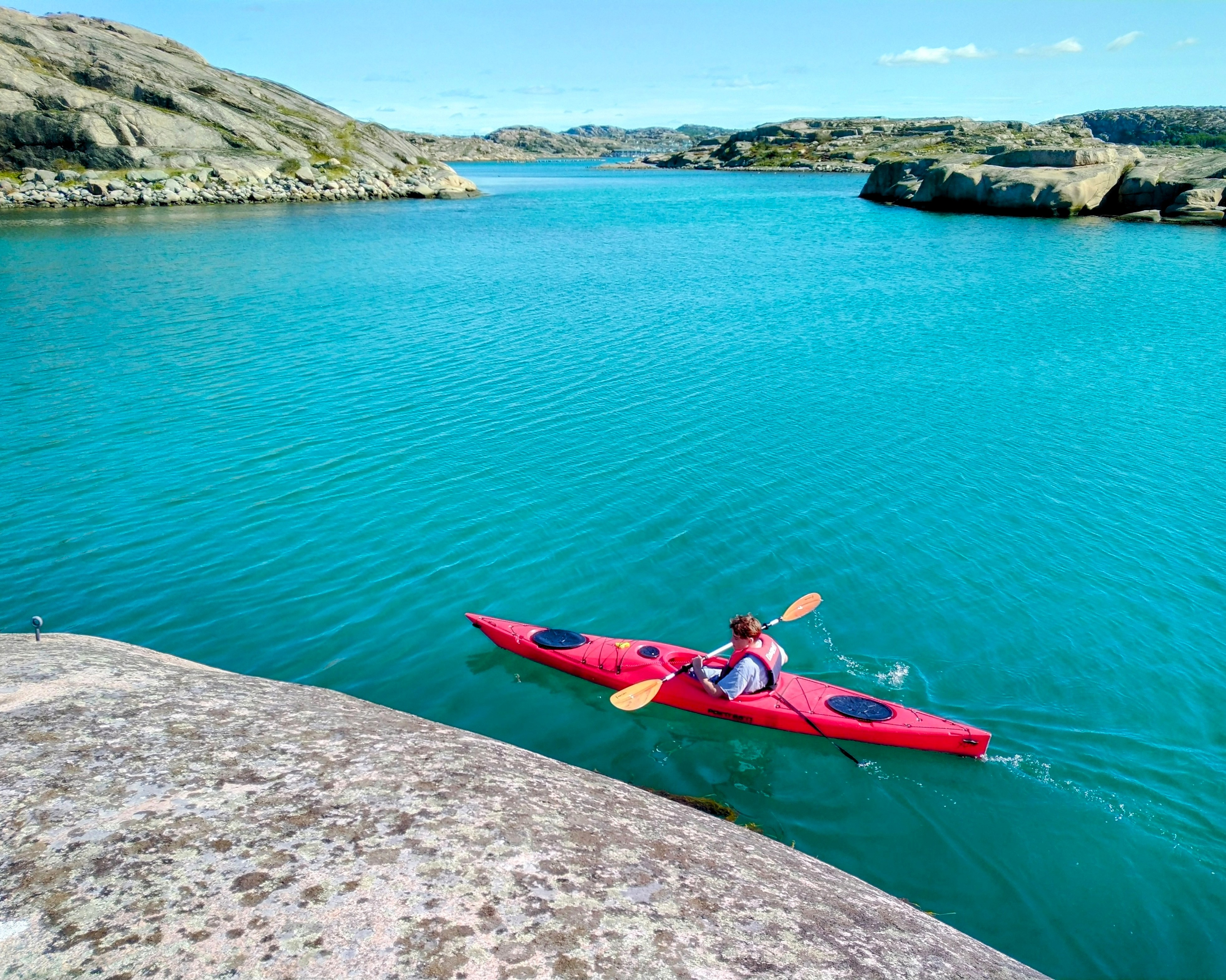
Personally, I’m happiest just to spend time out and about exploring local landscapes like this, without having too much of a plan or a hectic schedule to stick to; just taking everything as I find it. Without a doubt, my richest experiences as a “slackpacking” nomad have involved getting a local map out and wandering randomly off into the “bush” to explore some disregarded little corners, unpromising rock formations, tick-infested woods or decaying ruins; whether that’s by bike, on foot, or perhaps even by kayak sometimes (after all, it’s the journey and not the destination, that counts, as the old adage goes).

Total immersion in any local landscape is definitely the best way to appreciate the surroundings, natural history and the culture of a place; to feel its pulse, to experience its natural rhythms (and also to get better acquainted with its biting insect population at first hand 🙂 – though the west of Scotland is still pretty hard to beat in that respect !).

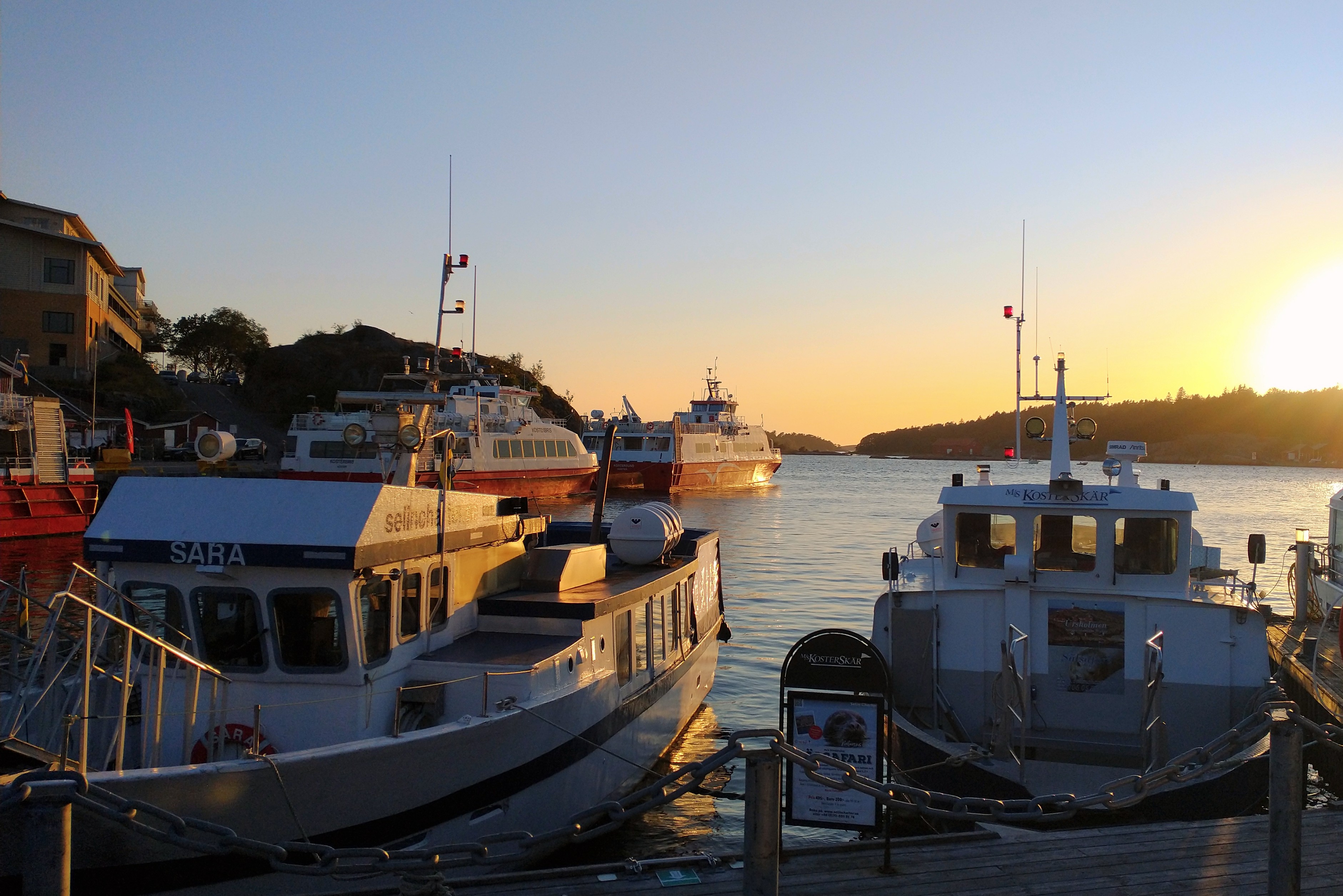
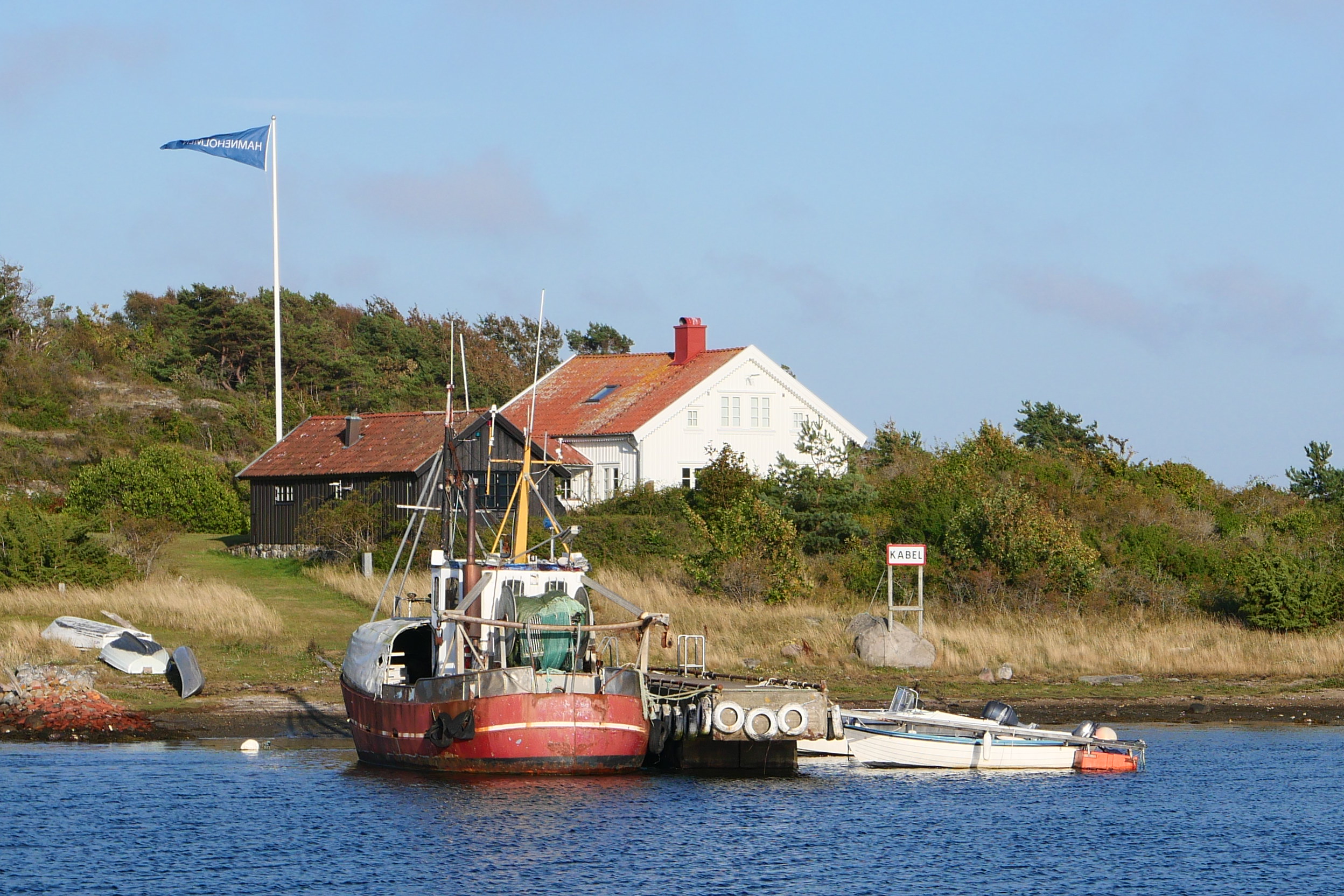
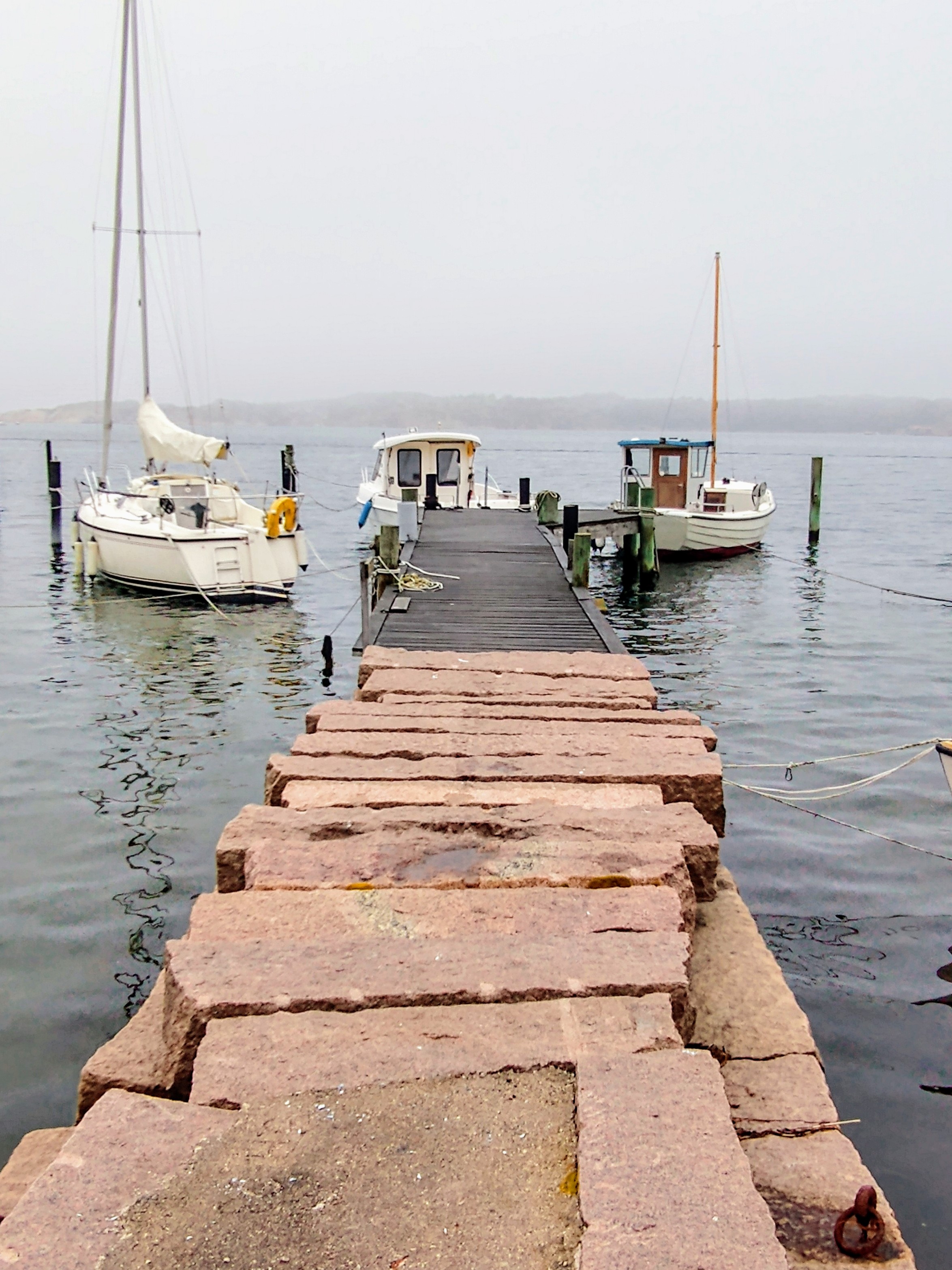
So here’s a few piccies of a couple of fine weeks spent enjoying the wonderful rugged landscapes of the Bohuslän Coast; fortunately, without the heatwaves, wildfires, crowds of drunken yobs, or other evils that can inadvertently blight travel experiences in different parts of the globe these days; just wild rugged nature and laidback, wee coastal places to explore (and all at your own pace and taking things as you please).

So why not check out the Bohuslän Coast for yourself and discover its many obvious charms? You’ll certainly find lots to get excited about; as someone rather wise-sounding recently advised me: “it’s all about learning to appreciate and enjoy the small things in life that really matters…”

But, “shhhhh”, not a word to the others please !!! (fortunately, given the rather limited and discerning nature of my readership, I’m not anticipating any major tourist stampede to West Sweden just yet) 🙂

Posted in History & Culture, In Europe, Uncategorized, Wild Places | Tagged , , , , , | Leave a comment

Snow Therapy

Well, for better or for worse, winter’s truly over now. It’s time to put away the skis, get out the hiking boots, dust down the bike or take a paddle out on the water. It’s all been a blast though; alpine escapes have certainly have helped to define this winter – they’ve lifted the spirits during what would have been an otherwise driech time.

Swopping rain for snow; grey skies for blue, experiencing the intensity of mountain light; looking out over an ocean of peaks – small wonders to lift the soul; elemental experiences which literally transport us from our humdrum routines. Experience has taught me never to take such opportunities for granted though – indeed, I am forever grateful !!

So, no longwinded descriptions, explanations, justifications or philosophy; there’s still a beautiful world out there to explore (though, I know, dwelling too much on news channel or social media content these days can, all to easily, convince us otherwise…)

Posted in In Europe, Mountain Treks, Uncategorized, Wild Places | Tagged , , , , , , | Leave a comment

Alpine Christmas

A very Happy New Year to all you good people out there in cyberland (and also to you naughty ones too 😉) ! Christmas in this part of Germany can often be a bit of a “driech” affair, as we Scots would say; it’s usually characterised by wall-to-wall grey skies and endless days of rain, with any though of a white Christmas being banished to the realm of kitsch seasonal ballads and storybooks for kids. The drabness is particularly intensified around the festive day itself when the cheery lights of Christmas markets have all but dimmed to distant memories and families are incarcerated indoors for days on end.

Given the opportunity, we therefore jumped at the chance to escape the normal festive routines and headed south for the snowier alpine terrain around Innsbruck. That turned out to be a good decision and the elusive “White Christmas” of Bing Crosby fame turned from mere wistful dream to tangible reality. What a wonderful week – I feel so lucky to have enjoyed such bright sunshine and beautiful snowy days in the depths of winter.

Posted in In Europe, Mountain Treks, Uncategorized, Wild Places | Tagged , , , , , , , , , | Leave a comment

Borderlands

Oh England, please forgive me ! I’ve just realised that after 12 years or so of writing this blog, that I’ve never mentioned your “green and pleasant” land before; not even once ! Of course, we Scots know only too well (though would never openly admit it), that not every corner of England is completely smothered by decaying red-brick terraces, desolate agribusiness, bland retail parks, gridlocked motorways and soulless dormitory towns. Indeed, many of us do even realise that beauty can also be found to the south of the Scottish Border on occasions 🙂 Just think, for instance, of the obvious charms of the Lake District, the Yorkshire Dales or the West Country for example.

Many years ago, I was lucky enough to work for a while in one of England’s more pleasant corners, in the County of Herefordshire; a wonderful, forgotten, little part of England, tucked away tightly against the Border with Wales to the west of the Rivers Wye and Severn. For me Herefordshire was a cosy and reassuring place; a land of ancient woodlands, tall hedges, twisting lanes, half-timbered village houses and traditional country pubs with welcoming log fires; all hidden away amongst green, rolling hills – indeed, the sort of place you might easily imagine bumping into a hobbit, a wandering wizard or even a stray medieval knight on your way back from the pub some evening (though perhaps that’s just an effect of the County’s potent local cider).

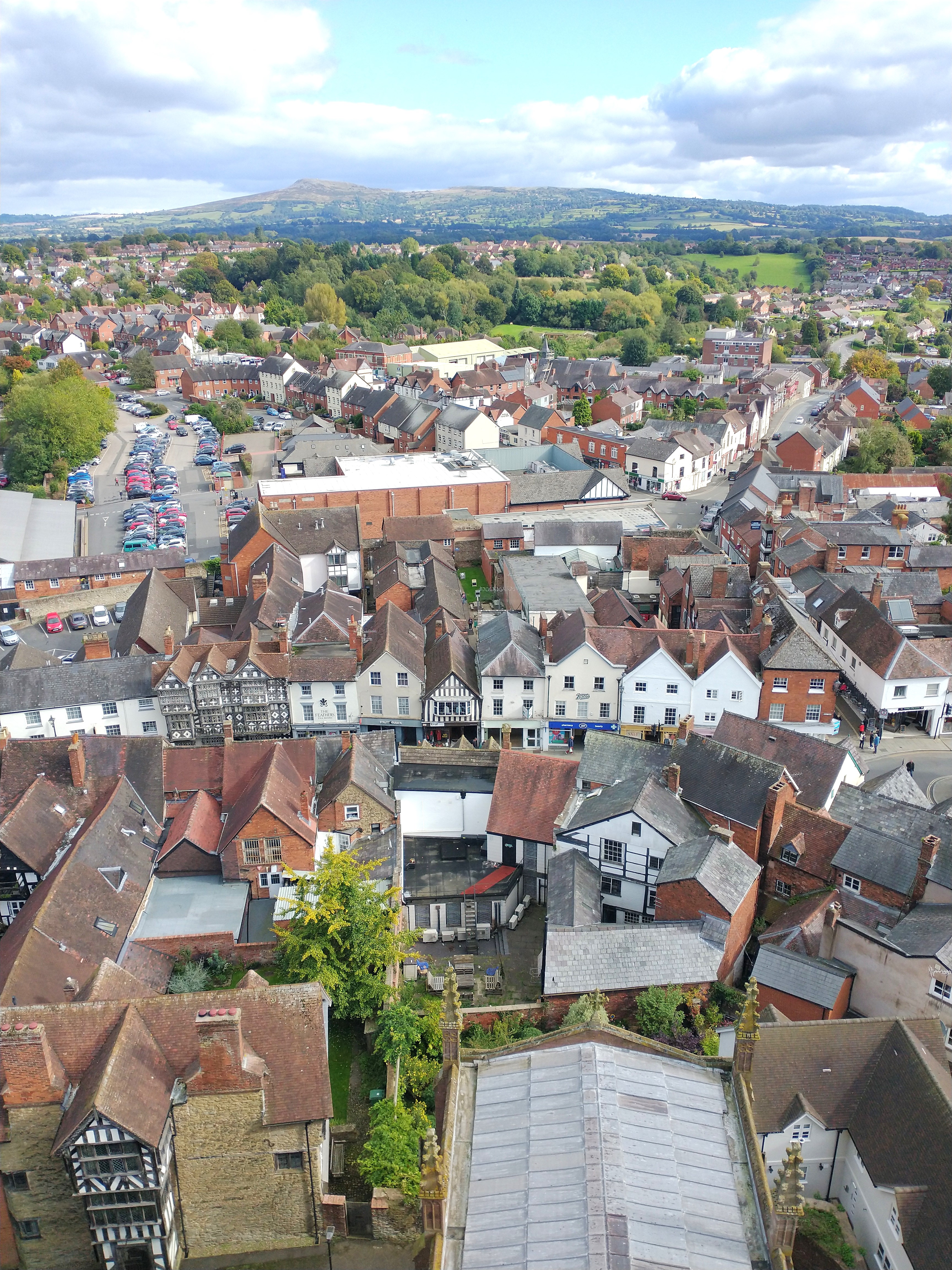
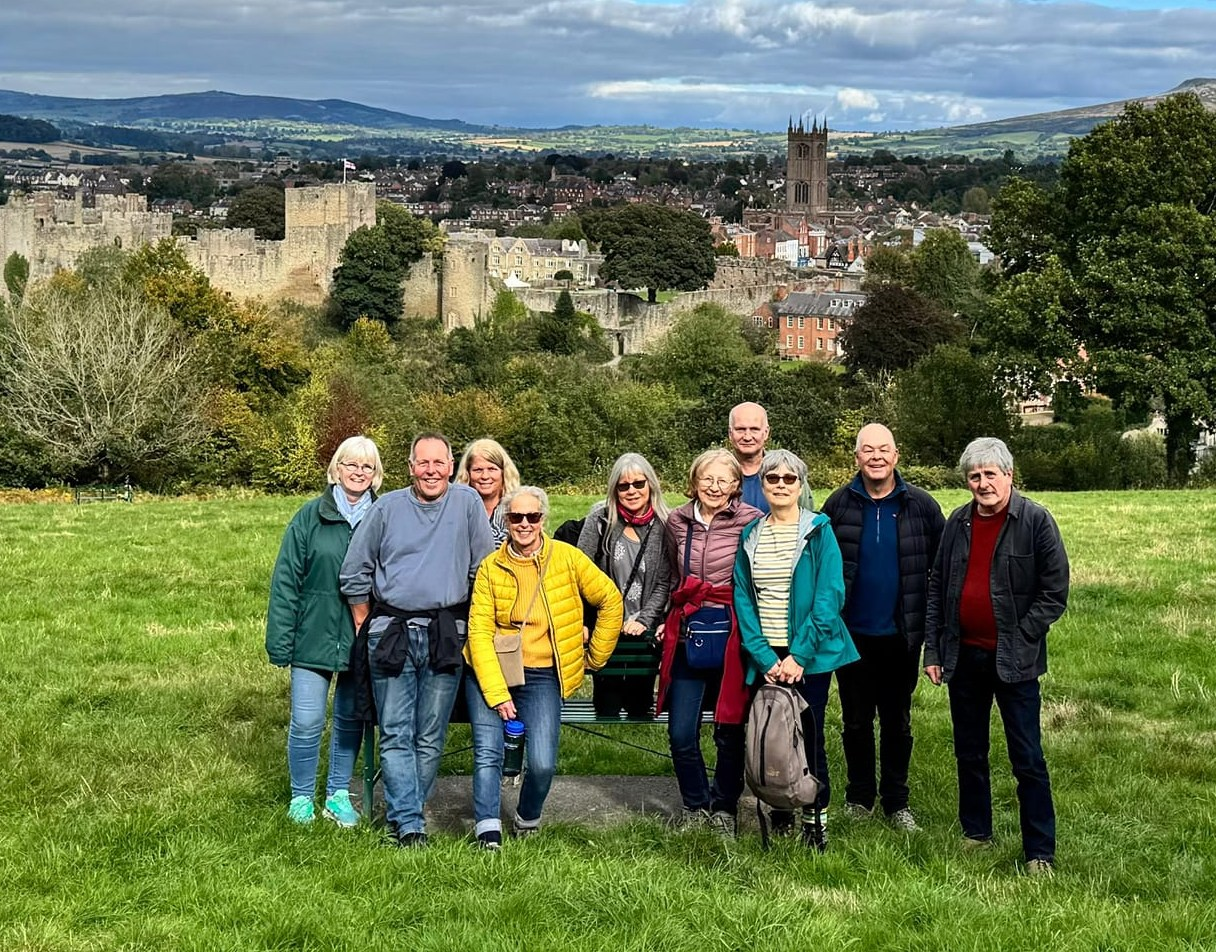
Recently I was fortunate enough to revisit the Welsh Borders again; albeit only for a fleeting weekend trip to meet up with some old friends from my VSO days (though VSO actually took us much further afield, to the Himalayan Kingdom of Nepal). Sadly, this time around though, I didn’t make it to Herefordshire (or to Nepal either for that matter), but stayed just over the border in the neighbouring county of Shropshire. Here, I spent a couple of days in Ludlow, an ancient small town considered by many as being one of England’s most beautiful historic settlements.

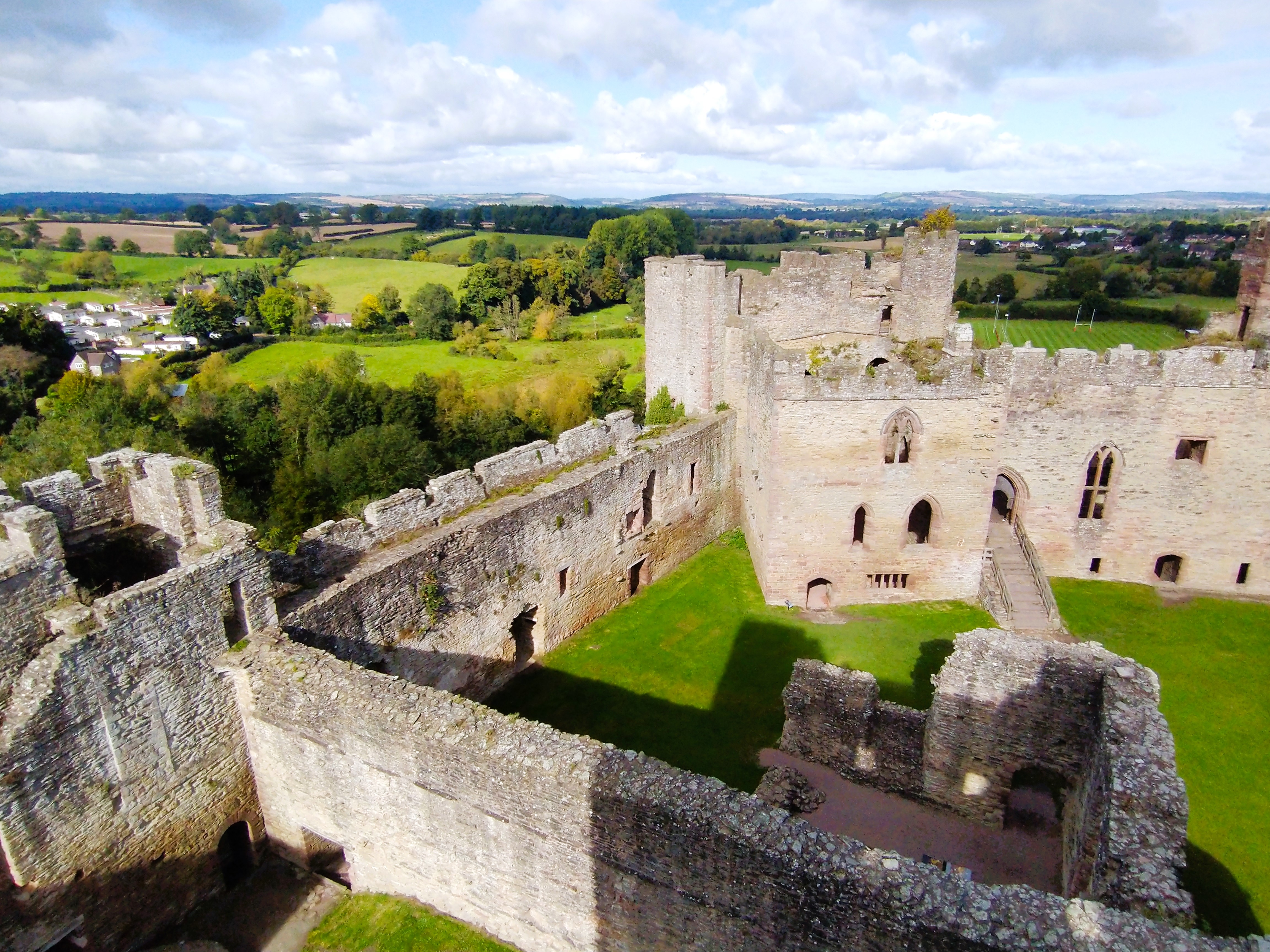
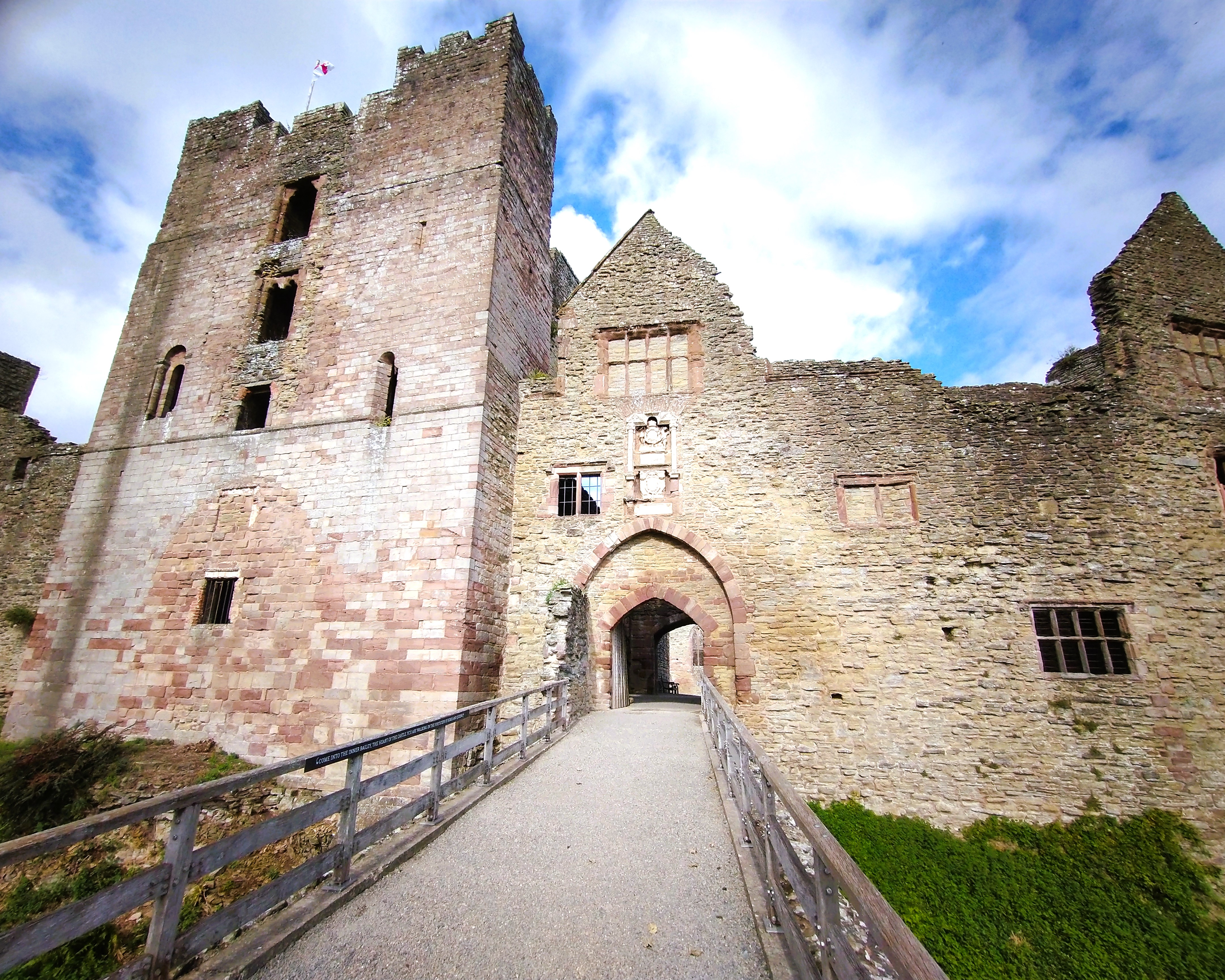
Ludlow is indeed a wee historic gem of a place and (without wanting to sound pretentious) it’s really the quintessential English market town. It is dominated by it’s stunning 11th Century Norman Castle, which is located on a commanding hilltop above the valley of the winding River Teme and overlooking miles of beautiful Welsh border countryside. The earliest parts of the castle were constructed by the De Lacy Family who retained the Lordship until the 13th Century. It was later expanded and modified throughout the Middle Ages and into the Tudor period.

As well as the castle, the magnificent medieval Church of St Laurence’s is another major landmark which is well worth a visit for its beautiful carved choirstalls, translucent stained glass windows and its airy nave. St Laurence’s even features a coffee shop these days which provides a relaxed spot to unwind with a cappuccino whilst contemplating the meaning of life and the spacious interior of the church. It seems that even the church has to look at diversification and entrepreneurship these days to stay afloat; in Ludlow it works apparently !

Adventurous visitors with a head for heights can ascend the 200 or so steps to the top of the tower. We picked up the key from a couple of enthusiastic older ladies who escorted us to the tower and then, reassuringly, locked us in behind a heavy oak door, explaining it was easily opened again from the inside. After negotiating the narrow spiral staircase (and fortunately encountering no large people coming the other way) and passing by the impressive belfry, we emerged into the daylight again to be rewarded with fabulous views out over the the town’s market square, the planned network of old streets and a terracotta roofscape of historic houses and impressive civic buildings dating from across the centuries. In the distance, the view is framed by the wooded hilltop to the Mortimer Forest to the West and the intriguingly named Titterstone Clee Hill to the North East. This is an ancient border landscape of iron age hillforts, old orchards, lost villages, patchwork fields and long forgotten industries such as iron ore production and mining.

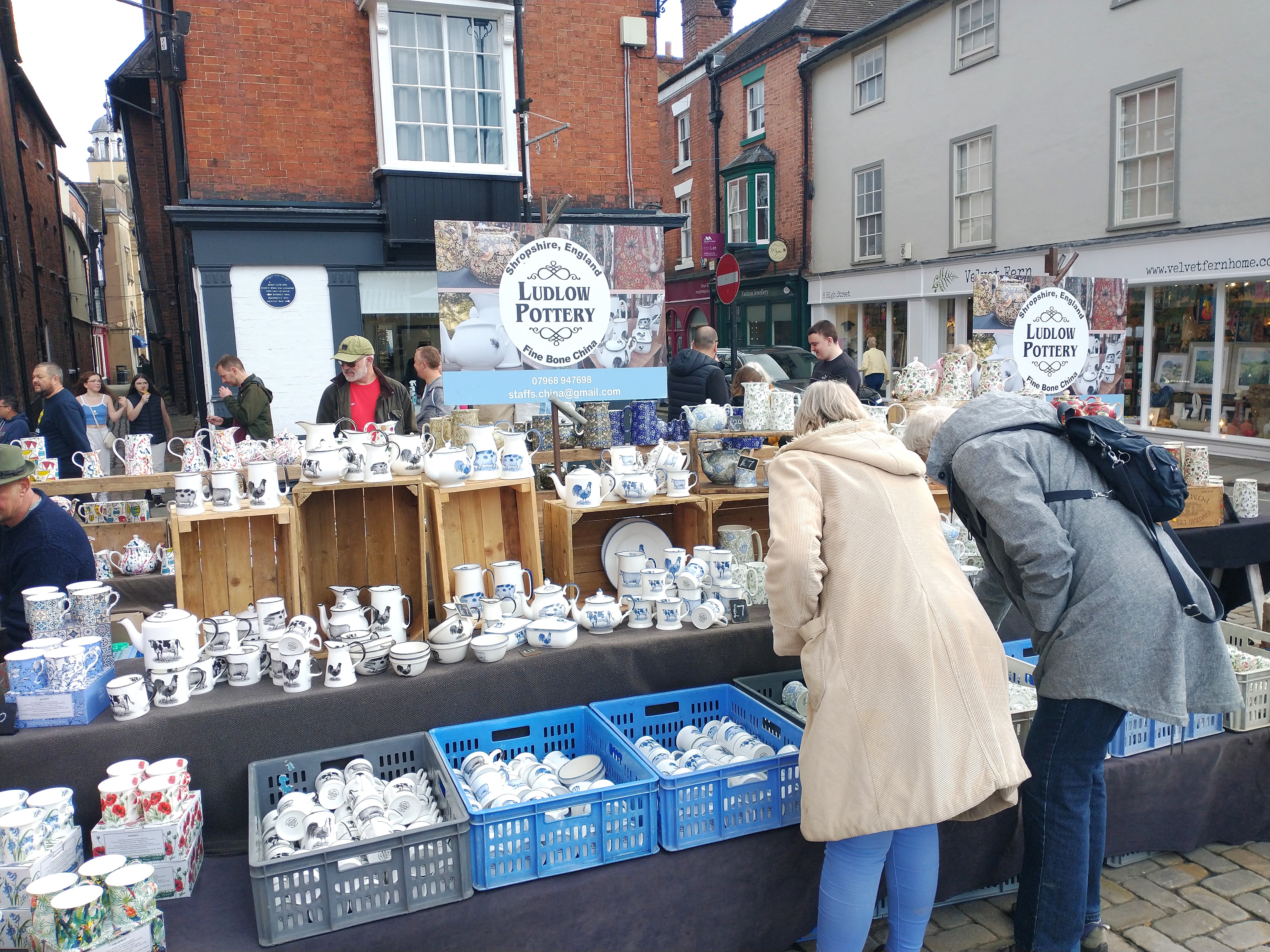
Despite all this sheer weight of history, Ludlow still manages to be a vibrant and energising place. The town boasts lively and colourful street markets selling local produce, diverse independent shops, local food festivals, a dynamic arts scene and an eclectic assortment of cafes, restaurants and pubs which might be the envy of many larger places.

In essence, Ludlow seems like it’s a thriving community with a lot going on; in this respect, it’s bucking the trend in our times of empty high streets, internet shopping and soulless retail parks. Perhaps other small towns can learn a lot from Ludlow, though few places are blessed with such a wonderful setting and a sense of history. Hopefully I’ll get back again some time soon, not forgetting to stop off in Herefordshire next time of course !

So England, I hope I’ve finally set the record straight for now. You really are a “green and pleasant land” – well in parts at least 🙂

Posted in History & Culture, In Europe, Trees & Greenspaces, Uncategorized | Tagged , , , , , , , , , , , , , | Leave a comment

Sea Dreaming

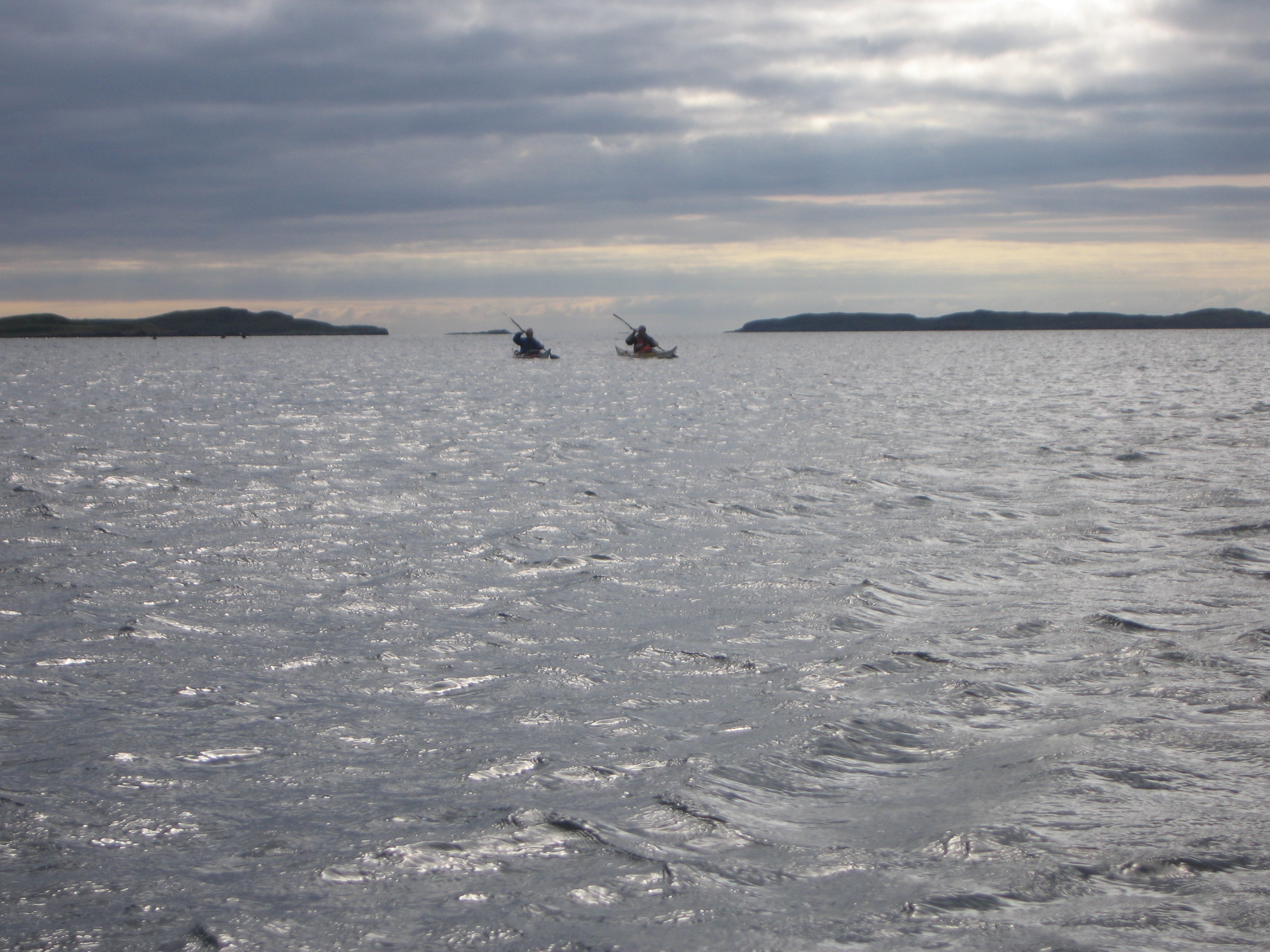
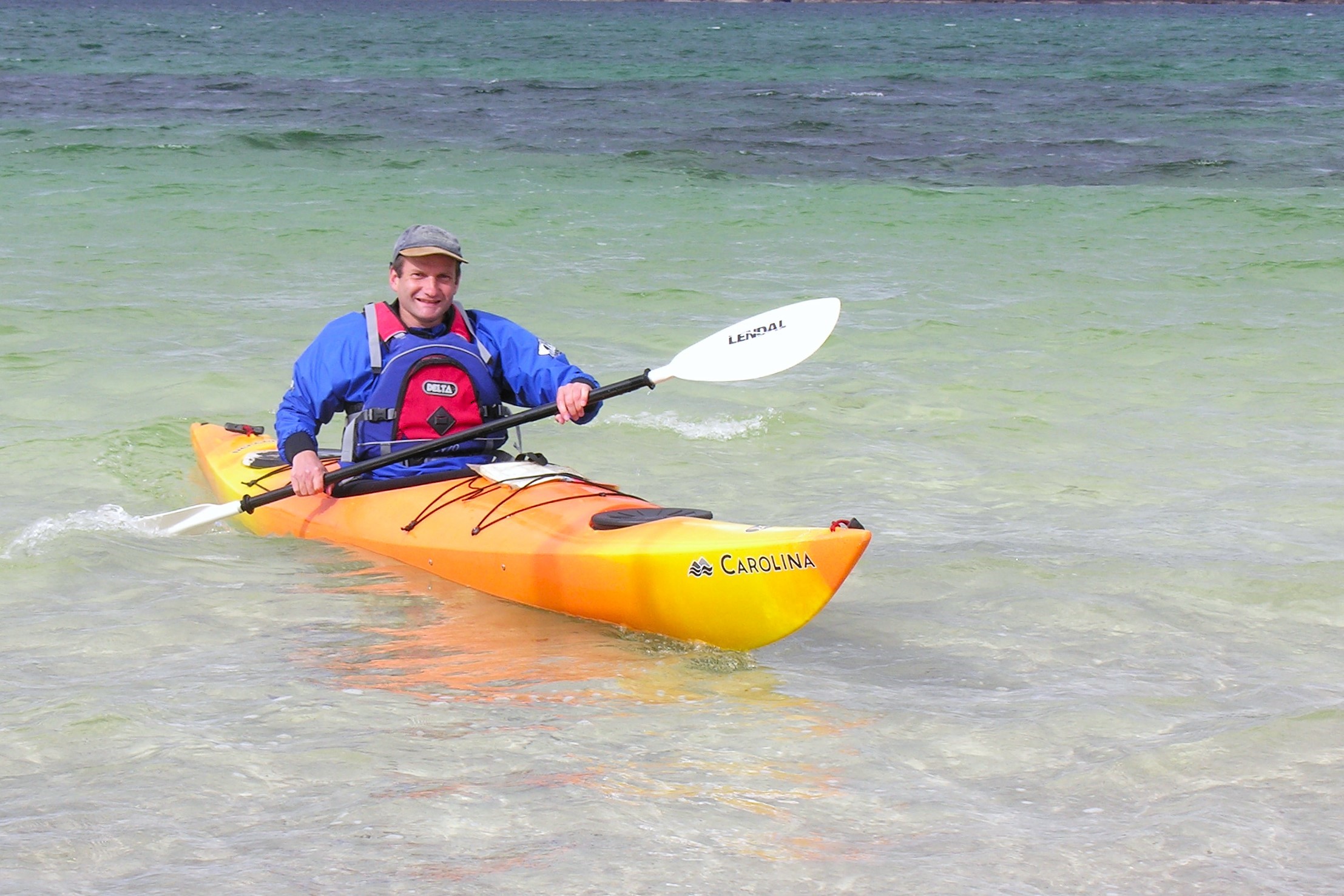
On my recent trip to Scotland I picked up a wonderful book in Inverness called “Argonauts of the Scottish Isles” by Robin Lloyd Jones. The author is a distinguished veteran of the Scottish sea-kayaking scene, with a lifetime`s worth of experience of exploring the tangled coastlines and Hebridean isles of Scotland’s “wild west” coast. This a wonderful book which I can heartily recommend. The narrative covers a series of journeys, undertaken over many years and which lurch rapidly from the humorous, to the beautifully descriptive, to the terrifying, to the poetic and philosophical from one page to the next – perhaps just as fickle and eclectic as the ever-changing light, winds and weather conditions encountered in this part of the world.

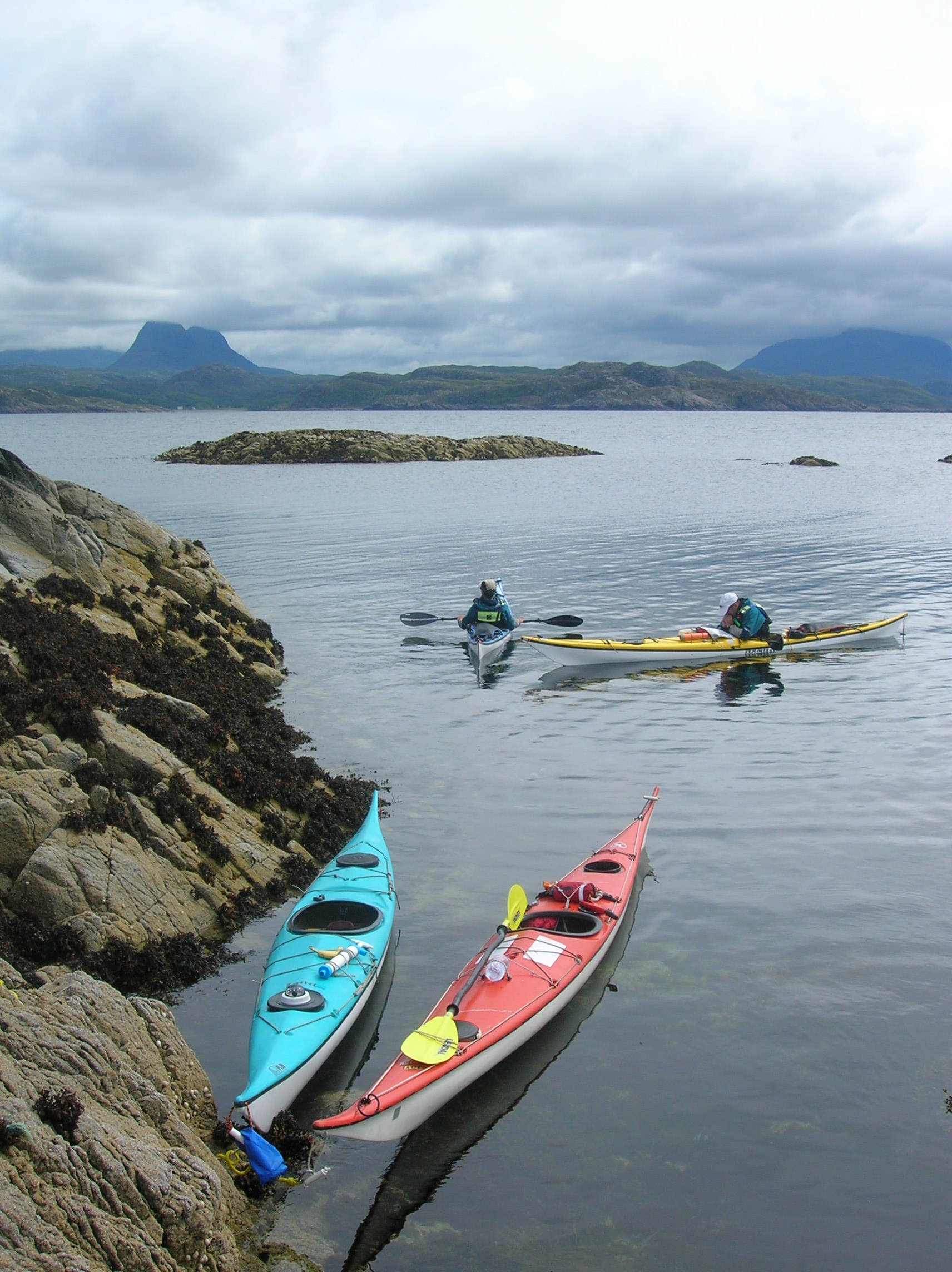
I’ve certainly been inspired by reading this; it whisks you away from everyday realities and into a dreamy parallel universe of remote skerries brimming with puffins, otters and seals, through daunting tidal races and whirlpools, to dazzling flower-bedecked machair and driftwood-strewn shell-sand beaches. It also reminded me of some of my own, albeit considerably more modest, jaunts around Scotland’s coastlines, rivers and lochs and inspired me to dig out a few old photos from that era (just around the turn of the Millennium).

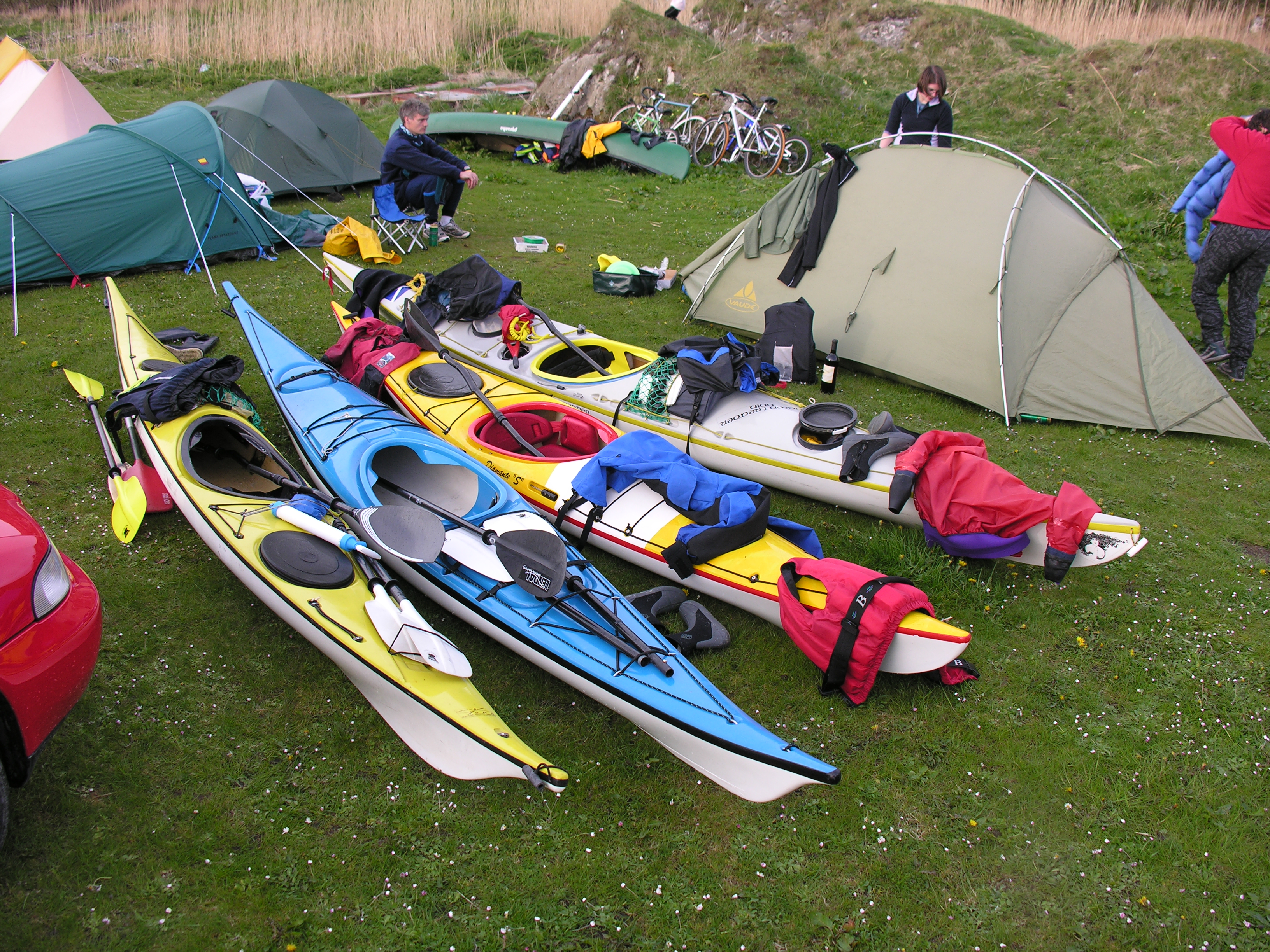
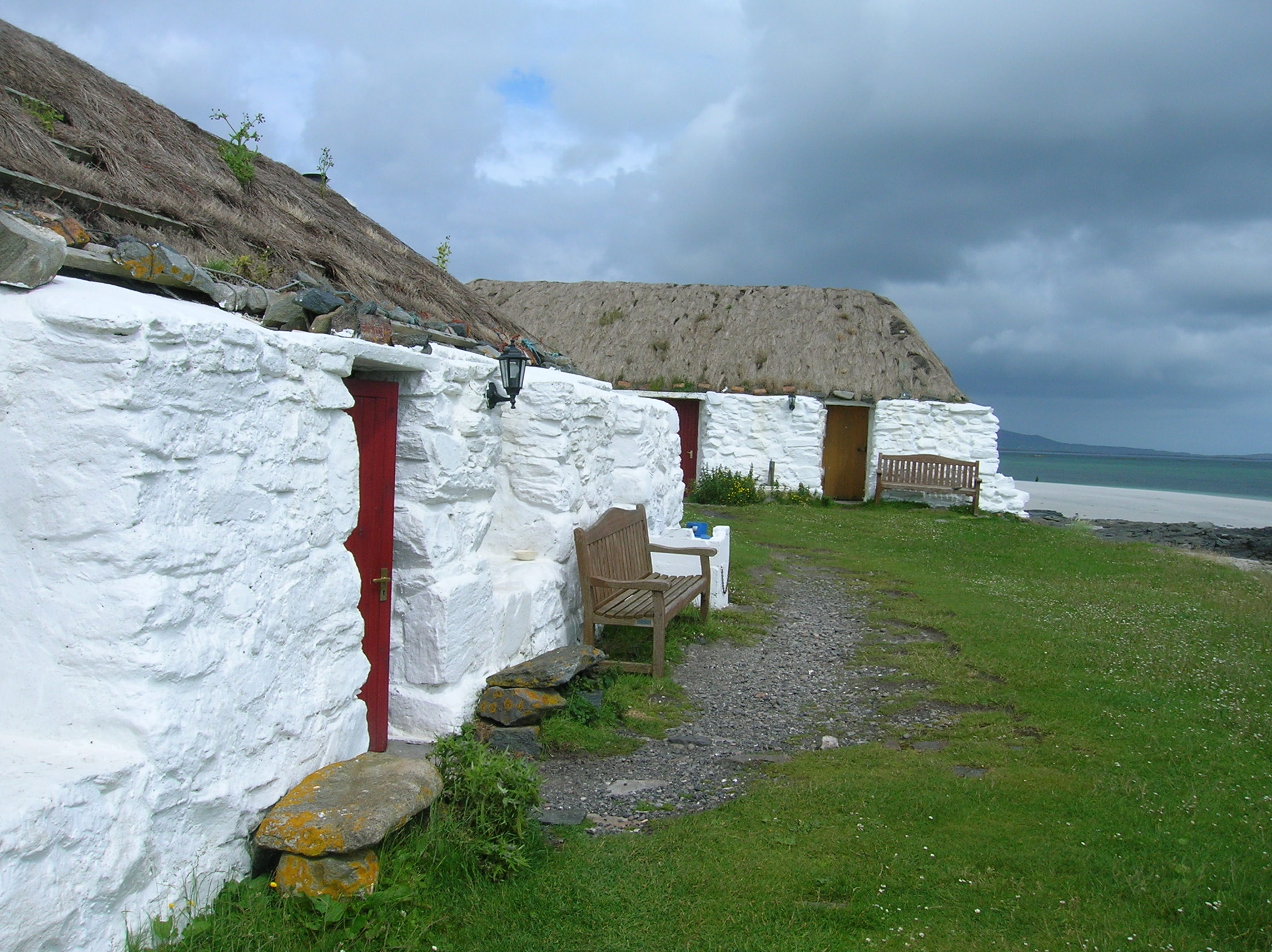
So, here are some sunny images, including pictures from Berneray and North Uist in the Outer Hebrides, Assynt, the Summer Isles, Arisaig, Morar, Kintail and the magical Isle of Iona – as we all well know though, the weather’s not always quite so settled on the West Coast of Scotland (where it’s generally far more common to encounter four seasons in a day). At the time I was a member of Fife Sea Kayaking Club, so a few photos are from inspiring club trips and were taken by different members of the group (see link to FSKC below).

Nowadays, I still do some kayaking and canoeing from time to time, albeit on relatively sheltered inland waters close to where I’m living these days. However, these experiences pale into insignificance compared with the stark rawness, the elemental beauty and the ever-changing conditions of wild Scottish coastlines; sometimes benevolent, at other times (like the kelpies), uncompromising, deceptive and beguiling.

Perhaps it’s time to revisit some of those old haunts again soon, to feel the pulse and the latent power of ocean swells; to tune into the songs and the eternal rhythms of the sea.

“Argonnauts of the Scottish Isles” is published by Birlinn Ltd: www.birlin.co.uk

*FSKC link: https://membermojo.co.uk/fskc

Posted in Canoe Trips, In Scotland, Wild Places | Tagged , , , , , , , , , , , , , , , | Leave a comment

Spey to Sea – a “wee trip” back to Scotland

Being a tourist in your own country might seem like a strange concept, but one that most certainly challenges you to look at things, which you once just took for granted, with a fresh eye: What’s new ? What’s changed ? What seems just downright weird or has comfortingly remained the same ? Certainly, the longer you leave it, the more changes you’ll actually notice (both for better or for worse).

So, in summer 2024, it seemed like a trip back to Scotland was something long overdue (having not been back before the advent of the Pandemic); but where to go during the peak holiday month of August, the only time available for us ? The Hebrides; the West Coast perhaps, the now sadly over-hyped and tortuous North Coast (NC) 500 circus ? Perhaps; but possibly too wet, too midgey or too overrun with tourist campervans blocking up the roads at that time of the year; not to mention the soaring cost of accommodation in increasingly popular destinations like Skye (and let’s face it, it can be pretty damp on Skye in August).

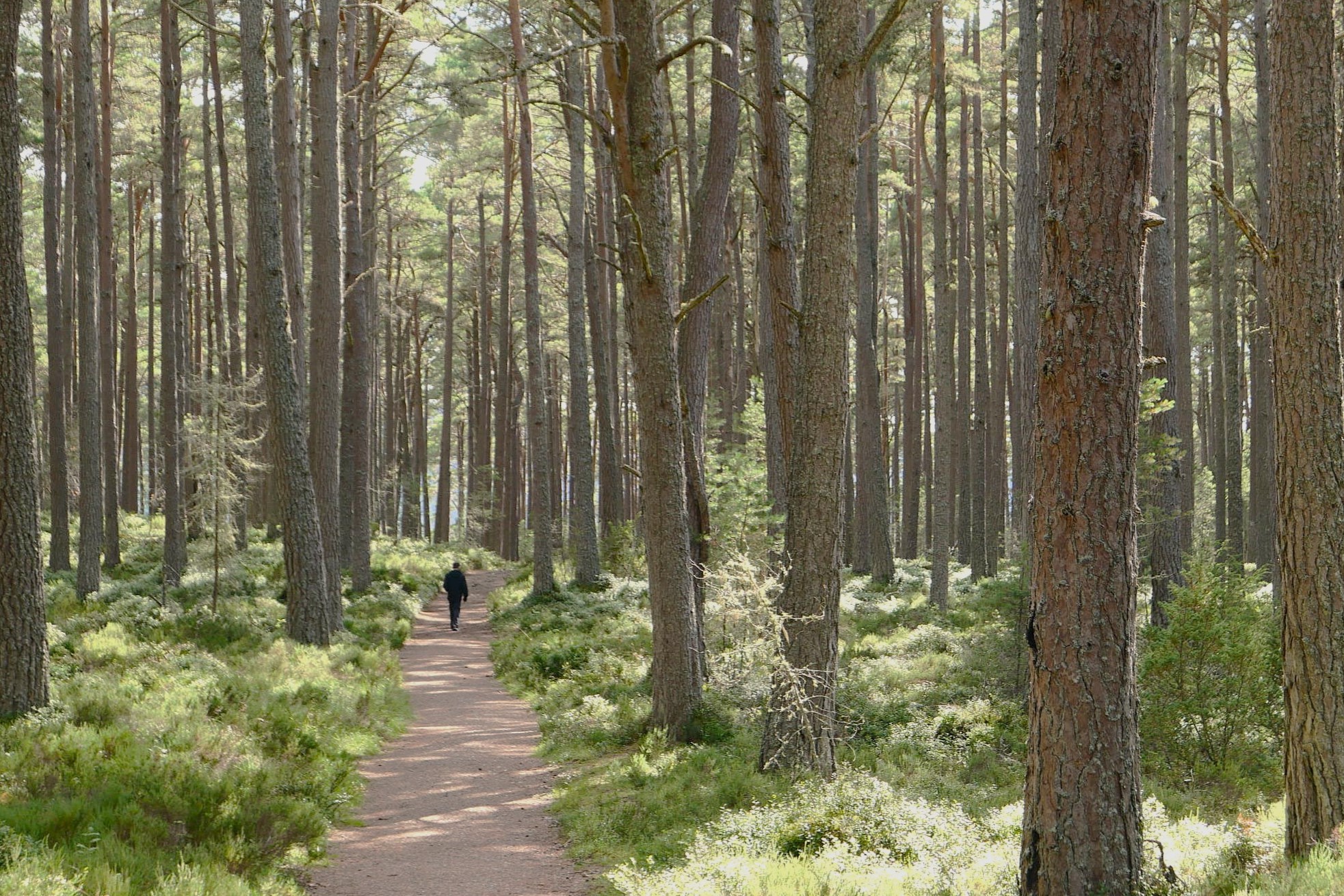
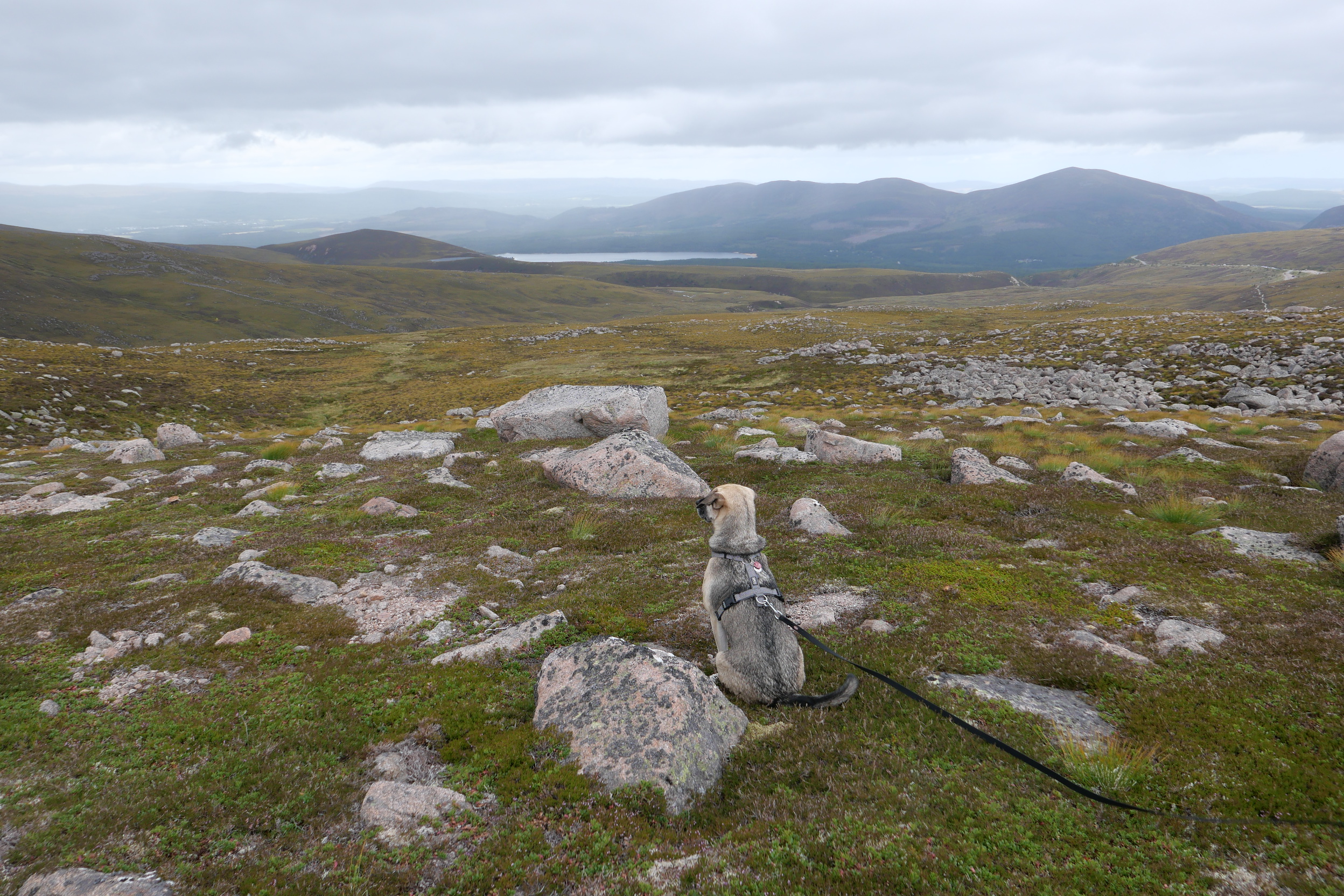
Instead we opted for the Cairngorms National Park and found a place to suit both our tastes and our budget, near the (sometimes) genteel town of Grantown on Spey; the thinking person’s alternative to Aviemore ;-).

Getting to the Cairngorms from Europe is surprisingly easy and hassle free (even with a vehicle busting at the seams and an ex-Romanian street hound in transit), given a direct overnight ferry link from Amsterdam to Newcastle, followed by a comfortable six hour drive through the Scottish Borders, around Edinburgh (the trickiest part) and then up the M90/A9 past Perth and Pitlochry. It proved to be a convenient option for us.

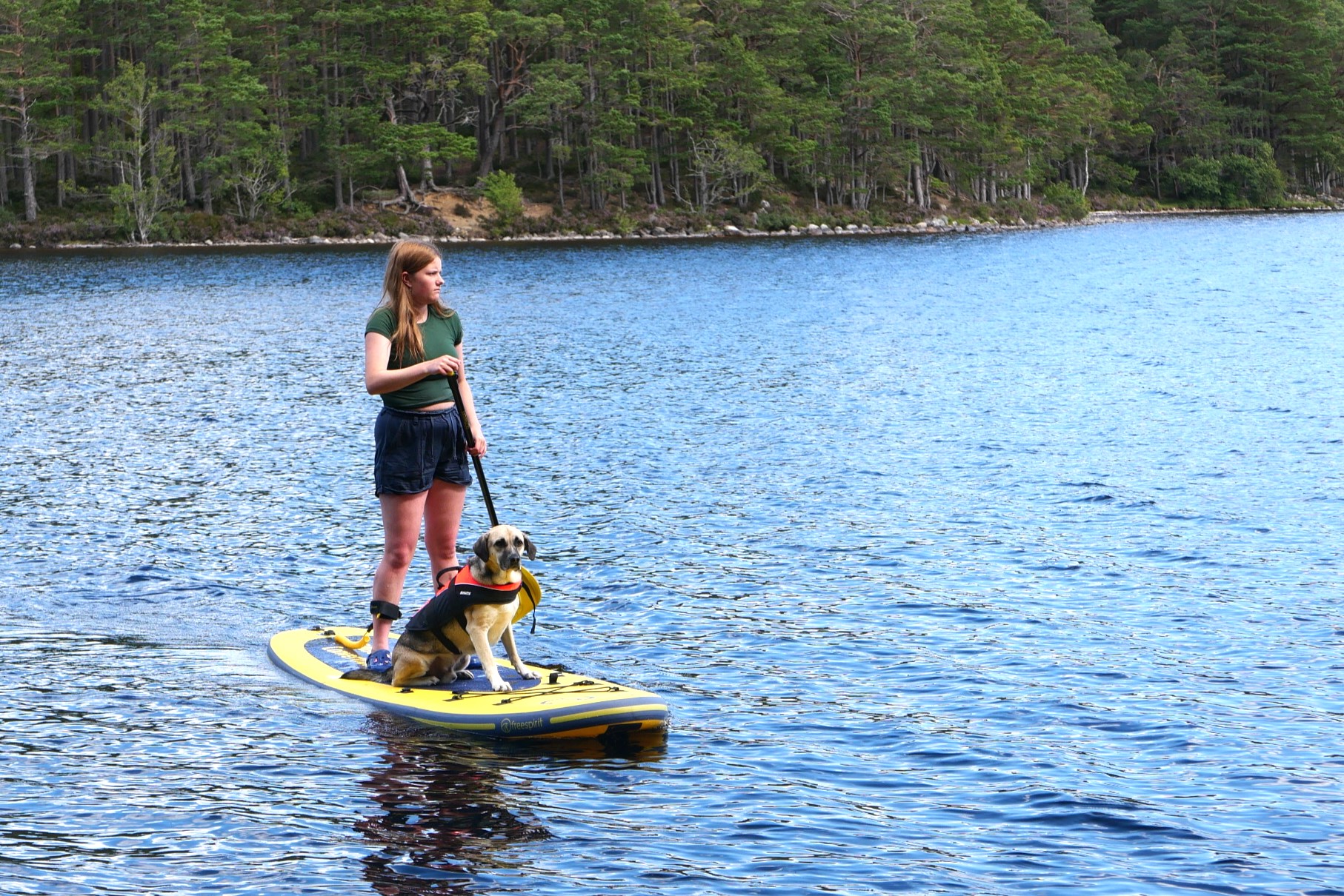
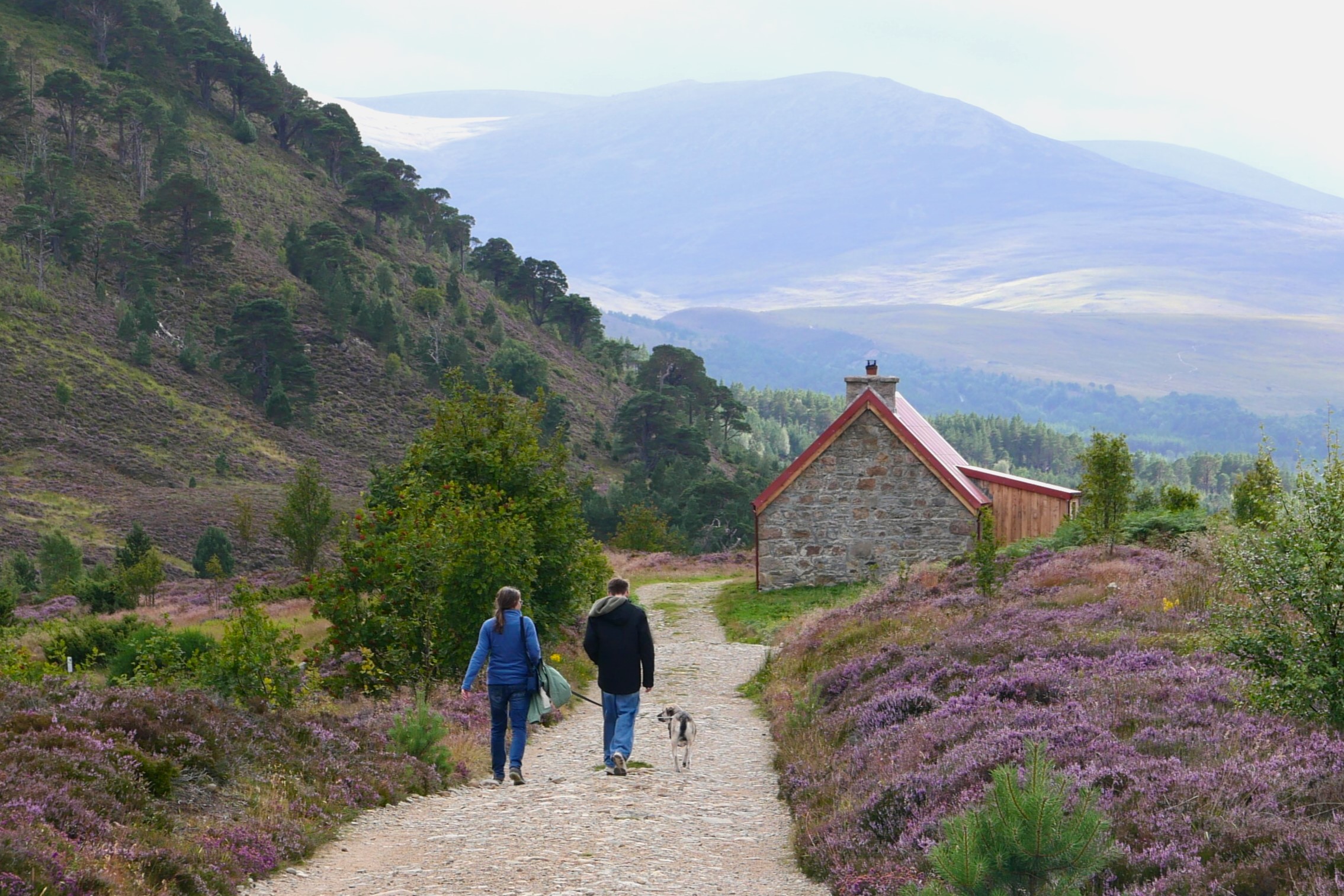
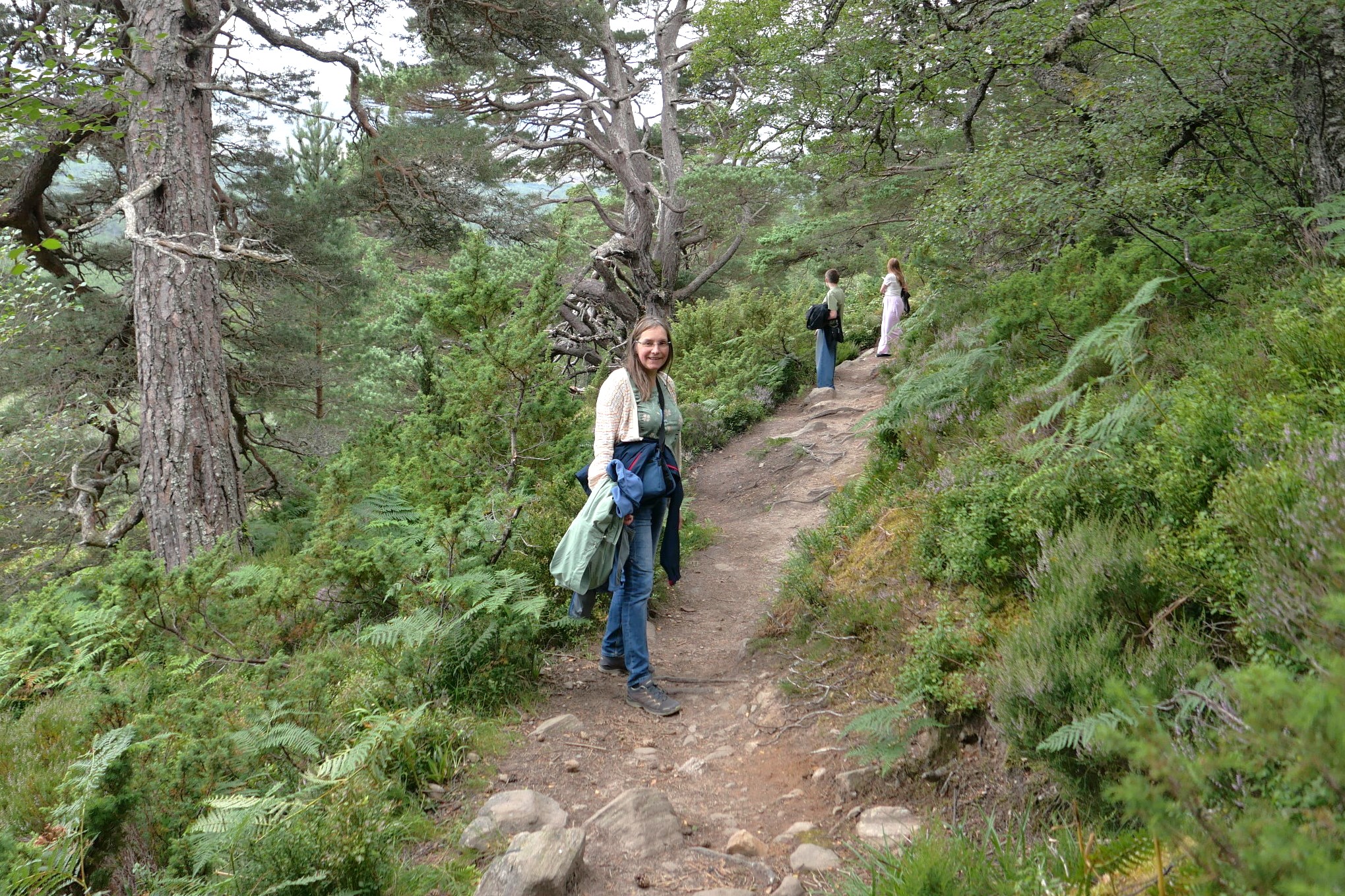
Our chosen base at Dulnain Bridge near to Grantown on Spey was perfect for exploring old haunts such as Abernethy Forest, Glen More, Rothiemurchus, Glen Feshie and the Northern Cairngorms. Certainly, there’s loads to do around the Strathspey area to suit every taste; we even found a good deal, in an outdoor shop, on an SUP (Standup Paddle Board) and spent quite a few days simply messing about on the water; accessibility to many lochs has certainly improved since the advent of the Scottish Outdoor Access legislation and the creation of the Cairngorms National Park; needless to say though this has also created some tensions in a few popular “honeypot” locations and sensitive conservation sites.

It was also great to revisit some of my own particular favourite spots, such as the beautiful Pass of Ryvoan, a remnant of the ancient Caledonian Pine Forest, which once cloaked much of the Highlands. One summer (back in the ancient mists of time), I had an enviable job as a seasonal ranger and naturalist here. My days were taken with wildlife surveys and showing visitors the natural wonders of the site, including the magical Lochan Uaine (the Green Loch), where resident fairies are rumoured to wash their clothes, thereby staining the waters their distinctive jadey/turquoisey hue.

On a more tangible note, especially in these uncertain days of climate catastrophe, it’s really heartening to see the success of forest regeneration efforts in this area and across the adjacent Abernethy Forest Reserve, where young trees are spreading prolifically across the landscape and advancing up the surrounding hillsides. This is entirely down to the processes of natural regeneration following a reduction of deer numbers across neighbouring estates (not a single tree has actually been planted). Across Scotland though, deer numbers have actually doubled from half a million in 1990 to over 1 million today (which is a big challenge for native woodland regeneration efforts generally).

Although August is clearly the busiest time of the year for visitors in the Cairngorms, apart from a few popular spots, such as around Glenmore campsite/lochshore and along the main street in Aviemore (how can one small town actually support so many outdoor shops ?!), it’s still easy to find nice, quiet locations away from any crowds; go for a walk in Glenlivet, for example, and you’ll hardly encounter a soul.

I do notice though that organised outdoor adrenalin activities (of the Red Bull “lite” variety) have really taken off BIG time over the last few years, with unlimited opportunities on offer to indulge in just about every type “action” pursuit; from canyoning, to bungee jumping, to tubing, to zip lining (look upwards and they’re everywhere). Wild swimming is another trendy activity that’s literally splashed down from out of nowhere over the last few years, with bookstores packed with weighty tomes on “how to” and “where to” partake in such blatant acts of sadomasochism (which masquerade under the misleading topic of “wellness”).

Indeed, it took me quite a while to figure out why so many people are now sporting ungainly Dracula-style capes and wandering about, in the middle of nowhere, like escapees from a Rocky Horror Show production. Further investigation revealed these were in fact “swimming robes” which are now available from most outdoor shops across the Highlands, for a relatively modest fee I’m told – these have yet to be adopted with such equal zeal by the wild swimmers of Europe (and also, reputedly, as an unlikely fashion accessory for “football mums” taking their stroppy kids on the morning school run).

Whilst I’m happy to see all this frenetic activity going on as the perfect antidote to couch potatoism, it does make me wonder when a saturation point will be reached for these activities in the context of nature conservation and (for boring, old farts like myself) potentially diminishing the quiet joys of being “at one” with nature; for example, the German naturists skinny-dipping unashamedly before the crowds at Lochan Uaine, were possibly a good case in point of things being pushed a little too far (and shocking stuff for us prudish Scots, huh !). Maybe, I should’ve told them about the resident freshwater leeches that lurk in the murky green waters below ;-).

In the end, it has to be all about achieving a sustainable balance of different interests. Some locations, it has to be said, have still yet to achieve that balance; the Cairngorm Mountain Resort (which increasingly promotes year-round activities, like downhill mountain biking, in order to survive the economic impact of recent mild ski seasons) still can’t be described as a beauty spot in any way, shape or form; unless, of course, you’re looking in the opposite direction from the nuclear reactor style “snow factory”, the tatty snow-fencing, the haphazard pieces of infrastructure and obvious erosion scars that blight the hillside. Meanwhile the never-ending saga of the dysfunctional Cairngorms funicular railway continues unabated, without any apparent conclusion, despite occasional fleeting attempts at reopening (fortunately, living on the Continent, I’m done with Scottish skiing these days !).

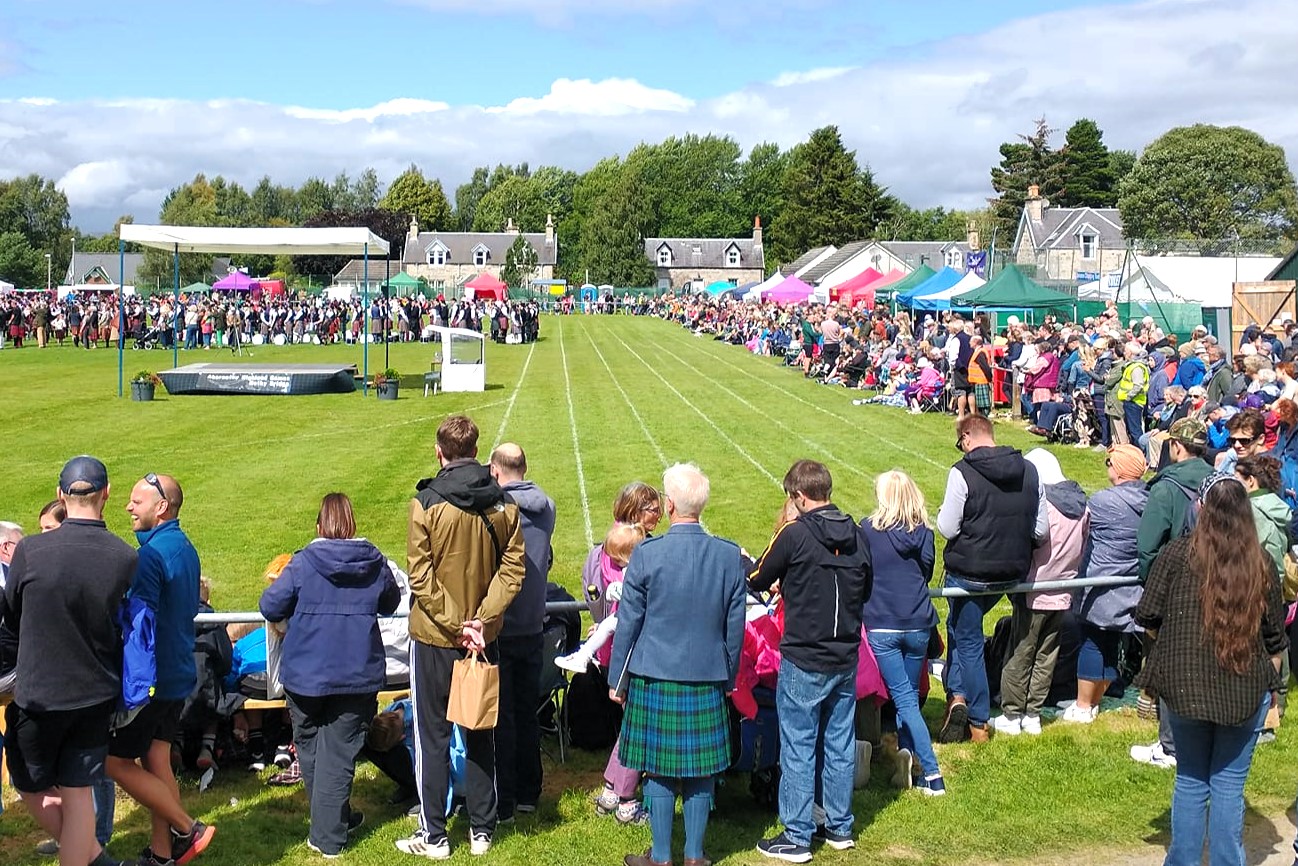
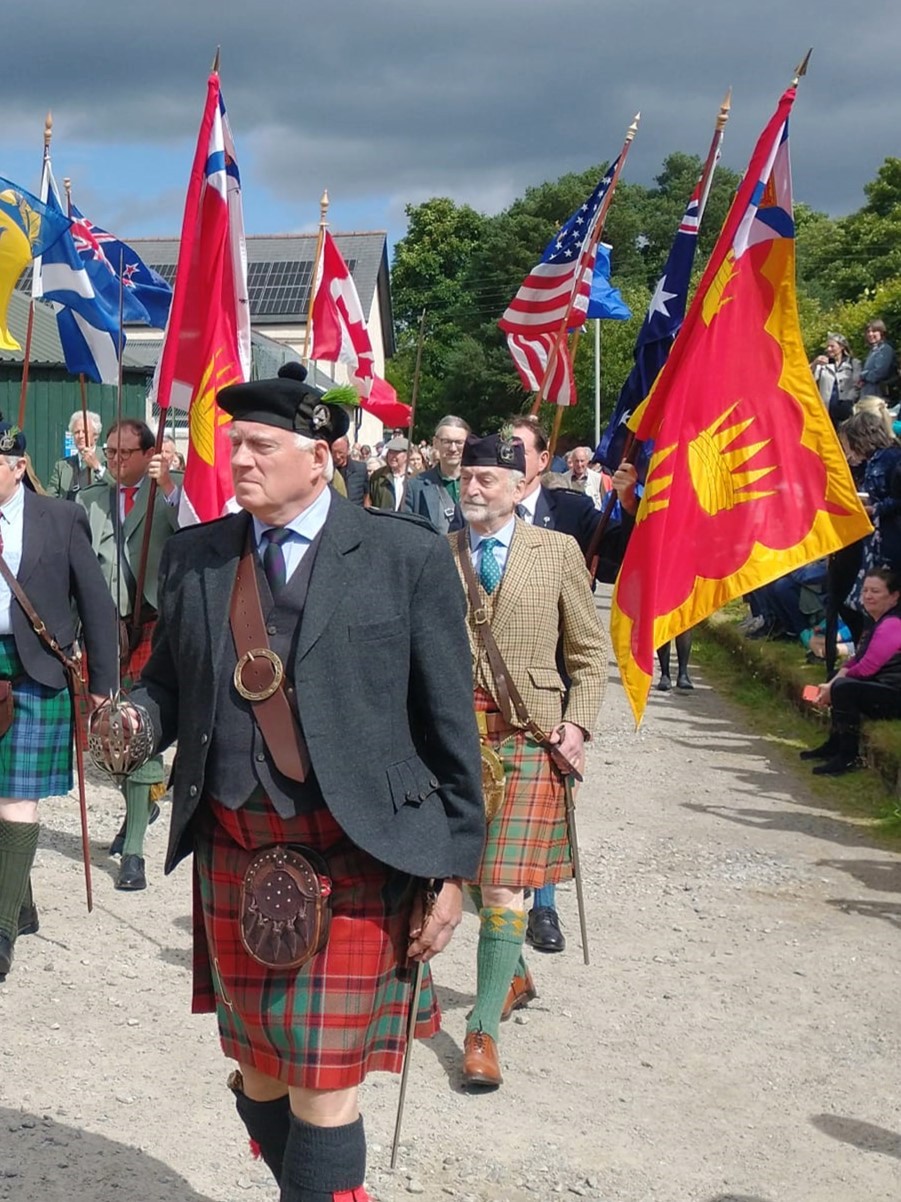
On a different theme, we also had the chance to check out aspects of the local cultural scene, including visiting ancient Pictish symbol stones near Ballindalloch, and living traditions (being “real” tourists now !!), in the form of the colourful Abernethy Highland Games, which are held under the watchful custodianship of members of Clan Grant (who diligently flock there from all corners of the globe to attend this annual spectacle). Whilst some of the ancient clan rituals might seem a bit unfathomable and esoteric to the uninitiated, the open and accessible nature of the competitions (in our era of professional sporting elitism) is most refreshing. In fact, almost anyone can signup, on the spot, to throw a hammer, toss a caber, dance a highland fling or run a 10k (needless to say, I didn’t do any of the aforementioned).

I remember when I was “wee”, most of our local highland games experiences, involved lurking in the undergrowth and shooting at pals (and non-pals alike) with cheap, rubber-tipped bows and arrows, rather than watching any athletic performances (which actually seemed quite boring at the time). For the majority though, I suspect the Highland Games are really just an excuse for a nice day out in the sunshine (or pouring rain, more often), a bit of a blether with some old pals and the chance for a pint and possibly “a wee dram” in the pub later on.

Speaking of which; when visiting Speyside, it would be a heinous crime to return home empty-handed and without sampling a drop or two of the area’s legendary Single Malt whiskies. Our most interesting discovery, from the whisky perspective, was surely the brand new Cairn Distillery, which is located just outside Grantown. This place is amazing; not just in terms of the marrying of tradition with new technology, but also in terms of how the impressive new building has been carefully planned to blend into the surroundings of the Spey Valley. The state-of-the-art new Macallan Distillery some miles further downstream also sounds like a similarly inspiring showpiece and worthy of a visit (I once visited Macallan by canoe during a memorable and fun-packed 5 day descent of the Spey – those last few miles of river afterwards being somewhat of a blur).

Sadly, it’ll be 2035 before the first Cairn Single Malt can be legally poured into a glass (which is roughly the revised government timetable for dualling of the A9 trunk road from Perth to Inverness !). In the meantime, the distillery has conveniently come up with its own blend for sampling purposes which replicates the envisaged flavour and character of its intended future production (and based on some remarkably well-educated guesswork).

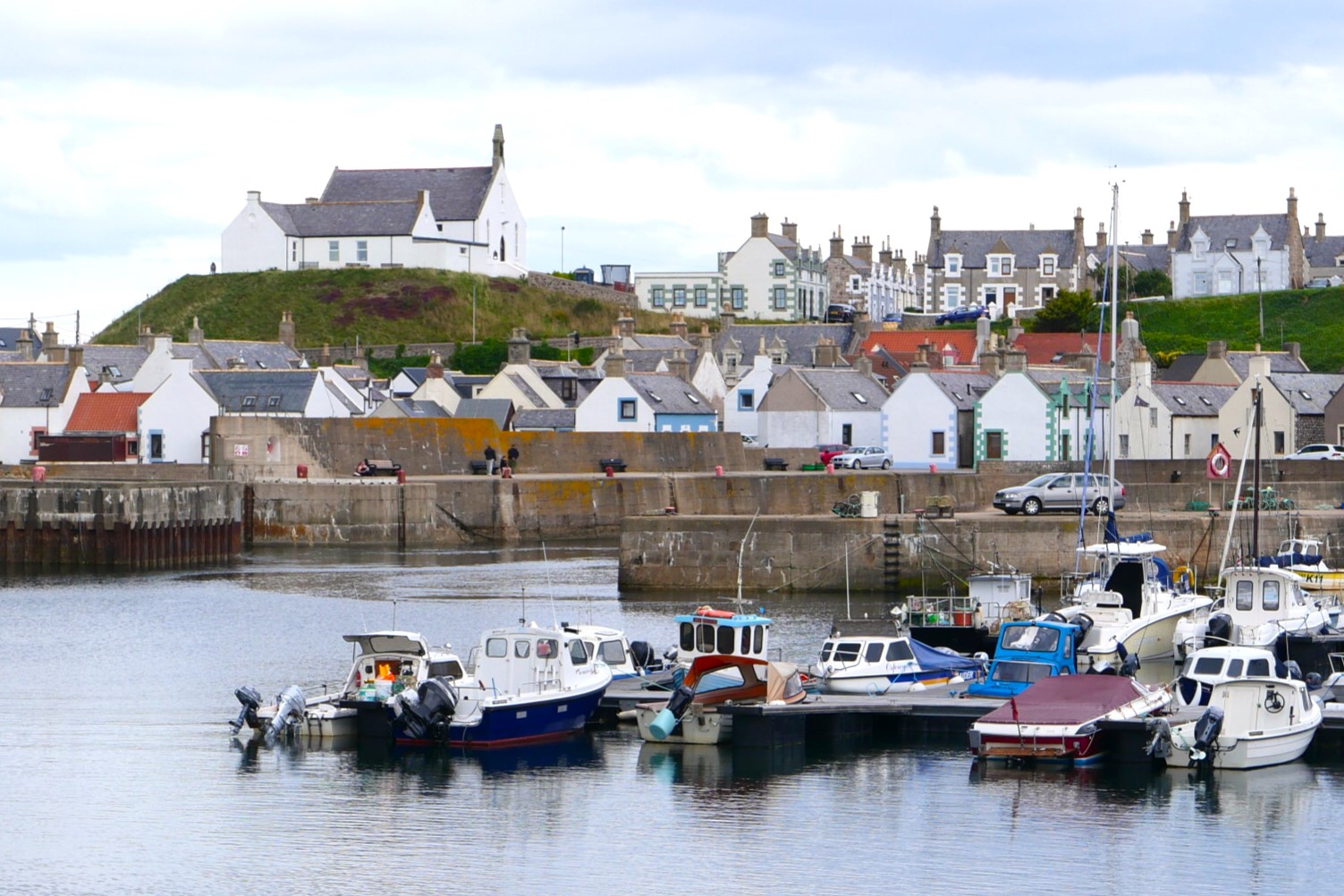
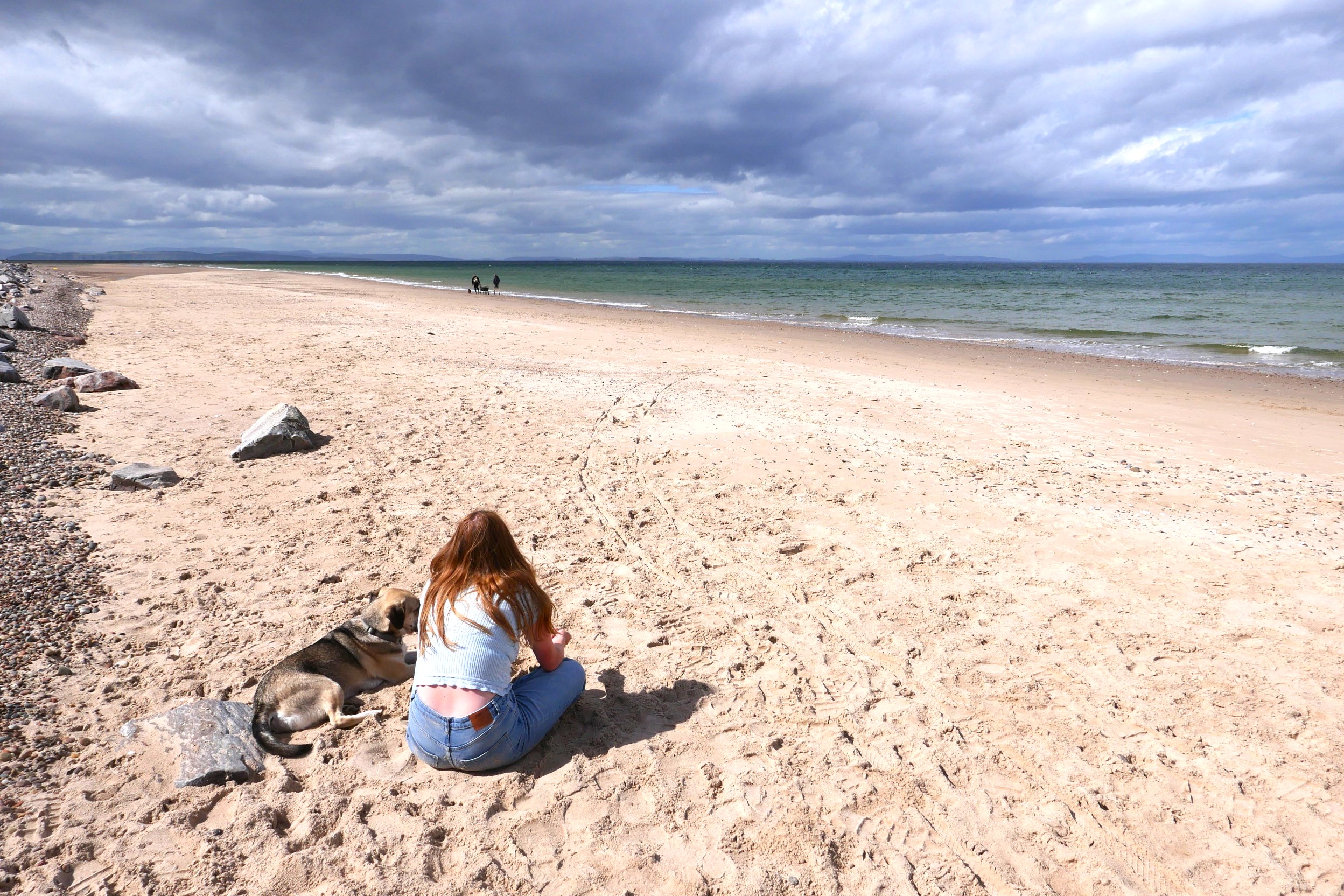
Although we were generally very lucky with the weather during our stay (in what was otherwise a very wet summer in Scotland), it won’t come as a surprise to learn that the sun doesn’t always shine around the Cairngorms. Luckily, we found that, just forty-five minutes away on the Moray Coast, things could be quite a bit drier than in the hills, especially during periods of fickle weather. This was a great discovery and we actually spent quite a few days exploring little coastal towns and villages such as Nairn, Findhorn, Findochty, Portknockie and Cullen. I’d actually forgotten what great little places these are. Findochty certainly reminded me of the 1980s Bill Forsyth movie “Local Hero”, though the movie’s famous single-street village and red phone box was actually filmed in Pennan, which is located a little further east along the coast (by contrast, the beach scenes were filmed over on the west coast at Camusdarach, located between Arisaig and Morar).

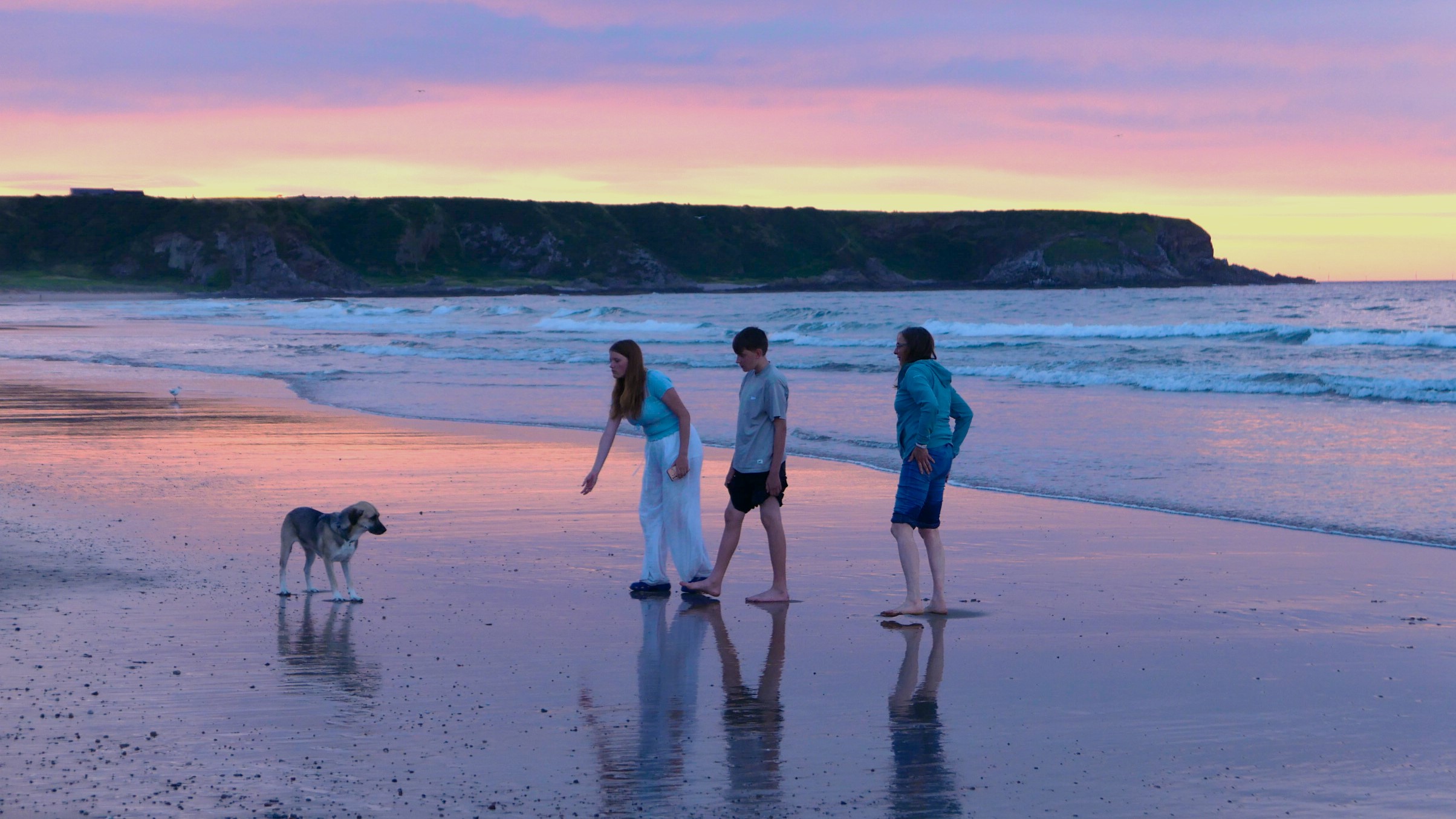
So with all this activity, it was definitely time for some nutritious deep-fried Scottish haddock and chips (to be washed down with copious amounts of Irn Bru of course !!). We chose a suitably scenic, alfresco dining spot overlooking Cullen Bay, with an unexpected serenade from a solitary piper who was “gae’n it laldy” with a fine selection of reels, jigs and atmospheric slow airs. A motley assortment of locals had gathered around the end of the pier to enjoy the spectacle, the haunting skirl o’ the pipes blending harmoniously with the melodic swishing of gentle waves against a pebble-strewn shore (sounds all too much like the stuff of Scottish cliché I know).

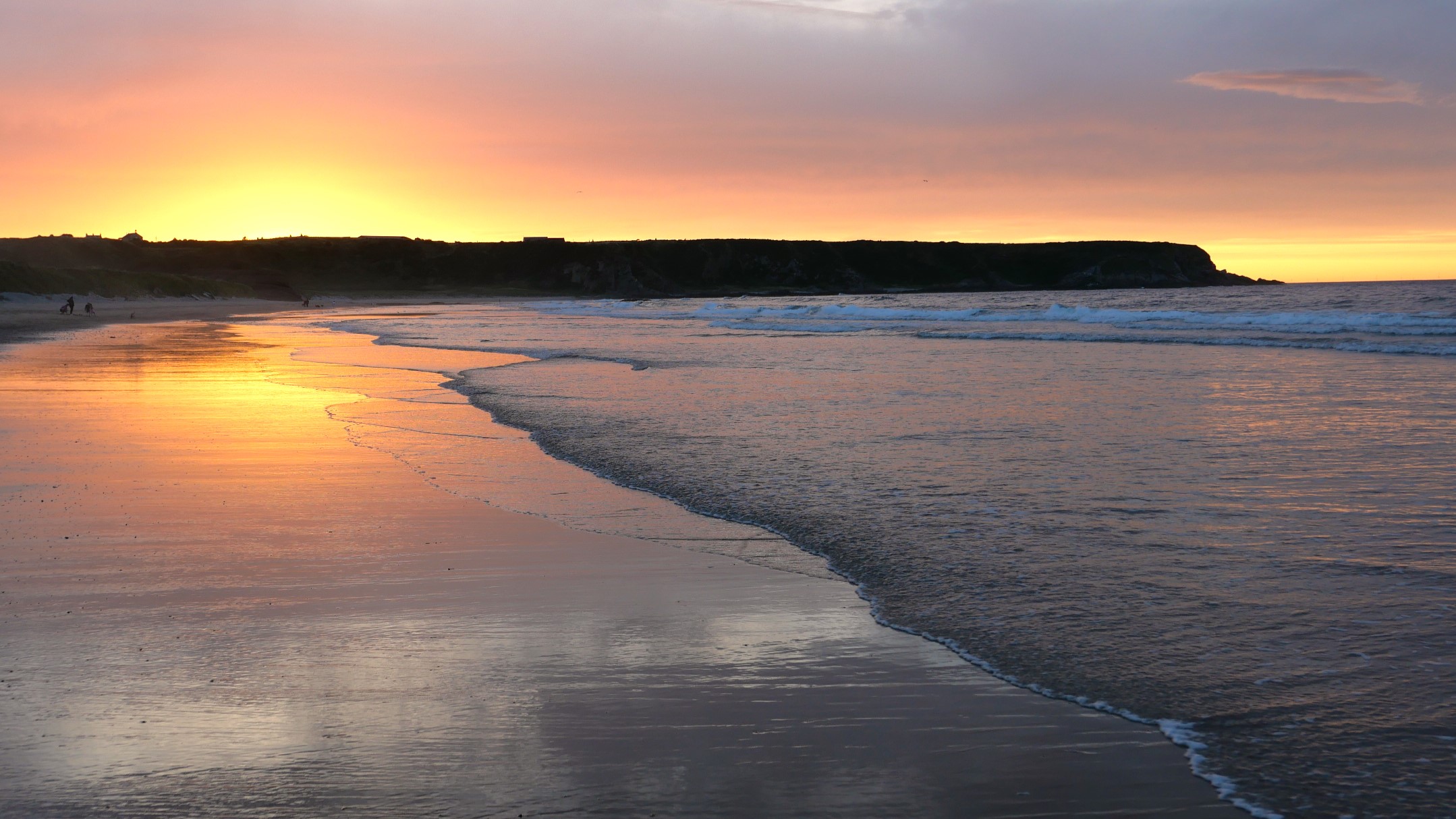
Meanwhile, a few more adventurous souls braved the chilly waters of the North Sea for an evening dip. We stayed-put for a while longer and enjoyed our own “Local Hero” moment, watching a beautiful sunset; the golden orb of the sun melting low into the western horizon amidst some spectacular pyrotechnics. Apparently, the northern lights even put on a show later that evening, though we missed that one. Out to sea, a passing school of dolphins wowed (the more observant – which didn’t include myself) evening strollers and dog-walkers on the beach by, obligingly, leaping gracefully out of the water, on their endless forays up and down the Moray coastline.

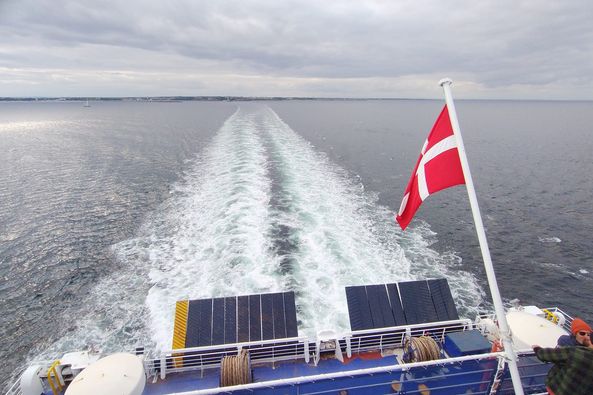
And so it seemed like a fitting finale to our trip. Soon it would be time again to take the great road south and across the rolling hills of the Borders to Newcastle, where the DFDS “Princess Seaways” awaited to us for an overnight voyage back to Amsterdam. Fortunately, the seas stayed calm, the buffet menu was delicious and the band played on enthusiastically until the wee small hours as we sailed eastwards towards the dawn and that other, somewhat busier, coastline of continental Europe.

Postscript: Are YOU planning a “wee trip” to Scotland ?

Over-tourism has been very much in the news recently and Scotland has certainly not been immune to its consequences; the “Outlander Effect”, movie locations (such as Harry Potter, Skyfall, Avengers etc.), the creation of the NC500 route and over-popularisation of a few “hotspot” locations (such as “The Fairy Pools” on Skye) by Instagrammers has had a huge detrimental impact in some parts of the country. It has unfortunately brought people, en masse, to places without the infrastructure, services or ecological resilience to support the presence of visitors in such large numbers.

Whilst there are obviously many economic benefits of tourism for rural communities, taken to excess, it can also bring significant undesirable effects. These include congestion on single-track roads, overcrowding of localised “hotspots”, eroded footpaths, environmental damage to sensitive sites, littering, inappropriate behaviour, irresponsible camping and housing shortages for locals (as properties are bought up as visitor accommodation, including short term lets).

Fortunately, the good news is that Scotland is a big enough place and there are endless opportunities to escape the crowds – it only takes a little imagination and some basic research. So, why not try exploring for yourself, rather following the Instagram flock ? Ask some locals about the places they’d recommend, buy a decent “Ordnance Survey” map, get a local guidebook, or just read a slightly better class of blog – like this one :-). Start exploring for yourself and on your own terms. As a result, your experience of visiting Scotland will be a far more rewarding and enriching one than being stuck in a queue of camper vans trying desperately to reach the “Fairy Pools” (indeed, also far better than being left to the mercy of, sometimes questionable “influencers”, or the chance offerings generated by social media algorithms).

For more practical advice, there are also many great sources of information about how to become a more sustainable tourist and offering hints and tips; here’s a blog on the theme that I’ve only just spotted (most importantly: happy travels !):

https://www.lovefromscotland.co.uk/how-to-be-a-sustainable-tourist-in-scotland/


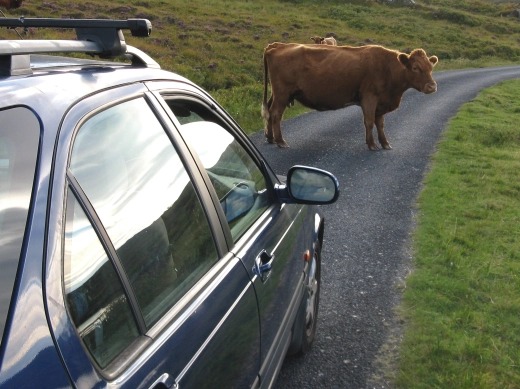
Traffic jams in the Highlands in the pre-Instagram era…

Posted in Canoe Trips, History & Culture, In Scotland, Trees & Greenspaces, Uncategorized, Wild Places | Tagged , , , , , , , , , , , , , , , , , , , , | Leave a comment

Summer Mountain Magic

No alpine jaunts planned for me this summer; instead I’ll be heading north and west to check out a few old Scottish haunts again. Meanwhile, the high mountain ranges of Central Europe will have to wait until later in the year. I do miss the Alps, however and so to make up for that omission, here’s a few photos that I’ve recycled from some previous exploits. Hopefully, you’ll be inclined to forgive such blatant repetition, given the vibrant colours and beauty of these mountain landscapes and the wonderful plants, bugs and beasties that make these lofty places their home.

In Europe, unlike some remoter and wilder parts of the world, many of our most colourful and biodiversity rich areas are actually old cultural landscapes, which have been home to countless generations of villagers, mountain farmers and foresters. These unique habitats have arisen through the complex interaction of man and nature over millennia, achieving a healthy balance between the needs and activities of both. Nothing typifies these ancient cultural landscapes more than the splendour, diversity and colours of alpine meadows.

Living on the Continent for well over a decade now, I’ve been lucky enough to have the chance to wander many of the high mountain ranges of Europe; from the Picos de Europa and the Pyrenees in Northern Spain and France, around the Matterhorn, Mt. Blanc and Bernese Oberland regions, to the inspiring landscapes of the Allgäu, Karwendel, Stubai, Hohe Tauern and the Dolomites.

This random selection of photos aims to give an idea of the huge natural and cultural diversity to be encountered across Europe’s mountains. I love being in these places; they’re literally alive with sights, scents and an ever-changing profusion of colours; they are always a joy to visit and are uplifting for the soul, whatever the season. Let’s hope that there are places like this left for our children to enjoy, where the mountain magic will remain…

Posted in In Europe, Mountain Treks, Wild Places | Tagged , , , , , , , , , | Leave a comment

Seeking a Winter High – Skiing in a Changing Climate

Let’s face it, the chance to go downhill skiing is a luxury indeed these days. In our age of climate change it’s also becoming increasingly difficult to seek out reliably snowy slopes, especially in some of the lower lying mountain ranges of Europe. I learned to ski many years ago in the relatively inhospitable conditions of the Cairngorm Mountains in Scotland; a place where people “ski despite the weather” rather than for any particularly inviting attributes that might exist ! Scottish skiers are traditionally a hardy breed; no cosy alpine huts, Apfel Strudel or Glühwein to be found on Scottish slopes - more a case of bringing along a flask of tea or a soggy cheese sandwich to gulp down on a windswept parking lot.

In reality, I can remember numerous days in the Coire Cas or at Glenshee, immersed within a featureless white void of low cloud; ice crystals, whipped up by incessant winds, relentlessly sandblasting any exposed areas of skin. Nevertheless, there were also occasional beautiful days with picture-postcard blue skies, sun drenched pistes and wall to wall snow cover (sometimes lasting 3 to 4 months from December right through to April or even May). Such rare days, at best, compared favourably with skiing conditions to be found anywhere on the planet. And then there was the swinging, hipster 70s-style resort of Aviemore to boot !


Me enjoying full snow cover: Cairngorm late 1970s

Sadly, these times seem rather a thing of the past nowadays, with a series of mild winters meaning that preserving any amount of snow cover on Scottish pistes these days requires Herculean efforts (though there are still some occasional “good” seasons). My periodic checks for recent webcam footage from Scotland increasingly reveal depressing scenes of overworked “piste-bashers” (or even just guys with spades) forlornly redistributing heaps of melting snow, in vain attempts to maintain fragile cover on otherwise barren hillsides. Indeed, what might once have been described as “terrible” snow coverage in the 1970s is now being trumpeted as a being a “fabulous” opportunity for Scottish skiing fans ! It seems that many frustrated folks have abandoned the pistes altogether and headed off to the Alps, or bought touring skis as a way of seeking out more extensive terrain amidst remote Scottish summits.

However, these issues certainly aren’t unique to Scotland. On the Continent, the same problem also affects lower lying ski areas along the foothills of the Alps, such as in Bavaria. Here, snow cover is proving increasingly unreliable in locations under 1500m or so, even despite a heavy investment in artificial snow making equipment, which requires low temperatures to be effective. Last year, over Christmas, we headed for the Allgäu region of Bavaria to be greeted by mostly green, springlike conditions, with just a few meagre patches of melting snow (a couple of weeks previously the picture had seemed much more promising). My kids found just one snowy piste of about 200m to practice on in the area. Even that seemed like a lucky break at the time; that little, tired patch of snow certainly earned its keep that year ! (strangely enough, Scotland was one of the few places with any snow around that time, unless your headed for the higher alps and their associated traffic chaos, as everyone headed up the same treacherous winding mountain passes simultaneously).

Snow a rare commodity: Allgäu, Bavaria, Christmas 2022

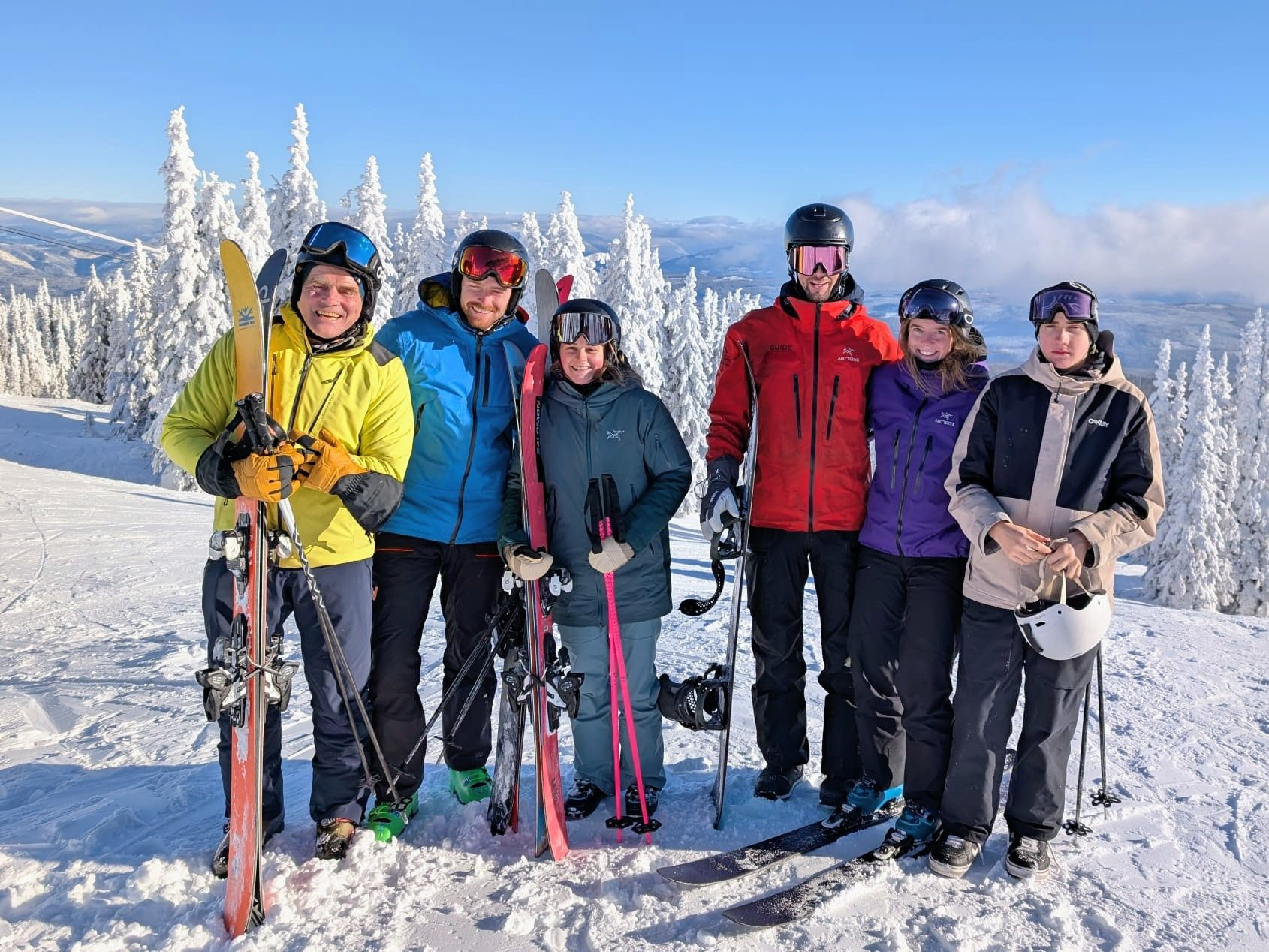
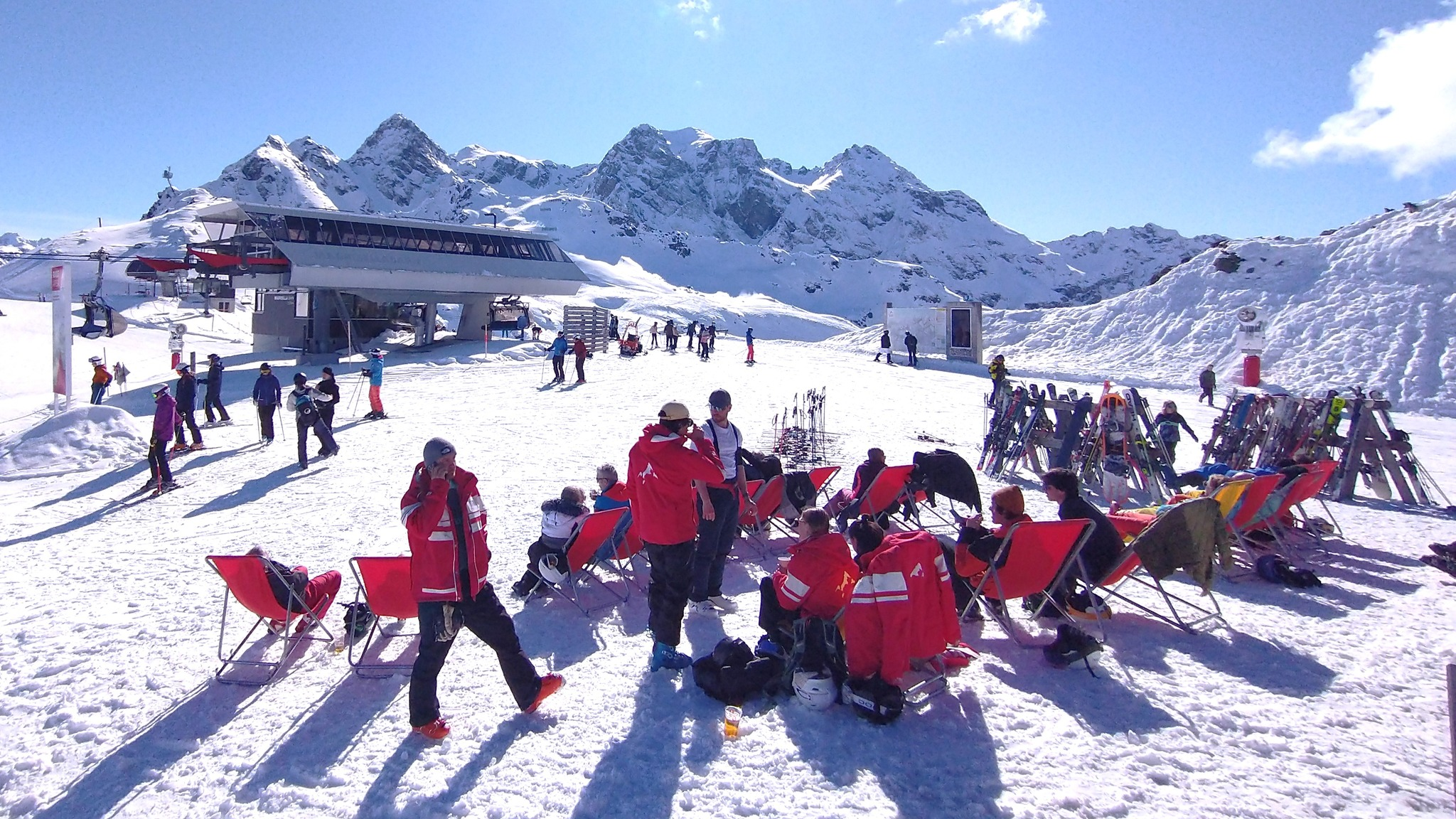
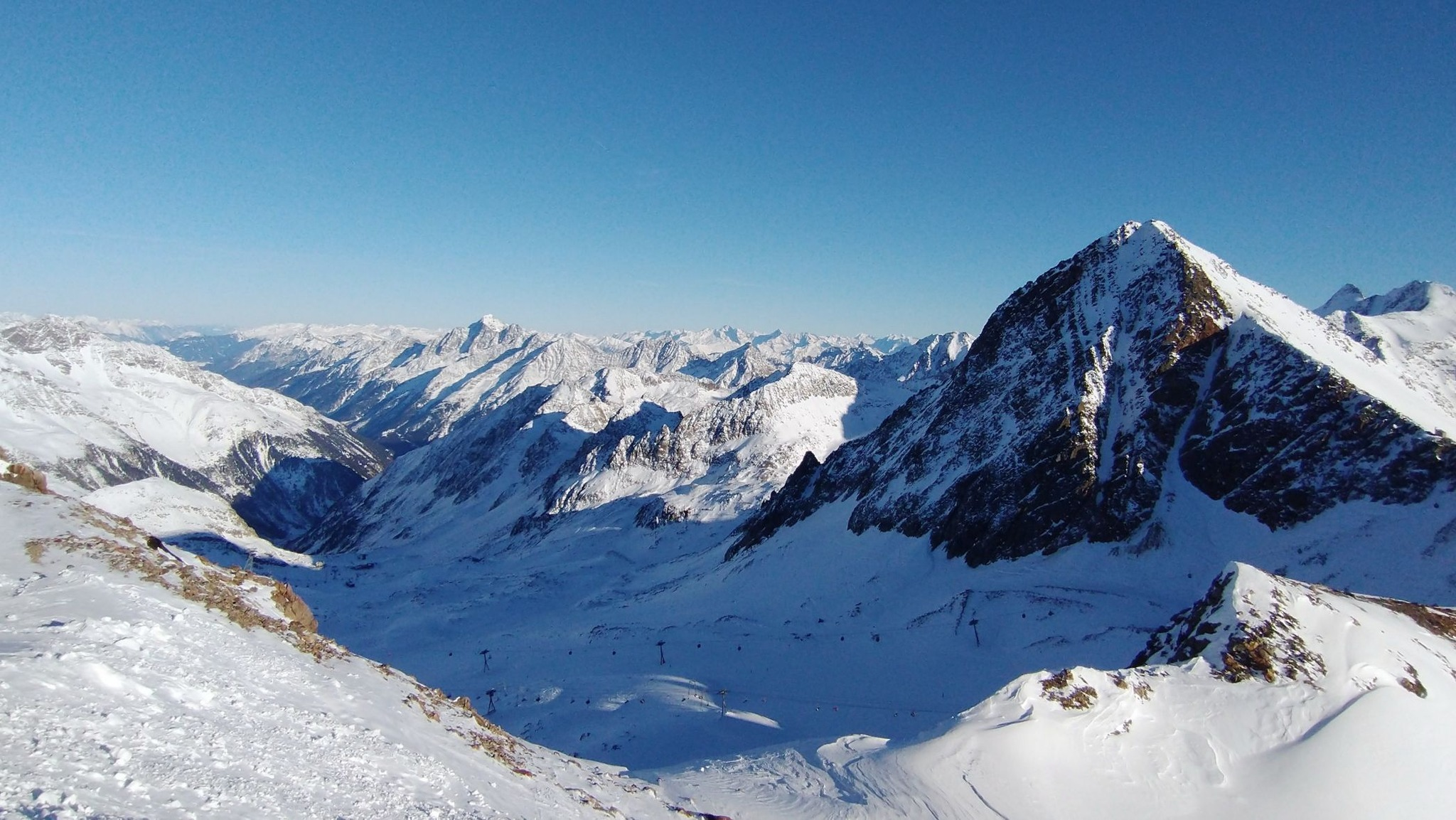
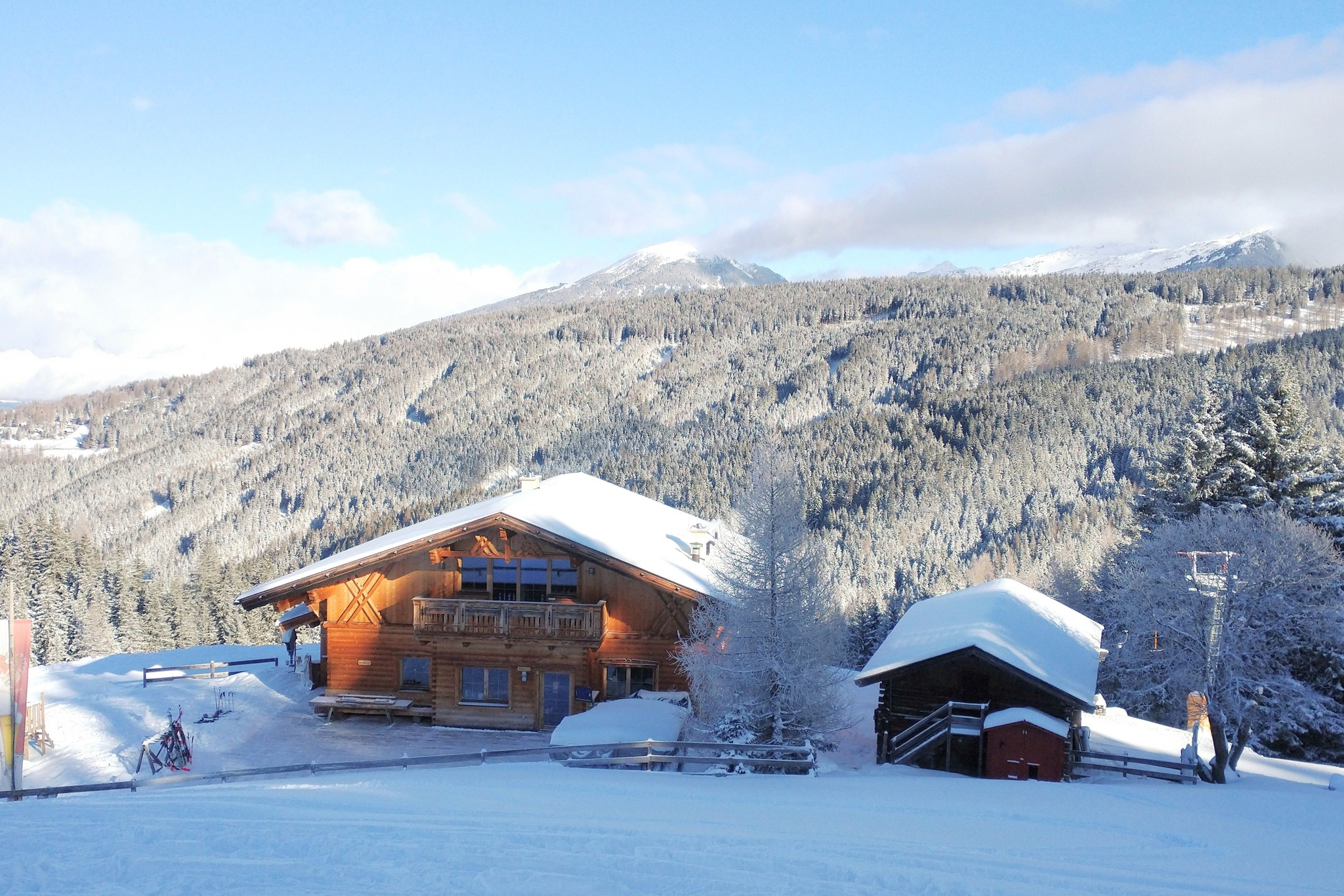
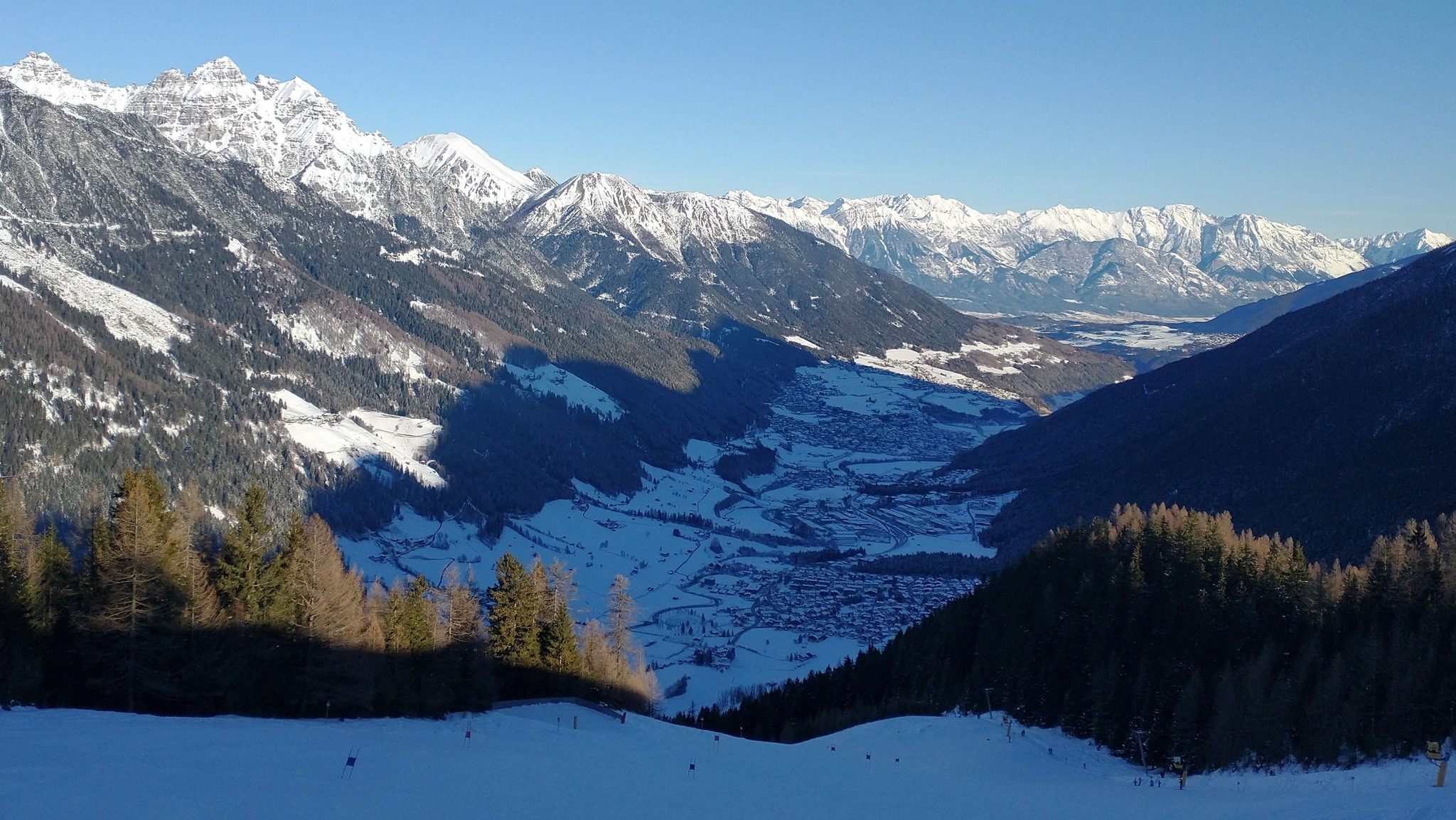
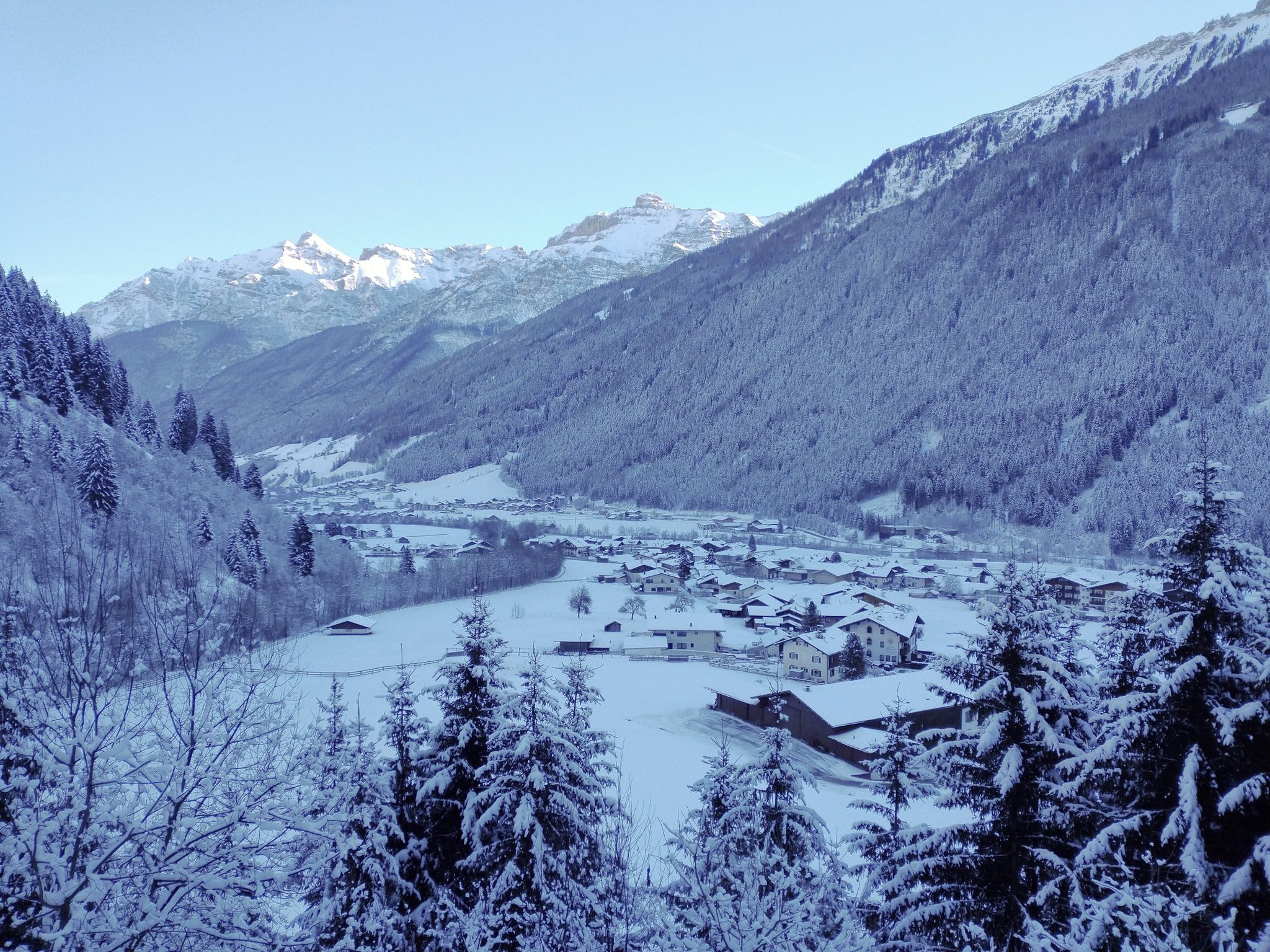
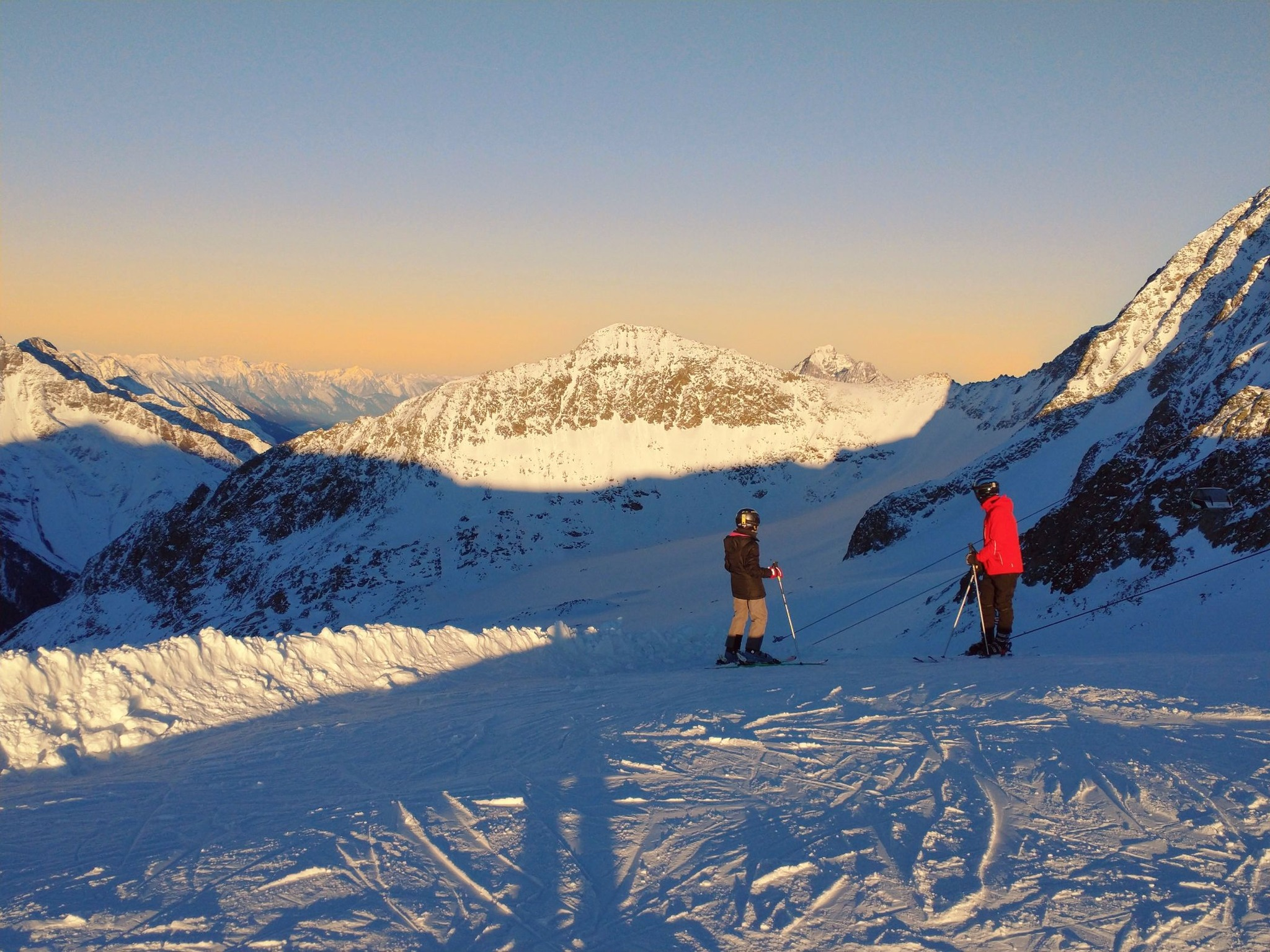
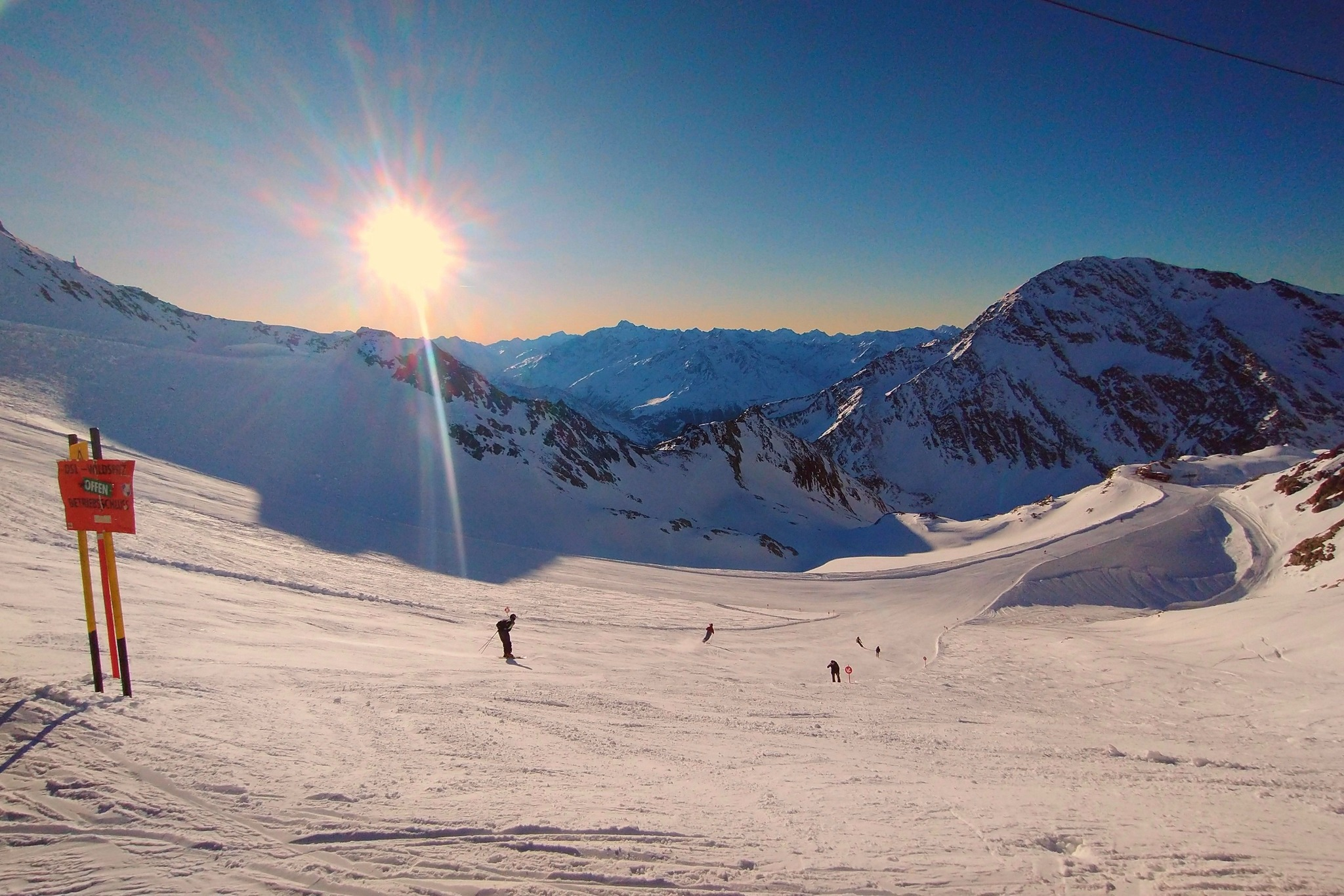
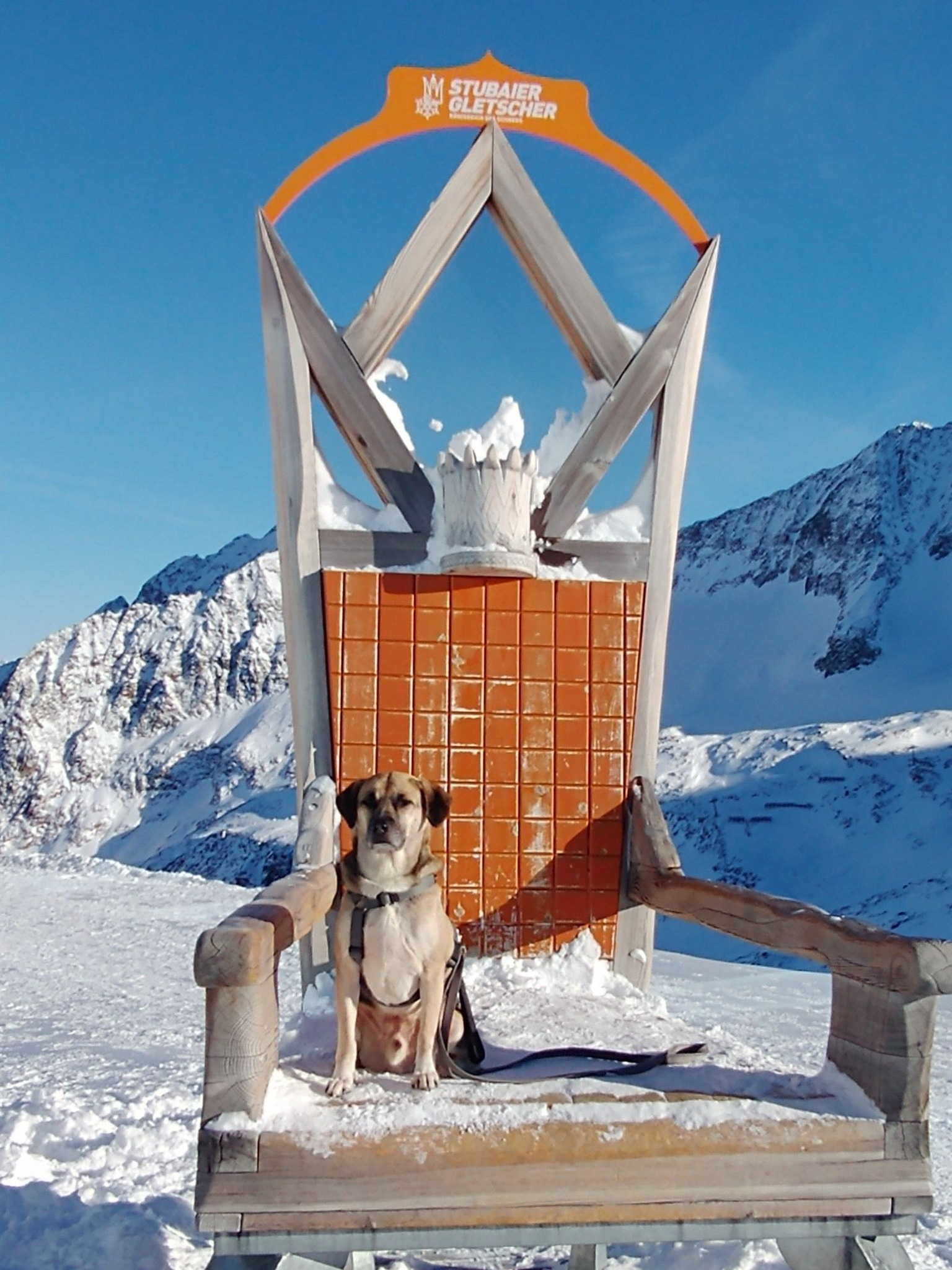
For me, though, snow coverage was beginning to seem all rather academic anyway. Following a knee injury, I’d begun to think that my skiing days might be well and truly over. However, never one to concede defeat, the chance to get back on the slopes again proved to be one just too inviting to resist. And so, during the most recent festive season, we headed for the Stubaital near Innsbruck for a week, where my son was keen to try out his new snowboard and check out the slopes. This time, we took no chances and deliberately sought out higher terrain, beyond the first northern ranges of the Alps. The Stubai Glacier ski area seemed like a safe bet. It offers a vertical range from 1500m up to 3000m, reaching to the very the crest of the Alps, by the Italian border. In addition, the nearby Schlick 2000 ski area also offers further attractive opportunities at slightly lower attitudes, located further down the valley towards Innsbruck. It has a a cosy, traditional alpine feel about it and is set amidst a dramatic backdrop of rocky alpine peaks and spruce forests (rather like a small chunk of the Dolomites that’s been broken off and shifted 80km north).

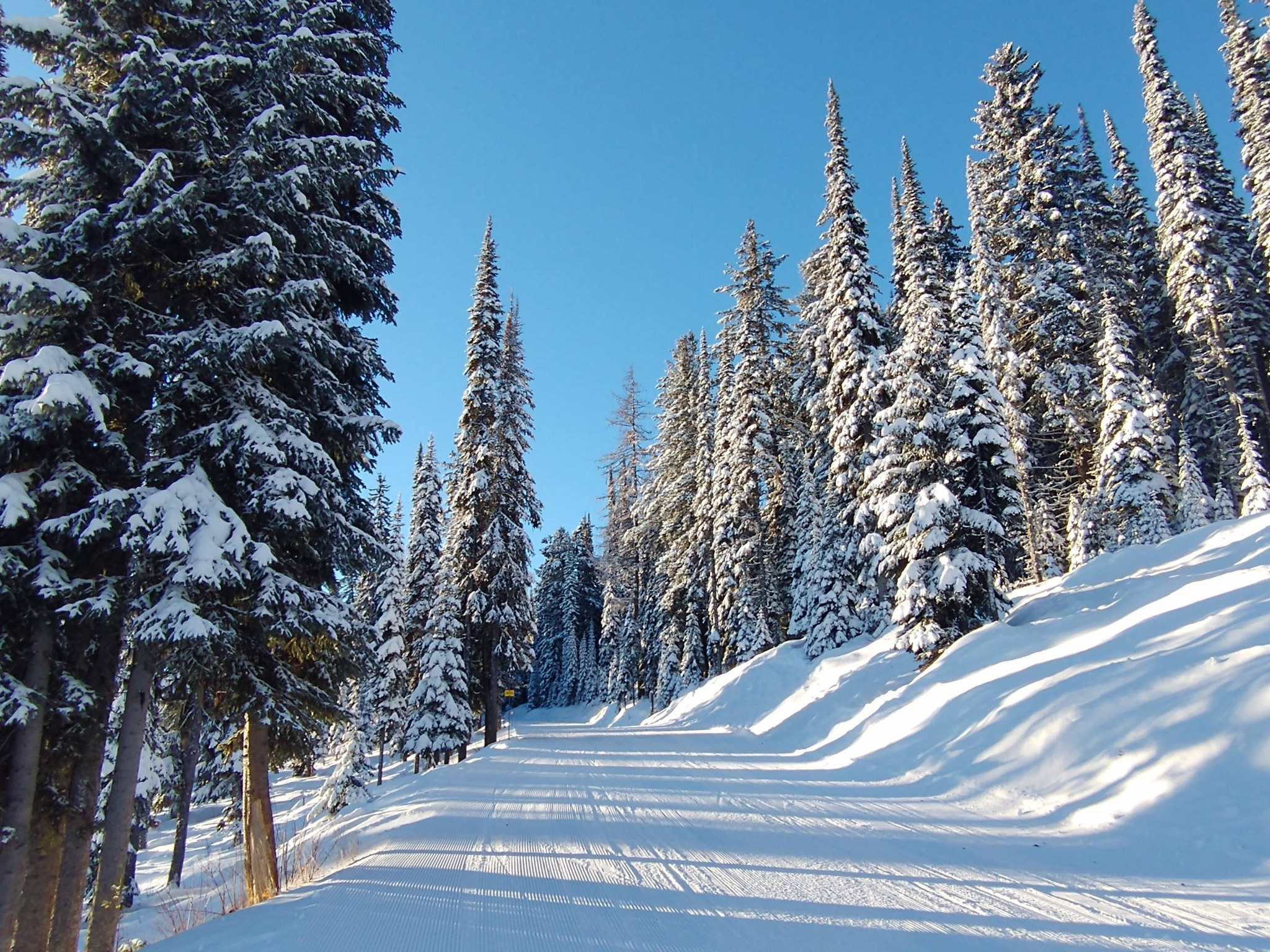
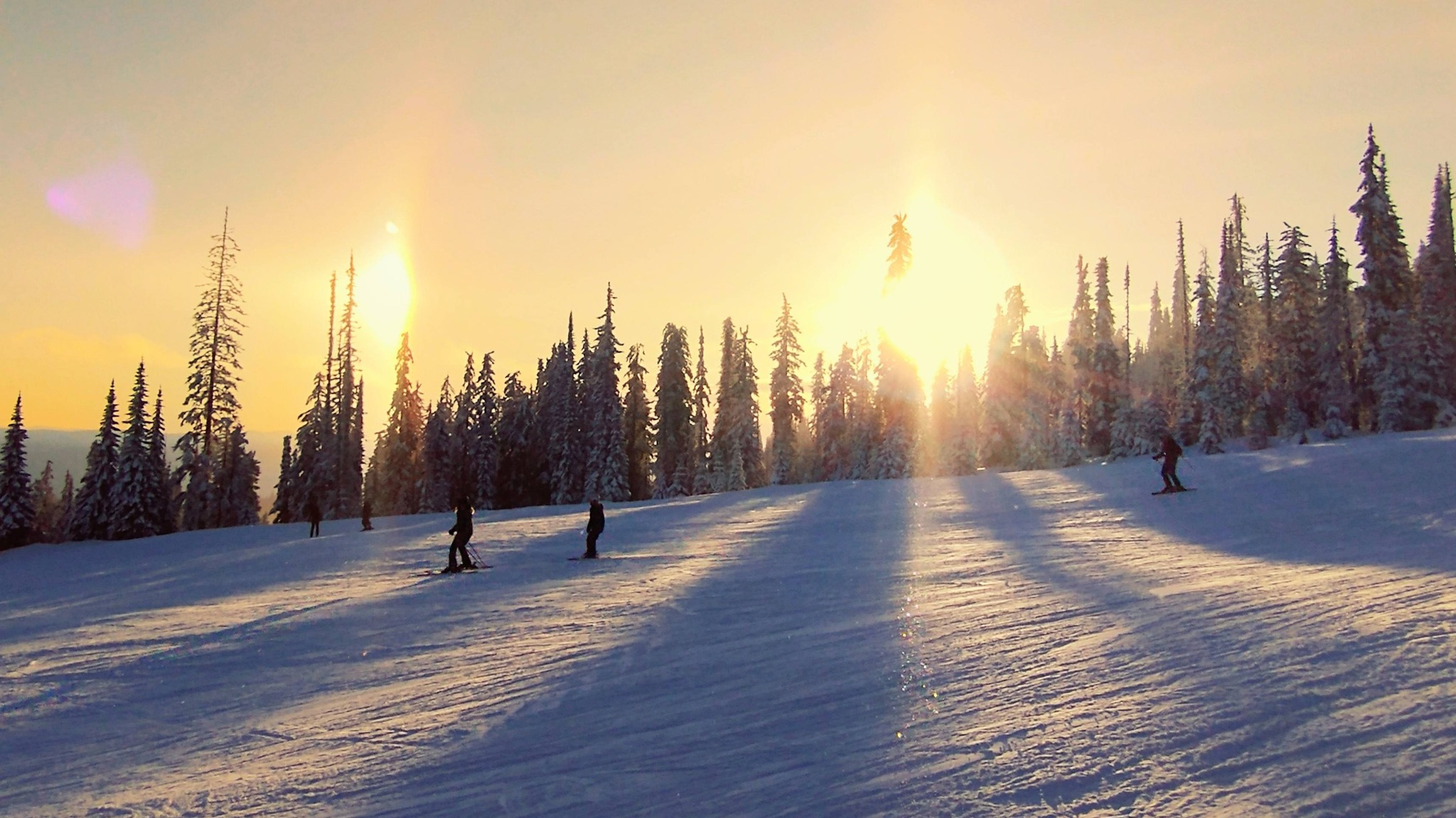
Happily, this time we hit the snow jackpot ! The conditions were just wonderful with great mountain panoramas, relatively uncrowded slopes and settled weather conditions for the duration of our trip. Skiing with a not-too-perfect knee was a bit of an unknown quantity, but fortunately everything functioned exactly as it should. Surely that was one winter high just too precious to miss.

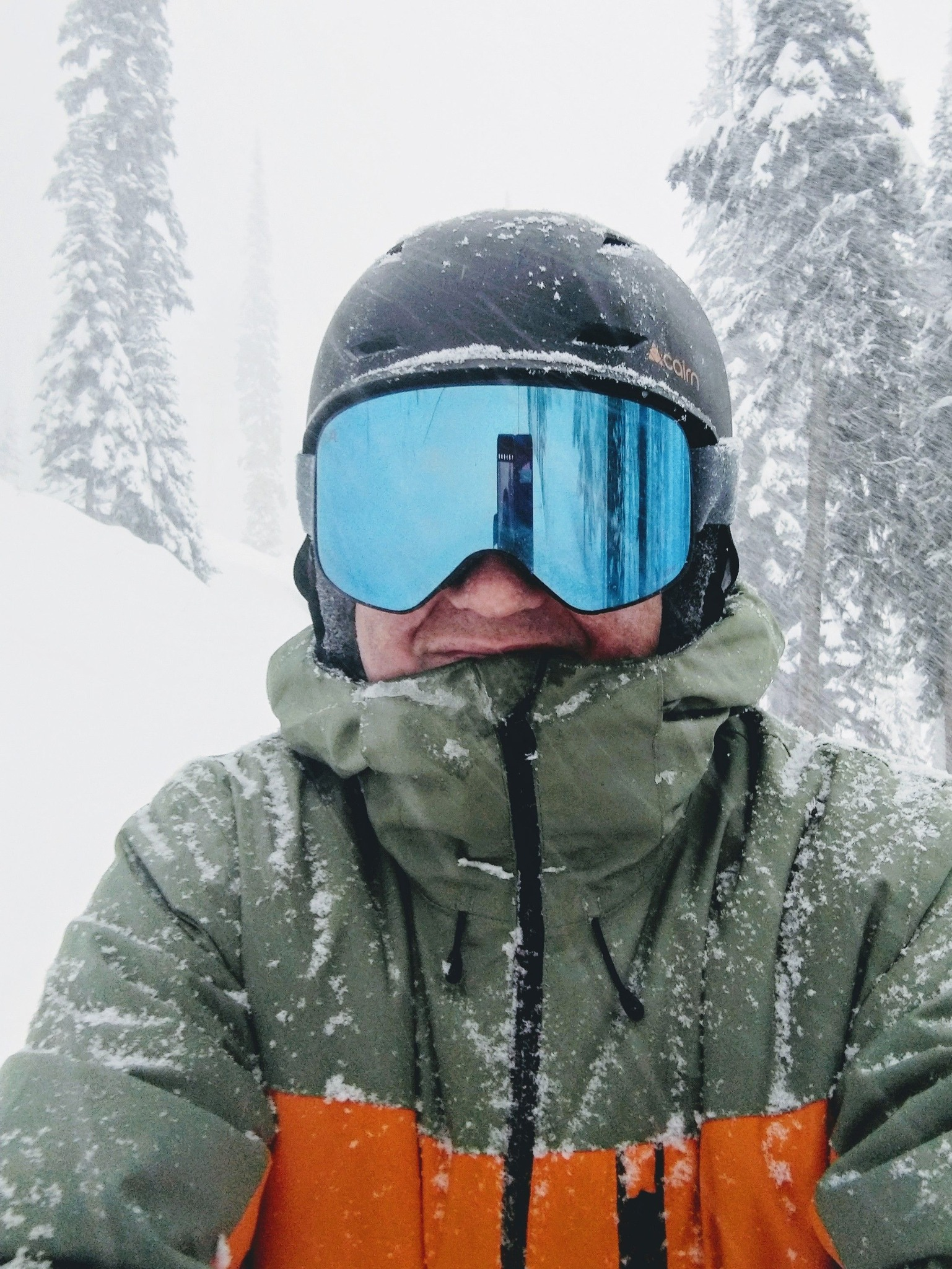
So, here’s a few images from the trip:

Unfortunately, one thing is for sure; the alpine ski industry faces a challenging future as a result of evermore uncertain snow conditions. Many lower attitude resorts will have to think very creatively about the activities and experiences they offer in order to continue attract visitors. In addition they must also consider the thorny topic of their own carbon footprint (transport to get there being one of the key themes), if they are to survive and prosper in an evermore unpredictable climate.

Sadly, the high glaciers of the Alps are not immune to the problems of global warming, with glaciers receding at ever-increasing rates (indeed, it is predicted that half of the current 4000 or so alpine glaciers will be gone by 2050). Loss of ice mass, through melting, directly affects the Stubai Glacier itself – the melting of the glacier itself is all-too-evident when riding up on the ski lifts. In locations where the surface has been protected from melting (using a variety of reflective sheeting and thermal insulation techniques), the remaining depth of ice can be clearly observed to be several metres higher than in the surrounding unprotected areas. It seems that, nowhere, is climate change more evident.

For now though, we enjoyed the precious chance to be part of the winter wonderland; I wondered:

– How can such opportunities last into the foreseeable future ? Will future generations still be able to enjoy winter sports in the Alps ? If so, what needs to change to achieve that (other than relying more and more on artificial snow) ?

– Can ski resorts themselves really adapt to become more sustainable, and if so how ? Many are already starting to look ahead with constructive ideas and innovative new approaches (including energy and water use, public transportation, “slow”/niche tourism, summer alternatives etc.)

– To what extent are we also part of the problem ? How can we change our habits to become more responsible as individuals and “consumers” ? e.g. how do we travel to get to the mountains (actually the greatest impact of all) ? How do we support a sustainable local and green economy rather than merely throwing money into the hands of external “big business” interests.

There are no quick-fix solutions however; but many complex challenges ahead.

Protected ice to support the lift pylon – the surrounding mass has gone.

Top of the Stubai Alps: Christmas 2023
Posted in In Europe, Mountain Treks, Wild Places | Tagged , , , , , , , | Leave a comment