
So, let’s face it, the tourism industry in general seems to be getting somewhat of a bad name for itself these days. Almost every day I’m reading about yet another small piece of heaven that’s been trashed by the Instagram hoards, or about waves of marauding cruise ship passengers laying siege to some remote community or other. However, not wanting to dwell too much on negative images (or, worse still, to descend into some personal rant), there are other ways of “doing” tourism which are considerably less damaging for nature and which can benefit both locals and visitors alike.
Fortunately, the majority of inspiring places, especially those lesser-known and unglamourous ones, remain still largely untrampled and well off the radar of the madding crowds. To some extent, that’s all well and good, though we could perhaps get a bit more canny when it comes to spreading the visitor load about a bit more (both seasonally and geographically) and away from some of the more predictable tourist honeypots.
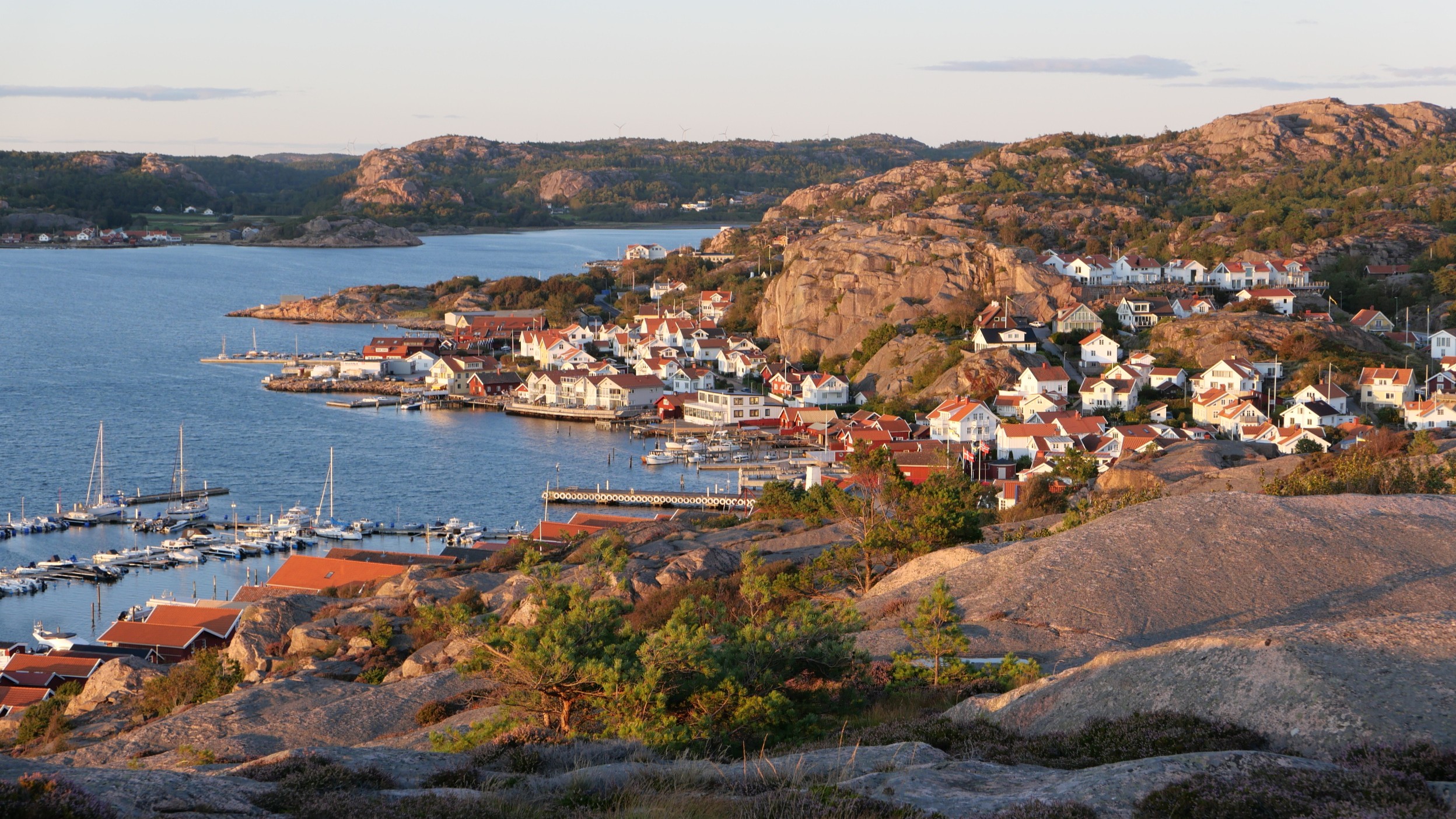
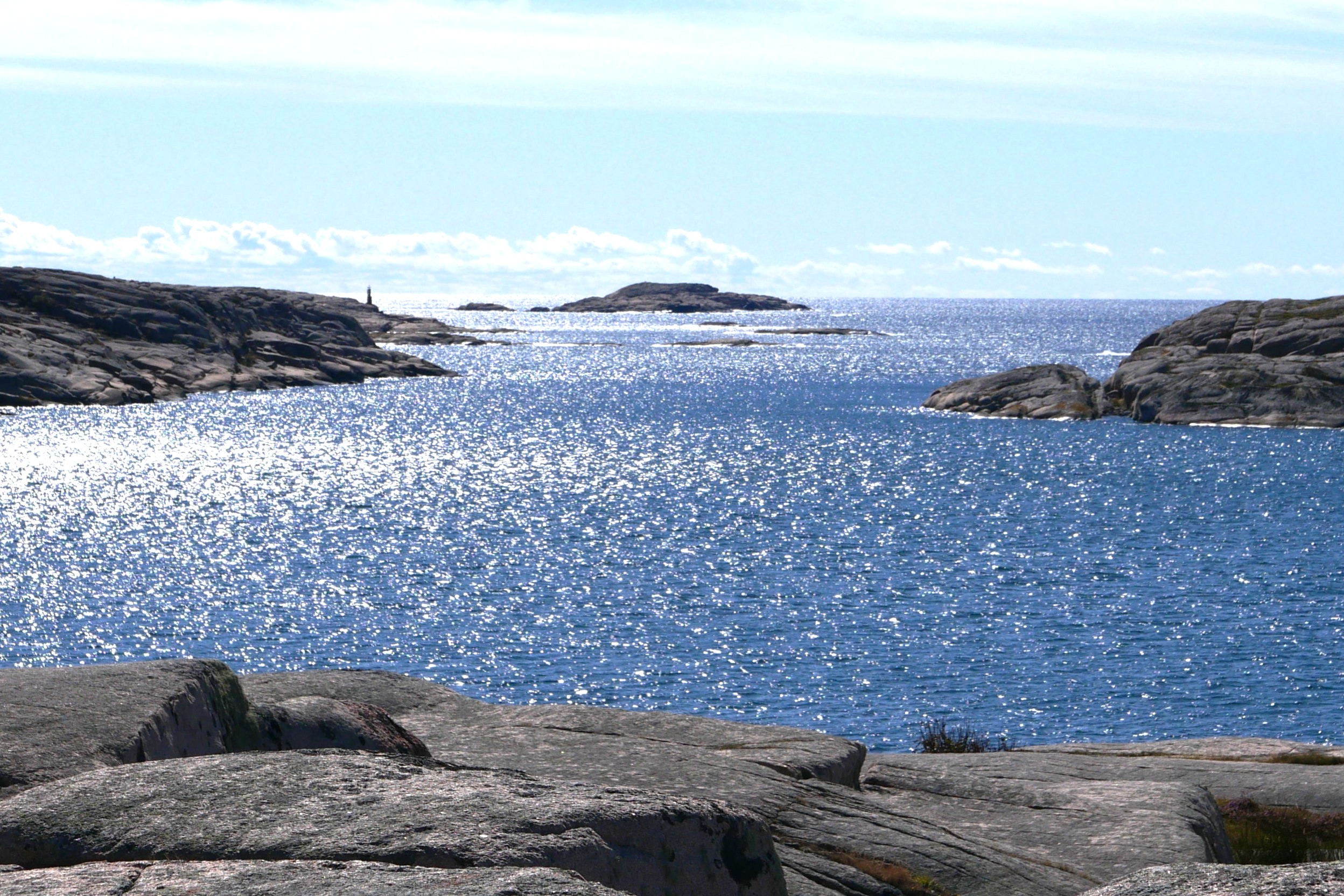
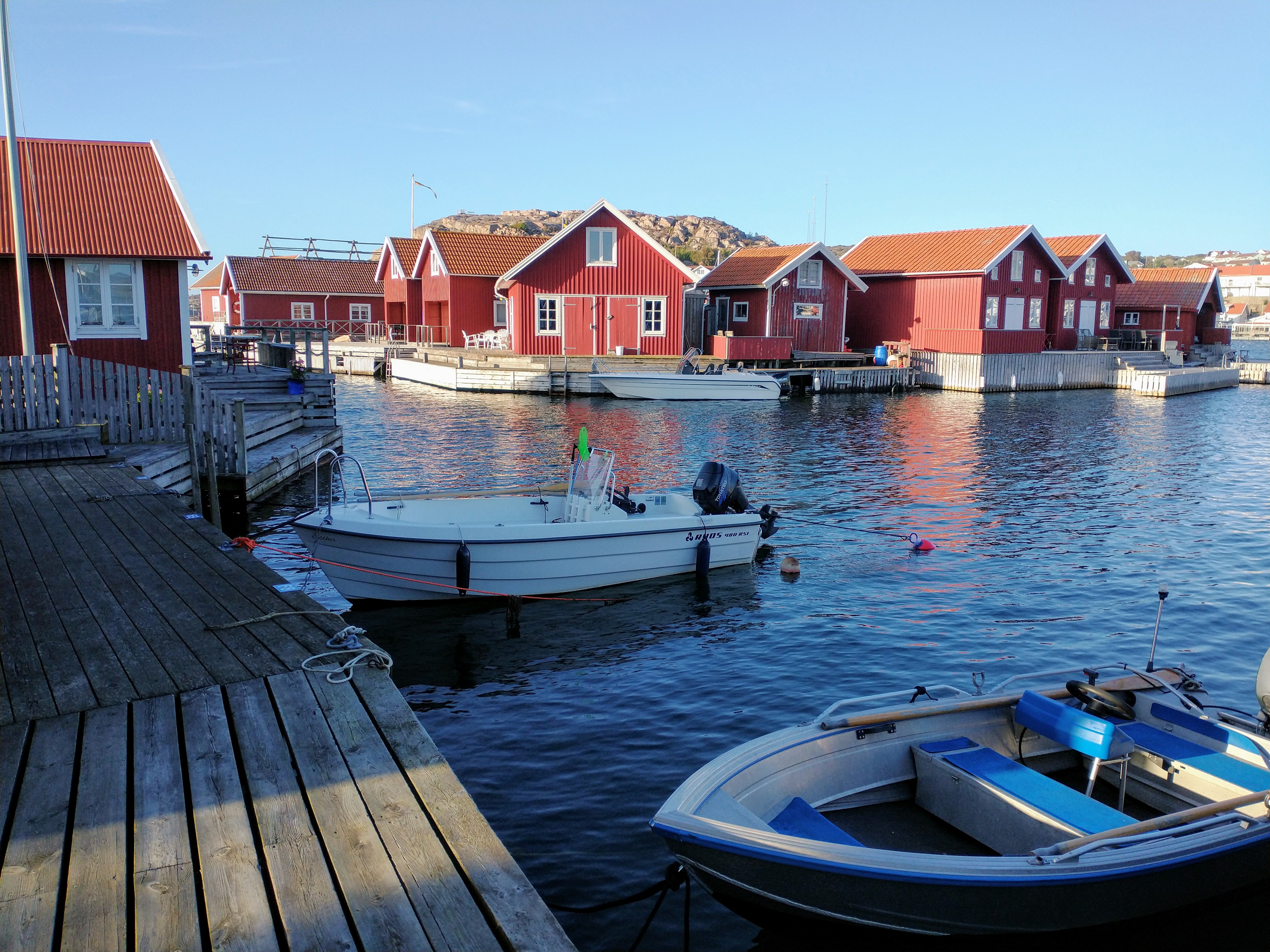
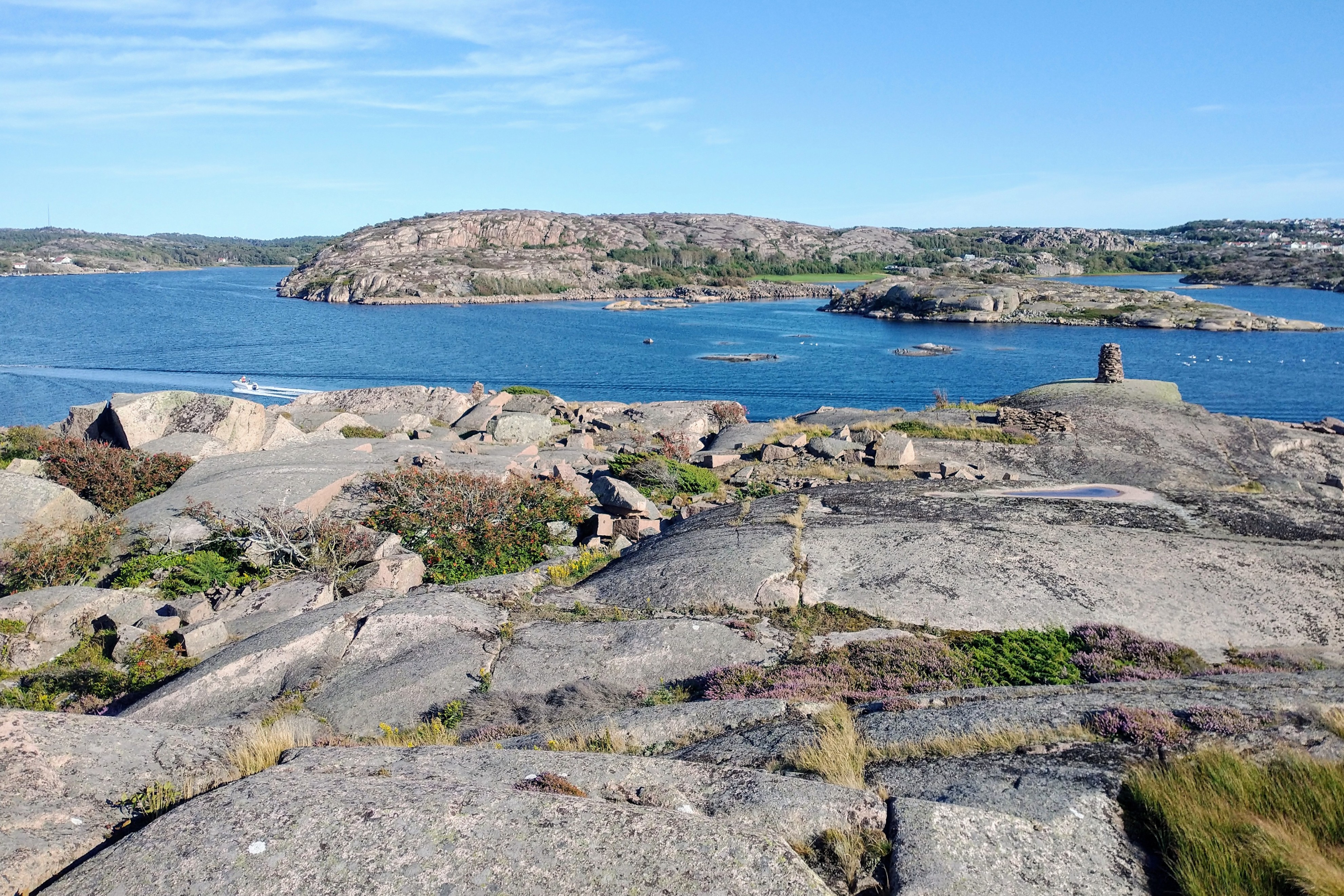
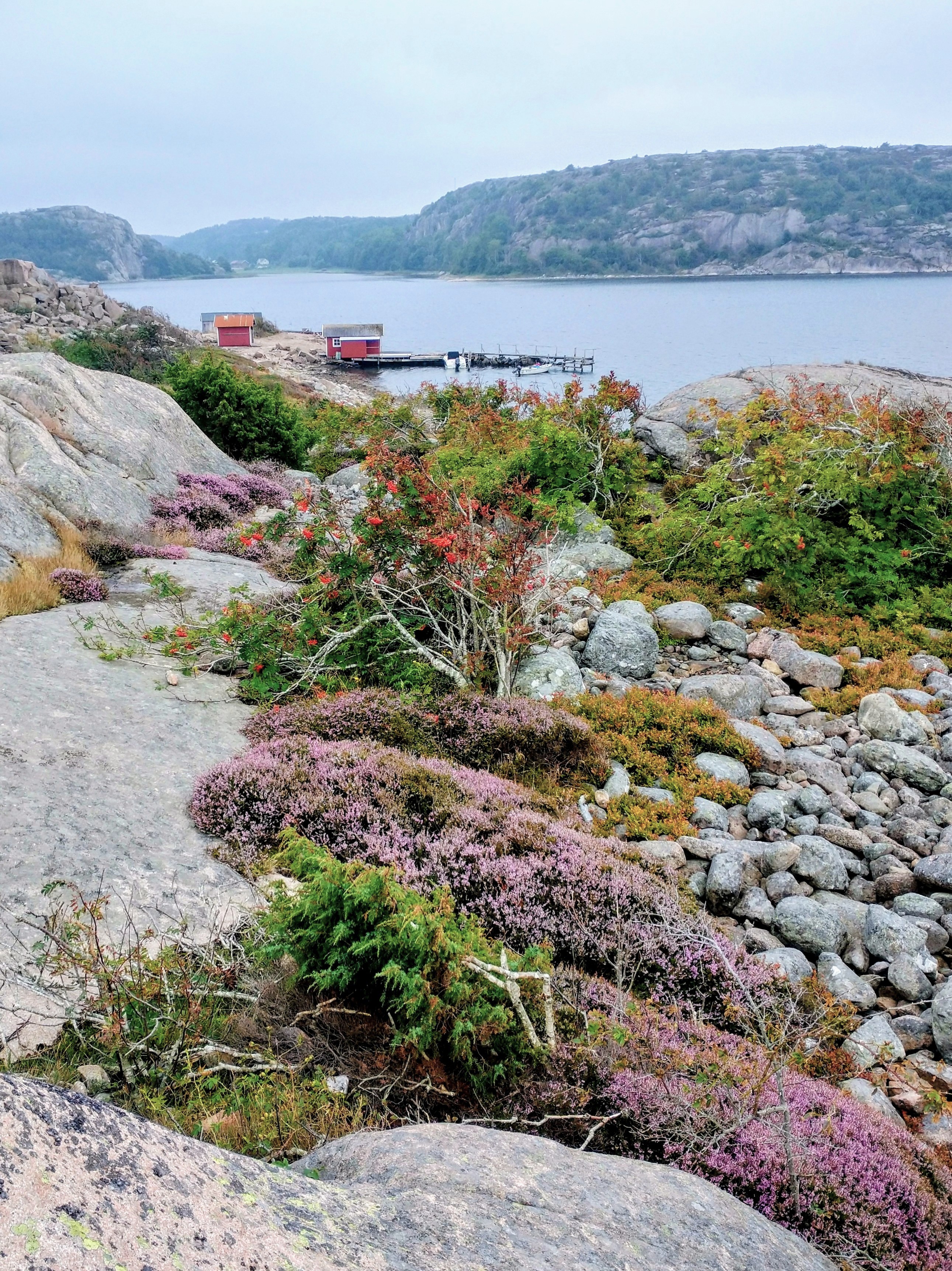
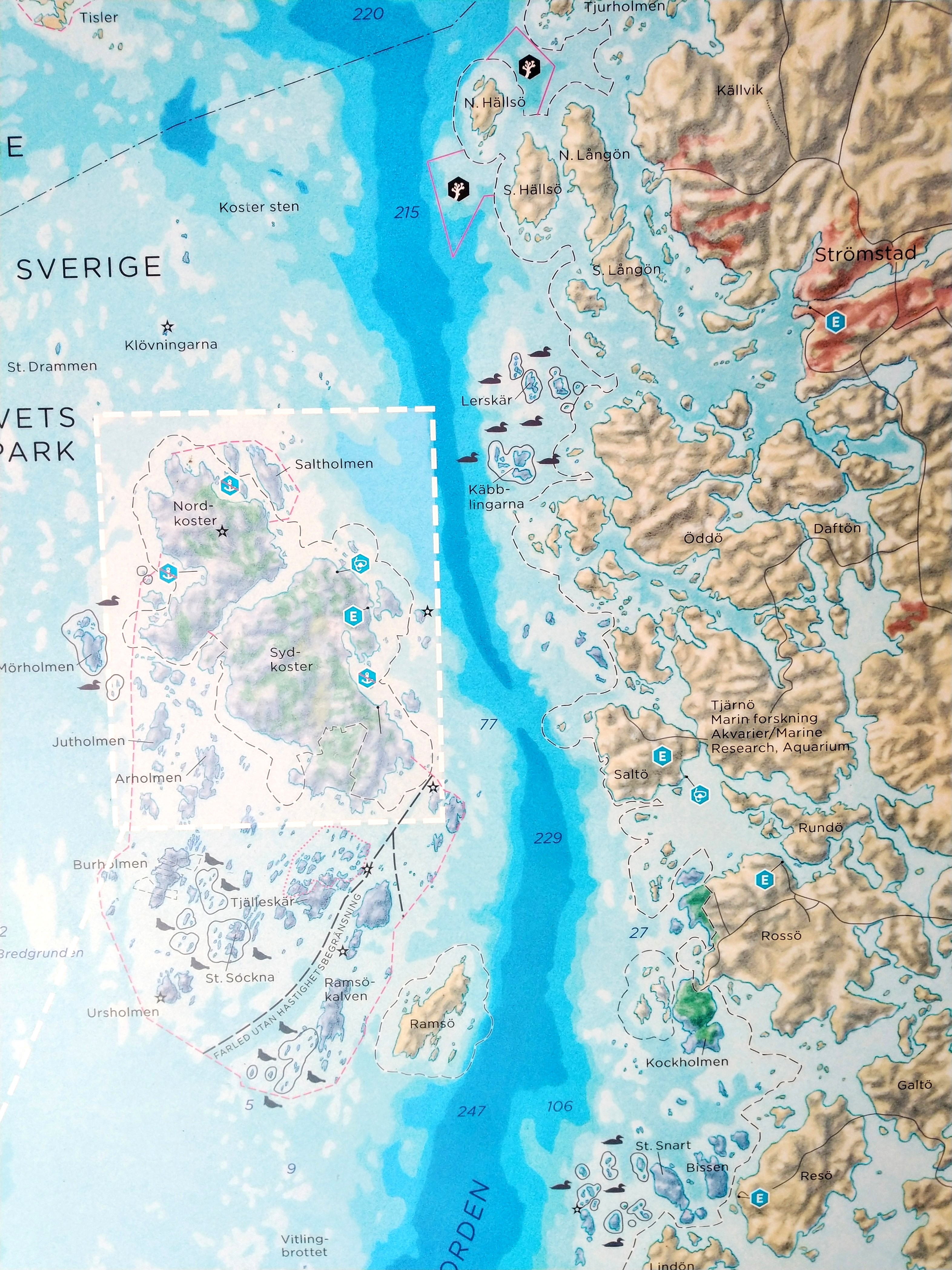
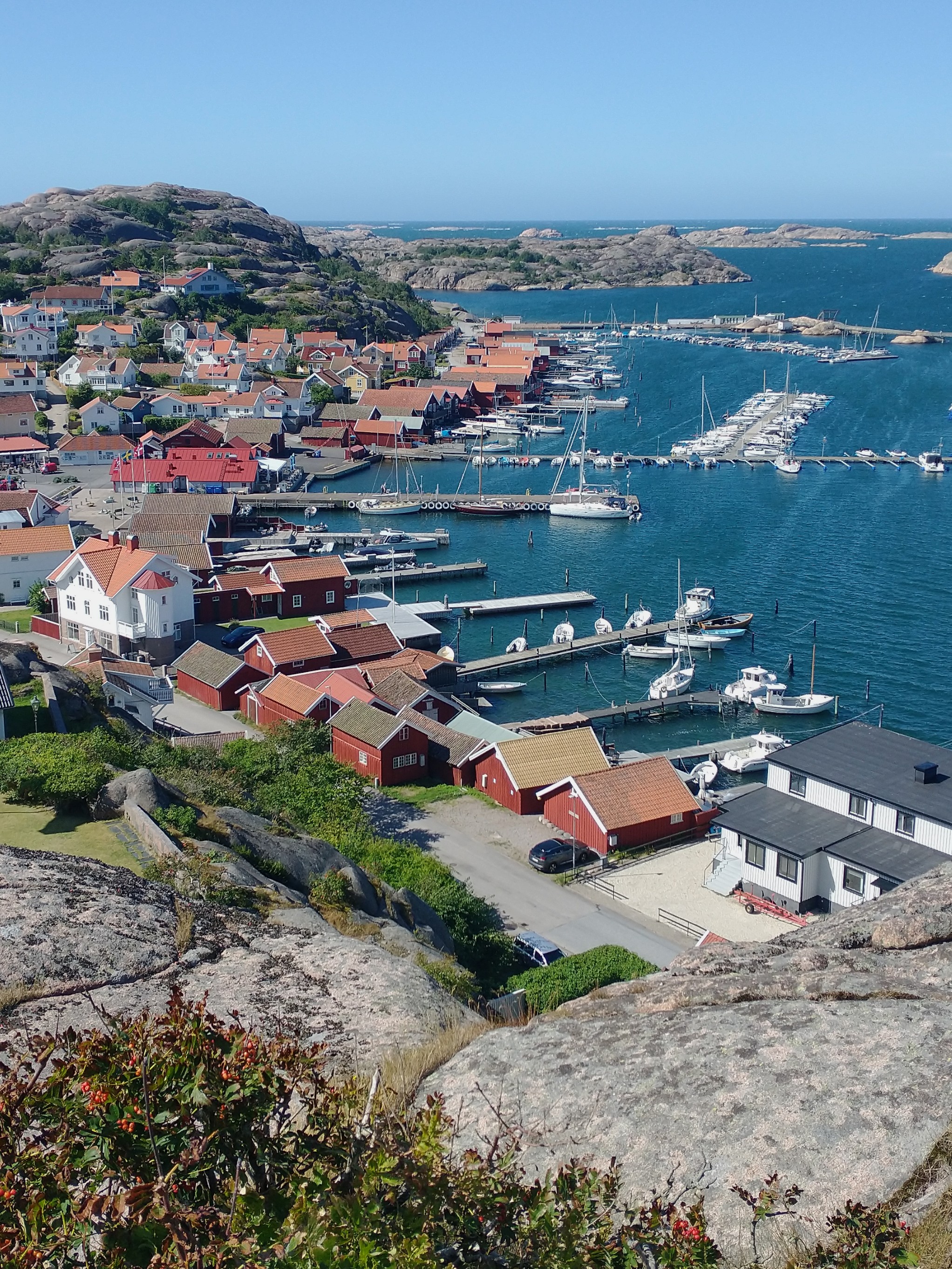
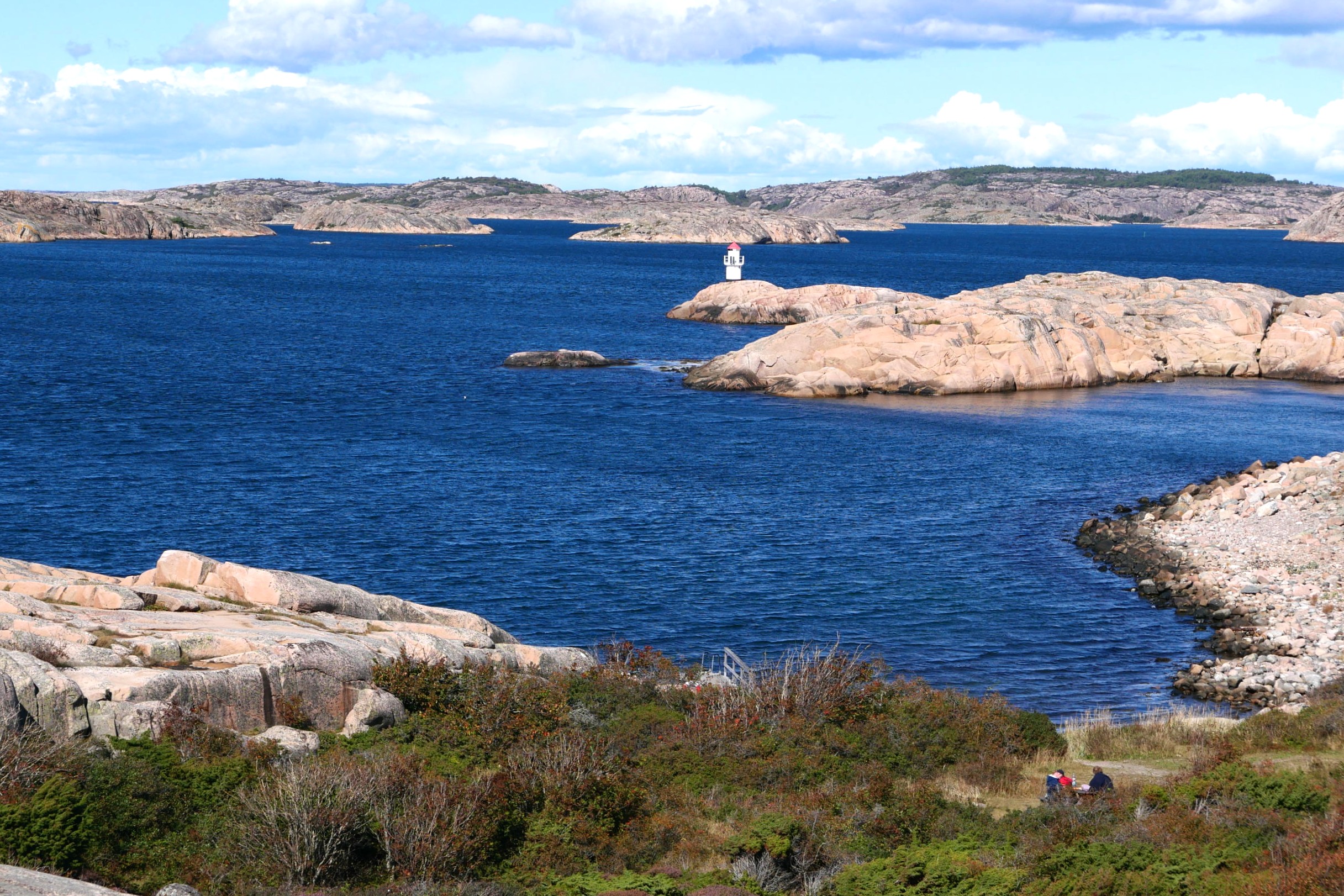
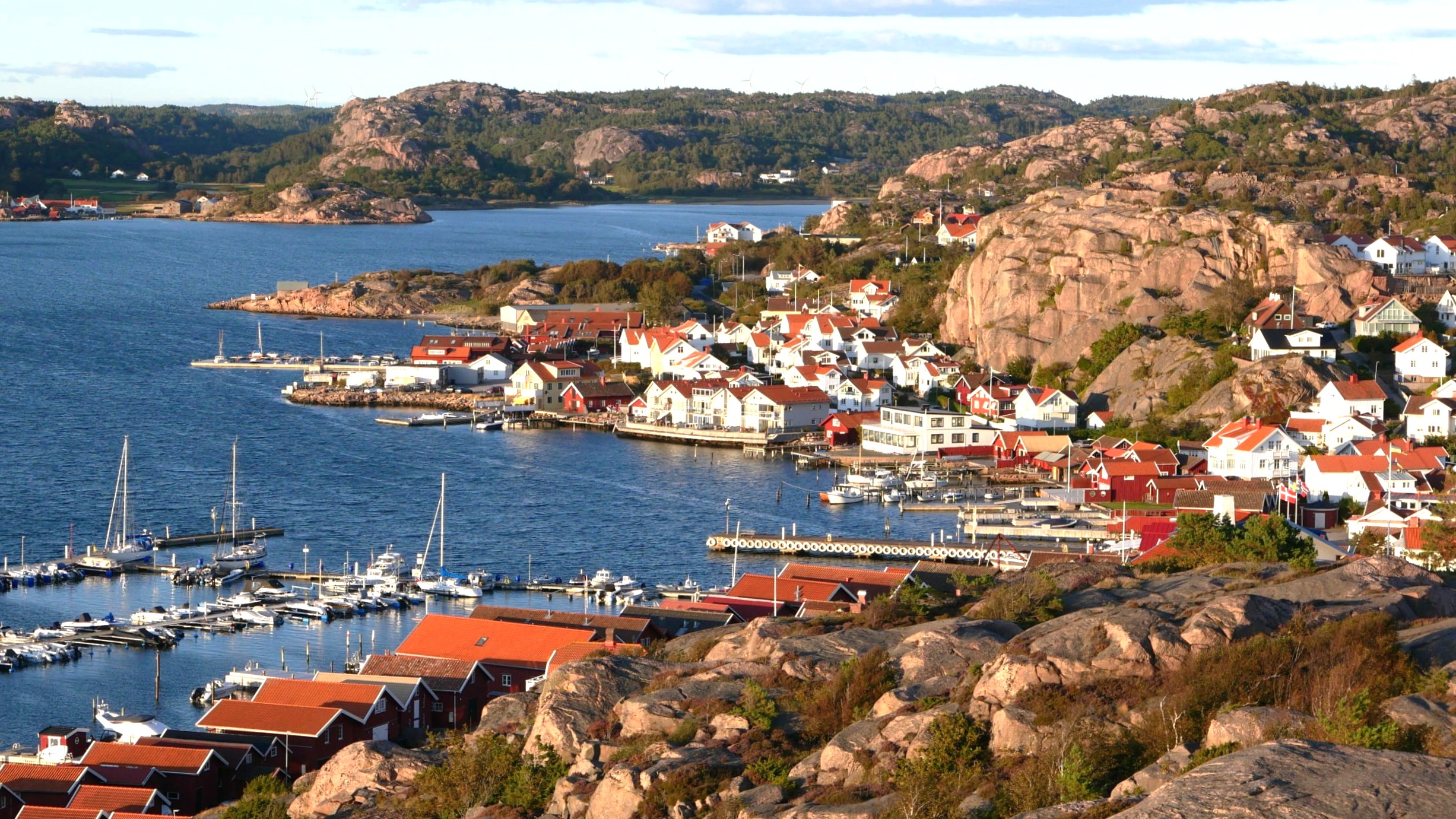
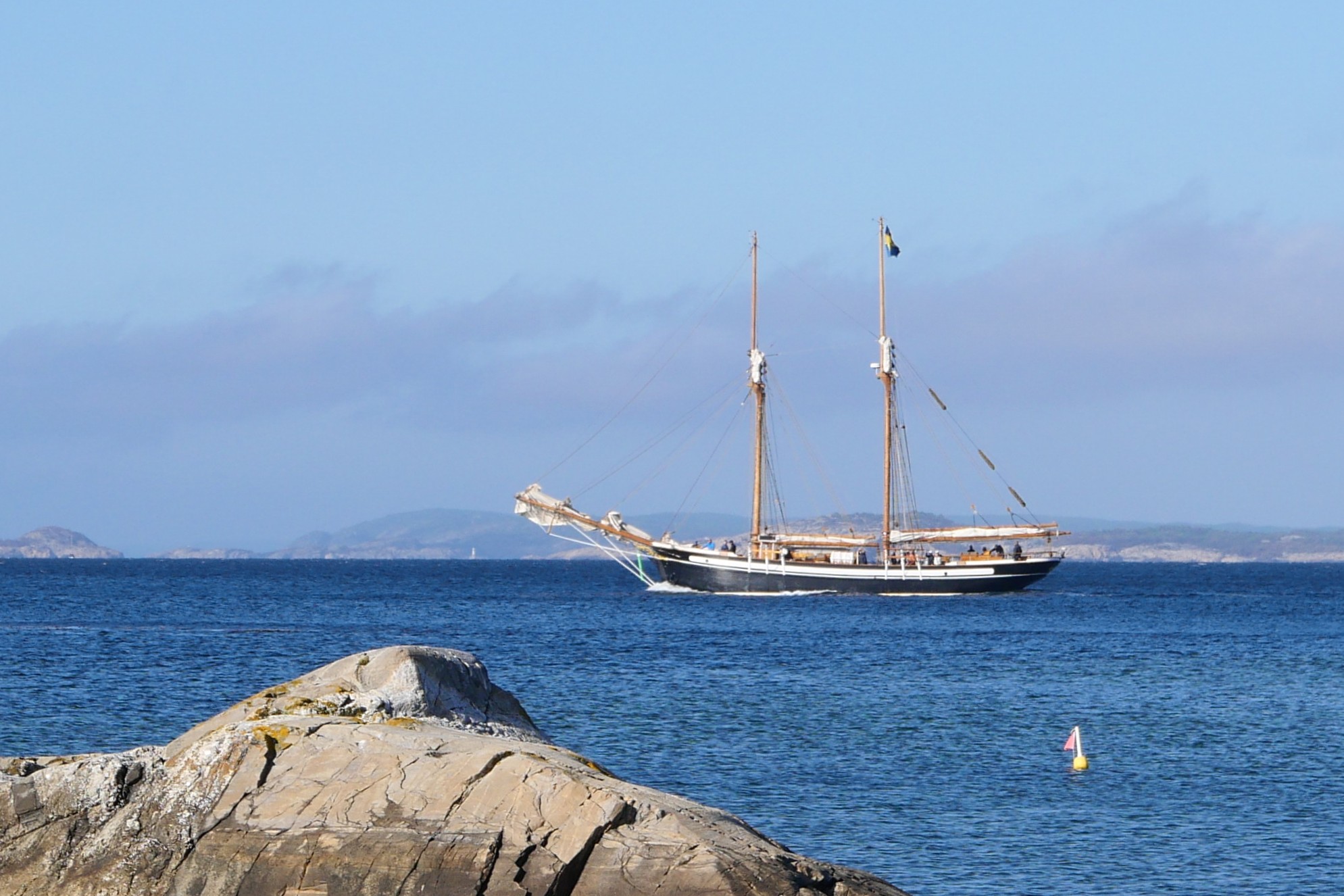
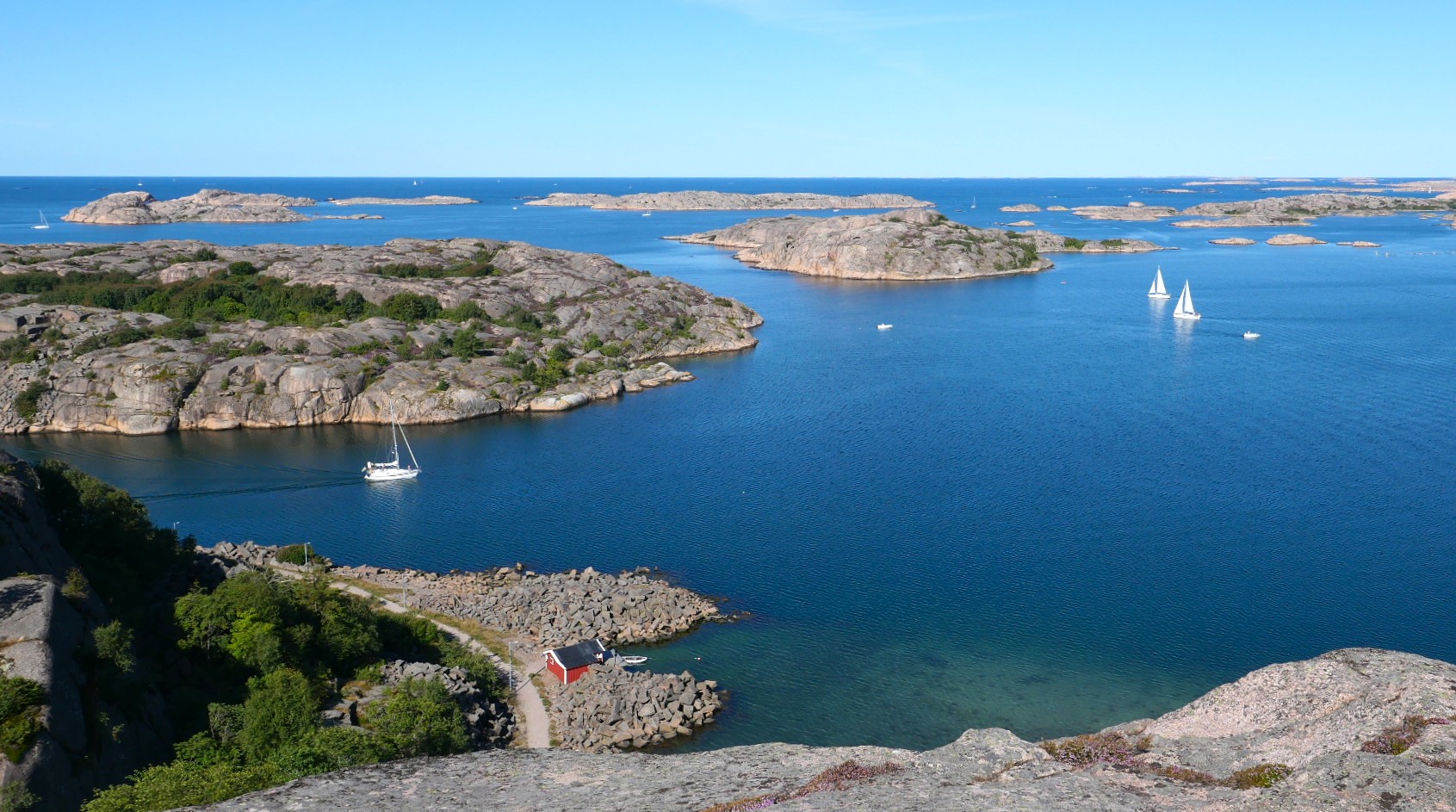
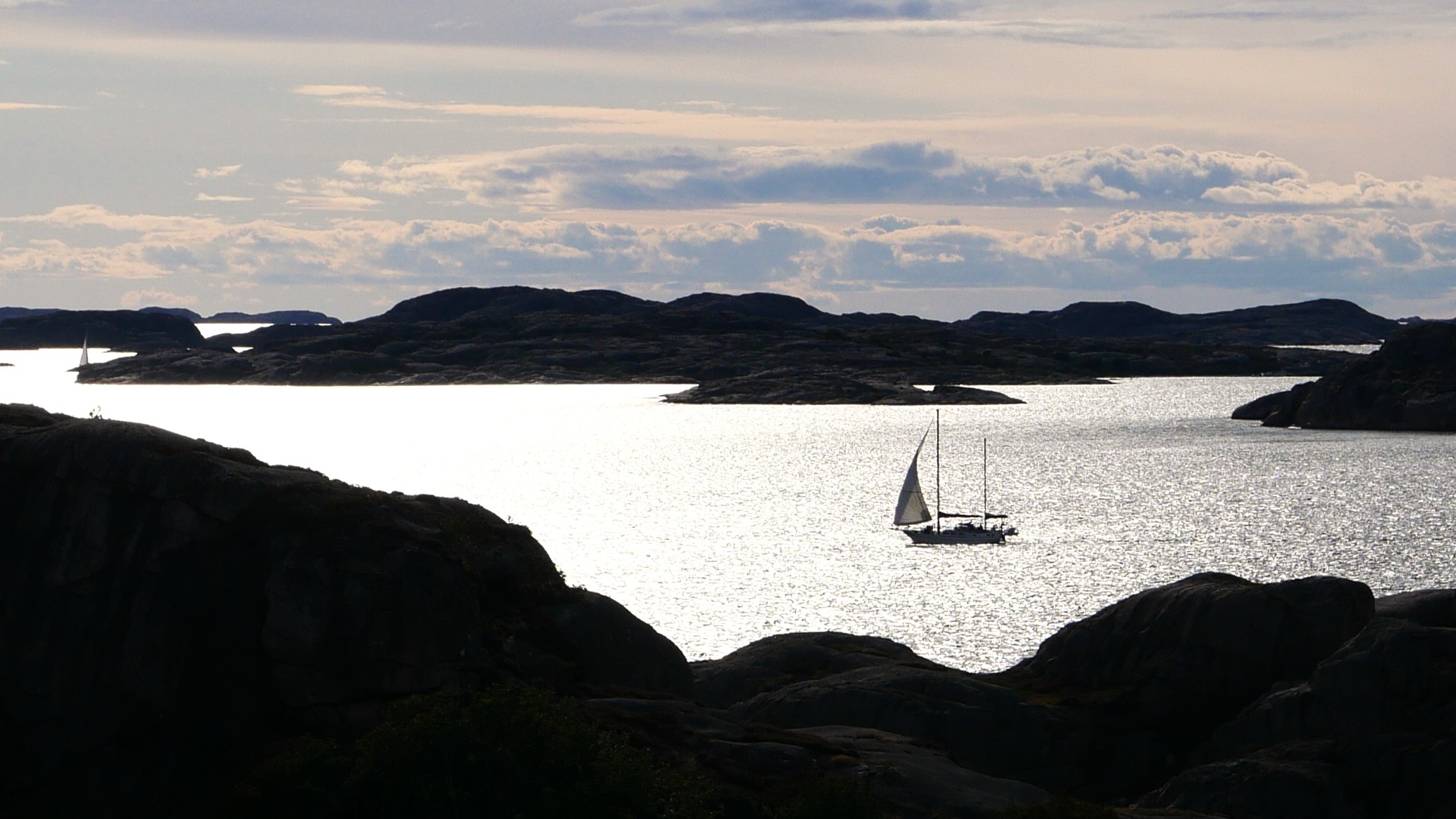
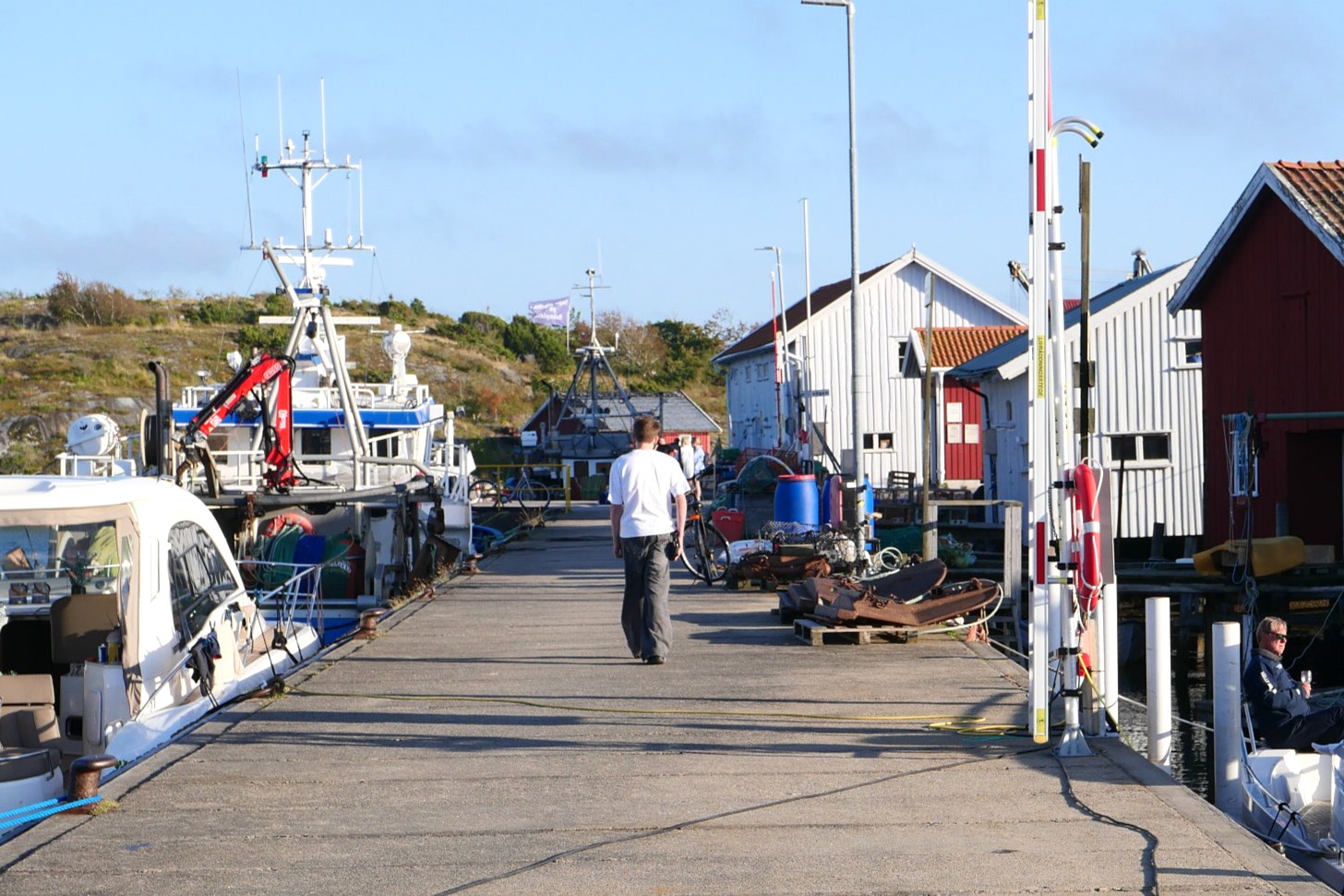
One area which appears to have achieved a more sustainable and balanced approach to tourism than some others, is the Bohuslän Coast in West Sweden, where I was lucky enough to spend a couple of wonderful weeks this summer. The Bohuslän Coast, which runs from north of Gothenburg towards the Norwegian border, is indeed renowned for its rugged, red granite cliffs, its thousands of small rocky islands, its charming fishing harbours and clear waters which are rich in marine life.

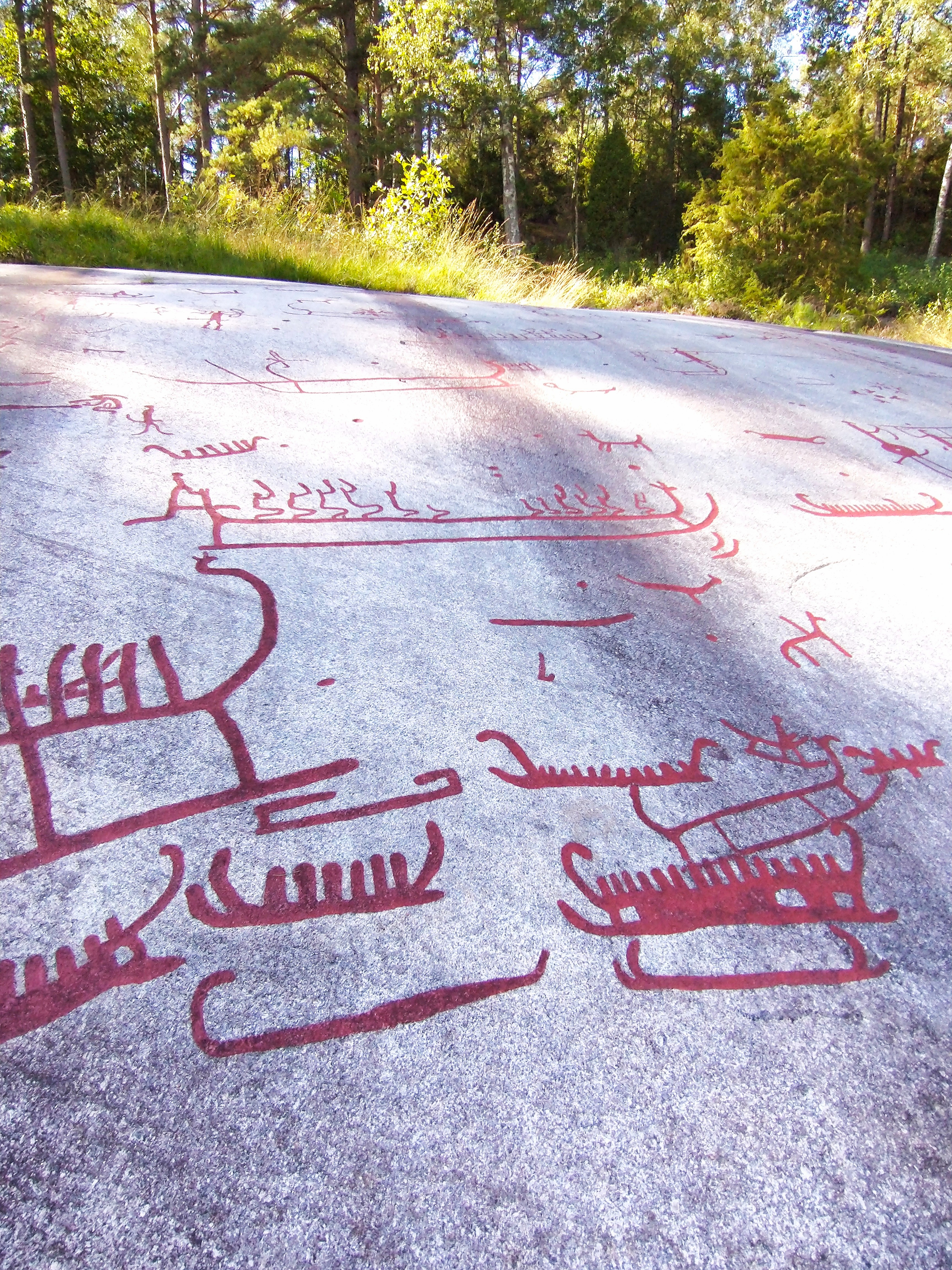
The region’s unique blend of wild natural beauty and a strong seafaring tradition gives it a distinctive and timeless character. It’s also home to the spectacular Kosterhavet National Park, Sweden’s first Marine National Park and to the unique Vitlycke UNESCO World Heritage Site at Tanum, with its stunning interpretation centre. This amazing place hosts over 500 rock carvings, ranging in content from elaborate ship motifs, to sword wielding warriors, to mysterious sun-horses and bridal couples locked in embrace – all dating from the time of the European Bronze Age, over 3000 years ago.
In fact, you’ll encounter something really beautiful, unique or fascinating in just about every direction you care to look along this wild stretch of coastline and in the neighbouring inland region of Dalsland (an unspoilt land of peaceful lakes and endless forests).
Personally, I’m happiest just to spend time out and about exploring local landscapes like this, without having too much of a plan or a hectic schedule to stick to; just taking everything as I find it. Without a doubt, my richest experiences as a “slackpacking” nomad have involved getting a local map out and wandering randomly off into the “bush” to explore some disregarded little corners, unpromising rock formations, tick-infested woods or decaying ruins; whether that’s by bike, on foot, or perhaps even by kayak sometimes (after all, it’s the journey and not the destination, that counts, as the old adage goes).
Total immersion in any local landscape is definitely the best way to appreciate the surroundings, natural history and the culture of a place; to feel its pulse, to experience its natural rhythms (and also to get better acquainted with its biting insect population at first hand 🙂 – though the west of Scotland is still pretty hard to beat in that respect !).
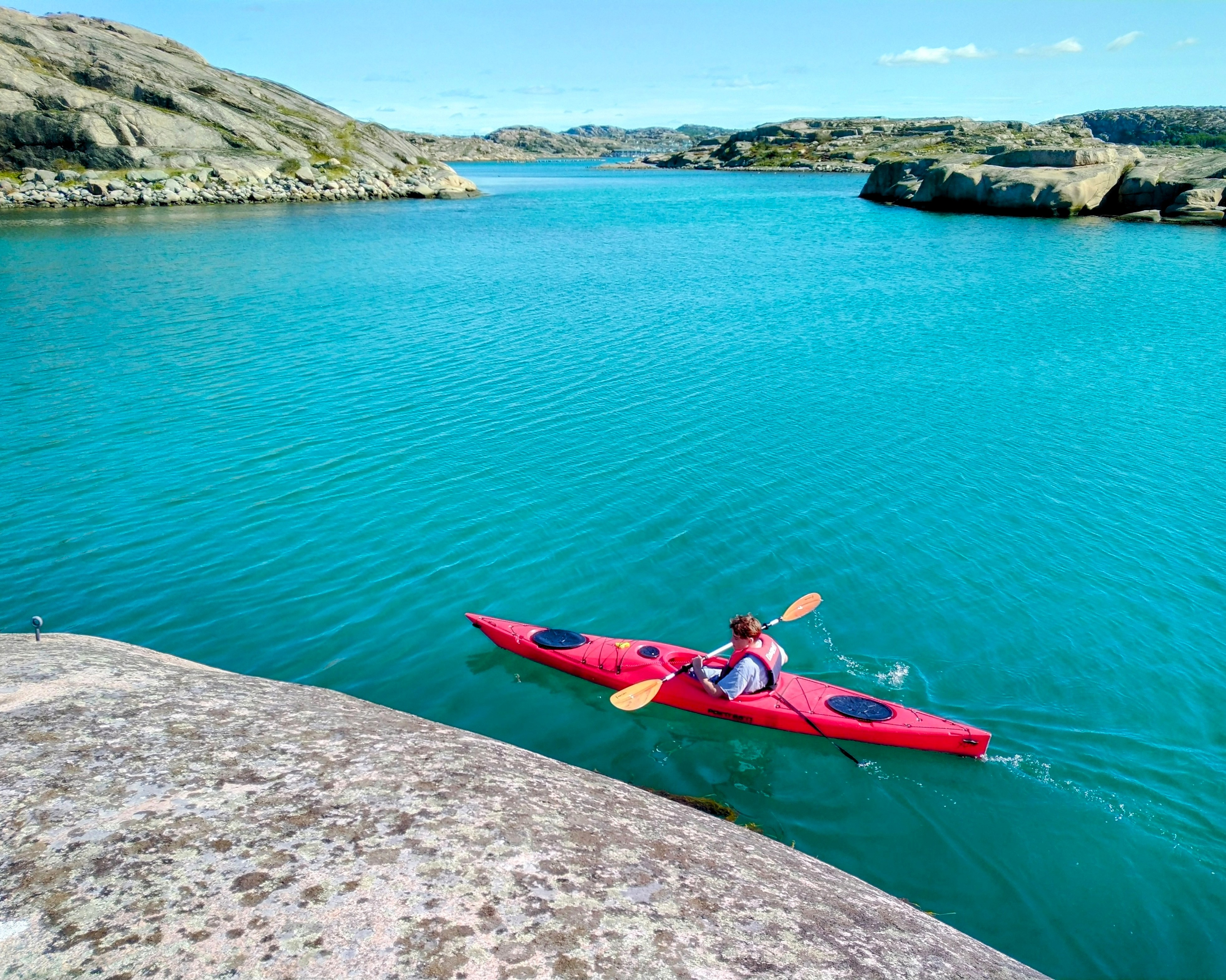
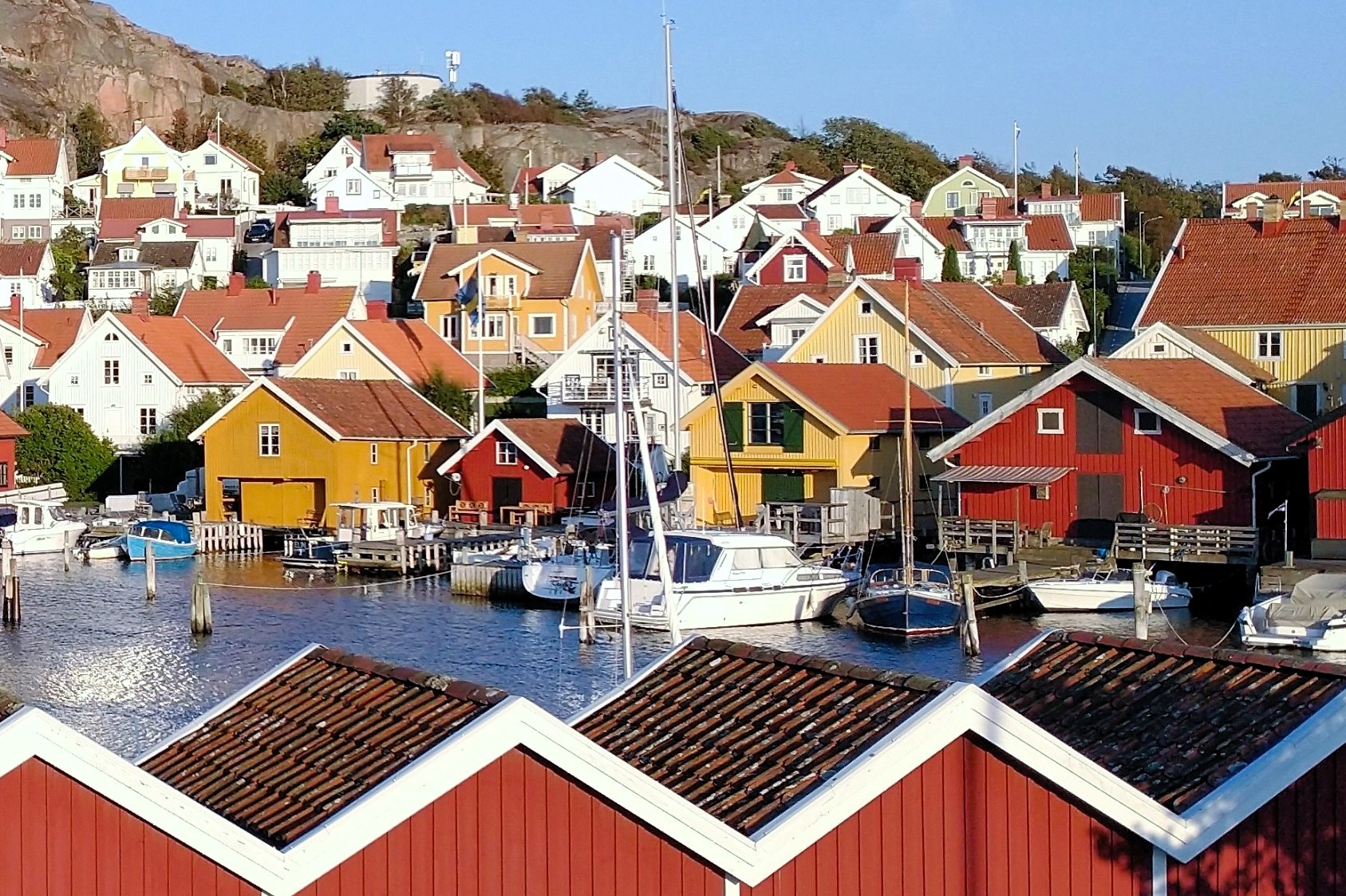
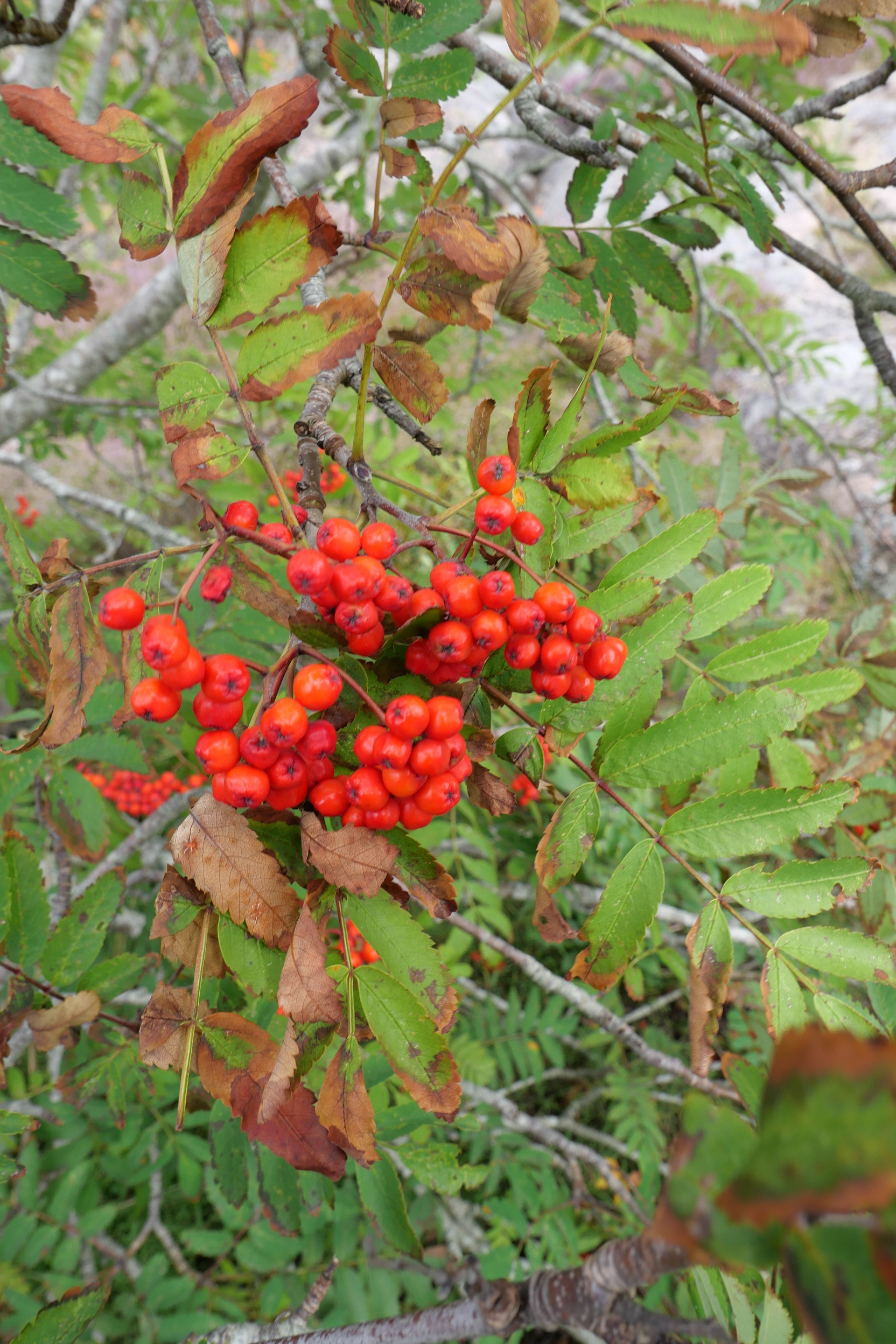
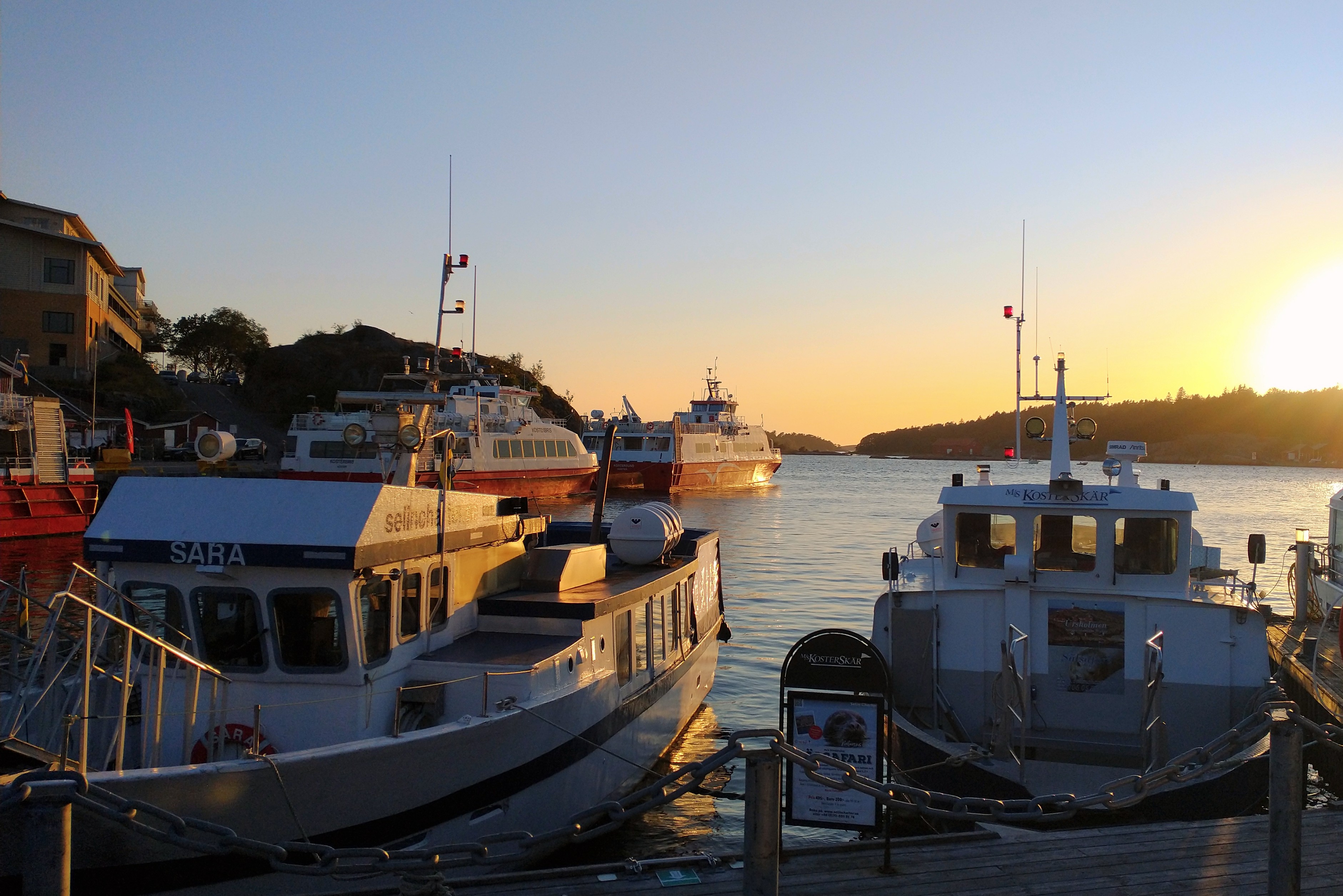
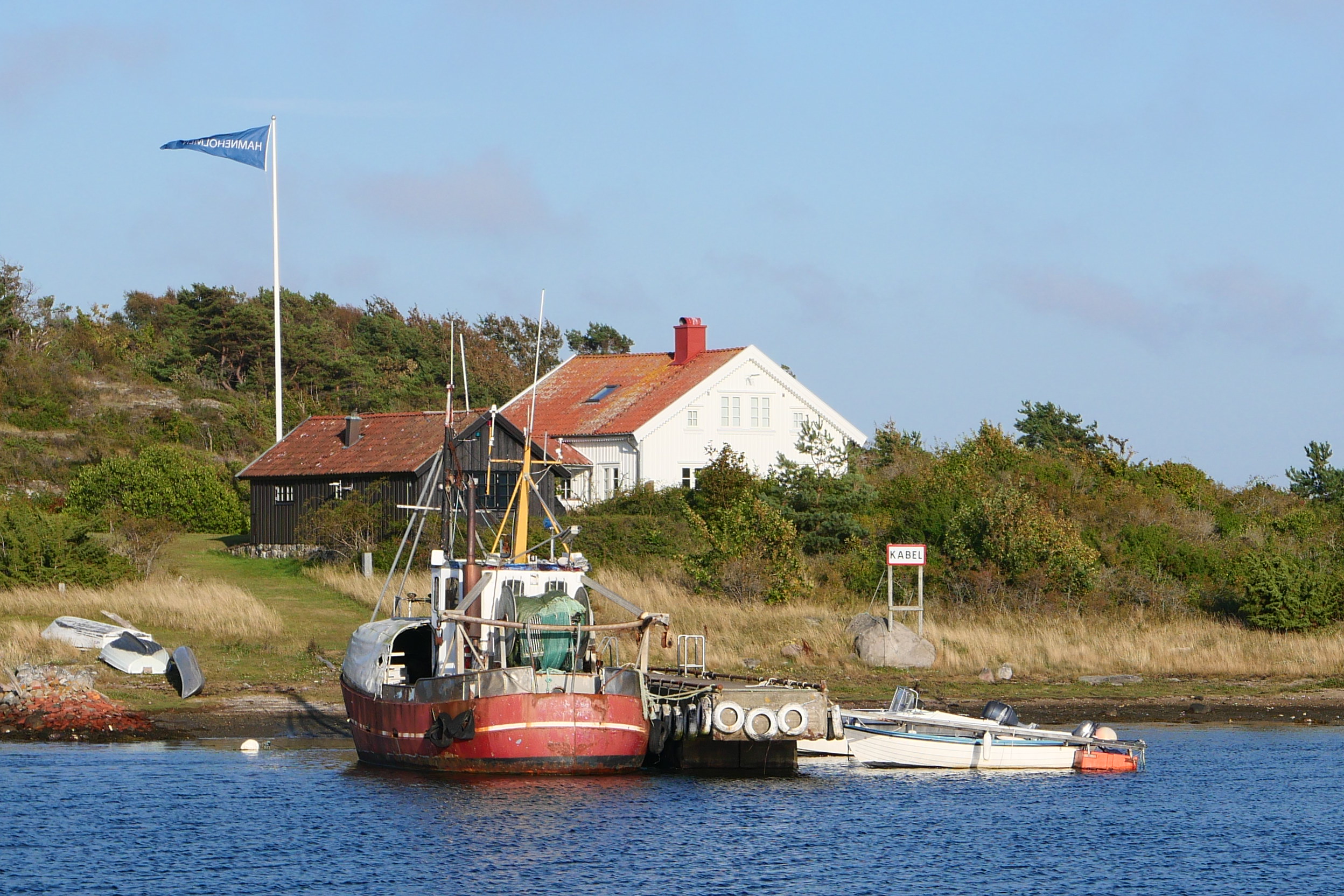
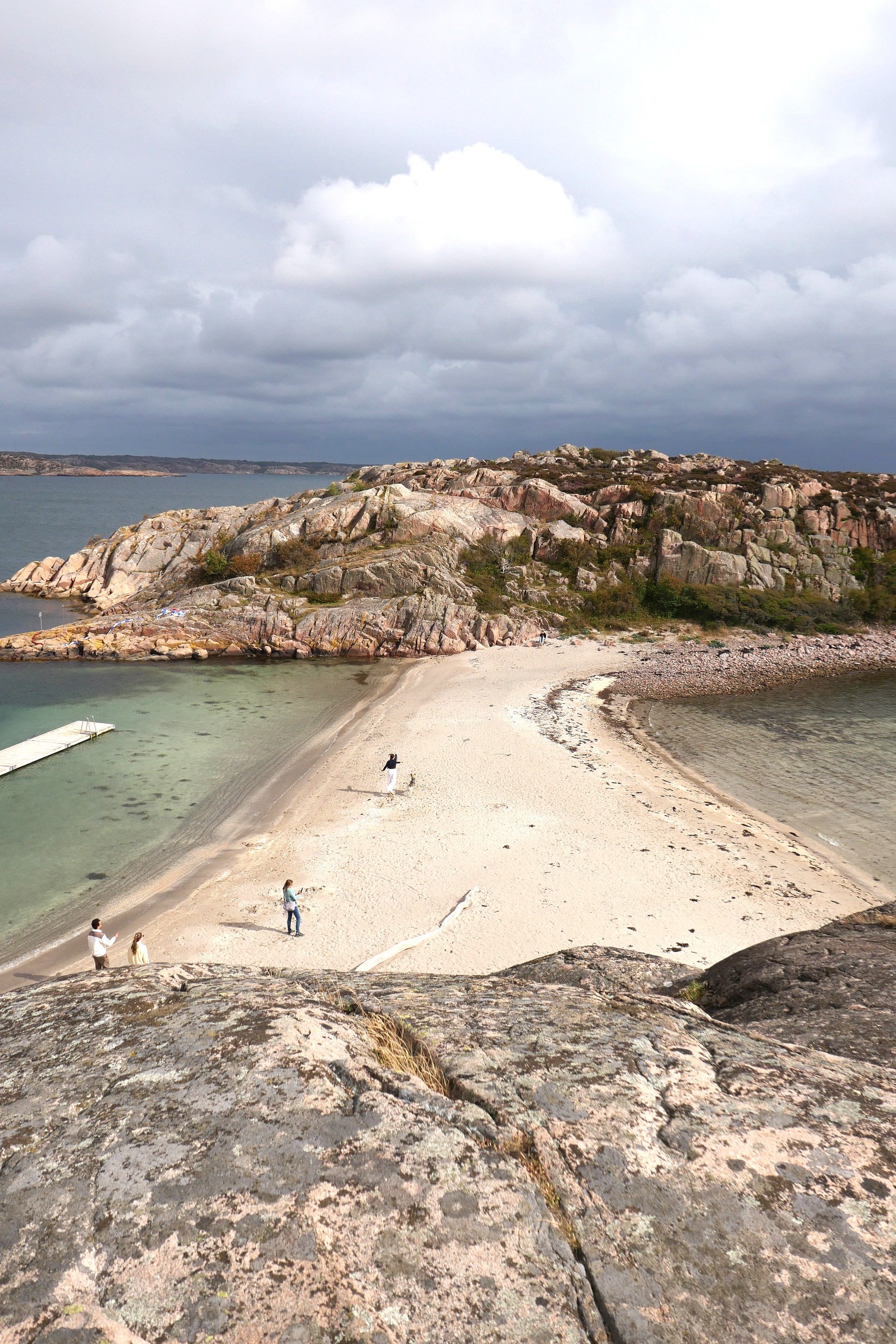
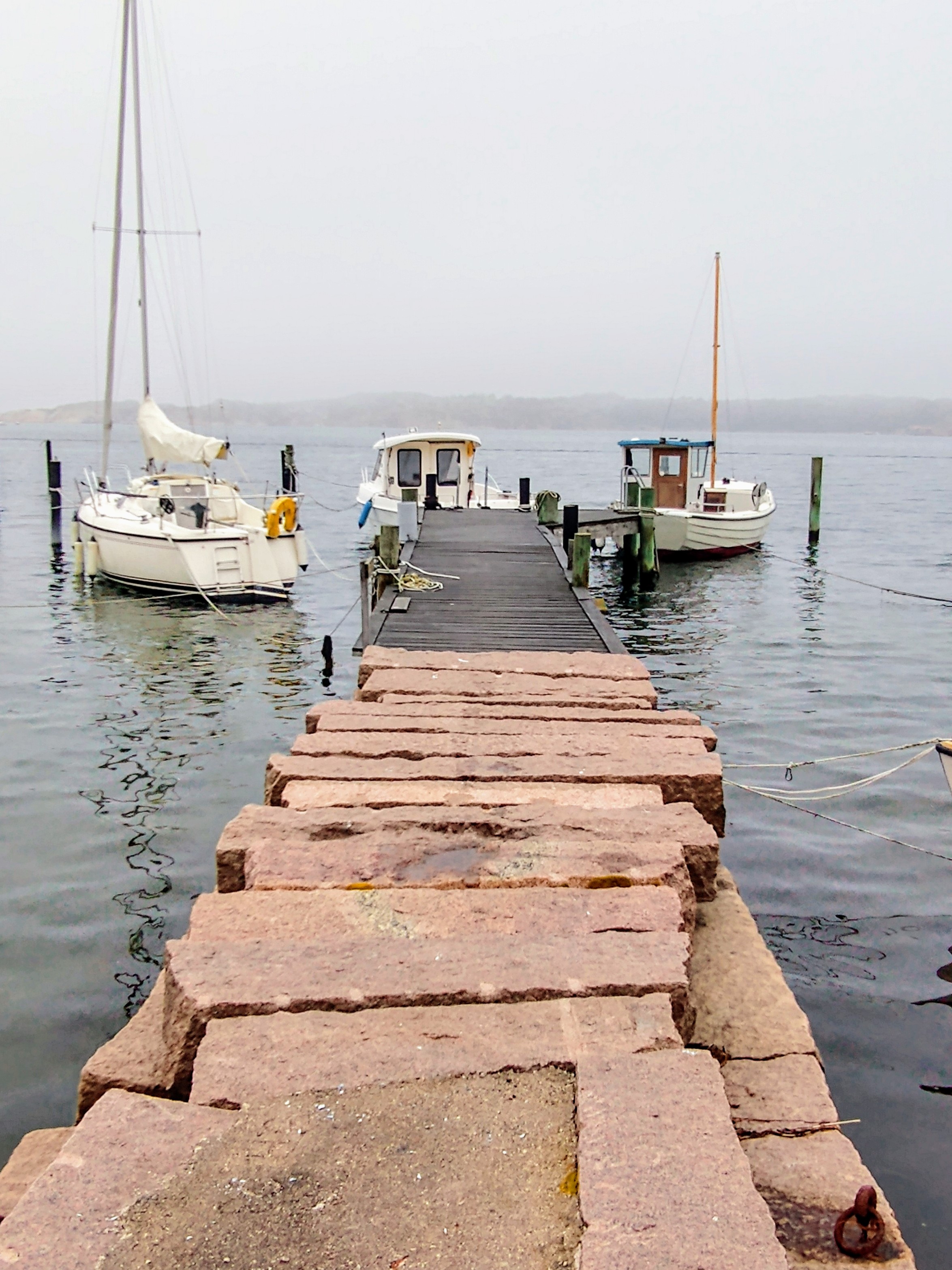
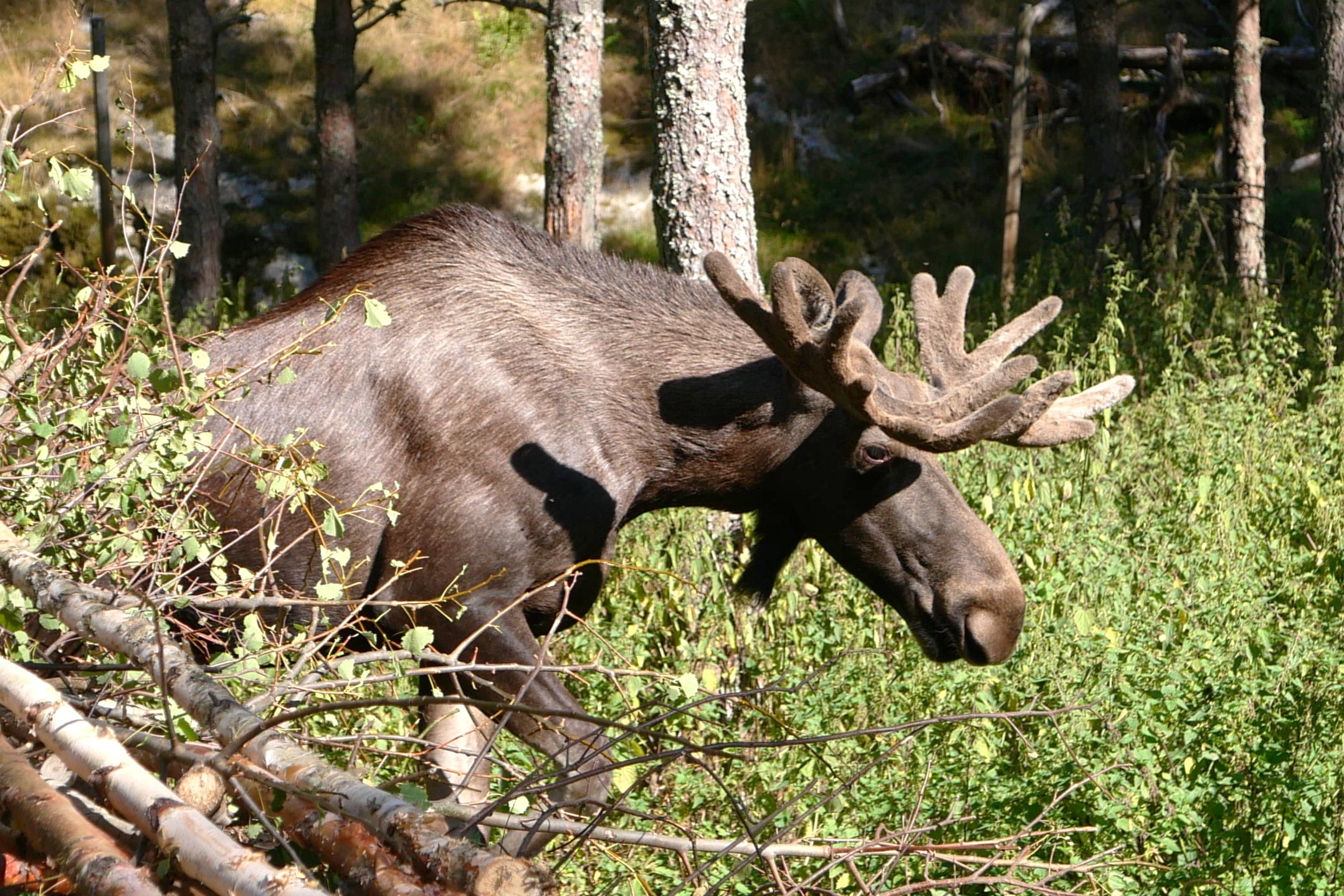
So here’s a few piccies of a couple of fine weeks spent enjoying the wonderful rugged landscapes of the Bohuslän Coast; fortunately, without the heatwaves, wildfires, crowds of drunken yobs, or other evils that can inadvertently blight travel experiences in different parts of the globe these days; just wild rugged nature and laidback, wee coastal places to explore (and all at your own pace and taking things as you please).
So why not check out the Bohuslän Coast for yourself and discover its many obvious charms? You’ll certainly find lots to get excited about; as someone rather wise-sounding recently advised me: “it’s all about learning to appreciate and enjoy the small things in life that really matters…”
But, “shhhhh”, not a word to the others please !!! (fortunately, given the rather limited and discerning nature of my readership, I’m not anticipating any major tourist stampede to West Sweden just yet) 🙂

















 Off the Beaten Track