
Being a tourist in your own country might seem like a strange concept, but one that most certainly challenges you to look at things, which you once just took for granted, with a fresh eye: What’s new ? What’s changed ? What seems just downright weird or has comfortingly remained the same ? Certainly, the longer you leave it, the more changes you’ll actually notice (both for better or for worse).
So, in summer 2024, it seemed like a trip back to Scotland was something long overdue (having not been back before the advent of the Pandemic); but where to go during the peak holiday month of August, the only time available for us ? The Hebrides; the West Coast perhaps, the now sadly over-hyped and tortuous North Coast (NC) 500 circus ? Perhaps; but possibly too wet, too midgey or too overrun with tourist campervans blocking up the roads at that time of the year; not to mention the soaring cost of accommodation in increasingly popular destinations like Skye (and let’s face it, it can be pretty damp on Skye in August).
Instead we opted for the Cairngorms National Park and found a place to suit both our tastes and our budget, near the (sometimes) genteel town of Grantown on Spey; the thinking person’s alternative to Aviemore ;-).


Getting to the Cairngorms from Europe is surprisingly easy and hassle free (even with a vehicle busting at the seams and an ex-Romanian street hound in transit), given a direct overnight ferry link from Amsterdam to Newcastle, followed by a comfortable six hour drive through the Scottish Borders, around Edinburgh (the trickiest part) and then up the M90/A9 past Perth and Pitlochry. It proved to be a convenient option for us.
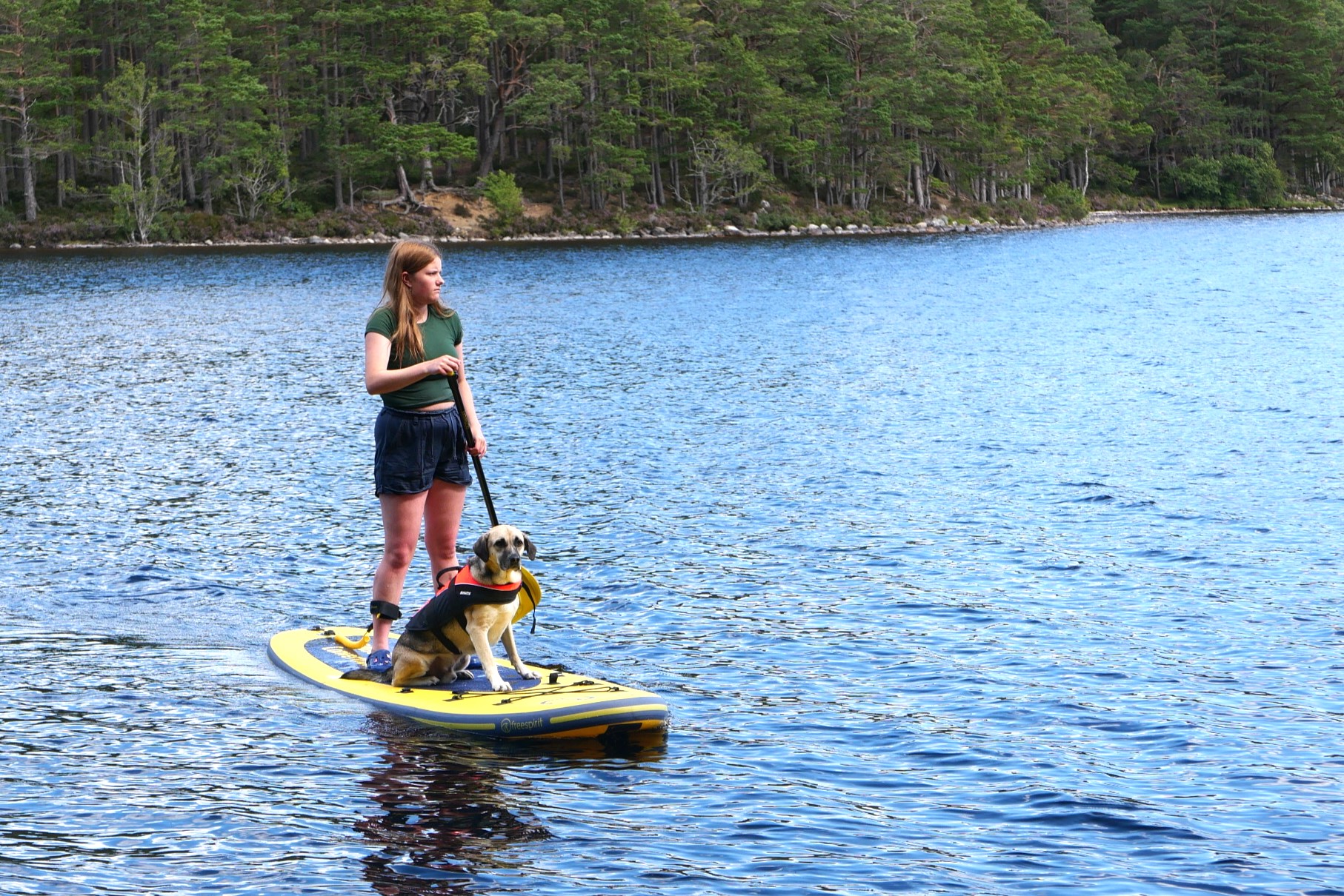
Our chosen base at Dulnain Bridge near to Grantown on Spey was perfect for exploring old haunts such as Abernethy Forest, Glen More, Rothiemurchus, Glen Feshie and the Northern Cairngorms. Certainly, there’s loads to do around the Strathspey area to suit every taste; we even found a good deal, in an outdoor shop, on an SUP (Standup Paddle Board) and spent quite a few days simply messing about on the water; accessibility to many lochs has certainly improved since the advent of the Scottish Outdoor Access legislation and the creation of the Cairngorms National Park; needless to say though this has also created some tensions in a few popular “honeypot” locations and sensitive conservation sites.
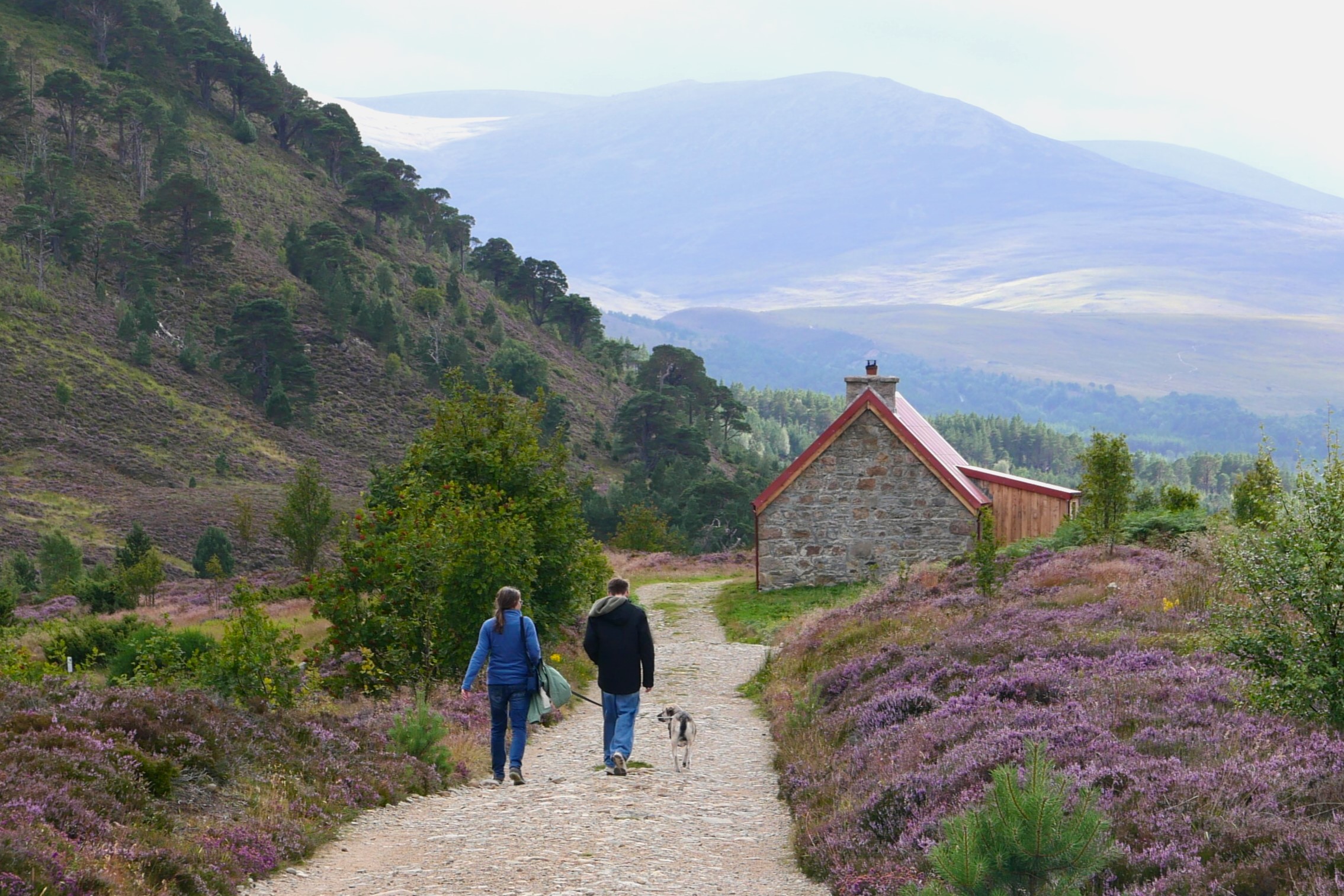
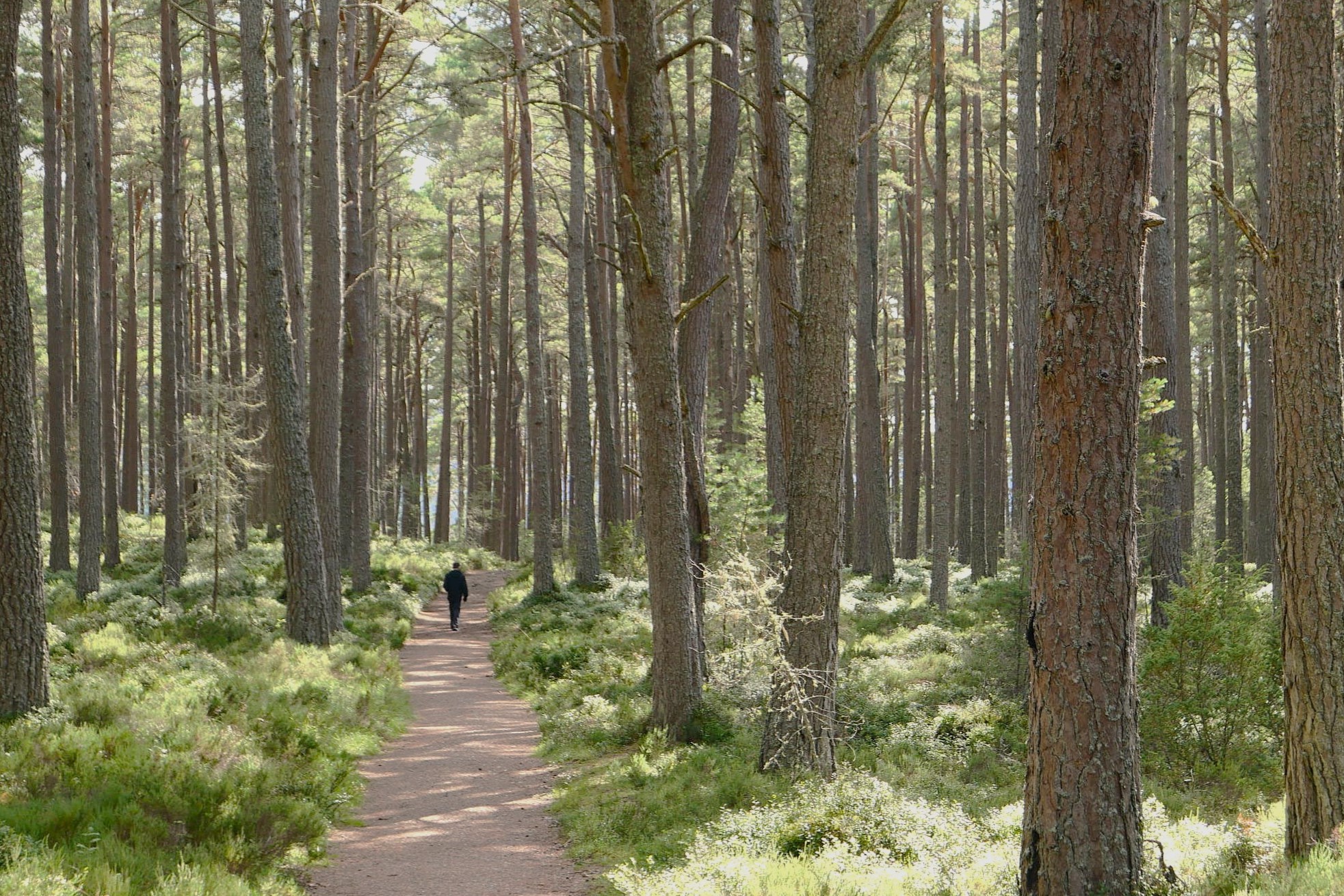
It was also great to revisit some of my own particular favourite spots, such as the beautiful Pass of Ryvoan, a remnant of the ancient Caledonian Pine Forest, which once cloaked much of the Highlands. One summer (back in the ancient mists of time), I had an enviable job as a seasonal ranger and naturalist here. My days were taken with wildlife surveys and showing visitors the natural wonders of the site, including the magical Lochan Uaine (the Green Loch), where resident fairies are rumoured to wash their clothes, thereby staining the waters their distinctive jadey/turquoisey hue.
On a more tangible note, especially in these uncertain days of climate catastrophe, it’s really heartening to see the success of forest regeneration efforts in this area and across the adjacent Abernethy Forest Reserve, where young trees are spreading prolifically across the landscape and advancing up the surrounding hillsides. This is entirely down to the processes of natural regeneration following a reduction of deer numbers across neighbouring estates (not a single tree has actually been planted). Across Scotland though, deer numbers have actually doubled from half a million in 1990 to over 1 million today (which is a big challenge for native woodland regeneration efforts generally).

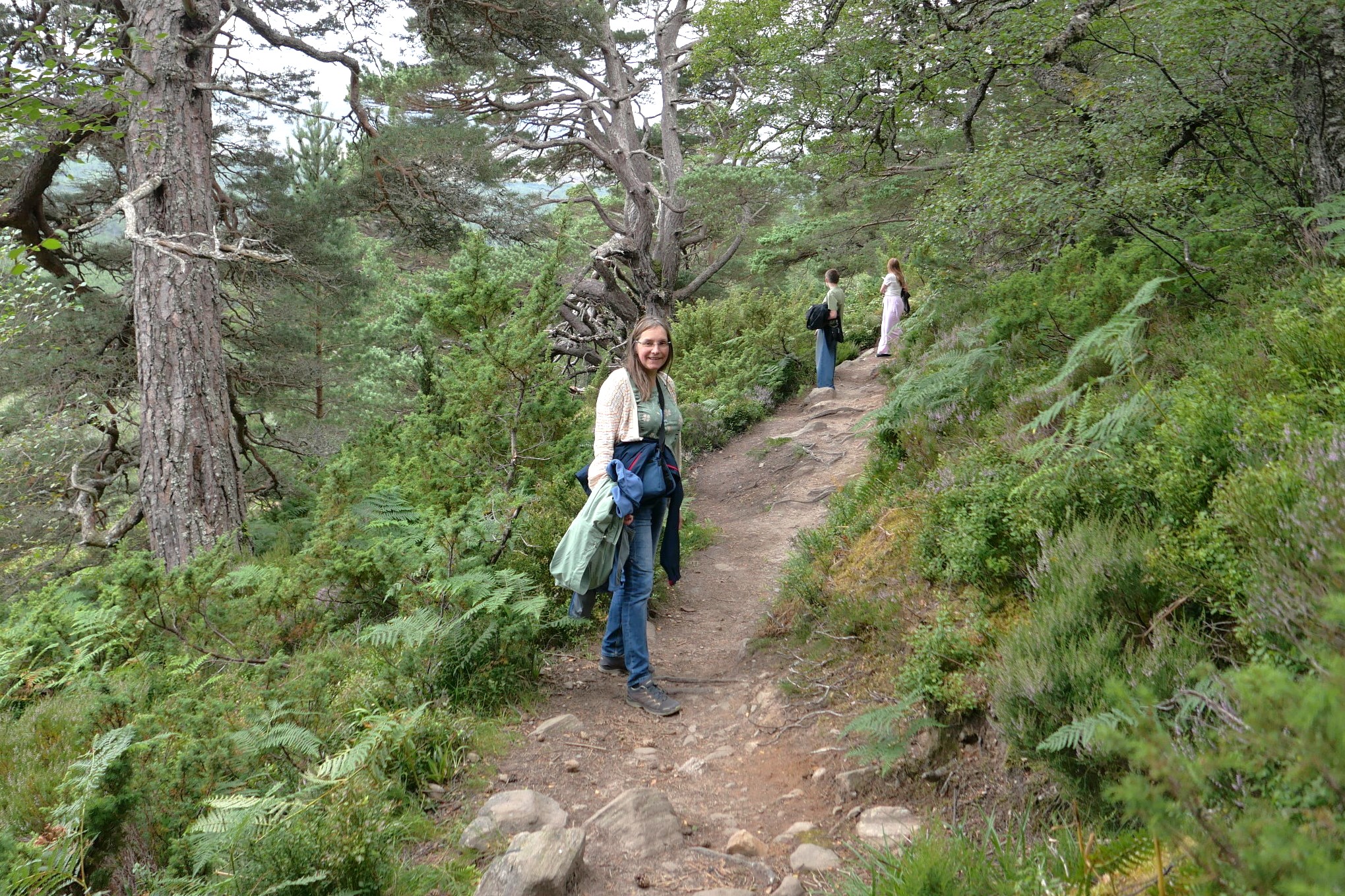
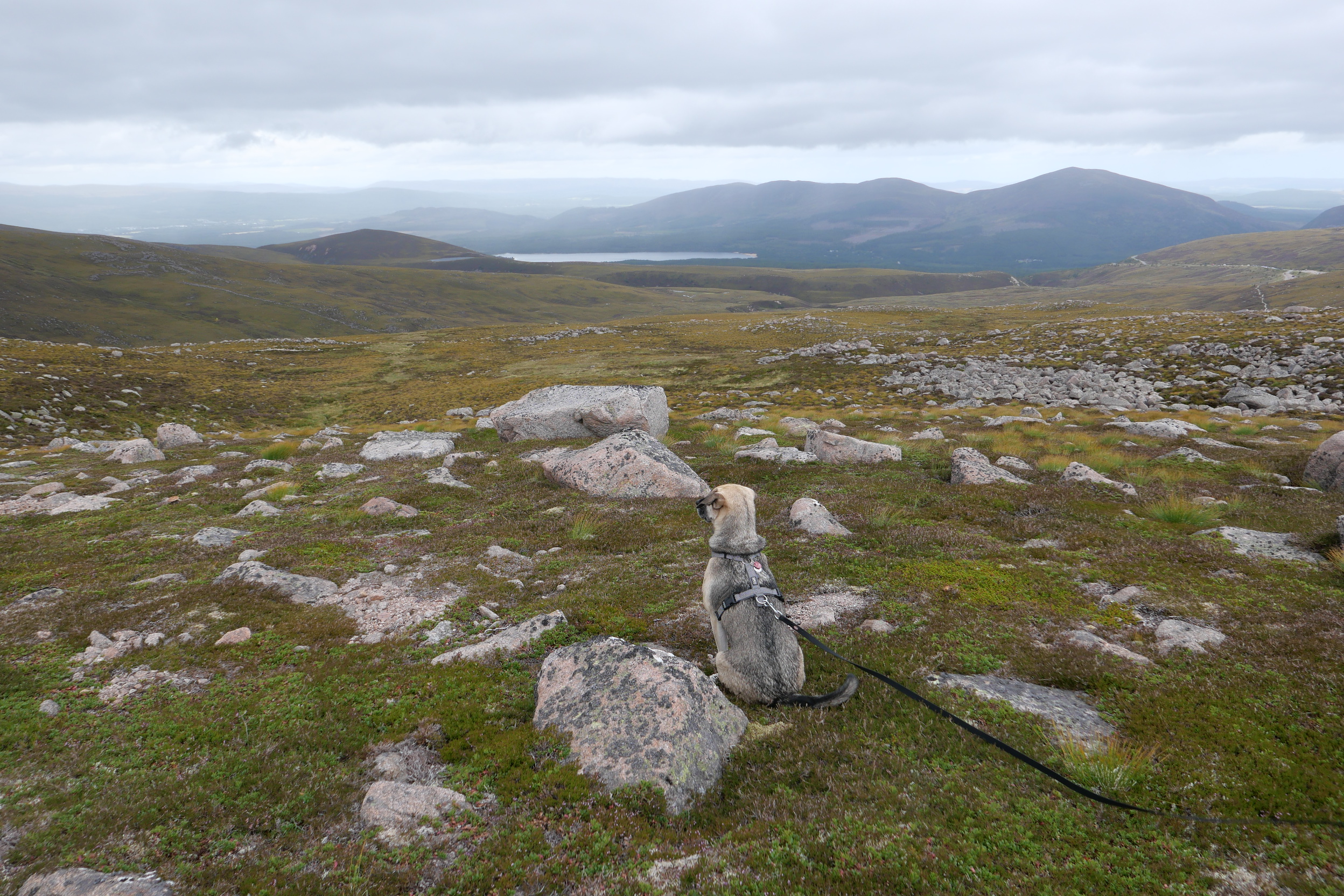
Although August is clearly the busiest time of the year for visitors in the Cairngorms, apart from a few popular spots, such as around Glenmore campsite/lochshore and along the main street in Aviemore (how can one small town actually support so many outdoor shops ?!), it’s still easy to find nice, quiet locations away from any crowds; go for a walk in Glenlivet, for example, and you’ll hardly encounter a soul.
I do notice though that organised outdoor adrenalin activities (of the Red Bull “lite” variety) have really taken off BIG time over the last few years, with unlimited opportunities on offer to indulge in just about every type “action” pursuit; from canyoning, to bungee jumping, to tubing, to zip lining (look upwards and they’re everywhere). Wild swimming is another trendy activity that’s literally splashed down from out of nowhere over the last few years, with bookstores packed with weighty tomes on “how to” and “where to” partake in such blatant acts of sadomasochism (which masquerade under the misleading topic of “wellness”).
Indeed, it took me quite a while to figure out why so many people are now sporting ungainly Dracula-style capes and wandering about, in the middle of nowhere, like escapees from a Rocky Horror Show production. Further investigation revealed these were in fact “swimming robes” which are now available from most outdoor shops across the Highlands, for a relatively modest fee I’m told – these have yet to be adopted with such equal zeal by the wild swimmers of Europe (and also, reputedly, as an unlikely fashion accessory for “football mums” taking their stroppy kids on the morning school run).


Whilst I’m happy to see all this frenetic activity going on as the perfect antidote to couch potatoism, it does make me wonder when a saturation point will be reached for these activities in the context of nature conservation and (for boring, old farts like myself) potentially diminishing the quiet joys of being “at one” with nature; for example, the German naturists skinny-dipping unashamedly before the crowds at Lochan Uaine, were possibly a good case in point of things being pushed a little too far (and shocking stuff for us prudish Scots, huh !). Maybe, I should’ve told them about the resident freshwater leeches that lurk in the murky green waters below ;-).
In the end, it has to be all about achieving a sustainable balance of different interests. Some locations, it has to be said, have still yet to achieve that balance; the Cairngorm Mountain Resort (which increasingly promotes year-round activities, like downhill mountain biking, in order to survive the economic impact of recent mild ski seasons) still can’t be described as a beauty spot in any way, shape or form; unless, of course, you’re looking in the opposite direction from the nuclear reactor style “snow factory”, the tatty snow-fencing, the haphazard pieces of infrastructure and obvious erosion scars that blight the hillside. Meanwhile the never-ending saga of the dysfunctional Cairngorms funicular railway continues unabated, without any apparent conclusion, despite occasional fleeting attempts at reopening (fortunately, living on the Continent, I’m done with Scottish skiing these days !).

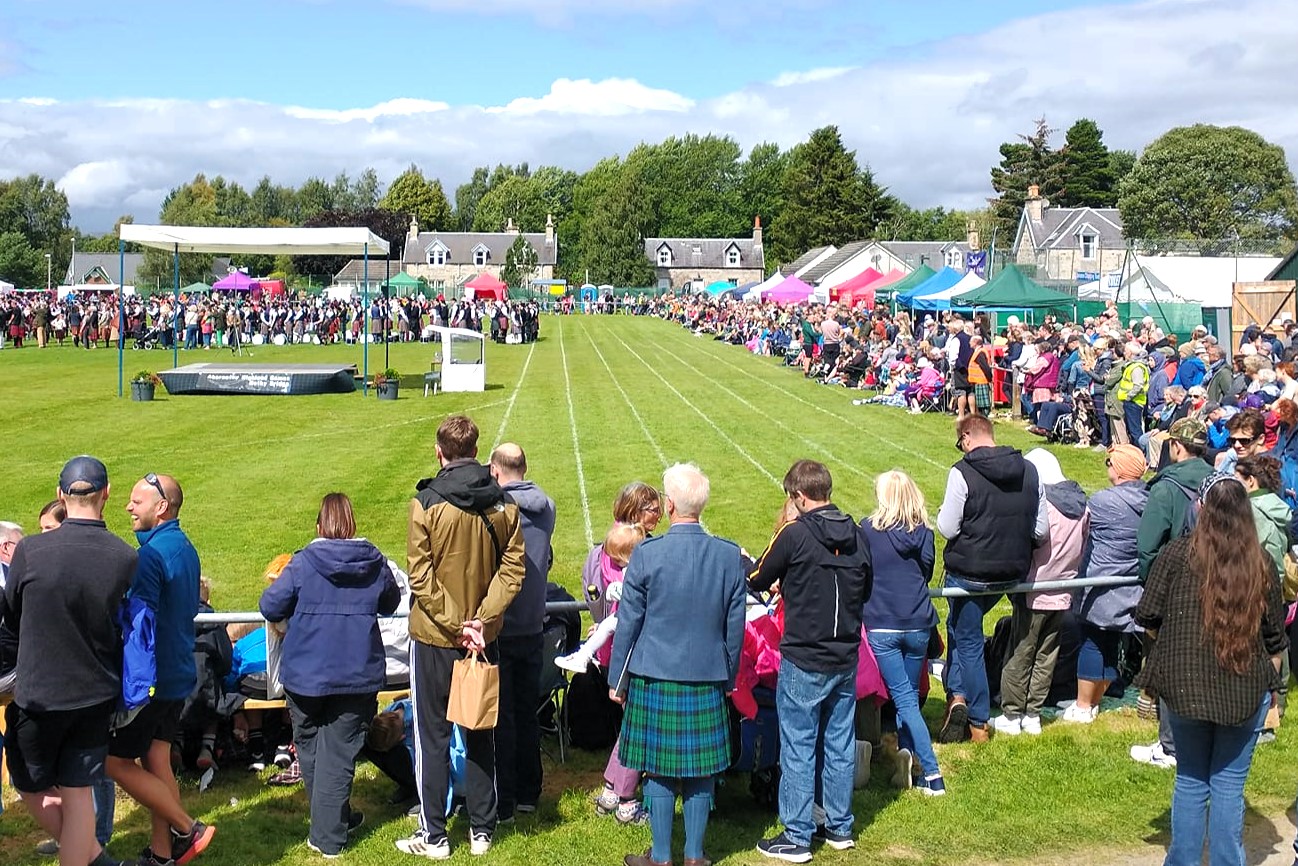
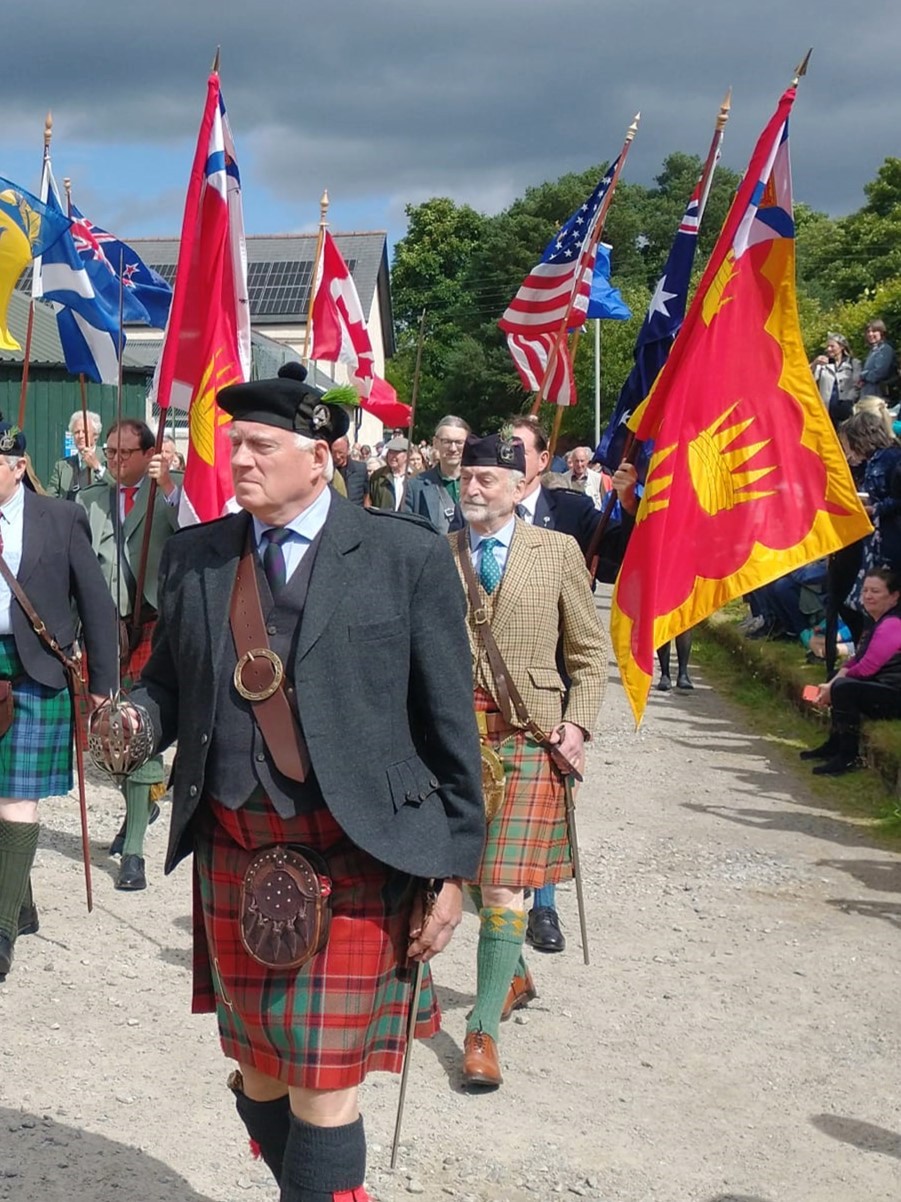
On a different theme, we also had the chance to check out aspects of the local cultural scene, including visiting ancient Pictish symbol stones near Ballindalloch, and living traditions (being “real” tourists now !!), in the form of the colourful Abernethy Highland Games, which are held under the watchful custodianship of members of Clan Grant (who diligently flock there from all corners of the globe to attend this annual spectacle). Whilst some of the ancient clan rituals might seem a bit unfathomable and esoteric to the uninitiated, the open and accessible nature of the competitions (in our era of professional sporting elitism) is most refreshing. In fact, almost anyone can signup, on the spot, to throw a hammer, toss a caber, dance a highland fling or run a 10k (needless to say, I didn’t do any of the aforementioned).
I remember when I was “wee”, most of our local highland games experiences, involved lurking in the undergrowth and shooting at pals (and non-pals alike) with cheap, rubber-tipped bows and arrows, rather than watching any athletic performances (which actually seemed quite boring at the time). For the majority though, I suspect the Highland Games are really just an excuse for a nice day out in the sunshine (or pouring rain, more often), a bit of a blether with some old pals and the chance for a pint and possibly “a wee dram” in the pub later on.
Speaking of which; when visiting Speyside, it would be a heinous crime to return home empty-handed and without sampling a drop or two of the area’s legendary Single Malt whiskies. Our most interesting discovery, from the whisky perspective, was surely the brand new Cairn Distillery, which is located just outside Grantown. This place is amazing; not just in terms of the marrying of tradition with new technology, but also in terms of how the impressive new building has been carefully planned to blend into the surroundings of the Spey Valley. The state-of-the-art new Macallan Distillery some miles further downstream also sounds like a similarly inspiring showpiece and worthy of a visit (I once visited Macallan by canoe during a memorable and fun-packed 5 day descent of the Spey – those last few miles of river afterwards being somewhat of a blur).


Sadly, it’ll be 2035 before the first Cairn Single Malt can be legally poured into a glass (which is roughly the revised government timetable for dualling of the A9 trunk road from Perth to Inverness !). In the meantime, the distillery has conveniently come up with its own blend for sampling purposes which replicates the envisaged flavour and character of its intended future production (and based on some remarkably well-educated guesswork).







Although we were generally very lucky with the weather during our stay (in what was otherwise a very wet summer in Scotland), it won’t come as a surprise to learn that the sun doesn’t always shine around the Cairngorms. Luckily, we found that, just forty-five minutes away on the Moray Coast, things could be quite a bit drier than in the hills, especially during periods of fickle weather. This was a great discovery and we actually spent quite a few days exploring little coastal towns and villages such as Nairn, Findhorn, Findochty, Portknockie and Cullen. I’d actually forgotten what great little places these are. Findochty certainly reminded me of the 1980s Bill Forsyth movie “Local Hero”, though the movie’s famous single-street village and red phone box was actually filmed in Pennan, which is located a little further east along the coast (by contrast, the beach scenes were filmed over on the west coast at Camusdarach, located between Arisaig and Morar).
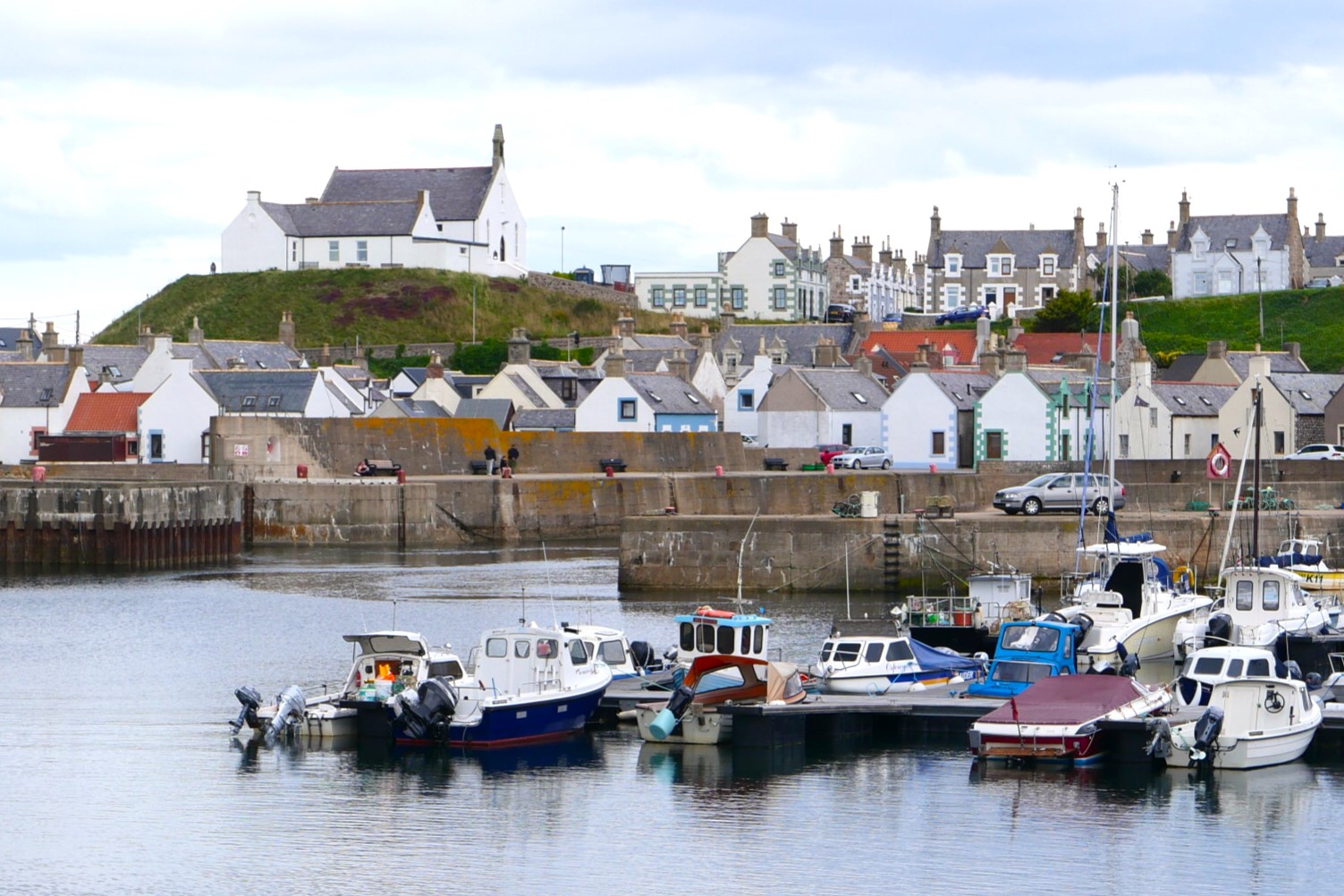


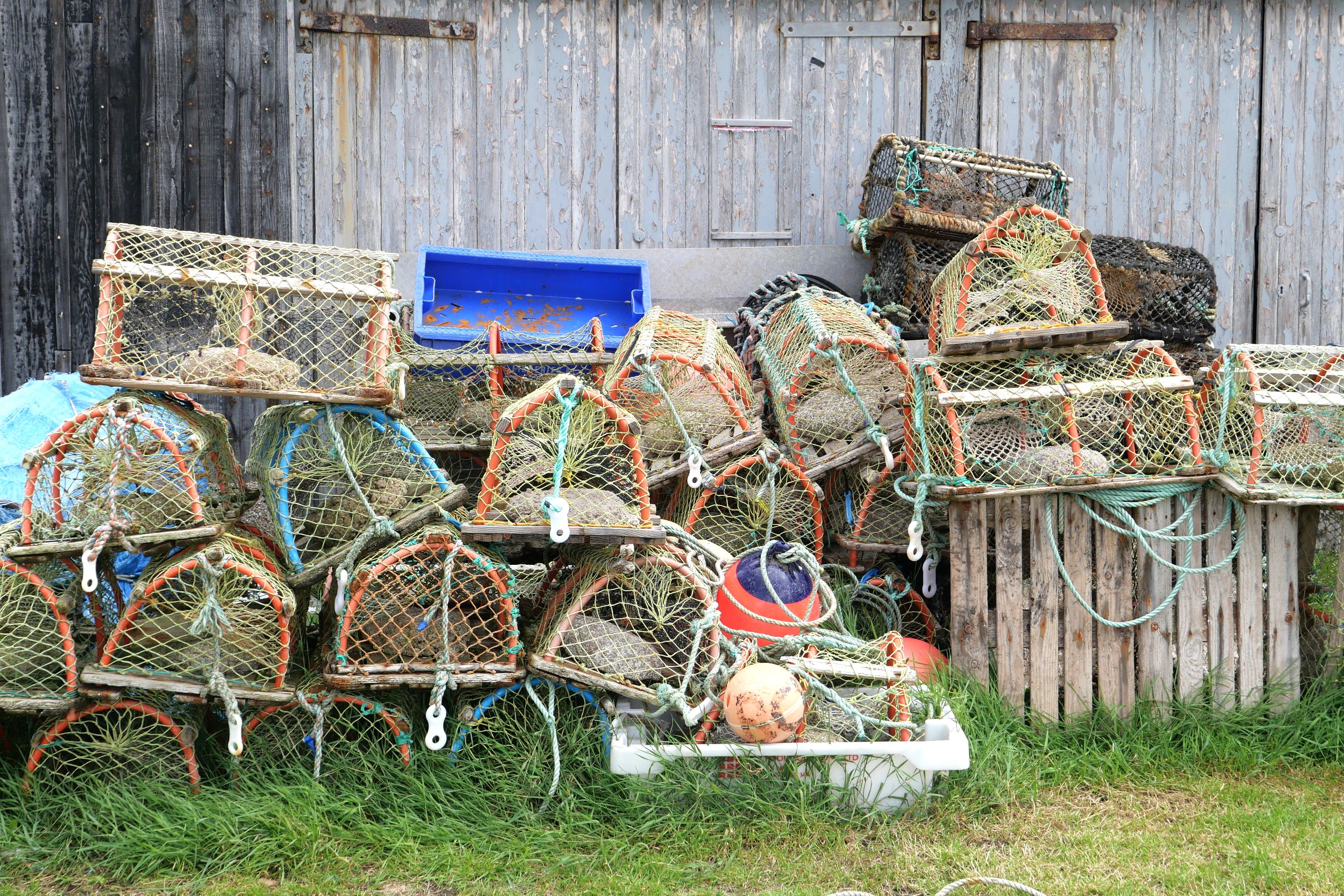
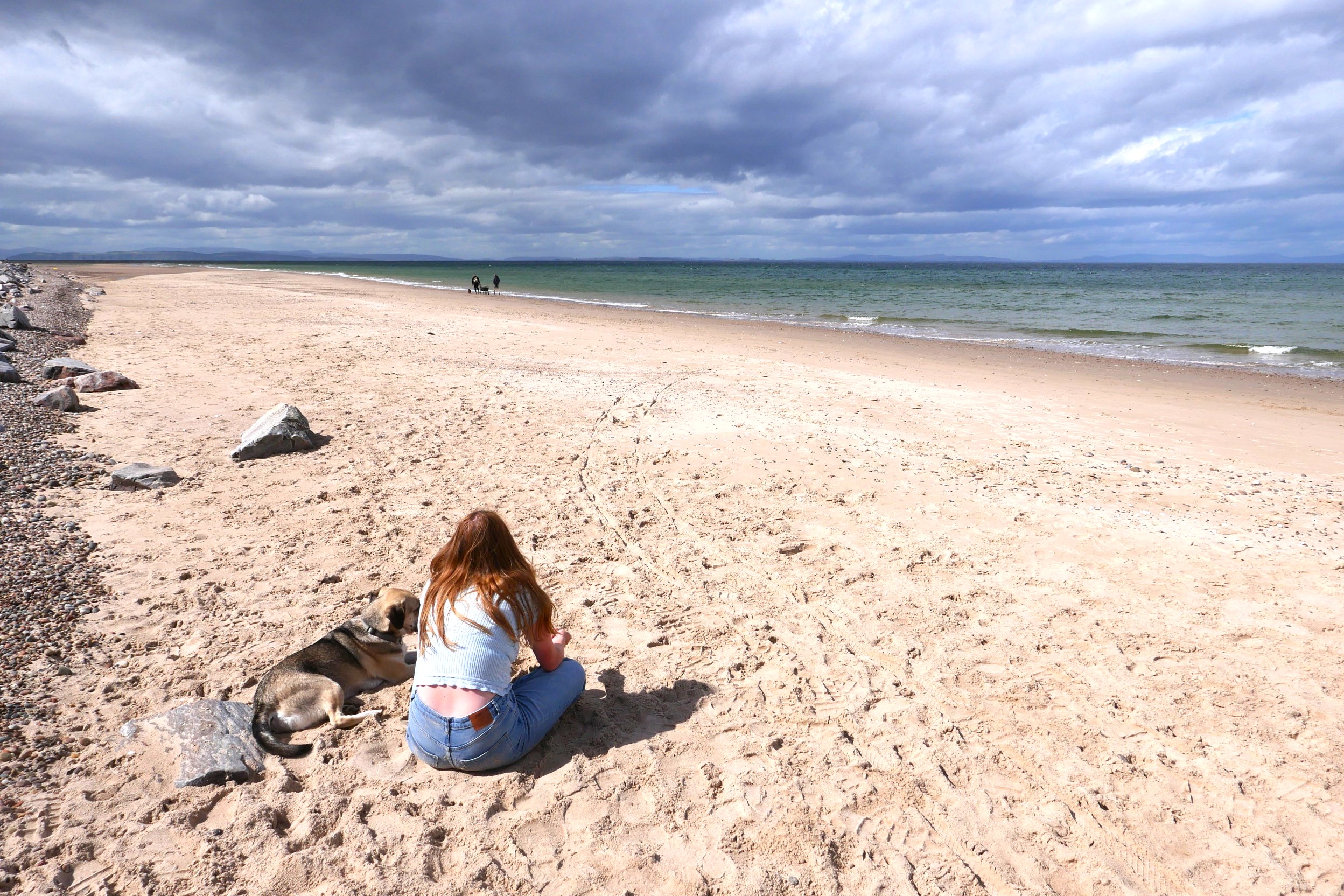


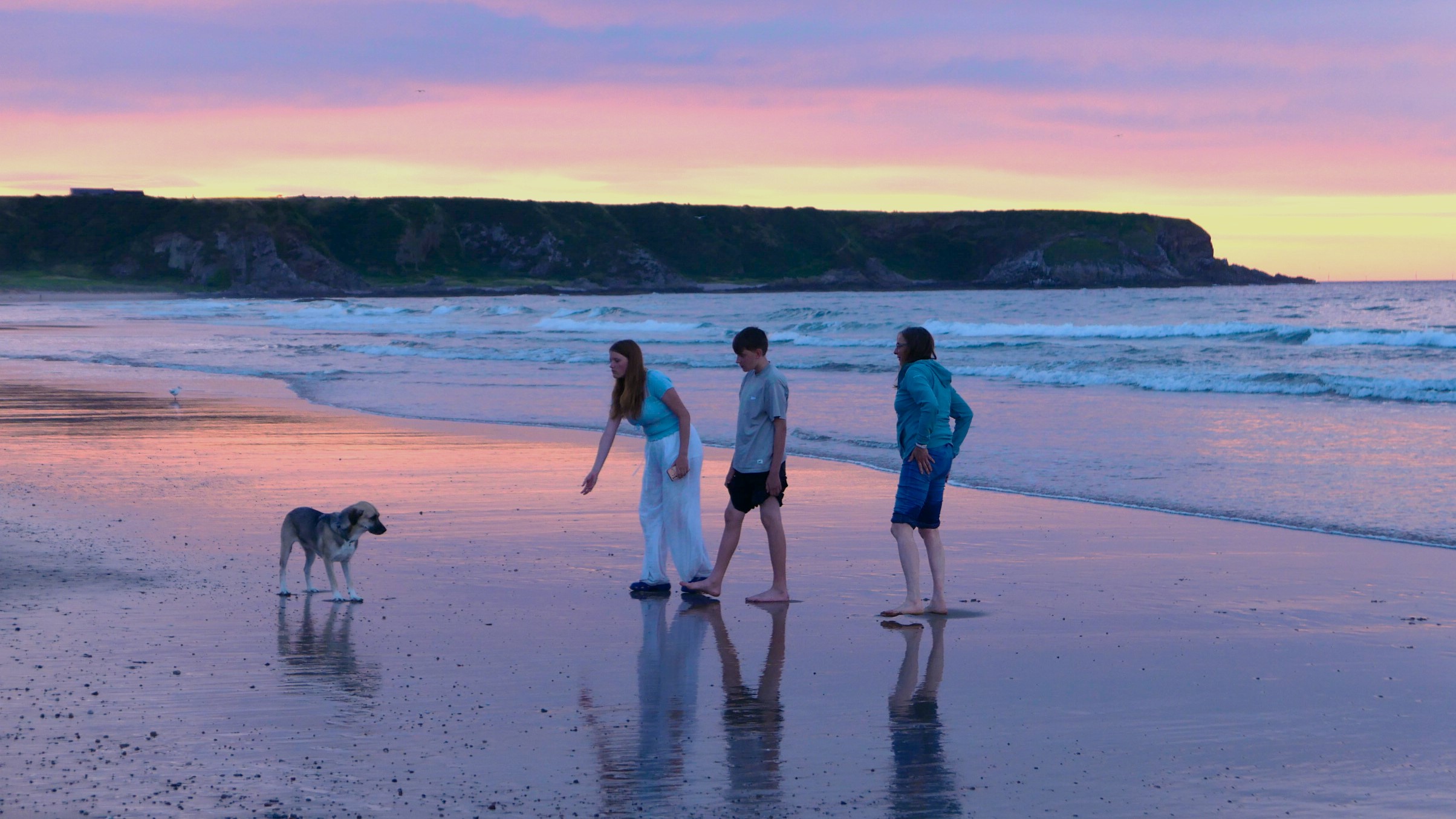
So with all this activity, it was definitely time for some nutritious deep-fried Scottish haddock and chips (to be washed down with copious amounts of Irn Bru of course !!). We chose a suitably scenic, alfresco dining spot overlooking Cullen Bay, with an unexpected serenade from a solitary piper who was “gae’n it laldy” with a fine selection of reels, jigs and atmospheric slow airs. A motley assortment of locals had gathered around the end of the pier to enjoy the spectacle, the haunting skirl o’ the pipes blending harmoniously with the melodic swishing of gentle waves against a pebble-strewn shore (sounds all too much like the stuff of Scottish cliché I know).
Meanwhile, a few more adventurous souls braved the chilly waters of the North Sea for an evening dip. We stayed-put for a while longer and enjoyed our own “Local Hero” moment, watching a beautiful sunset; the golden orb of the sun melting low into the western horizon amidst some spectacular pyrotechnics. Apparently, the northern lights even put on a show later that evening, though we missed that one. Out to sea, a passing school of dolphins wowed (the more observant – which didn’t include myself) evening strollers and dog-walkers on the beach by, obligingly, leaping gracefully out of the water, on their endless forays up and down the Moray coastline.

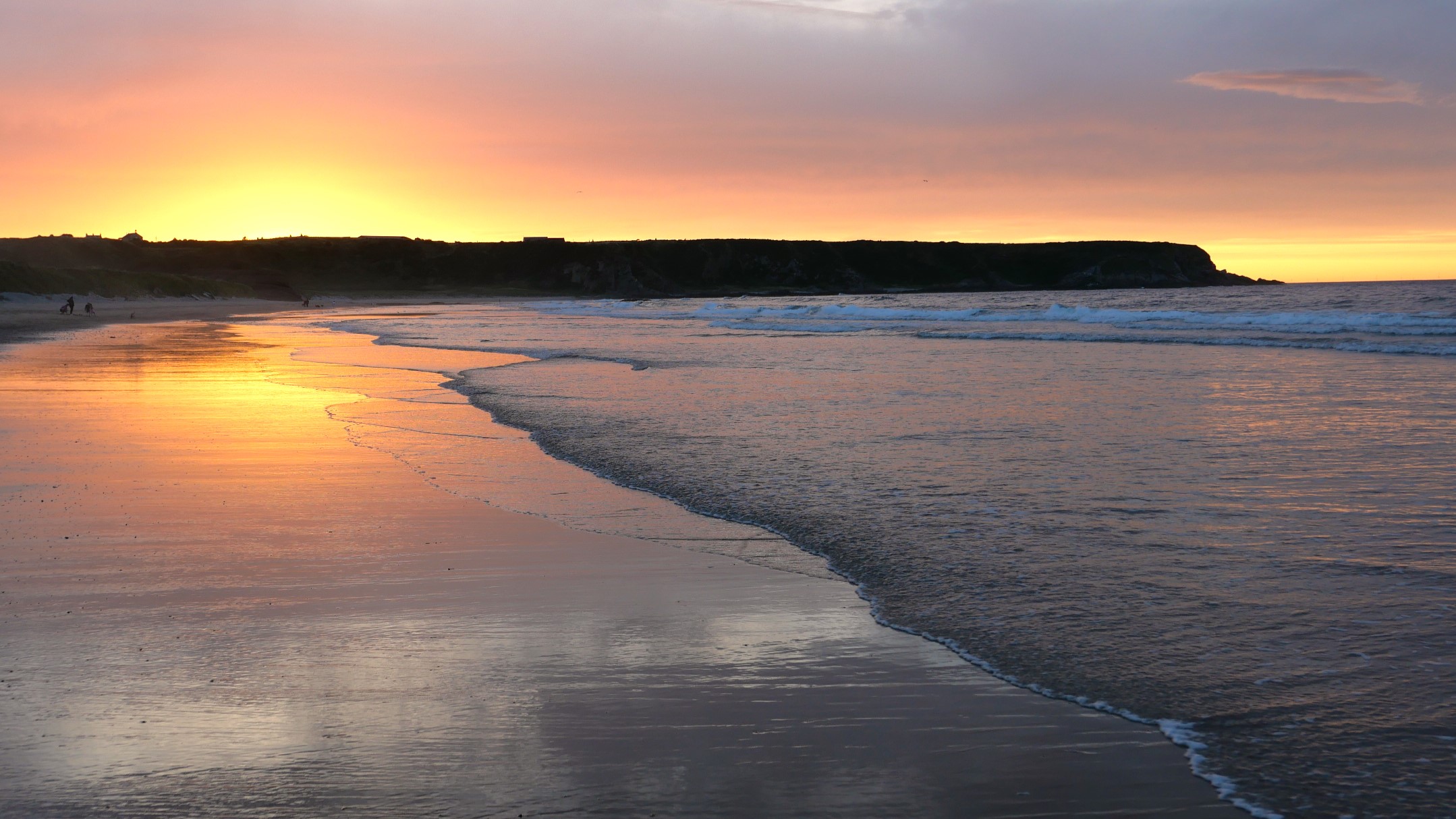
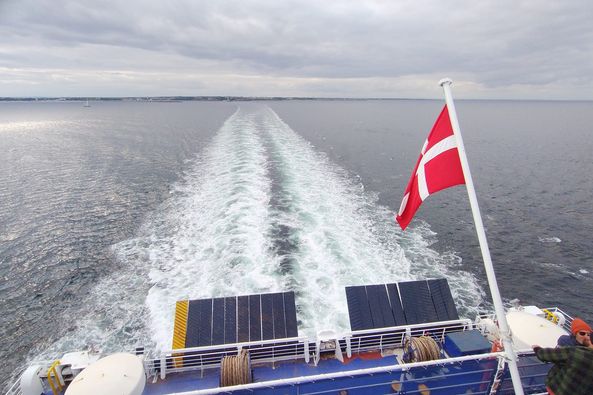
And so it seemed like a fitting finale to our trip. Soon it would be time again to take the great road south and across the rolling hills of the Borders to Newcastle, where the DFDS “Princess Seaways” awaited to us for an overnight voyage back to Amsterdam. Fortunately, the seas stayed calm, the buffet menu was delicious and the band played on enthusiastically until the wee small hours as we sailed eastwards towards the dawn and that other, somewhat busier, coastline of continental Europe.
Postscript: Are YOU planning a “wee trip” to Scotland ?
Over-tourism has been very much in the news recently and Scotland has certainly not been immune to its consequences; the “Outlander Effect”, movie locations (such as Harry Potter, Skyfall, Avengers etc.), the creation of the NC500 route and over-popularisation of a few “hotspot” locations (such as “The Fairy Pools” on Skye) by Instagrammers has had a huge detrimental impact in some parts of the country. It has unfortunately brought people, en masse, to places without the infrastructure, services or ecological resilience to support the presence of visitors in such large numbers.
Whilst there are obviously many economic benefits of tourism for rural communities, taken to excess, it can also bring significant undesirable effects. These include congestion on single-track roads, overcrowding of localised “hotspots”, eroded footpaths, environmental damage to sensitive sites, littering, inappropriate behaviour, irresponsible camping and housing shortages for locals (as properties are bought up as visitor accommodation, including short term lets).
Fortunately, the good news is that Scotland is a big enough place and there are endless opportunities to escape the crowds – it only takes a little imagination and some basic research. So, why not try exploring for yourself, rather following the Instagram flock ? Ask some locals about the places they’d recommend, buy a decent “Ordnance Survey” map, get a local guidebook, or just read a slightly better class of blog – like this one :-). Start exploring for yourself and on your own terms. As a result, your experience of visiting Scotland will be a far more rewarding and enriching one than being stuck in a queue of camper vans trying desperately to reach the “Fairy Pools” (indeed, also far better than being left to the mercy of, sometimes questionable “influencers”, or the chance offerings generated by social media algorithms).
For more practical advice, there are also many great sources of information about how to become a more sustainable tourist and offering hints and tips; here’s a blog on the theme that I’ve only just spotted (most importantly: happy travels !):
https://www.lovefromscotland.co.uk/how-to-be-a-sustainable-tourist-in-scotland/
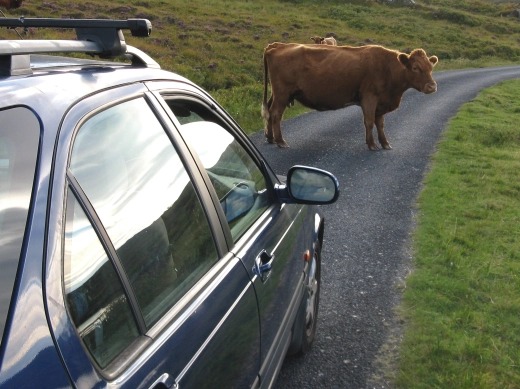
Traffic jams in the Highlands in the pre-Instagram era…
 Off the Beaten Track