

Let’s face it, the chance to go downhill skiing is a luxury indeed these days. In our age of climate change it’s also becoming increasingly difficult to seek out reliably snowy slopes, especially in some of the lower lying mountain ranges of Europe. I learned to ski many years ago in the relatively inhospitable conditions of the Cairngorm Mountains in Scotland; a place where people “ski despite the weather” rather than for any particularly inviting attributes that might exist ! Scottish skiers are traditionally a hardy breed; no cosy alpine huts, Apfel Strudel or Glühwein to be found on Scottish slopes - more a case of bringing along a flask of tea or a soggy cheese sandwich to gulp down on a windswept parking lot.
In reality, I can remember numerous days in the Coire Cas or at Glenshee, immersed within a featureless white void of low cloud; ice crystals, whipped up by incessant winds, relentlessly sandblasting any exposed areas of skin. Nevertheless, there were also occasional beautiful days with picture-postcard blue skies, sun drenched pistes and wall to wall snow cover (sometimes lasting 3 to 4 months from December right through to April or even May). Such rare days, at best, compared favourably with skiing conditions to be found anywhere on the planet. And then there was the swinging, hipster 70s-style resort of Aviemore to boot !

Me enjoying full snow cover: Cairngorm late 1970s
Sadly, these times seem rather a thing of the past nowadays, with a series of mild winters meaning that preserving any amount of snow cover on Scottish pistes these days requires Herculean efforts (though there are still some occasional “good” seasons). My periodic checks for recent webcam footage from Scotland increasingly reveal depressing scenes of overworked “piste-bashers” (or even just guys with spades) forlornly redistributing heaps of melting snow, in vain attempts to maintain fragile cover on otherwise barren hillsides. Indeed, what might once have been described as “terrible” snow coverage in the 1970s is now being trumpeted as a being a “fabulous” opportunity for Scottish skiing fans ! It seems that many frustrated folks have abandoned the pistes altogether and headed off to the Alps, or bought touring skis as a way of seeking out more extensive terrain amidst remote Scottish summits.
However, these issues certainly aren’t unique to Scotland. On the Continent, the same problem also affects lower lying ski areas along the foothills of the Alps, such as in Bavaria. Here, snow cover is proving increasingly unreliable in locations under 1500m or so, even despite a heavy investment in artificial snow making equipment, which requires low temperatures to be effective. Last year, over Christmas, we headed for the Allgäu region of Bavaria to be greeted by mostly green, springlike conditions, with just a few meagre patches of melting snow (a couple of weeks previously the picture had seemed much more promising). My kids found just one snowy piste of about 200m to practice on in the area. Even that seemed like a lucky break at the time; that little, tired patch of snow certainly earned its keep that year ! (strangely enough, Scotland was one of the few places with any snow around that time, unless your headed for the higher alps and their associated traffic chaos, as everyone headed up the same treacherous winding mountain passes simultaneously).

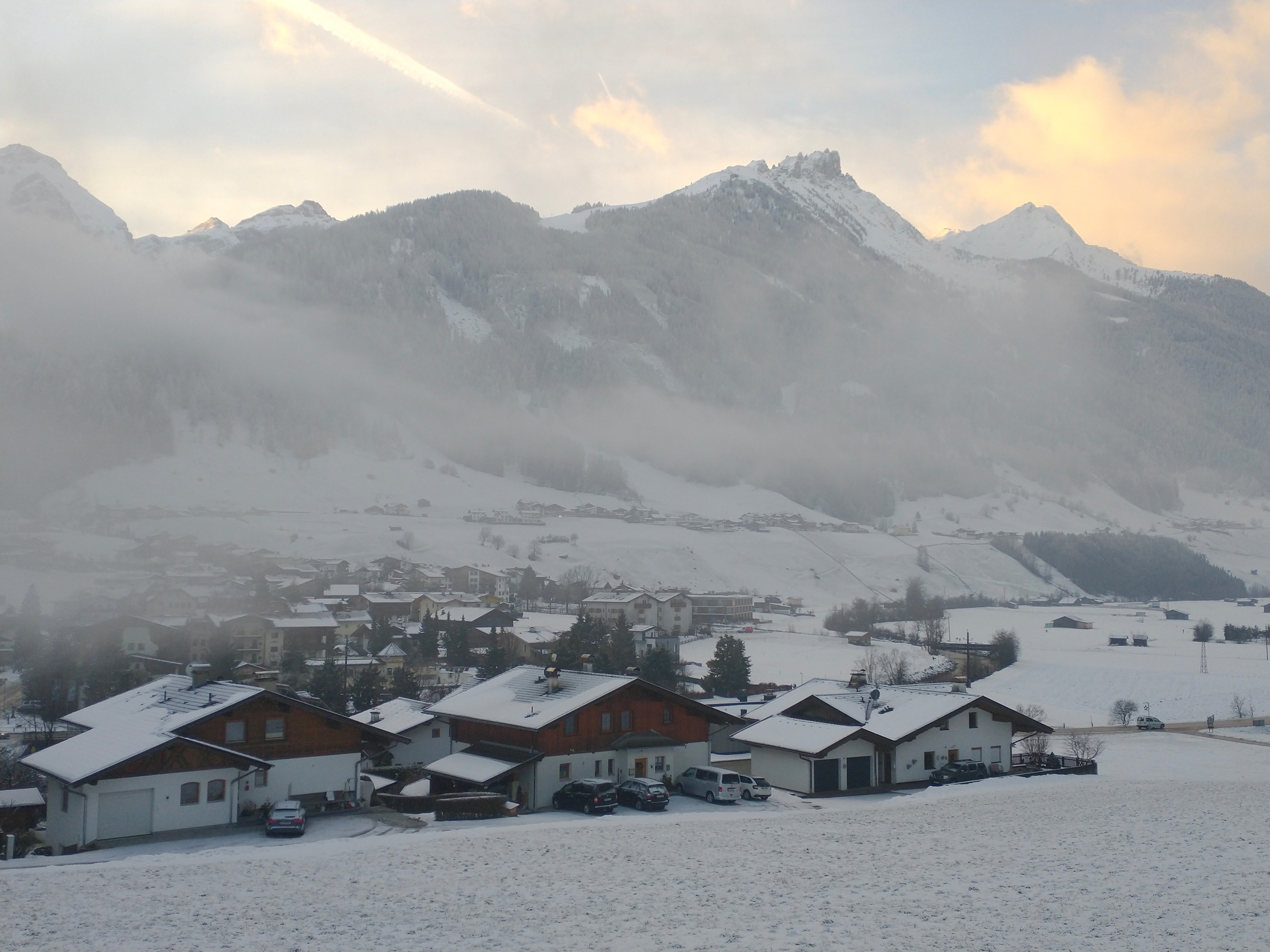
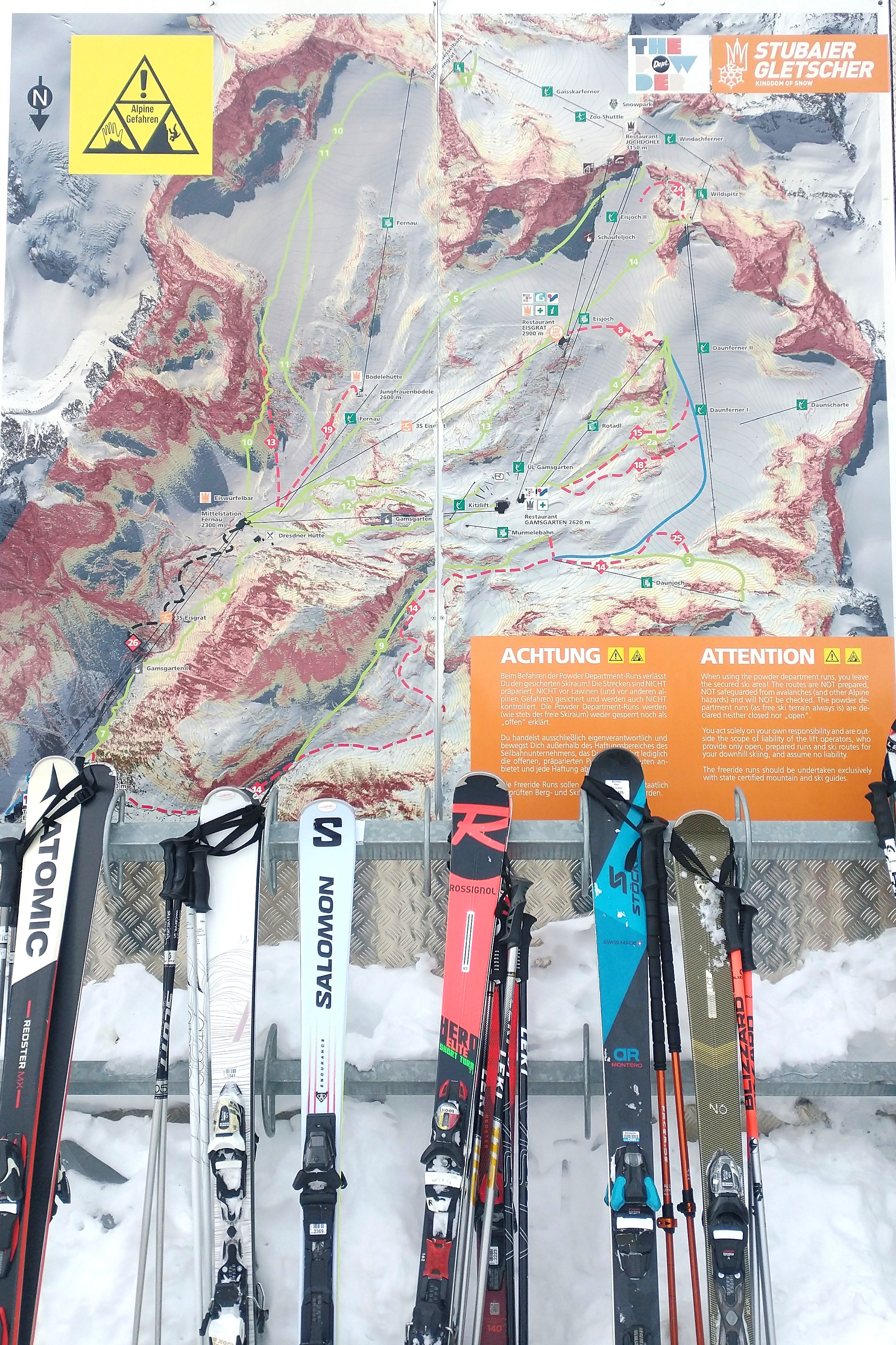
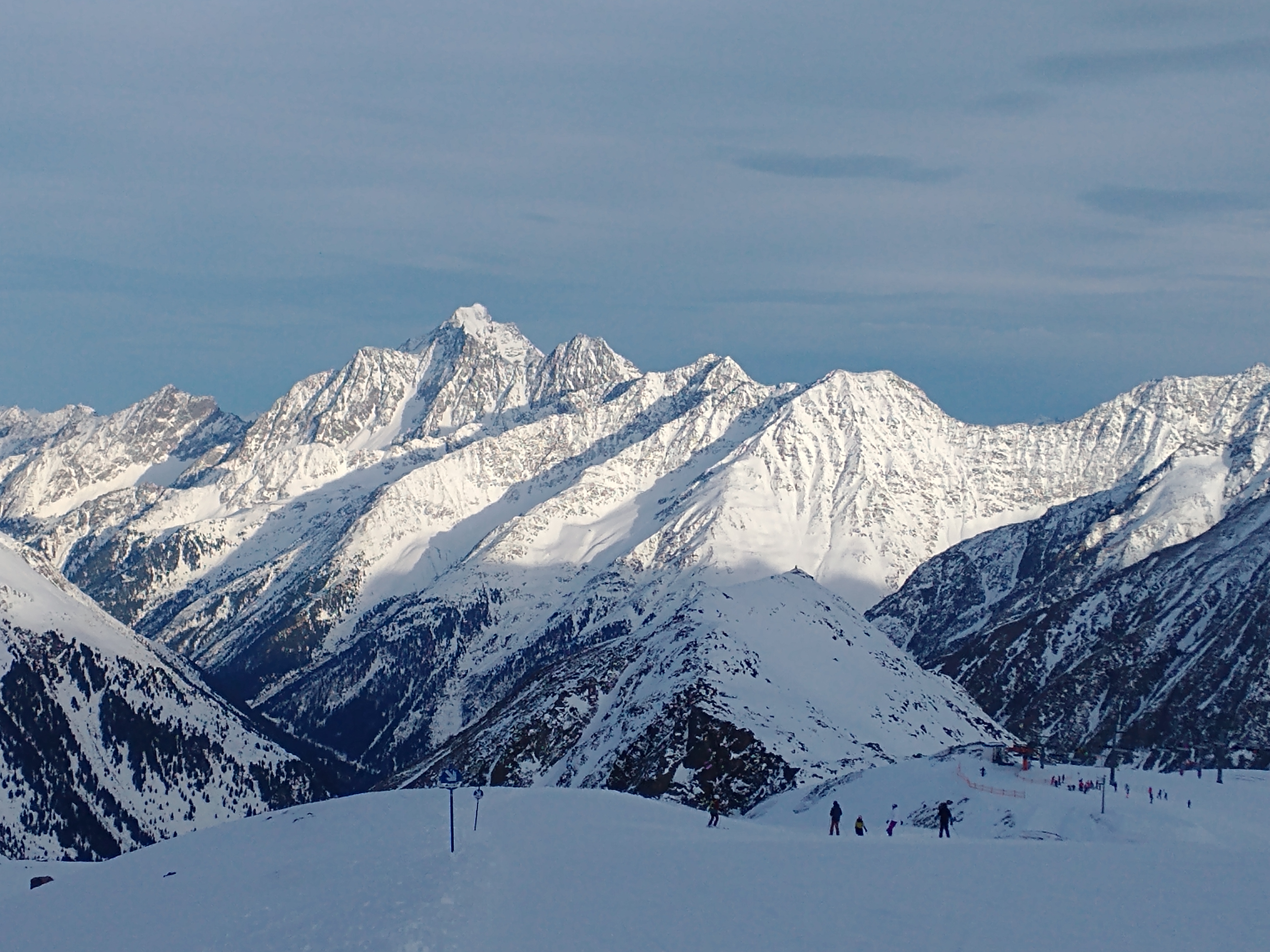
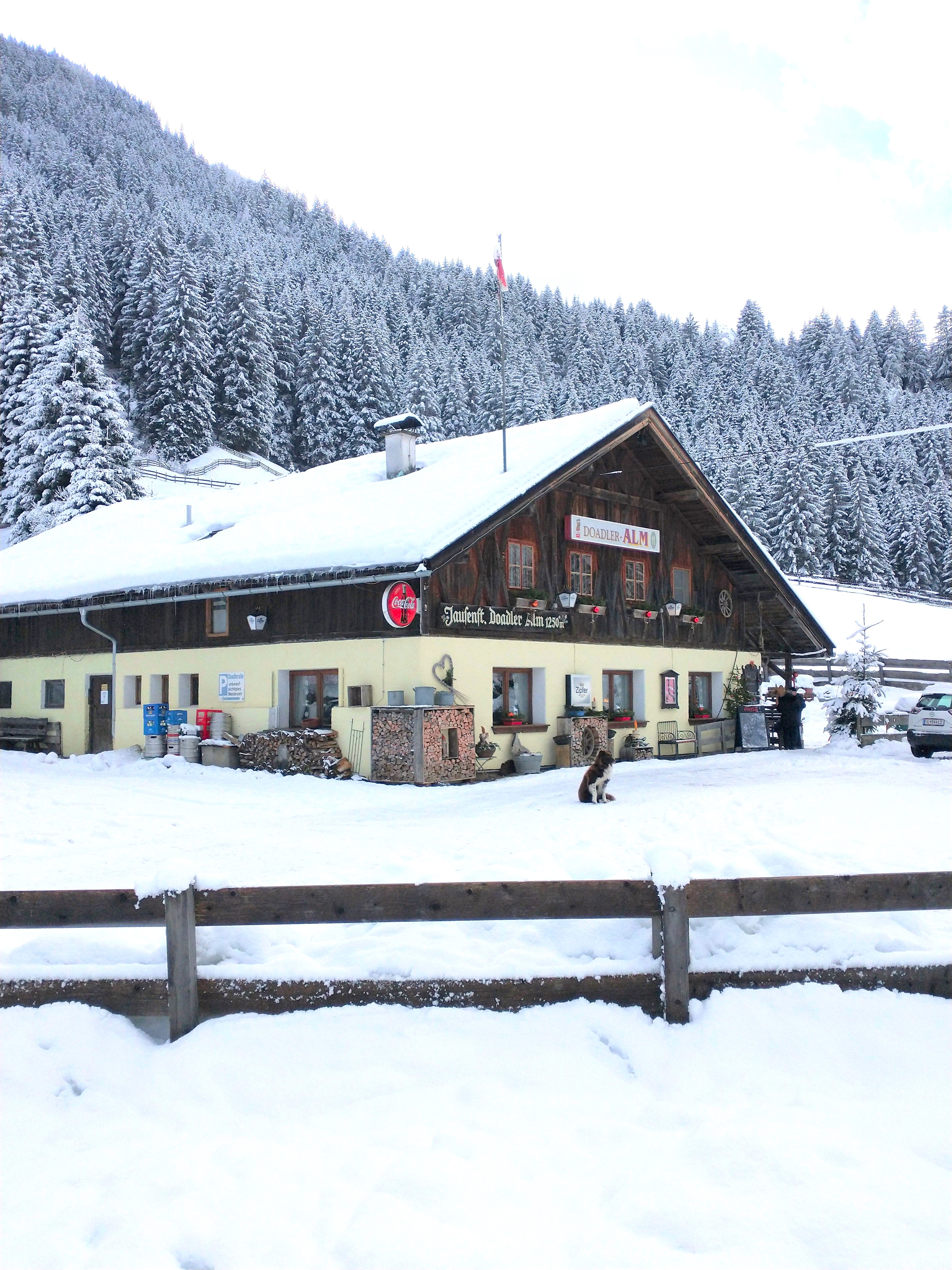
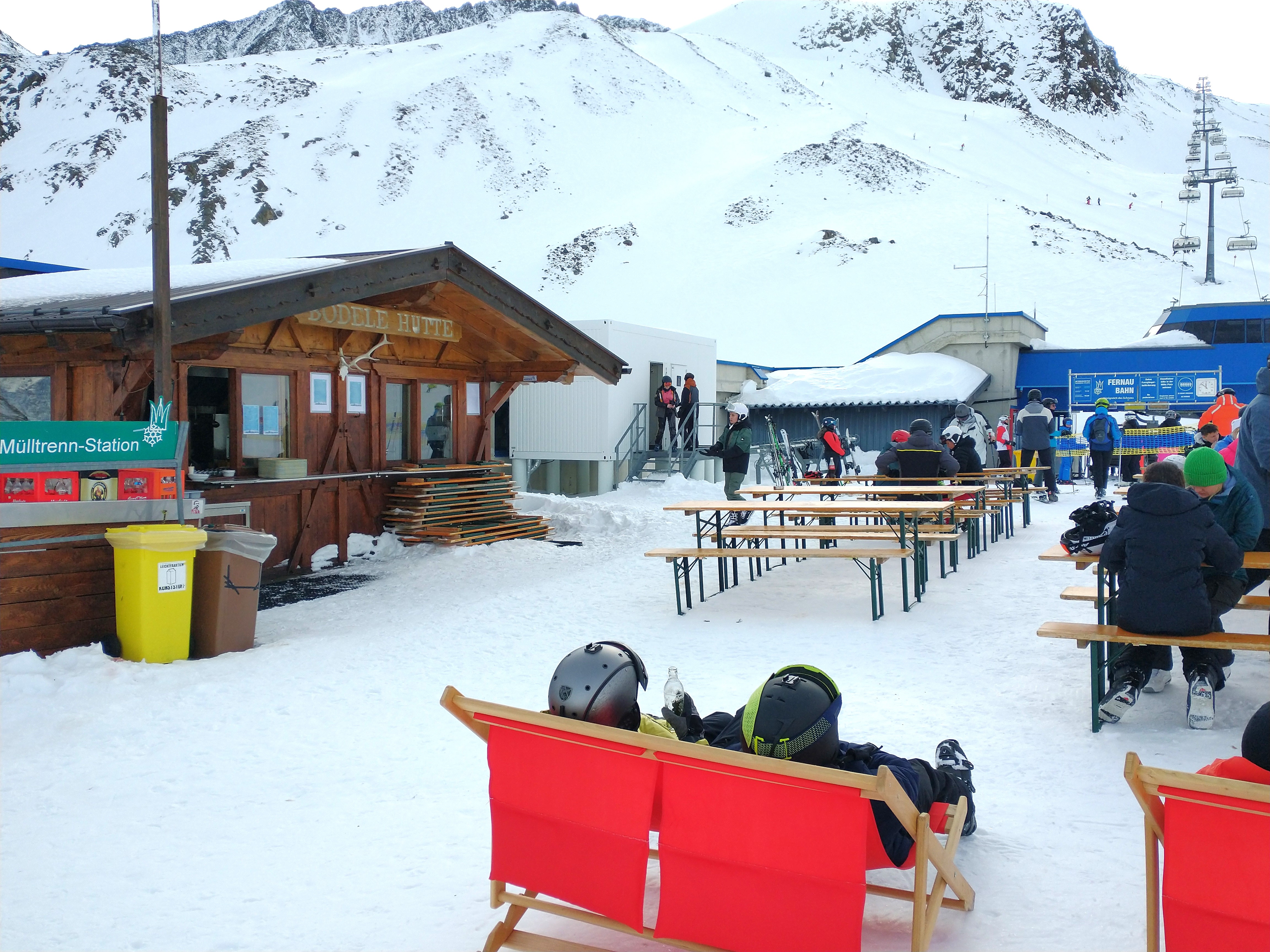
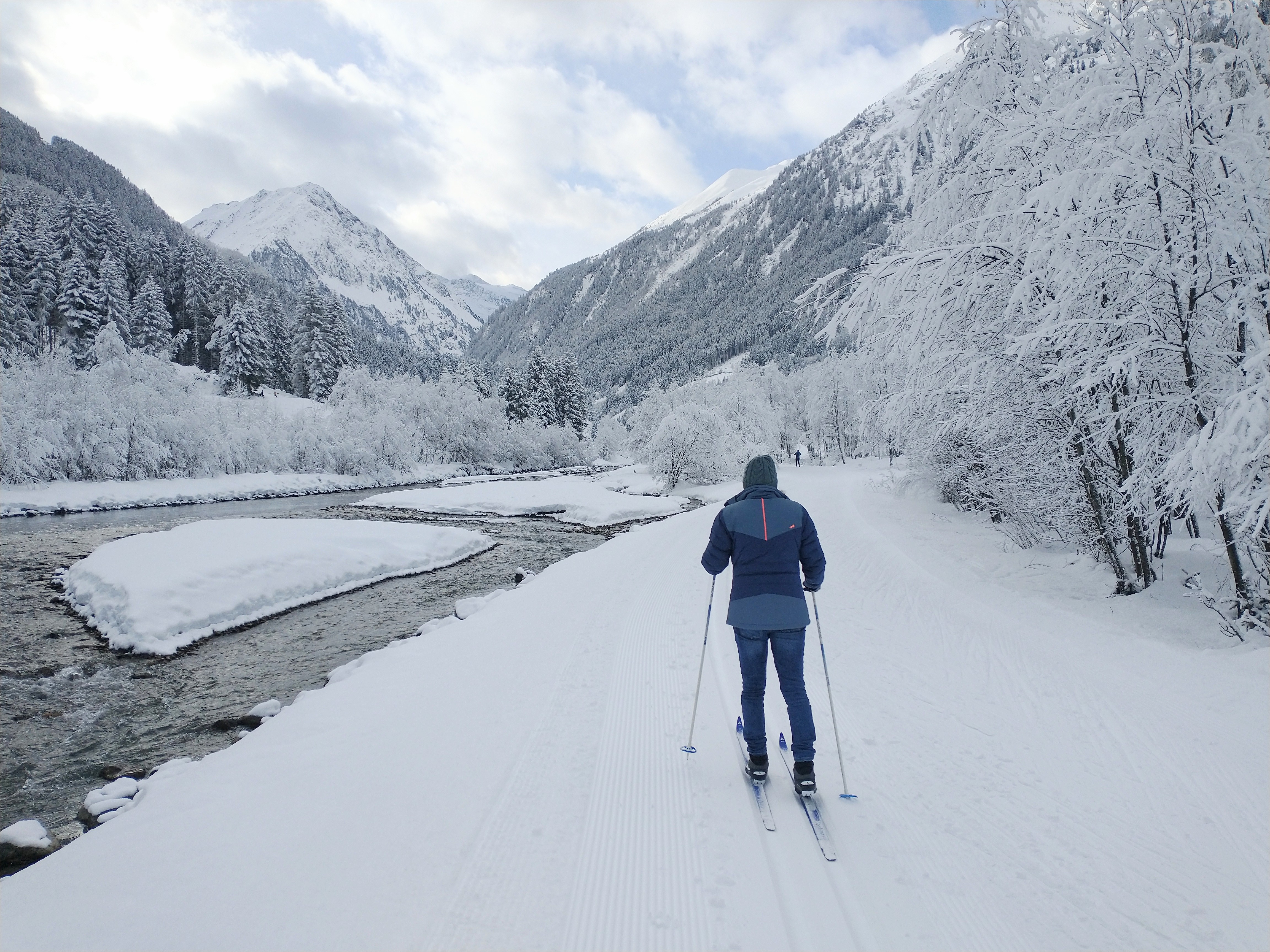
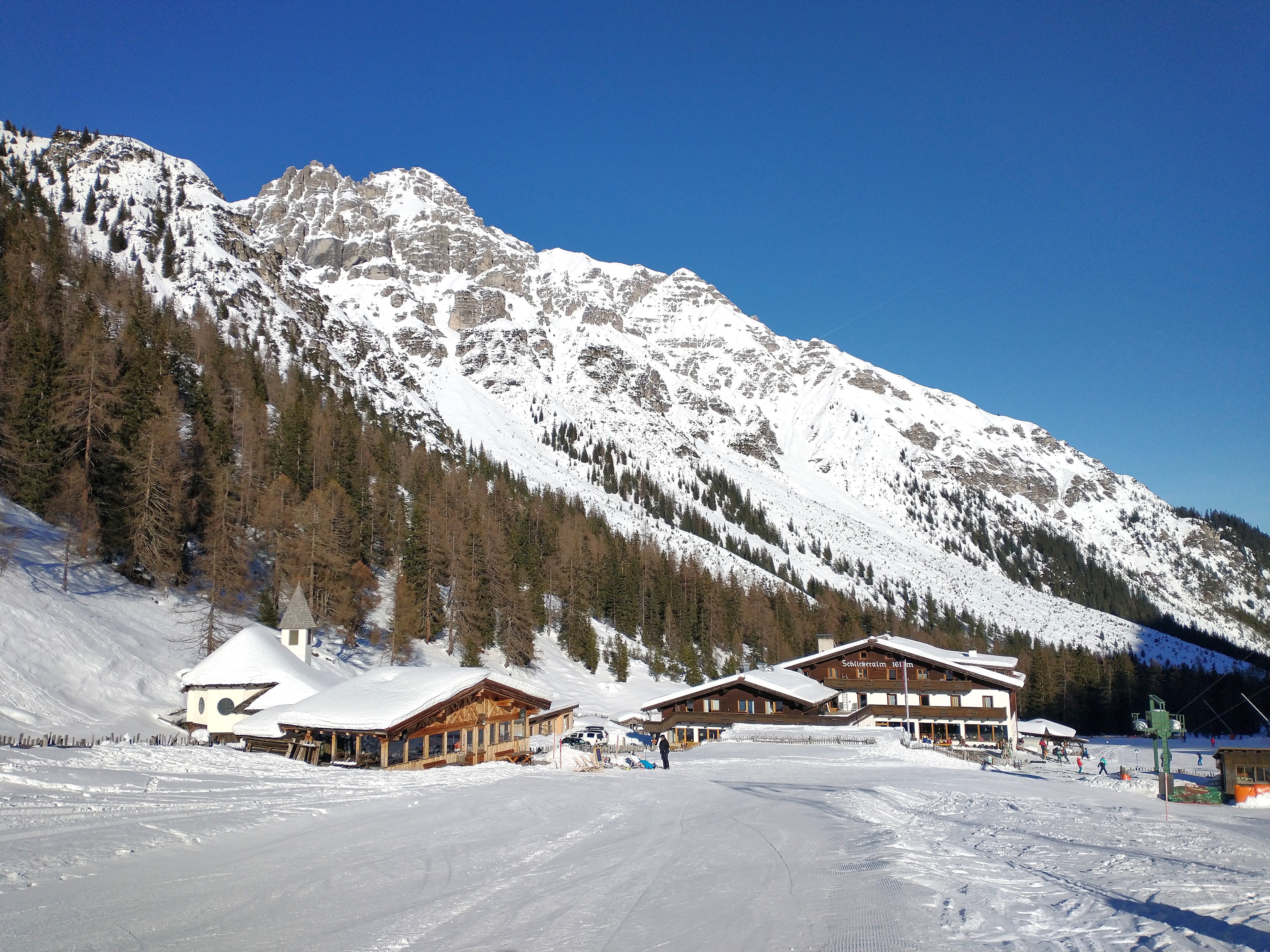
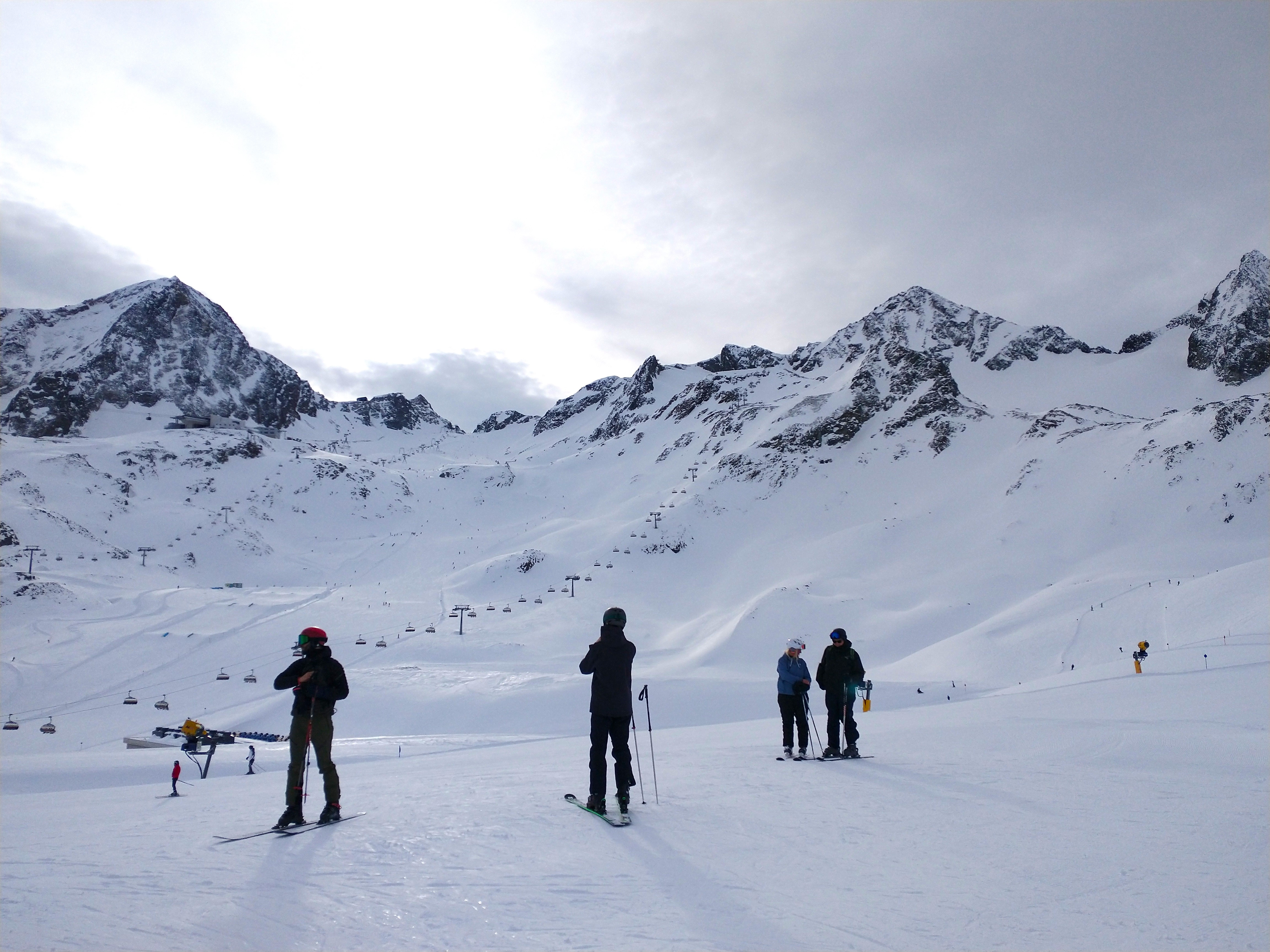
For me, though, snow coverage was beginning to seem all rather academic anyway. Following a knee injury, I’d begun to think that my skiing days might be well and truly over. However, never one to concede defeat, the chance to get back on the slopes again proved to be one just too inviting to resist. And so, during the most recent festive season, we headed for the Stubaital near Innsbruck for a week, where my son was keen to try out his new snowboard and check out the slopes. This time, we took no chances and deliberately sought out higher terrain, beyond the first northern ranges of the Alps. The Stubai Glacier ski area seemed like a safe bet. It offers a vertical range from 1500m up to 3000m, reaching to the very the crest of the Alps, by the Italian border. In addition, the nearby Schlick 2000 ski area also offers further attractive opportunities at slightly lower attitudes, located further down the valley towards Innsbruck. It has a a cosy, traditional alpine feel about it and is set amidst a dramatic backdrop of rocky alpine peaks and spruce forests (rather like a small chunk of the Dolomites that’s been broken off and shifted 80km north).

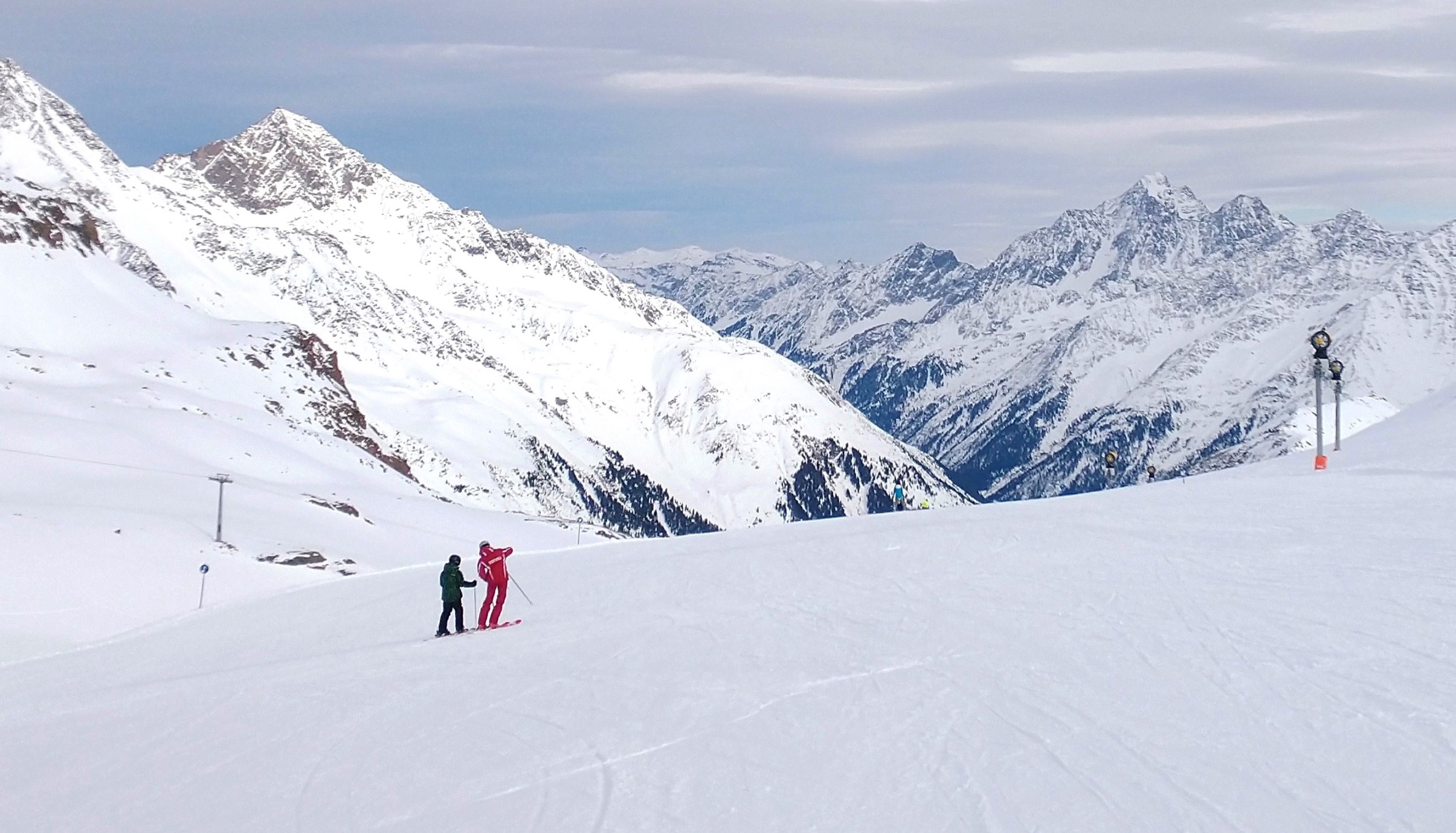
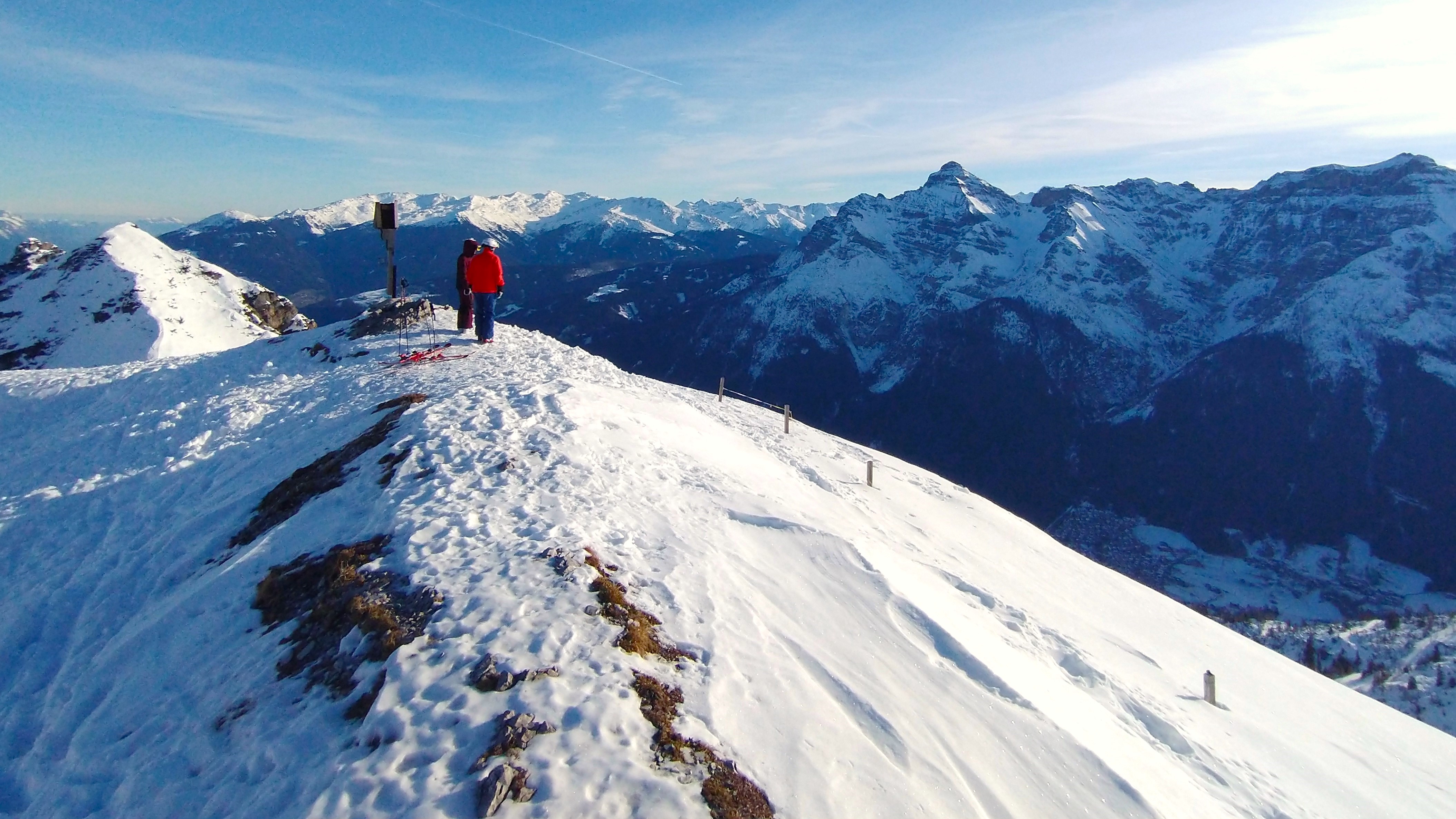
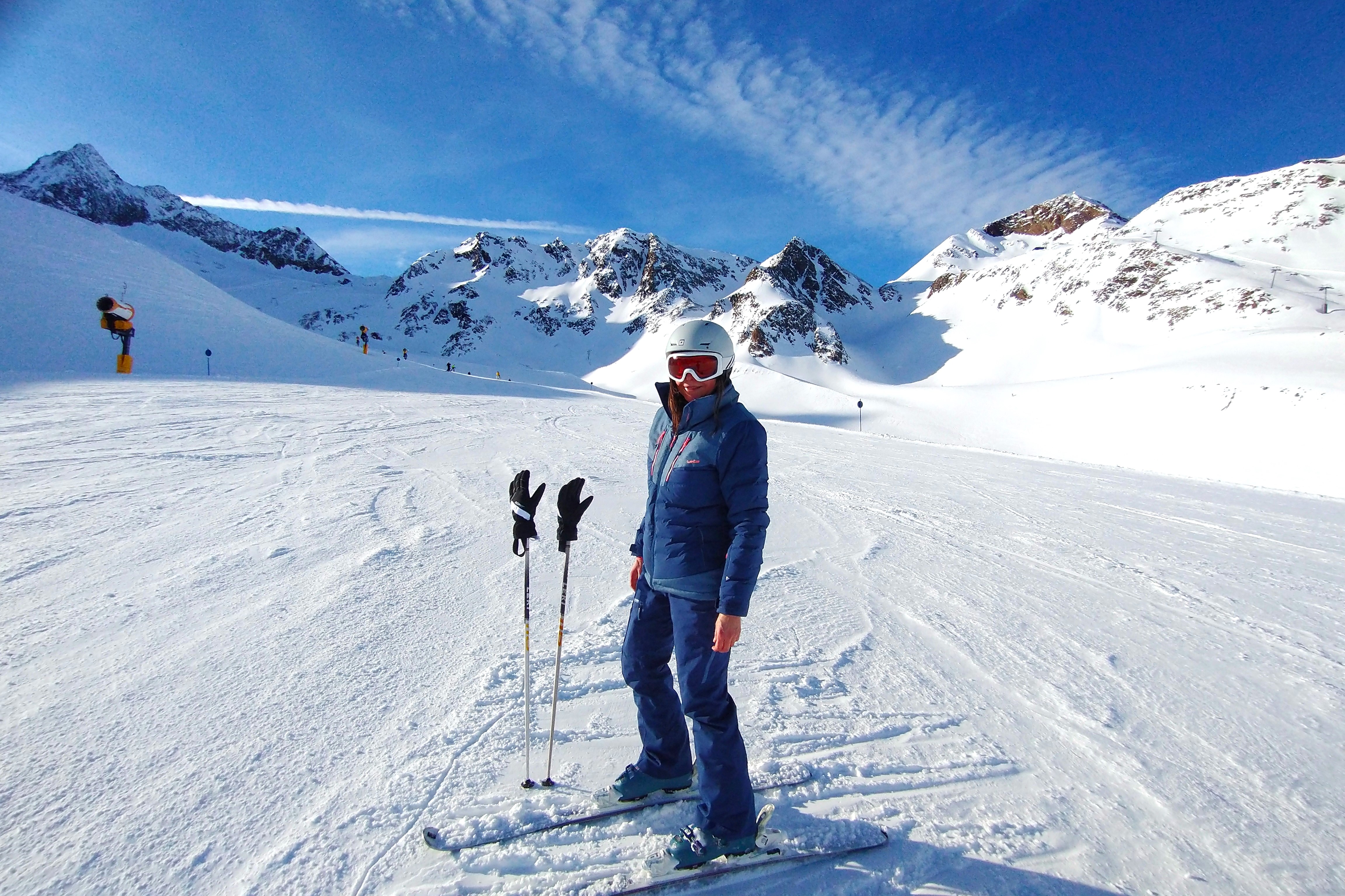
Happily, this time we hit the snow jackpot ! The conditions were just wonderful with great mountain panoramas, relatively uncrowded slopes and settled weather conditions for the duration of our trip. Skiing with a not-too-perfect knee was a bit of an unknown quantity, but fortunately everything functioned exactly as it should. Surely that was one winter high just too precious to miss.
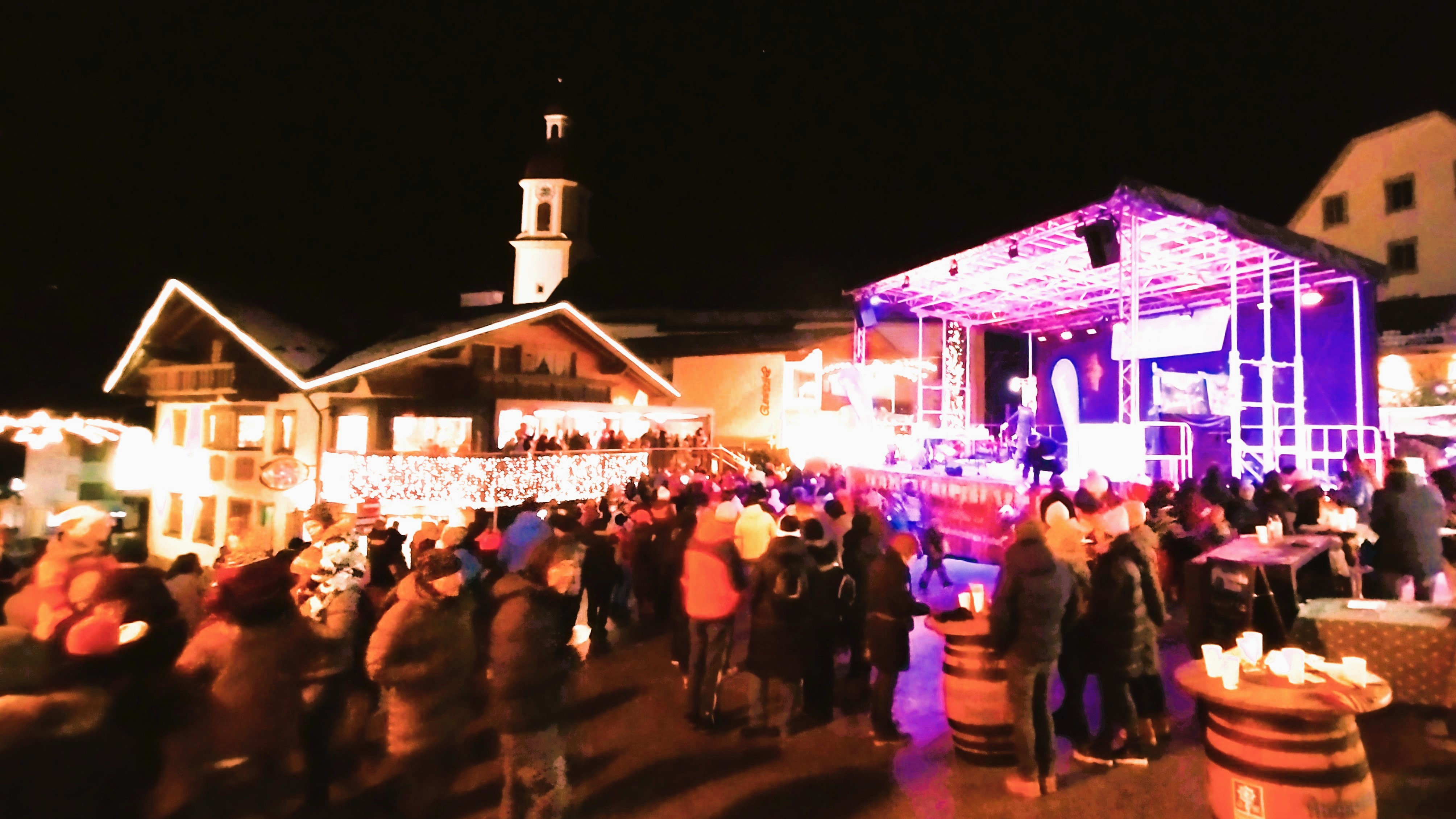
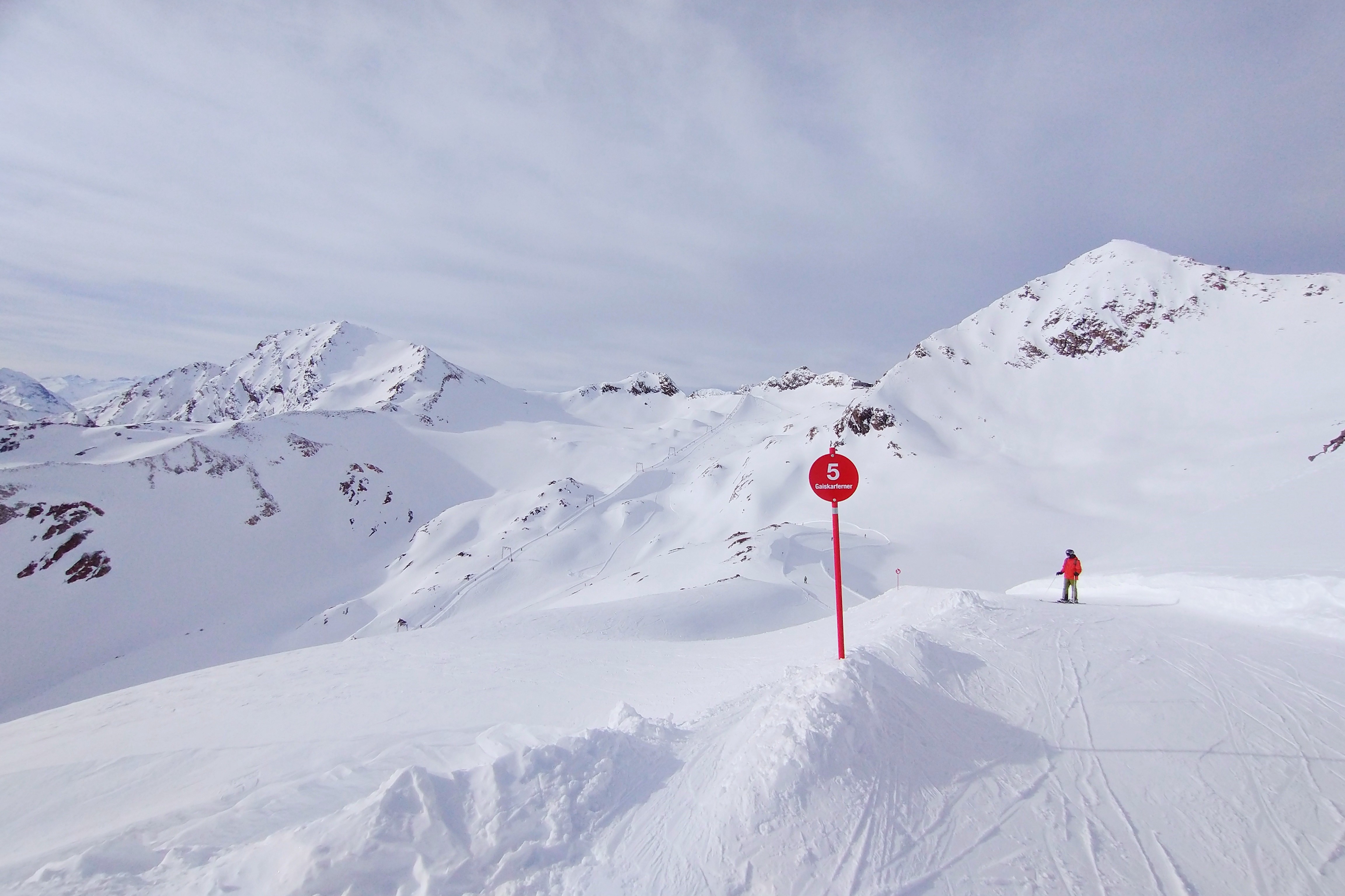
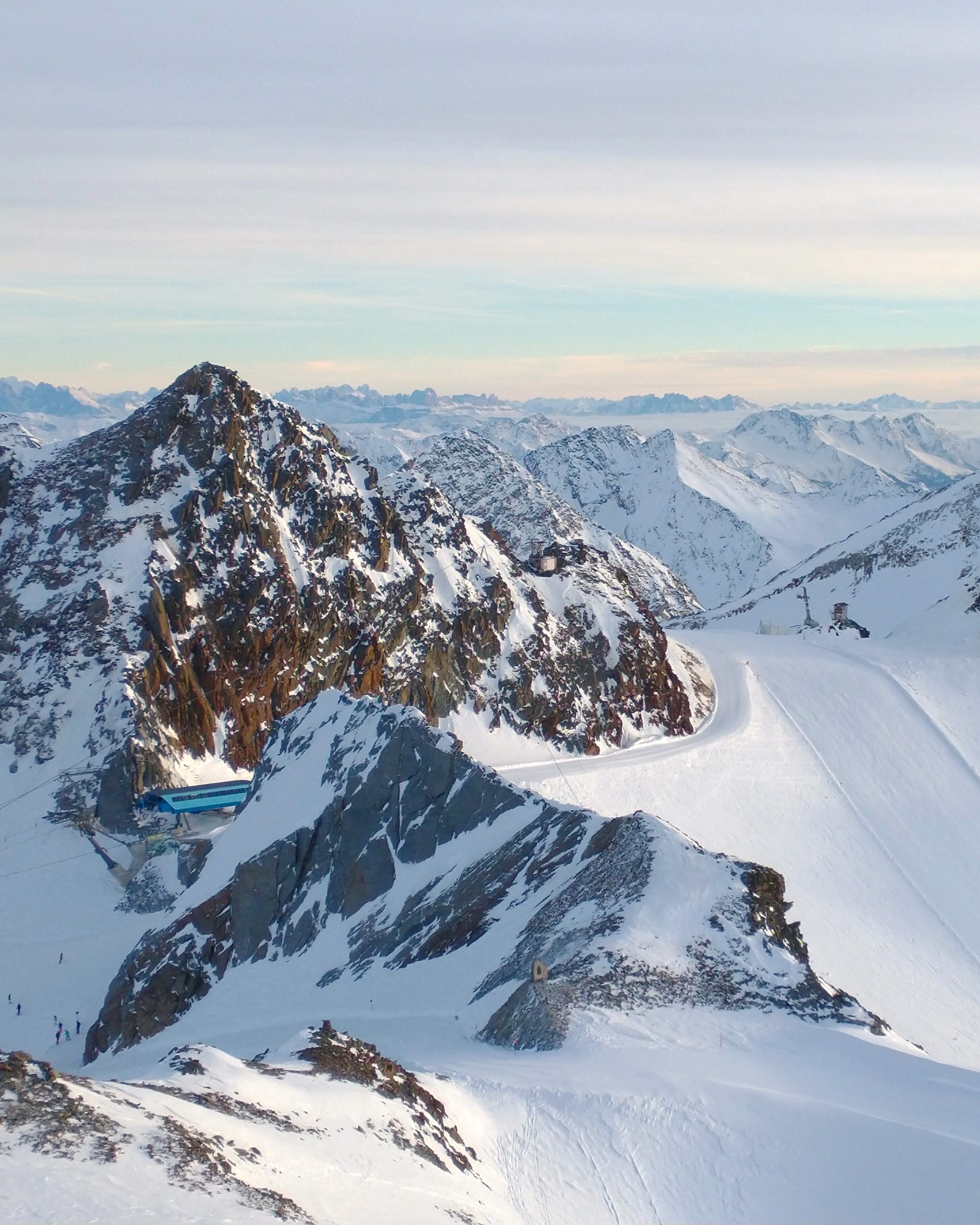
So, here’s a few images from the trip:









Unfortunately, one thing is for sure; the alpine ski industry faces a challenging future as a result of evermore uncertain snow conditions. Many lower attitude resorts will have to think very creatively about the activities and experiences they offer in order to continue attract visitors. In addition they must also consider the thorny topic of their own carbon footprint (transport to get there being one of the key themes), if they are to survive and prosper in an evermore unpredictable climate.
Sadly, the high glaciers of the Alps are not immune to the problems of global warming, with glaciers receding at ever-increasing rates (indeed, it is predicted that half of the current 4000 or so alpine glaciers will be gone by 2050). Loss of ice mass, through melting, directly affects the Stubai Glacier itself – the melting of the glacier itself is all-too-evident when riding up on the ski lifts. In locations where the surface has been protected from melting (using a variety of reflective sheeting and thermal insulation techniques), the remaining depth of ice can be clearly observed to be several metres higher than in the surrounding unprotected areas. It seems that, nowhere, is climate change more evident.
For now though, we enjoyed the precious chance to be part of the winter wonderland; I wondered:
– How can such opportunities last into the foreseeable future ? Will future generations still be able to enjoy winter sports in the Alps ? If so, what needs to change to achieve that (other than relying more and more on artificial snow) ?
– Can ski resorts themselves really adapt to become more sustainable, and if so how ? Many are already starting to look ahead with constructive ideas and innovative new approaches (including energy and water use, public transportation, “slow”/niche tourism, summer alternatives etc.)
– To what extent are we also part of the problem ? How can we change our habits to become more responsible as individuals and “consumers” ? e.g. how do we travel to get to the mountains (actually the greatest impact of all) ? How do we support a sustainable local and green economy rather than merely throwing money into the hands of external “big business” interests.
There are no quick-fix solutions however; but many complex challenges ahead.

 Off the Beaten Track